REVIEW · OSAKA PREFECTURE
Kyoto Highlights Private Tour with Pick and Drop
Book on Viator →Operated by Milkyway Tours · Bookable on Viator
Kyoto in a single day can be magical. This private highlights tour strings together the big Kyoto icons with pick-up from Osaka, door-to-door drop-off, and a flexible pace in between. You’re not stuck working out trains or shoe-horning time windows, which matters when temples open and close on their own schedules.
I love how this trip balances famous stops with slower-feeling moments. Arashiyama gives you that early-day calm under the bamboo, and then the day builds to power stops like Fushimi Inari with its red torii corridor. You also get a private group setup (up to 6), which makes it easier to move together and ask quick questions without a crowd bottleneck.
One consideration: the big sights come with entrance fees and lunch not included, so your total will be higher than the base price. Also, a small-vehicle situation and smoke smell were mentioned in one unhappy write-up, so it’s smart to confirm vehicle type and any comfort needs before you go.
In This Review
- Key highlights worth planning for
- The real value: door-to-door Kyoto, not train math
- Price and what you’re actually paying for (up to 6 people)
- Arashiyama bamboo morning: calm before the crowds
- Fushimi Inari’s torii trail: the fun part is finding your pace
- Kiyomizu-dera: the nail-less hall and the view
- Gion stroll: traditional streets with real-life etiquette
- Sanjusangendo and Ginkaku-ji: two different types of calm
- Kinkaku-ji fits in the mix: Golden Pavilion energy
- Nishiki Market: snacks and Kyoto kitchen shopping
- Kyoto Imperial Palace: where big history feels walkable
- What the English-speaking driver adds (and what to ask)
- Where the day can feel tight: timing and walking reality
- Who this tour is best for
- Should you book this Kyoto highlights private tour?
- FAQ
- How long is the Kyoto highlights tour?
- What’s the group size limit?
- Do I get pick-up and drop-off in Osaka?
- Is there an English-speaking driver?
- Are entrance fees included for the temples and sites?
- Is lunch included?
- Does the tour use a mobile ticket?
- Can I cancel for a full refund?
Key highlights worth planning for
- Private pick-up and drop-off from anywhere in Osaka, so you can skip the first-stress factor
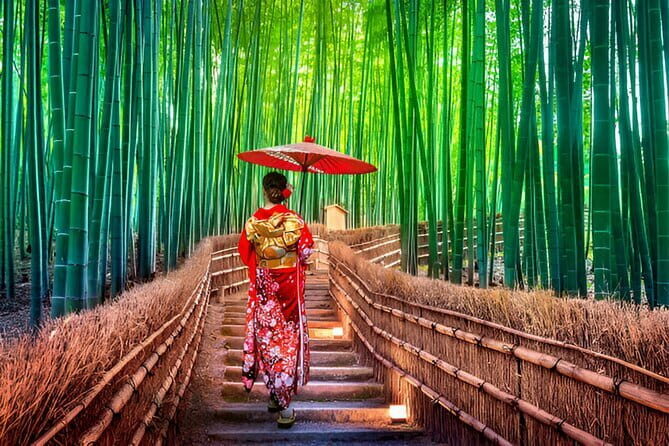
- Arashiyama bamboo + Tenryu-ji area timing that fits well early in the day
- Fushimi Inari’s torii trail as a self-guided experience with a driver who helps you find the flow
- Kiyomizu-dera views from a famous hilltop viewpoint and its iconic stage
- A mix of temples, imperial heritage, and food shopping with Nishiki Market included
- English-speaking driver who can help connect the dots as you move through the day
The real value: door-to-door Kyoto, not train math
If you’ve ever tried to DIY a Kyoto day from Osaka, you know the hidden tax: time lost to transfers, confusion around stations, and the stress of arriving at the right place at the right minute. This tour’s biggest win is that it starts with pick-up from wherever you’re staying in Osaka and ends with drop-off after 8 to 10 hours. That means you can spend your energy on the sights instead of logistics.
Because it’s private and limited to a group size of up to 6, you also get a more controllable rhythm. You won’t be dragged along at someone else’s pace, and you can usually take a few extra minutes where you care most—like lingering for photos at a temple viewpoint or slowing down for market snacks.
You can also read our reviews of more private tours in Osaka Prefecture

Price and what you’re actually paying for (up to 6 people)
The price listed is $569.27 per group (up to 6), with the day running roughly 8 to 10 hours, depending on your exact flow and timing. On paper, that can look steep compared to group tours.
Here’s how I think about value: you’re paying for private transport, a driver who speaks English, and pick-up/drop-off included. If you’re traveling with 3–6 people, the per-person cost often becomes far easier to justify because the vehicle cost doesn’t scale like a solo taxi crawl across multiple neighborhoods.
Two other budget notes to keep you from surprises:
- Entrance fees aren’t included for several key stops (Kiyomizu-dera, Arashiyama, Sanjusangendo, Kinkaku-ji, Ginkaku-ji are listed as not included).
- Lunch isn’t included, so you’ll want a plan for where you’ll eat during your free time window.
Arashiyama bamboo morning: calm before the crowds
Arashiyama is one of those Kyoto areas that feels like a change in scenery rather than just another stop. The headline is the bamboo grove, where tall stalks create a quiet tunnel effect as you walk. I like doing bamboo early because it’s easier to enjoy the walk without constantly dodging bottlenecks.
This stop is also set up to work for different moods:
- You can pair the grove with the nearby UNESCO-listed Tenryu-ji Temple area, known for landscaped gardens and mountain views.
- You can also use the Togetsukyo Bridge as a photo pause over the Katsura River.
- If you’re feeling energetic, there’s an option to head toward Iwatayama Monkey Park via a hike.
The timing here matters because Arashiyama can eat time. If you’re trying to keep the day tight, I suggest deciding in advance whether you want the monkey park hike. It’s great if you’re active, but it can pull time away from later temples.
Fushimi Inari’s torii trail: the fun part is finding your pace
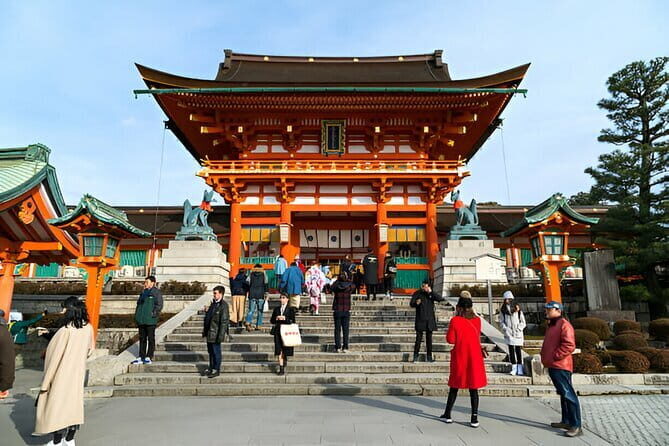
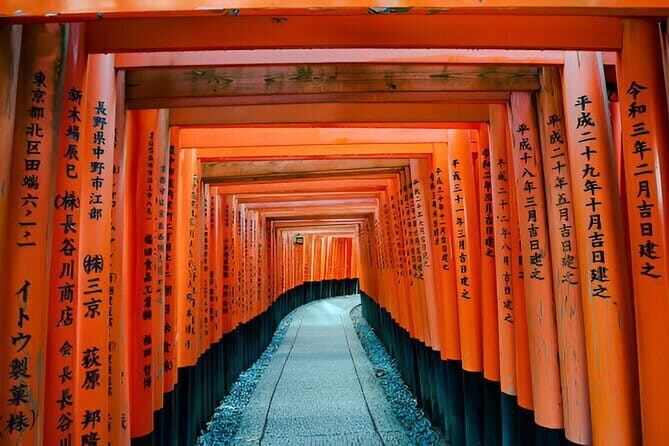
Fushimi Inari-taisha is free to enter, and that’s a big reason it’s so popular. The best feature is the torii gates: thousands of red gates that climb through the forested slopes of Mount Inari.
What makes this stop work well on a private tour is that you can treat it like a self-paced walk rather than a checklist scramble. You’ll spend about an hour here, which is enough time to enjoy the early stretch and still get a sense of the shrine complex without rushing.
One practical tip: if you want fewer photo problems, you’ll get better results by moving a bit slower and stepping aside whenever a group wave passes. The driver can help with basic orientation—like which direction to walk and how to connect from one section to another—so you don’t waste time reading signs.
Kiyomizu-dera: the nail-less hall and the view
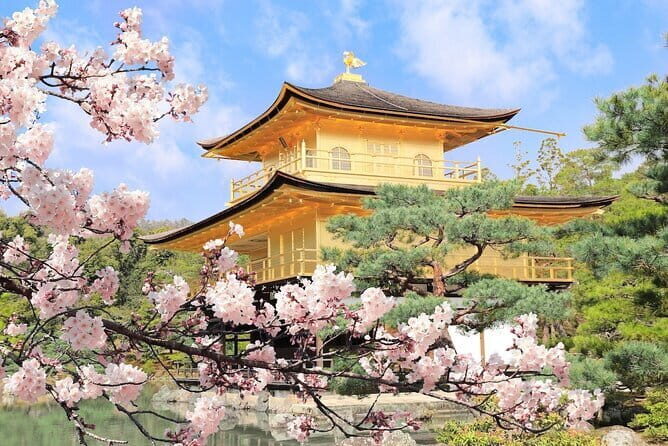
Kiyomizu-dera is famous for its wooden stage that juts out from the main hall, with panoramic views across the hills. It’s also UNESCO World Heritage, and the hall is described as being built without the use of nails, which gives the site a special engineering story alongside the spiritual one.
You’ll spend about an hour, and admission is not included. That means you should budget for tickets here, even if you don’t plan to buy anything else beyond water.
If you’re choosing what to prioritize, focus on the stage viewpoint and the main complex area first, then decide how much time you want for smaller gardens or the Otowa Waterfall. That waterfall area is tied to the tradition of drinking the sacred water for health, longevity, and success, so it’s worth a quick stop if you like doing the cultural bits.
Big-picture advice: this is a place where lighting changes fast. If the sky is clear, the view can look very different just 30 minutes later.




Gion stroll: traditional streets with real-life etiquette
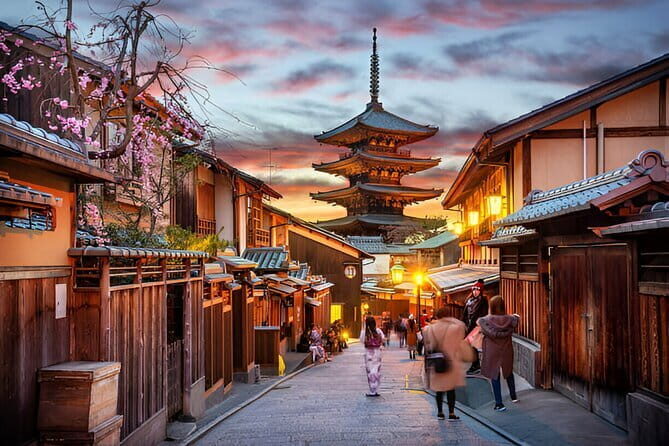
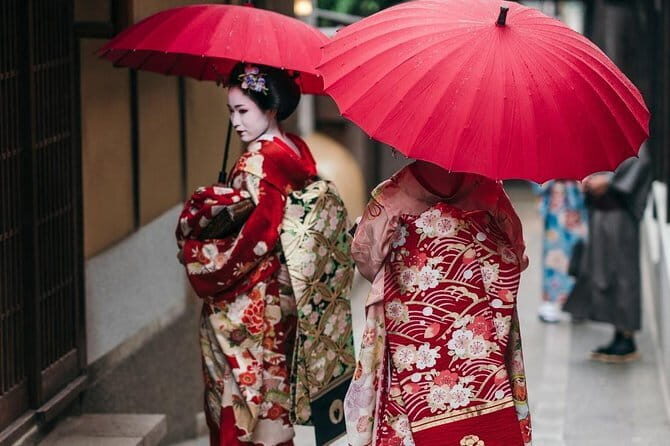
Gion is Kyoto’s famous geisha and maiko district area, and the tour gives you about an hour to wander. You’ll see well-preserved machiya townhouses, tea house streets, and the classic vibe of Hanamikoji Street lined with lanterns.
This part of the day is less about one monument and more about atmosphere. I like using this time to slow down after the temple walking rhythm. It’s also a good moment for people-watching, but keep it respectful. Don’t block doorways, don’t chase for photos up close, and give shopfronts and residents their space.
You’ll also get a feel for Kyoto beyond the temple grid, which helps the day feel like a real city visit instead of a set of photo stops.
Sanjusangendo and Ginkaku-ji: two different types of calm
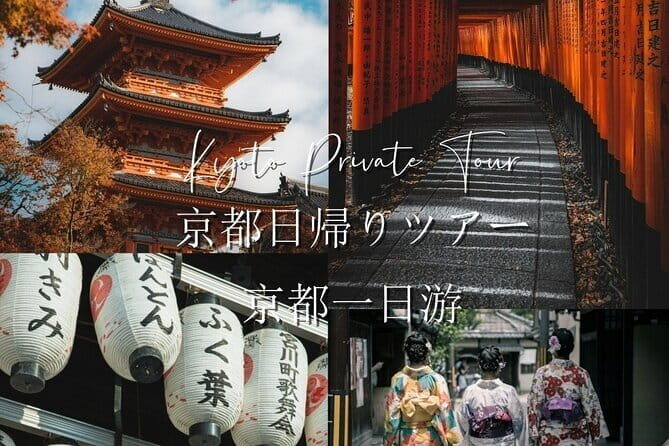
Sanjusangendo Temple is a standout because of scale and detail. You’ll see 1,001 life-sized statues of Kannon, arranged in rows on both sides of the central figure. That setup creates a strong, almost hypnotic visual effect—rows of carved faces that make you slow down without anyone telling you to.
Admission isn’t included here, and you’ll have about an hour. It’s a perfect follow-up if you like spiritual art, or if you want a quieter stop that doesn’t rely on huge crowds moving in one direction.
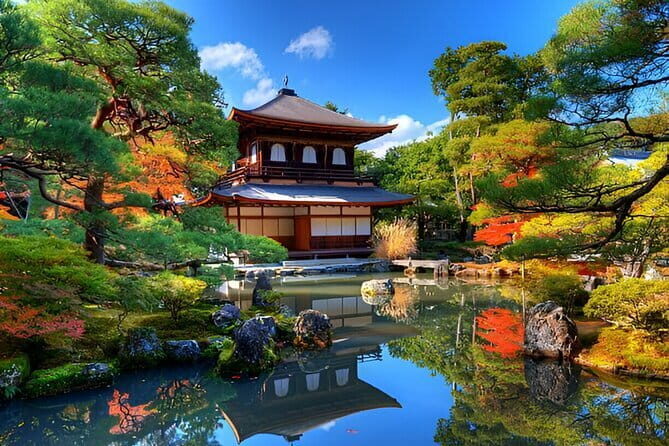
Then comes Ginkaku-ji, also known as the Silver Pavilion. The pavilion itself isn’t covered in silver, but the temple’s real charm is the garden design: the sand garden often called the Sea of Silver Sand and a moss garden with winding paths leading toward a pond. It’s a slower walk, more about composition than spectacle, and it’s a nice contrast to the torii climb earlier.
Admission is not included for Ginkaku-ji either, so plan for that cost when you budget your day.
Kinkaku-ji fits in the mix: Golden Pavilion energy
Your day plan is built around Kyoto highlights that include Kinkaku-ji, the Golden Pavilion. The draw is the gold leaf exterior that reflects light dramatically, giving you a sense of Kyoto’s classic “statement building” style.
Since entrance fees for Kinkaku-ji are listed as not included, treat it like a budget line item rather than a surprise. Also, because it’s a major name, expect crowds at peak times. A private setting helps because the driver can time movement and help you get to the right spot without fighting every queue yourself.
Nishiki Market: snacks and Kyoto kitchen shopping
Nishiki Market Shopping District is about food culture, and it’s one of the best places to spend time if you want real-life Kyoto flavors. You’ll have about an hour in this market area, which stretches across five blocks and lines up with stalls and shops.
Even if you don’t do a full shopping spree, this is where I like to graze: fresh produce, seafood, local Kyoto delicacies, and street-food style bites. It’s also a great place to pick up small souvenirs that actually make sense as edible items or kitchen-themed gifts.
Two practical cautions:
- Bring cash if you can, because market-style payments can vary.
- Keep your pace gentle; markets are crowded in narrow lanes, and you’ll enjoy it more if you stop often.
Kyoto Imperial Palace: where big history feels walkable
The Kyoto Imperial Palace grounds are set within Kyoto Gyoen National Garden, and this stop gives you a chance to see elegant architecture and ceremonial spaces tied to Japan’s imperial family era. You’ll spend about an hour here.
Admission is listed as free, which is a nice relief on the budget compared with some of the temple stops. You can look at major halls like Shishinden Hall and stroll the gardens, which are designed for a calmer walk.
One tip: treat this like a decompression stop. After temple and market walking, it’s a good time to sit for a minute, take in the grounds, and reset your legs.
What the English-speaking driver adds (and what to ask)
The tour includes an English-speaking driver, and that person is often the key to making the day feel smooth. In multiple real-world scenarios tied to this tour, drivers such as Imran and Ali were praised for being helpful with routing and showing how to reach key areas like the bamboo grove approach, the walkway bridge area, and the monkey park route.
That said, the listing does not include a separate guide, and entrance fees aren’t included for several major sites. So I recommend you ask your driver directly what they can help with:
- Basic navigation within each area (where to enter, where to aim first)
- Time-saving movement advice so you don’t waste minutes crossing back and forth
- Restaurant ideas for lunch, since lunch itself isn’t covered
If you’re picky about comfort, it’s also fair to ask about the vehicle conditions (and whether a non-smoking environment is maintained). One unhappy account mentioned smoke smell tied to a small vehicle situation, so you’ll feel better if you confirm details before you start the day.
Where the day can feel tight: timing and walking reality
This is a highlights circuit, which means you’ll be on your feet a lot. Even with travel time included, the day still spans multiple neighborhoods: Arashiyama, Fushimi Inari, Kiyomizu-dera, Gion, plus temple stops and market time.
The main risk is not that the plan is bad—it’s that the plan is popular. If you stop for every photo at every site, you can run past your time window. Your best strategy is to pick your top two photo targets of the day and treat the rest as enjoy-first, snap-second.
Also, stick to the group cap. The tour is designed for up to 6 people, and stretching beyond that can create problems on the transportation side.
Who this tour is best for
This private day trip is a strong fit if:
- You want Kyoto without train transfers from Osaka
- You’re traveling with a small group and want flexibility over rigid group schedules
- You care about a broad mix: torii shrine + hilltop temple + bamboo + markets + imperial grounds
- You’d rather spend your day watching Kyoto instead of planning it
It’s likely less ideal if:
- You want a slower, only-one-neighborhood day (this one is packed)
- You’re trying to keep costs strictly to the listed base price (entrance fees and lunch add up)
- You have very specific vehicle comfort needs and didn’t confirm details in advance
Should you book this Kyoto highlights private tour?
I’d book it if you want a high-ROI day: top Kyoto landmarks, door-to-door pickup from Osaka, and a private setup that keeps things moving without feeling like a cattle line. The itinerary choices make sense together—Arashiyama for atmosphere, Fushimi Inari for Kyoto icon status, Kiyomizu-dera for viewpoint drama, Gion for cultural street wandering, plus market and imperial palace to round out the day.
Skip it or at least confirm details first if you’re budget-sensitive on entrance fees and lunch, or if your comfort needs are specific. Since several major sites charge entry and vehicle conditions were mentioned in one negative account, you’ll feel better if you ask questions before departure.
If you want Kyoto in one day and you value convenience, this is a practical way to get it done.
FAQ
How long is the Kyoto highlights tour?
The tour runs about 8 to 10 hours, and travel time is included in the total duration.
What’s the group size limit?
It’s a private tour for only your group, with a maximum of up to 6 people.
Do I get pick-up and drop-off in Osaka?
Yes. Pickup is offered from anywhere in Osaka, and the tour includes both pickup and drop-off.
Is there an English-speaking driver?
Yes. The tour includes an English-speaking driver.
Are entrance fees included for the temples and sites?
No. Entrance fees are listed as not included for multiple stops, including Kiyomizu-dera, Arashiyama, Sanjusangendo, Kinkaku-ji, and Ginkaku-ji. Some other stops are listed as free.
Is lunch included?
No. Lunch is not included.
Does the tour use a mobile ticket?
Yes. A mobile ticket is included.
Can I cancel for a full refund?
Yes. Free cancellation is available up to 24 hours in advance for a full refund.