REVIEW · OSAKA PREFECTURE
Osaka Sushi Cooking Class
Book on Viator →Operated by MatchaExperience Osaka · Bookable on Viator
Sushi skills in 90 minutes. In this Osaka Sushi Cooking Class in Suita, you get a chef-guided, small-group session where you’ll learn key sushi basics, practice rolling, and finish by eating what you made, with instruction praised in particular reviews for Kazuki Harada’s friendly professionalism.
What I love most is the way the class breaks sushi into bite-size parts you can actually repeat later at home. You’ll focus on the building blocks (rice, seaweed, fillings, and condiments) and then use those basics to make Nigiri and Maki rather than just watching.
One thing to consider: it’s only about 1 hour 30 minutes, so this is best for learning fundamentals and getting comfortable with technique, not for becoming a long-practice sushi master. Also, availability can be limited, so booking early helps.
In This Review
- Key highlights at a glance
- Osaka Sushi Cooking Class: 90 Minutes of Skills You Can Use at Home
- Meeting in Suita: Where the Class Starts and How to Plan Your Timing
- Sushi Basics: Rice, Seaweed, Fillings, and Condiments
- Nigiri Sushi Shaping: Making Rice and Topping Like a Pro
- Maki Roll Crafting With Your Favorite Fillings
- Flavor Enhancements: Wasabi, Soy Sauce, and Pickled Ginger
- Tea, Water, and the Tasting Plate You Built
- Price and Value: Is $78.04 Worth It?
- Who Should Book This Osaka Sushi Cooking Class
- Should You Book This Osaka Sushi Cooking Class?
- FAQ
- How long is the Osaka Sushi Cooking Class?
- What is the price per person?
- Where is the meeting point?
- Do I get a mobile ticket?
- What’s the maximum group size?
- What’s included in the class?
- Is alcohol included?
- What will I learn to make?
- What is the cancellation policy?
Key highlights at a glance
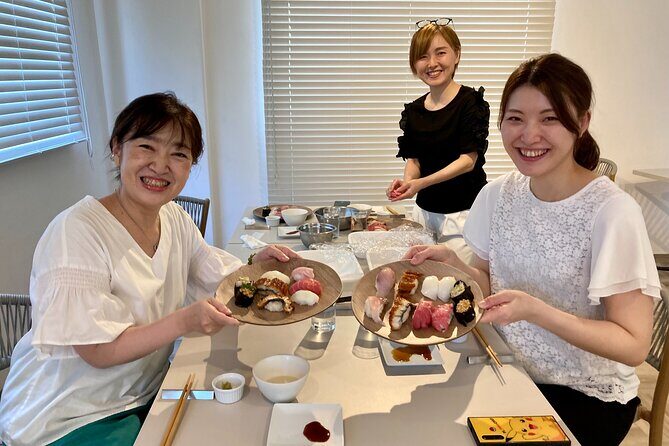
- Chef instruction from Kazuki Harada: praised for both skill and personality
- Small group size (max 8): more hands-on time and less waiting
- You make Nigiri and Maki: rice shaping plus rolling with fillings
- Flavor lessons included: wasabi, soy sauce, and pickled ginger are part of the training
- Included green tea and water: simple, focused, and included with the class
- Short, efficient format: about 90 minutes from start to tasting
Osaka Sushi Cooking Class: 90 Minutes of Skills You Can Use at Home
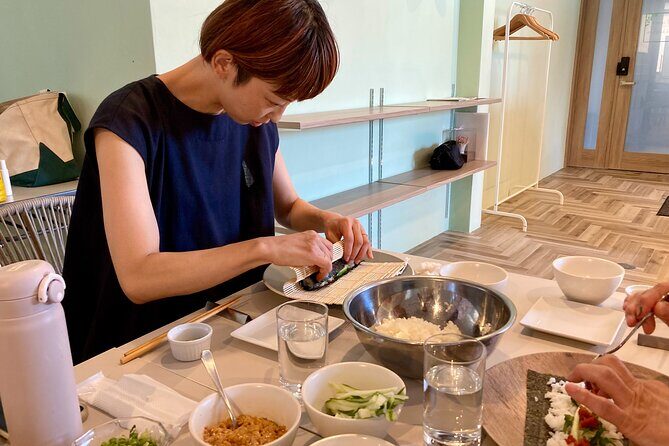
If you’ve ever looked at a sushi tray and thought, I could never do that, this class is designed to change that mindset fast. It’s a straightforward hands-on cooking session in Osaka Prefecture, run by MatchaExperience Osaka, where you’re guided step by step through sushi basics and then put those basics to work making your own nigiri and maki.
The big advantage here is pace with purpose. The format is about 1 hour 30 minutes, so it doesn’t drag. At the same time, it’s long enough for you to learn the core moves: prepping and understanding sushi rice, shaping nigiri, rolling maki, and tasting the results. And because the group max is 8, you’re not stuck waiting for a turn.
One more real-world win: this class doesn’t treat sushi as magic. You’re taught why each element matters—rice texture, seaweed role, filling choices, and how condiments affect taste—so the next time you buy ingredients, you’ll know what you’re aiming for. In the reviews, the instructor Kazuki Harada is singled out for being both professional and genuinely encouraging, which matters when you’re doing messy handwork like rice shaping and rolling.
You can also read our reviews of more tours and experiences in Osaka Prefecture.



Meeting in Suita: Where the Class Starts and How to Plan Your Timing
The class starts at 3-chōme-35-5 Tarumichō, Suita, Osaka 564-0062, Japan, and it ends back at the meeting point. That simple loop is nice: you can show up, learn, eat, and be done without planning a longer route through the neighborhood.
Logistically, you should expect it to be easy to reach. The tour is described as being near public transportation, which helps if you’re already bouncing around Osaka. You’ll also receive confirmation at booking time, and the experience offers a mobile ticket—useful if you want less paper and less fuss on the day.
Timing-wise, treat it like a mini food appointment. The duration is around 1 hour 30 minutes, and the class includes both making and tasting. If you’re scheduling around it, I’d avoid stacking another major activity immediately afterward, just to give yourself breathing room in case you need a quick restroom stop or want time to walk off the tea-and-taste combo.
Sushi Basics: Rice, Seaweed, Fillings, and Condiments

Before you touch the roll or form nigiri, you get the foundation. This matters more than people think. Sushi isn’t one recipe—it’s a system. The class covers the building blocks: rice, seaweed, fillings, and condiments. The chef explains why each element matters for flavor and texture, not just what to do.
Here’s what that means in practical terms. Sushi rice is the core texture. If the rice isn’t handled with care, everything else feels off—your nigiri won’t hold, and your rolls can become loose. Seaweed plays a structural role in maki rolls, so you’re learning what it’s supposed to do, not just when to add it. Fillings are about balance and personal preference; you’ll roll with your favorite fillings, which is one of the most fun parts of the experience.
Then comes condiments: wasabi, soy sauce, and pickled ginger. Even if you think you already know these, training you on how they fit together helps. A lot of people drown the sushi in soy sauce. The class frames condiments as tools for enhancing, not overpowering, so you taste more clearly.
By the time you start shaping and rolling, you won’t just be copying a step. You’ll understand what you’re aiming for—and that’s the real difference between a “cooking class” and a skill you can repeat.
Nigiri Sushi Shaping: Making Rice and Topping Like a Pro
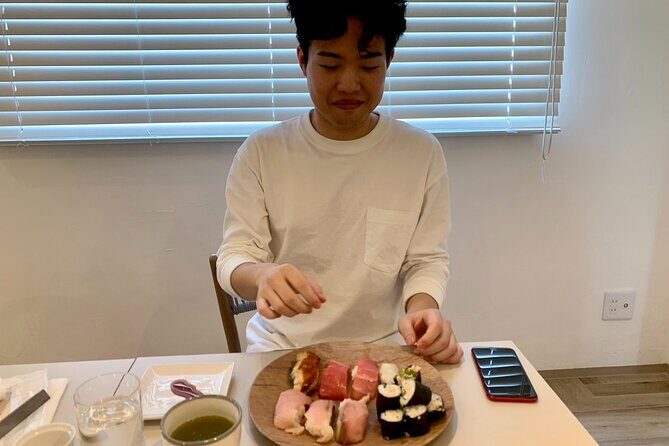
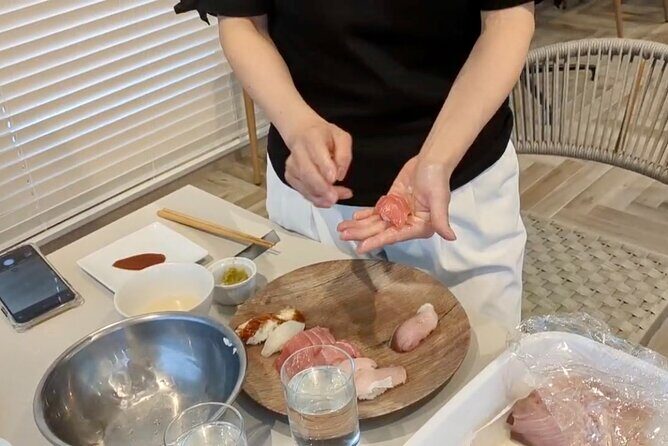
Nigiri is the classic test: rice first, then toppings. In this class, you’ll make nigiri under guidance, including shaping the rice and placing toppings. The chef shows you how to shape rice and handle toppings so it looks good and tastes right—no need to have perfect knife skills or fancy kitchen tools.
What makes this part valuable for you is the muscle memory. Rice shaping is equal parts technique and feel. You’ll practice enough to get past the first awkward moments (sticky rice, uneven pressure, and toppings that want to slide). With a small group and an instructor helping, you can fix common issues early instead of learning the hard way.
This segment also gives you a satisfying payoff. Nigiri is fast to recognize as sushi, so you’ll feel progress quickly. And when you later take your own plate during tasting, you’ll connect the work you did to the flavor outcome.
If you’re new, this is still approachable because the class doesn’t require experience level knowledge. If you’re already a sushi fan, it’s a chance to see the structure behind your favorite bites.
Maki Roll Crafting With Your Favorite Fillings
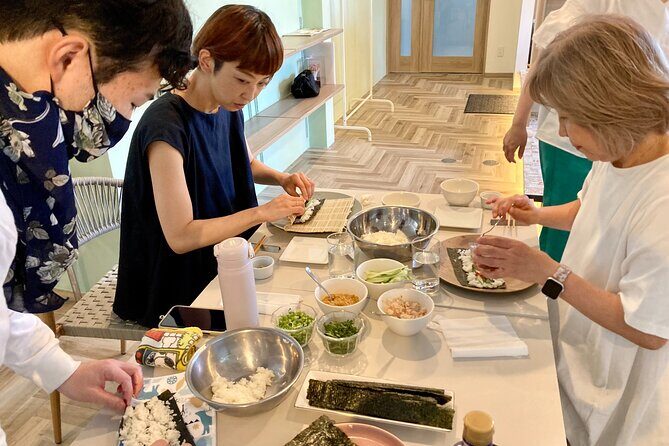
After nigiri, you’ll move into maki rolls. Rolling sushi is the part people underestimate. It’s not just “roll it and hope.” The class guides you through the process step by step so you can build a roll that holds together.
You’ll roll with your favorite fillings, which turns a technical lesson into something personal. That’s smart for your enjoyment, and it keeps the class from feeling like a generic demonstration. You get to make choices while still following technique.
Rolling is also where you learn control. The amount of filling, how you distribute it, and how firmly you roll changes the outcome. Seaweed helps with structure, but the roll still needs your handwork to stay aligned. With a group size limited to 8, you’re more likely to get quick checks and corrections as you go.
One practical tip for your mindset: don’t aim for restaurant perfection on your first try. Aim for consistency. If each roll in your practice session looks a little better, you’re learning the right lesson.






Flavor Enhancements: Wasabi, Soy Sauce, and Pickled Ginger
Once you make sushi, you need to know what to do with it. This class explicitly includes a flavor section that focuses on wasabi, soy sauce, and pickled ginger—three ingredients that can easily swing a bite from balanced to salty-and-confusing.
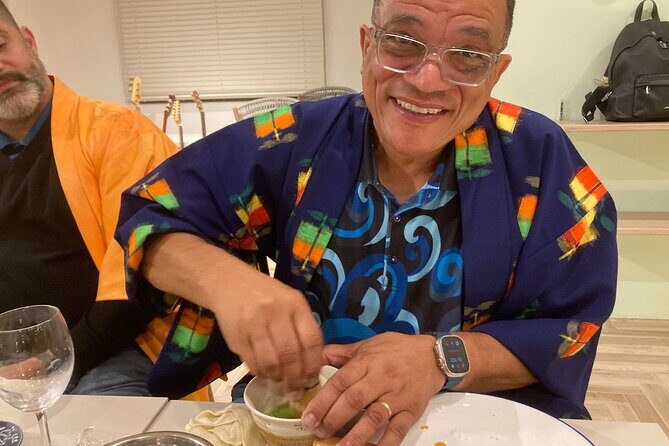
Instead of treating them as random add-ons, you’ll learn how these condiments enhance flavor. That’s especially helpful if you usually dip every bite heavily. The goal is to taste the sushi itself first, then use condiments like punctuation.
Also, the pickled ginger isn’t just there for tradition. You learn why it’s used in the sushi experience. It gives your palate a reset so you can notice differences between bites—very useful when you’re tasting your own work and want to learn what worked.
This is one of those portions that makes the lesson “stick.” You’ll leave with more than skills for rolling. You’ll also know how to eat what you make in a way that makes sense.
Tea, Water, and the Tasting Plate You Built
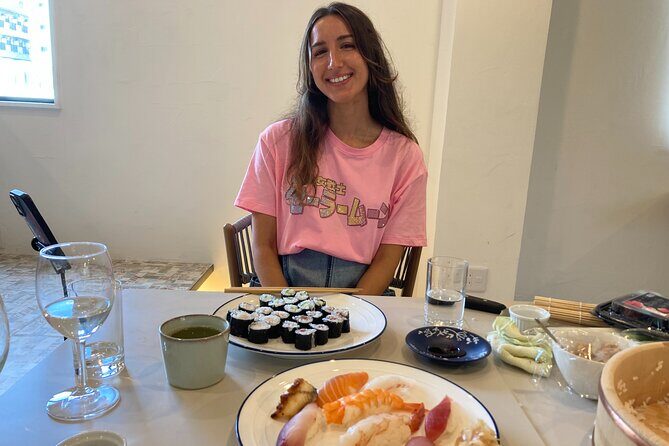
The best part of any cooking class is the moment it turns from work into reward. Here, you’ll taste a plate of self-made nigiri and maki. You’ll sample what you made and share your thoughts, which keeps the experience lively and grounded.
You’ll also be offered water and green tea, and green tea is included as part of the experience. That’s a practical combo after sushi work. It’s easy to drink, and it fits the flow of the class without turning it into a long meal.
Alcoholic beverages are not included, so the session stays focused on cooking, tasting, and learning. For most people, that’s a plus. You’ll be fully alert for technique and feedback, and you’ll get to enjoy the flavor lesson without distraction.
If you’re hungry before class, consider eating lightly beforehand. You’ll make sushi, then taste it. You don’t want to arrive stuffed and miss the fine points of your own cooking, but you also don’t want to arrive so empty that the tasting feels like a rushed sprint.
Price and Value: Is $78.04 Worth It?
At $78.04 per person, this class sits in the “short experience with real skill-building” category. The value comes from what’s included and how much time you spend doing the work.
You get ingredients and equipment, plus water and green tea. You’re not paying extra just to have basics in place—you’re paying for instruction, hands-on practice, and the chance to make nigiri and maki yourself. The duration of about 1 hour 30 minutes also helps. It’s enough time to learn core movements, but it won’t eat your entire day.
Then there’s the small-group limit of up to 8 travelers. In many classes, you get one long instructor speech and then a quick turn. Here, the structure supports more personal attention, which makes the skills more useful when you’re back home.
In the reviews, Kazuki Harada is praised for being an excellent instructor and for helping people feel confident enough to make sushi for family and friends afterward. That outcome—leaving with repeatable skills—is what makes the price feel fair.
Who Should Book This Osaka Sushi Cooking Class
This is a good fit for just about anyone who wants a real taste of Osaka food culture without signing up for a full-day commitment. The class is suitable for all levels, including beginners and sushi enthusiasts.
Beginners will like the clear sushi basics, plus the step-by-step guidance that turns intimidating technique into manageable steps. Sushi fans will appreciate that you’re not just eating—you’re learning the structure behind nigiri and the technique behind maki rolls.
It’s especially appealing if you want something memorable you can repeat later. In one review highlight, the instructor’s professionalism and personality helped someone learn enough to make sushi for family and friends. That’s exactly the kind of “use it later” value I look for.
Should You Book This Osaka Sushi Cooking Class?
Book it if you want a focused, chef-led class that teaches Nigiri and Maki basics in a small group, with tasting included. The short duration makes it easy to fit into a Japan trip, and the included ingredients, equipment, and green tea keep it straightforward.
Skip it if you’re looking for an all-day food tour, heavy culture lectures, or advanced sushi craftsmanship training. This class is about fundamentals and hands-on confidence, not a long-term apprenticeship.
Also, plan to book early. Limited availability means the spots don’t sit around forever.
FAQ
How long is the Osaka Sushi Cooking Class?
The class runs for about 1 hour 30 minutes.
What is the price per person?
The price is $78.04 per person.
Where is the meeting point?
The meeting point is 3-chōme-35-5 Tarumichō, Suita, Osaka 564-0062, Japan.
Do I get a mobile ticket?
Yes, the experience includes a mobile ticket.
What’s the maximum group size?
The class has a maximum of 8 travelers.
What’s included in the class?
It includes water and green tea, ingredients, equipment, and green tea.
Is alcohol included?
No. Alcoholic beverages (such as Japanese sake or beer) are not included.
What will I learn to make?
You’ll learn sushi basics, make Nigiri sushi, and make Maki rolls. You’ll also taste a plate of what you made.
What is the cancellation policy?
Free cancellation is available. You can cancel up to 24 hours in advance for a full refund, based on the experience’s local time.