REVIEW · OSAKA PREFECTURE
Cook Homestyle Ramen and Gyoza from scratch
Book on Viator →Operated by Japanese Cooking Studio -WA- · Bookable on Viator
Ramen and gyoza lessons at home are rare. Here, in Osaka, you’ll cook from scratch with a small group, finish with a shared meal, and leave with recipes built for cooking again at home.
I really like two things about this experience: no instant-stock ramen (you make a chicken broth base in about 30 minutes) and the fact that you practice, not just watch. Seiki teaches with patience and energy, and the class is paced so you can actually wrap gyoza and grill them yourself.
One thing to consider: this is an active cooking class for about 3 hours, so if you want a mostly passive experience, you may feel rushed while you learn the steps for broth, toppings, and gyoza wrapping.
In This Review
- Key highlights you’ll care about
- Why This Ramen-and-Gyoza Class Feels More Local Than a Restaurant Lesson
- Getting to Senri-Chuo and Settling Into a Real Home Kitchen
- The Ingredient Briefing: What You Learn Before You Cook Anything
- Building Creamy Chicken Ramen Broth in About 30 Minutes
- Ramen Toppings and Garnishes: From Grilled Pork to Seasoned Egg
- Gyoza From Scratch: Skin, Filling, Wrapping, and Grilling
- The Shared Meal: What You Get After the Cooking
- Who This Class Suits Best (And Who Might Feel Mismatched)
- Price and Value: Is $78 Worth It for 3 Hours?
- What to Bring and How to Get the Best Results
- Should You Book Cook Homestyle Ramen and Gyoza from Scratch?
- FAQ
- Where does the class meet?
- What time does the class start?
- How long is the experience?
- How many people are in the group?
- What do we cook in the class?
- Is instant soup stock used for the ramen broth?
- Are there tips for cooking with non-Japanese ingredients at home?
- How do I get the ticket?
- What happens if I cancel?
- FAQ
- When do I get confirmation after booking?
- Can I change the booking details after purchasing?
- Where does it end?
Key highlights you’ll care about
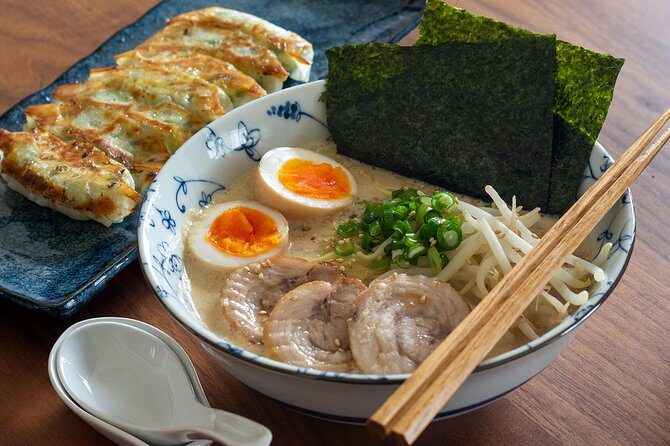
- Senri-Chuo start + short walk to a home kitchen, so you get local feel fast
- 30-minute chicken ramen broth without instant soup stock
- Ramen toppings + garnishes made with the ingredients you prep together
- Gyoza skin, filling, wrapping, and grilling are all hands-on
- Built for real home cooking, with ingredient substitution guidance
- Small group (max 5), which helps you get help while you’re cooking
Why This Ramen-and-Gyoza Class Feels More Local Than a Restaurant Lesson
This isn’t a demo where you sit politely and hope you can remember the steps. The experience is set up like cooking with someone who wants you to succeed, step by step, from ingredient prep to the final grill.
The big win is the ramen style. You’ll make a creamy chicken broth base in about 30 minutes, using real ingredients and skipping instant soup stock. Then you’ll build the rest of the ramen the way you’d do it at home—toppings and garnishes included.
I also like the practicality baked into the class. The recipes are designed to recreate easily when you’re back home, and you’ll get guidance on which ingredients can work as substitutes if you can’t find the Japanese versions. That small detail is huge for anyone traveling and planning to cook later.
You can also read our reviews of more tours and experiences in Osaka Prefecture.



Getting to Senri-Chuo and Settling Into a Real Home Kitchen
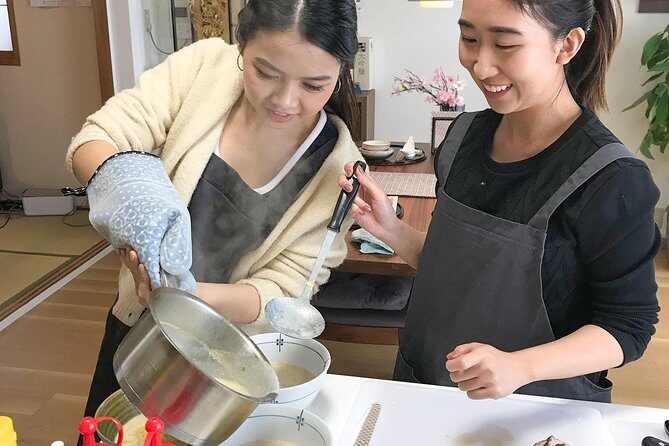
The class meets at Senri-Chuo Station, and you walk a few minutes to the kitchen. That’s a nice balance: you get a simple transit-based meetup without a complicated travel puzzle, and you still end up in a home setting.
Once you arrive, you’ll get welcome tea and a clear rundown of the ingredients you’ll use. It matters because ramen and gyoza look straightforward until you’re holding the items and realizing you need to understand what each component is doing.
With a maximum of 5 travelers, the room can feel calm. In a small group, you’re more likely to get direct help when your gyoza wrapping looks more like dumpling origami than dumplings.
The Ingredient Briefing: What You Learn Before You Cook Anything
Before the pots start, you’ll learn the basics of Japanese ingredients used for the ramen and gyoza. You’re not just memorizing names. You’re figuring out what they are and how they show up in the flavor and texture.
This part is valuable for two reasons. First, it speeds you through the class because you understand what you’re working with. Second, it makes the recipes usable later, even if you’re missing one item or two.
Seiki also offers ingredient guidance specifically for cooks living abroad. That’s the kind of advice that saves you from the disappointment of buying something that looks similar but behaves differently.
Building Creamy Chicken Ramen Broth in About 30 Minutes
Here’s the headline: you learn how to make a chicken ramen broth without instant soup stock, and you do it in about 30 minutes. For home cooks, that’s the difference between a fun lesson and a recipe you’ll actually try again on a random weeknight.
You’ll learn how to prepare the ingredients that go into the soup and how to put them together for a creamy, home-style result. Even if you’ve made broth before, ramen has its own rhythm—timing, concentration, and how the soup is meant to pair with noodles and toppings.
Practical tip: treat this portion like a process, not a final destination. If you stay focused on the steps you’re doing right now—prep, mix, cook—you’ll finish this section feeling confident instead of overwhelmed.
Ramen Toppings and Garnishes: From Grilled Pork to Seasoned Egg
Ramen tastes like “one dish,” but it’s really a set of coordinated components. In this class, you make the ramen soup and the toppings together, so you learn how each piece contributes.
You’ll prepare garnishes like grilled pork and a seasoned egg, plus other toppings. The teaching approach is meant to be repeatable: you’ll understand what to prepare, how to season it, and how it connects to the final bowl.
This matters for value. Many ramen classes focus only on broth, leaving you to guess what toppings do to the whole experience. Here, you’re building a bowl end-to-end.






Gyoza From Scratch: Skin, Filling, Wrapping, and Grilling
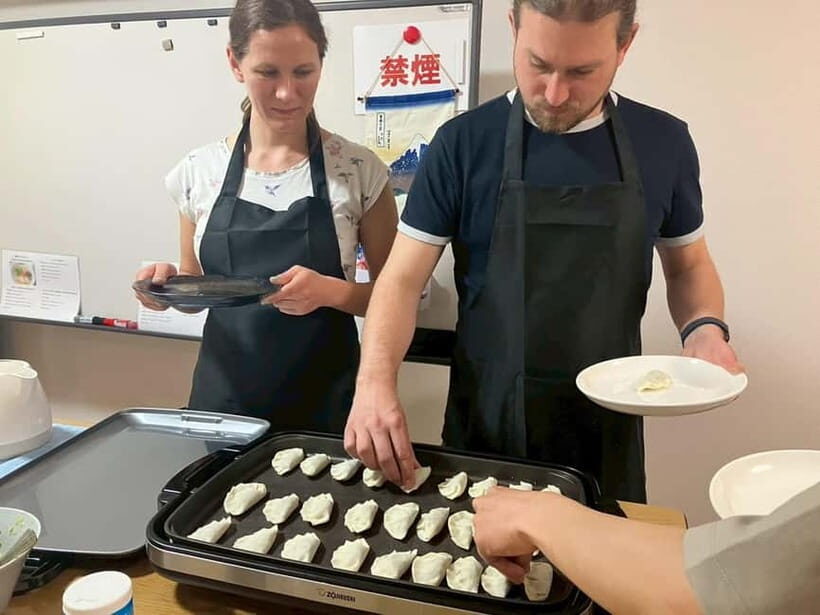
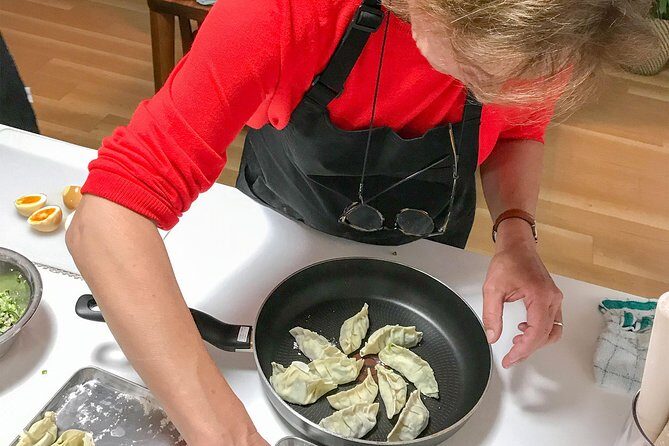
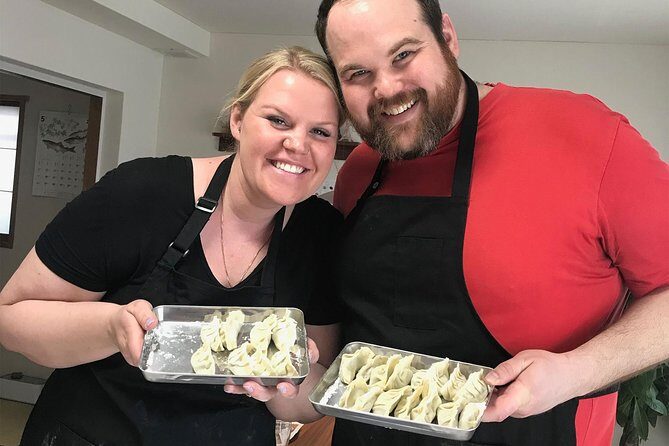
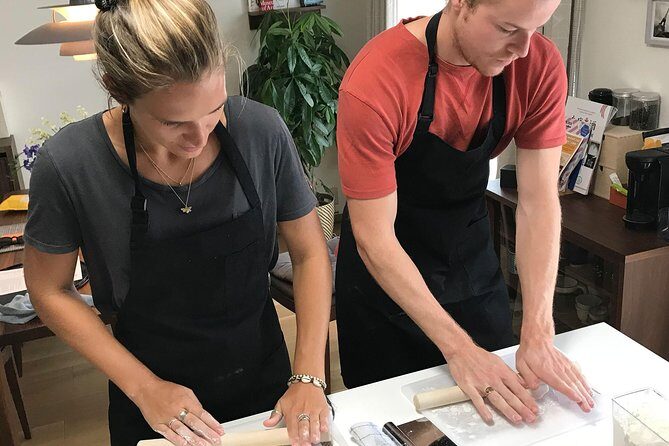
The gyoza portion is where a lot of people realize the class is hands-on in a good way. You learn to make the gyoza skin and the filling, then wrap the gyoza and grill them.
That sequence is smart. Skin first gives you control over texture. Filling next teaches seasoning and consistency. Wrapping is the craft step. Grilling is the pay-off step where all your effort turns into the crunchy-bottom result people love.
You’ll also get practice on wrapping. Even if your first few aren’t pretty, the goal is muscle memory you can bring home. And since the group is small, you’re more likely to get corrections before you lock in bad habits.
If you’re cooking with kids or teaching a family member at home later, this is a solid skill transfer. It’s visual, step-based, and satisfying—especially once the grilling starts.
The Shared Meal: What You Get After the Cooking
At the end, you eat what you cook. That means the experience doesn’t end when the final ingredient hits the cutting board. You’ll sit down, enjoy the ramen and gyoza, and chat after finishing.
This “eat together” part is more than polite. It’s where you can taste the impact of what you did during the class. When you notice how the broth works with the toppings, you’re more likely to remember what to adjust next time.
Also, sharing the meal in a small group tends to make the time feel warmer and less staged. You’ll leave with a better sense of the dishes as a full Japanese home-style experience, not just a list of recipes.
Who This Class Suits Best (And Who Might Feel Mismatched)
This is a great fit if you want:
- A practical ramen method you can repeat at home
- A complete gyoza workflow (skin, filling, wrapping, grilling)
- Ingredient understanding, not just instructions to follow once
It’s also a nice choice for families because the format is active and engaging. In real-world terms, even kids around ten and twelve can stay focused when there’s a clear step-by-step goal.
You might want to reconsider if you hate hands-on cooking. This is not a sit-and-watch culinary show. You’ll be cooking together, which can be fun—or tiring—depending on your style.
If you have dietary restrictions, you should ask in advance. The class description doesn’t spell out alternatives, so planning ahead is the safest move.
Price and Value: Is $78 Worth It for 3 Hours?
$78 sounds like a lot until you look at what you’re getting. You’re paying for a guided, small-group cooking session (max 5), in a home kitchen, over about 3 hours, with welcome tea and a full meal made from scratch.
The strongest value is the repeatability. You’re learning a chicken broth method without instant stock and learning gyoza from scratch. Skills like that don’t disappear after one night—you can cook them again at home if you want.
There’s also an efficiency benefit. The class is structured so you’re not searching the internet for substitutions, timing hacks, and ingredient replacements while cooking. Seiki’s notes on what works instead of Japanese ingredients abroad are the kind of help you’d otherwise spend hours Googling.
What to Bring and How to Get the Best Results
You don’t need fancy gear for a basic cooking class, but you do want a few mental habits:
- Arrive on time so you don’t feel behind when ingredient prep starts
- Ask questions early while the ingredients are still in front of you
- Take small notes on broth timing and seasoning cues, not just final recipes
Also, watch how the class handles substitutions. If you’re planning to cook after you return home, this is where you’ll learn what to replace without wrecking the flavor balance. That’s especially important for ramen, where small changes can affect the final impression.
Finally, treat the gyoza wrapping like learning a craft. Your first wraps might be imperfect, and that’s normal. The goal is that you understand the logic of the technique well enough to keep improving after the class ends.
Should You Book Cook Homestyle Ramen and Gyoza from Scratch?
If your goal is a hands-on Osaka food experience that ends with you eating real ramen and gyoza you made yourself, I’d book this. The biggest reasons are the skills: 30-minute chicken broth without instant stock and gyoza from scratch, including skin, filling, wrapping, and grilling.
It’s also a smart choice if you cook at home and want recipes that are meant for real life, including advice for substituting ingredients you can’t easily find abroad. With only up to 5 people and a patient, enthusiastic teaching style, you’re set up to succeed rather than just admire the food.
If you prefer passive experiences or don’t want to do active cooking, skip it. This is designed for people who want to get their hands involved.
FAQ
Where does the class meet?
The meeting point is Senri-Chuo Station. You’ll walk a few minutes from there to the home kitchen.
What time does the class start?
The start time is 10:00 am.
How long is the experience?
It lasts about 3 hours.
How many people are in the group?
The class has a maximum of 5 travelers.
What do we cook in the class?
You’ll make home-style creamy chicken ramen broth, prepare ramen toppings and garnishes, and make gyoza from scratch (skin and filling), then wrap and grill the gyoza.
Is instant soup stock used for the ramen broth?
No. The class teaches how to make chicken ramen broth in about 30 minutes without instant soup stock.
Are there tips for cooking with non-Japanese ingredients at home?
Yes. The lessons include suggestions for ingredient substitutes if you struggled to find Japanese ingredients while living abroad.
How do I get the ticket?
This experience uses a mobile ticket.
What happens if I cancel?
This experience is non-refundable and cannot be changed for any reason.
FAQ
When do I get confirmation after booking?
Confirmation is received within 48 hours of booking, subject to availability.
Can I change the booking details after purchasing?
The experience is non-refundable and cannot be changed for any reason.
Where does it end?
The activity ends back at the meeting point.