REVIEW · OSAKA
From Osaka: Sakai Knife Maker or Blacksmith Walking Tour
Book on GetYourGuide →Operated by Japan Tour Adventure · Bookable on GetYourGuide
Sakai is quieter than Osaka, yet sharper. This walk takes you straight into the city’s cutlery craft scene, from a sweet shop stop to a private workshop where you can watch how blades become kitchen knives. You’ll also get a hands-on sharpening technic lesson that makes the whole trip feel practical, not just observational.
The schedule is the main thing to watch: depending on the day you book (knife maker vs blacksmith), the factory experience changes, and the museum can sometimes close without notice on the 3rd Tuesday.
I like how the tour blends everyday local culture with serious craftsmanship. One highlight is the included mochi shop break, where you’ll taste traditional sweets and learn why Sakai’s food and tools share the same idea: careful making. Another is stepping into the workshop access portion—either Yamawaki Hamono for knife making (Tuesdays and Thursdays) or the blacksmith forge area with Eric Chevallier’s hands-on forging (Wednesdays). Just know you won’t see both crafts in the same visit, so pick the day that matches your top interest.
In This Review
- Key things to know before you go
- Getting to Sakai’s knife district from Osaka
- The mochi shop stop: why the sweets fit the theme
- Sakai Traditional Crafts Museum and Knife Shop: the “why” before the “how”
- Yamawaki Hamono (Tuesdays and Thursdays): ordering a custom knife in motion
- DeSakai Blacksmith workshop (Wednesdays): forged with Eric Chevallier’s hands
- The March 6 to April 6, 2026 schedule note
- Learning Japanese sharpening: what you’ll actually use at home
- Walking the Sakai craft district: small stops, real atmosphere
- Custom knife ordering: how to shop without regret
- Price and value: what $64 gets you in the real world
- Language and group reality: English is solid, French depends
- Who should book this tour (and who might not)
- Should you book the Sakai knife maker or blacksmith walking tour?
- FAQ
- How long is the tour?
- Where do I meet the guide?
- Which day is the knife maker versus the blacksmith?
- Can I get a French-speaking guide?
- Is the tour good for single travelers?
- What’s included besides the workshops?
- Do I need to bring anything?
- What if the museum closes on the 3rd Tuesday?
Key things to know before you go
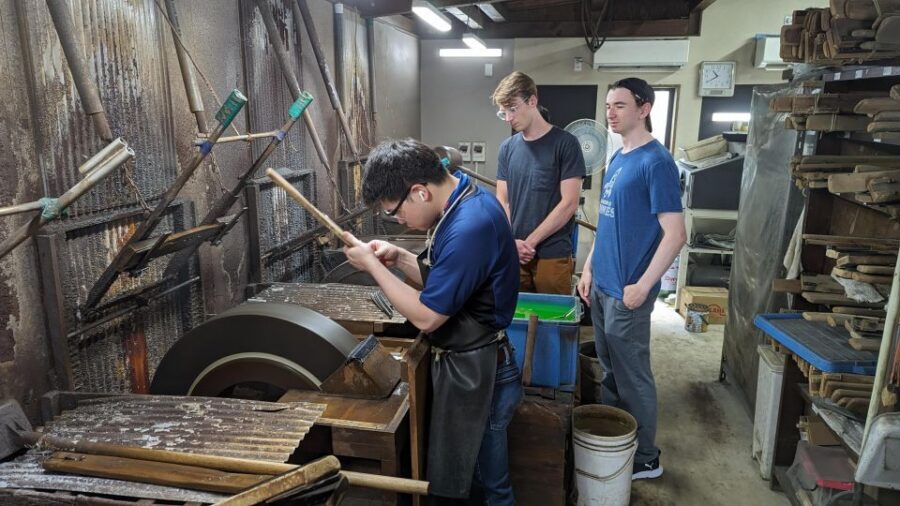
- Day-of-week craft access matters: Tuesdays/Thursdays are Yamawaki Hamono knife-making; Wednesdays are the blacksmith experience with Eric Chevallier.
- You start with sweets in a real shop (not a demo): an included snack at 八百源来弘堂本店 plus tasting time.
- Museum stop explains what Sakai is famous for before you go backstage to the cutting-tool makers.
- You learn sharpening the traditional way during the tour, not just “here’s a blade.”
- Optional custom knife ordering: you can place an order for a knife you can watch being made.
Getting to Sakai’s knife district from Osaka
The tour meets at Nankai Sakai Station, which is south of Osaka. That’s handy: you’re not wrestling with multiple transfers or a confusing remote pickup. From there, you’ll start with an easy, local-feeling routine before the craft heavy lifting begins.
This matters because Sakai isn’t a theme-park “knife museum town.” It’s working neighborhood-craft territory. The walking time is short between stops, and the day keeps a steady rhythm: local shop first, then learning, then the workshop access portion where you’ll actually see the tools being formed and finished.
Wear comfy shoes. You’ll be on your feet for several segments, and you’ll want the freedom to browse during the shopping time without rushing.
You can also read our reviews of more walking tours in Osaka


The mochi shop stop: why the sweets fit the theme
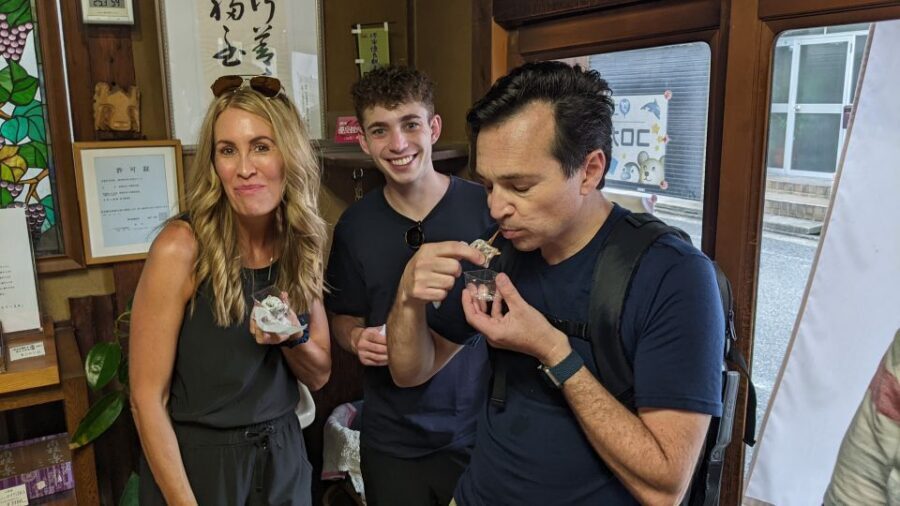
Before you think knives, the tour slows you down with a traditional sweets shop stop at 八百源来弘堂本店. You’ll get a photo stop and tasting time, plus the tour includes one sweet.
I like this first break because it puts you in the right mindset. Knife making in Sakai is about process—heat, repetition, patience, and finishing. Mochi is the same type of discipline in a food form. And from what I’ve learned from guides on this kind of route, the best way to understand a craft town is to see how it behaves in everyday life, not just inside a factory door.
Expect flavors like cinnamon mochi and even poppyseed mochi in the tasting line-up, depending on what’s being served that day. If you have a sweet tooth, this is one of the easiest “yes” moments of the whole trip.
If you’re sensitive to sugar, don’t panic—this is one included sweet plus optional extra purchases if you want them. You’re not stuck with a sugar overload.
Sakai Traditional Crafts Museum and Knife Shop: the “why” before the “how”
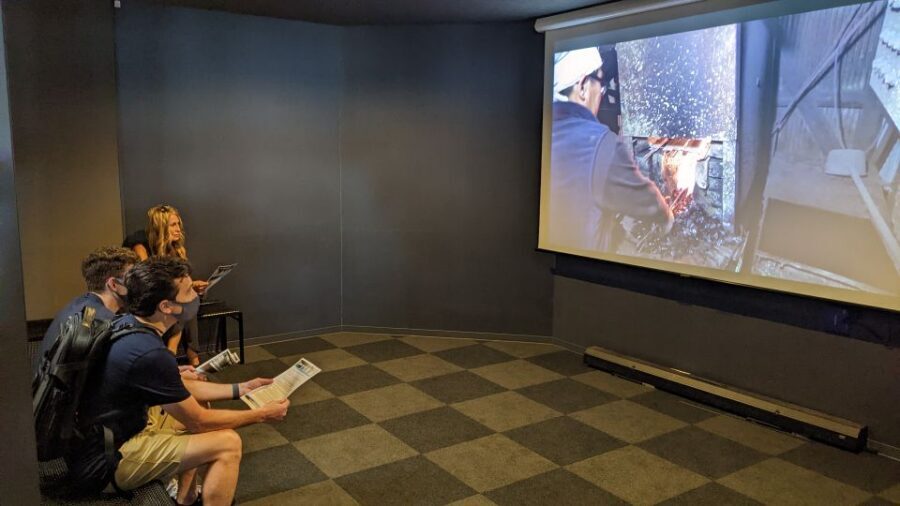
Next comes the Sakai Traditional Crafts Museum and Knife Shop, where you get a guided or self-guided understanding of how Sakai became known for cutlery. The museum angle is valuable because it gives you context for what you’re about to see in private workshops.
This is also where you’ll start spotting the design logic. Japanese kitchen knives aren’t just sharp. They’re shaped for control, edge geometry, and long-term performance. Even if you’re a casual cook, the museum part helps you notice the difference between a tourist blade and a tool made for repeated use.
One important wrinkle: every 3rd Tuesday the museum has an inventory and may close without notice. If that happens, your guide will adapt by taking you directly to the knife company and weaving the cutlery history into the walk and at the office. So you won’t lose the storytelling—your route just shifts.
Yamawaki Hamono (Tuesdays and Thursdays): ordering a custom knife in motion
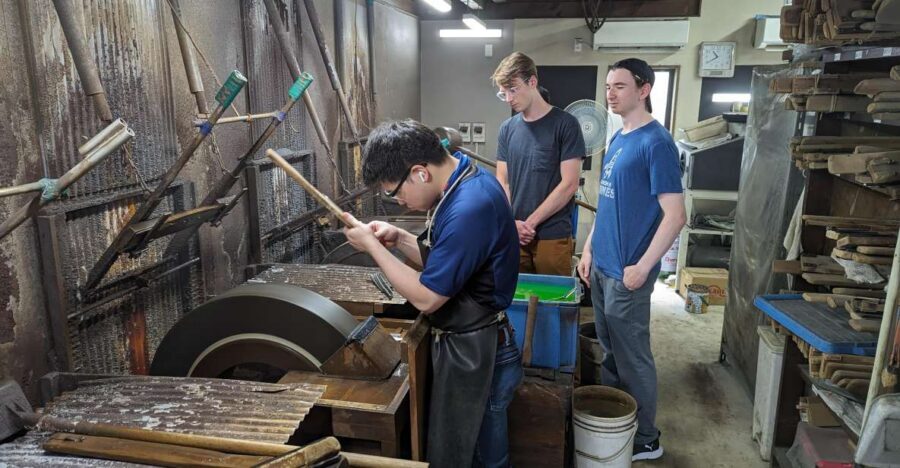
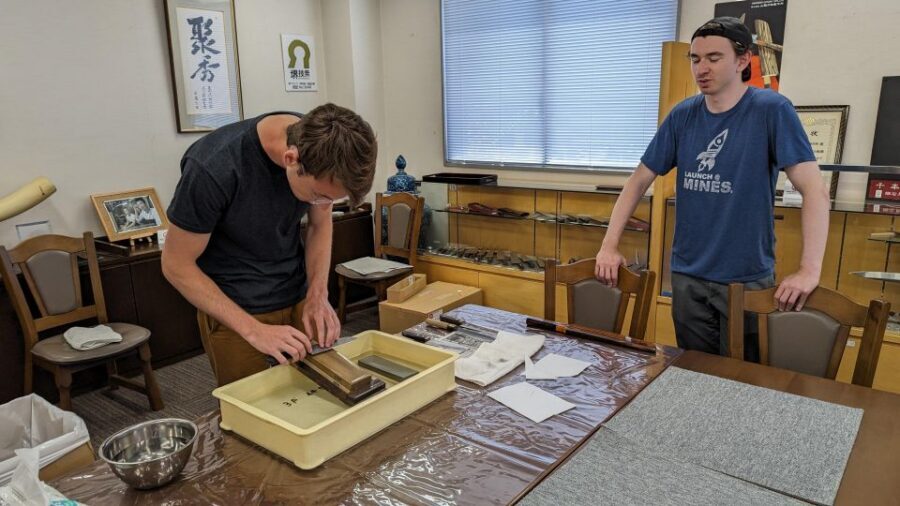
On Tuesdays and Thursdays, you’ll visit the knife-making company 山脇刃物製作所 (Yamawaki Hamono). This is the “knife maker” version of the tour, and it’s where the word backstage becomes real.
Here’s what you can expect:
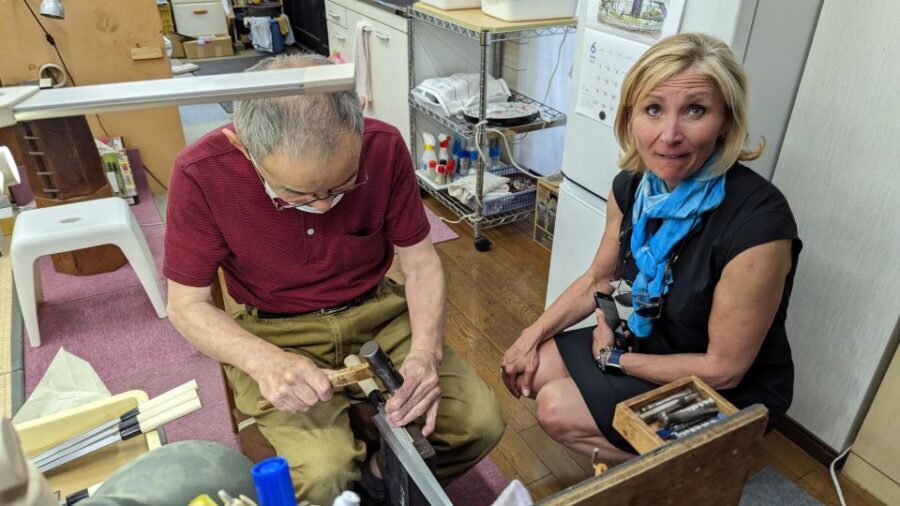
- You’ll get access to the knife-making company area with a focus on how blades become proper handmade cooking knives.
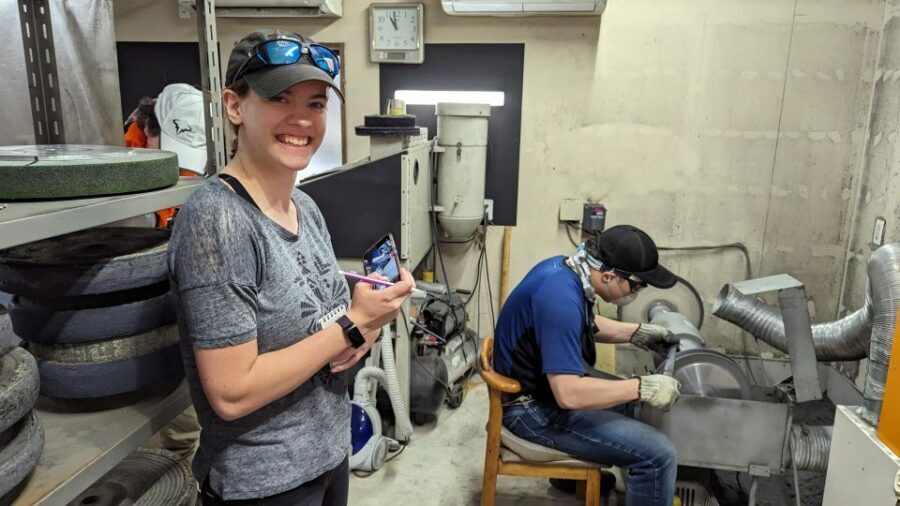
- You’ll see a sharpening-related area and the main office space used in the production flow.
- You learn and practice traditional sharpening techniques with a trained guide.
- You may have the chance to order your own customizable knife, and you can watch the process happening around you.
For me, the value in the Yamawaki day is the “watch it happen” feeling. You’re not just buying at the end. You’re learning enough about process to ask better questions when you see the finishing options.
Also, pay attention to the timing and how the order process works for your specific day. The tour includes time for shopping and the custom order option, but you still should treat the workshop portion like a live demonstration: ask questions, then decide when it’s right for you.
DeSakai Blacksmith workshop (Wednesdays): forged with Eric Chevallier’s hands
On Wednesdays, the tour shifts gears and goes blacksmith. The highlight is exclusive access to the blacksmith workshop at Forge DeSakai cutlery, with detailed instructions from the blacksmith himself, Eric Chevallier.
If you love craft process, this day hits harder. Blacksmithing is loud work—heat, strikes, and shape. It’s also direct. You don’t just see tools; you see decisions made in real time.
A standout moment for many people: being given a chance to hammer down glowing steel as part of the process. That’s not just a gimmick. It’s the fastest way to understand why metalworking isn’t “just strength.” You’re learning timing, force, and how shape evolves with each pass.
If you’re comparing the two options and you want the most hands-on forging feel, Wednesdays are the play.



The March 6 to April 6, 2026 schedule note
From March 6, 2026 to April 6, 2026, the tour is blacksmith only. The message is clear: during that window, you’re going for the forge experience. Tuesdays and Wednesdays still run, but at the blacksmith rate; the tour also notes a discount using the knife maker rate. So if those dates fit your trip, plan around forge access first.
Learning Japanese sharpening: what you’ll actually use at home
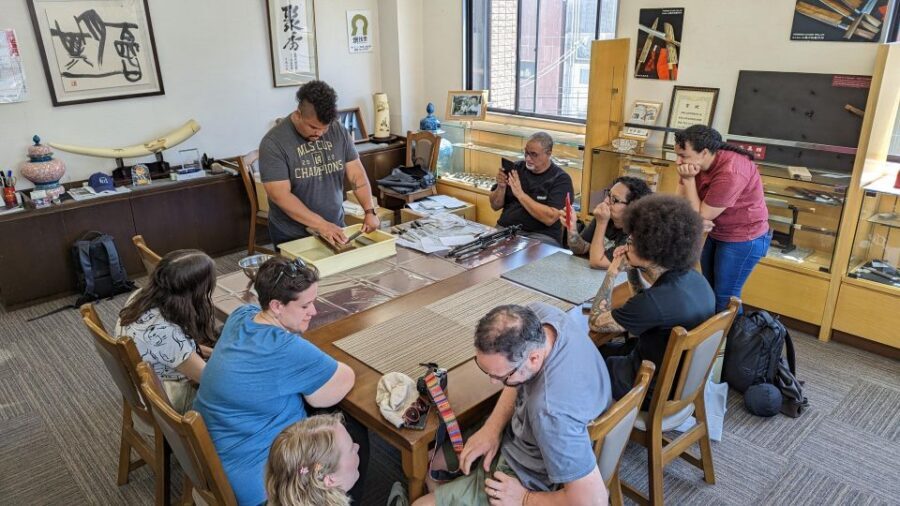
The sharpening lesson is a core reason to book this tour, even if you don’t buy a knife. The included technic session teaches you how sharpening works in a traditional Japanese way, with a guide and hands-on practice.
Why this matters: a lot of people buy a “good” knife, then ruin it with the wrong maintenance routine. Even one bad approach—too much pressure, incorrect angle, inconsistent strokes—can damage performance.
On this tour, the sharpening technic lesson is timed to connect directly to what you’ve seen in the workshops. That’s the smart sequence: you watch the craft, then you learn the care.
Practical tip: if you’re planning to bring your own knife later, jot down what angle and motion your guide emphasizes. Even if you never copy it perfectly at home, the lesson helps you avoid the worst mistakes.
Walking the Sakai craft district: small stops, real atmosphere
Between the big craft moments, you’ll walk through the Sakai area in short segments—enough to connect the places, not enough to drain you. You’ll also have photo stops, and you’ll get shopping time at the craft locations.
This is one of the quieter values of the tour. You’re not sprinting between “checkpoints.” You’re moving like someone exploring a neighborhood, with the guide pointing out what makes the area special.
If you like local side errands, this also pays off. People have praised the guide’s restaurant suggestions on the way back, which can make your Sakai evening feel more local and less like you’re guessing.
Custom knife ordering: how to shop without regret
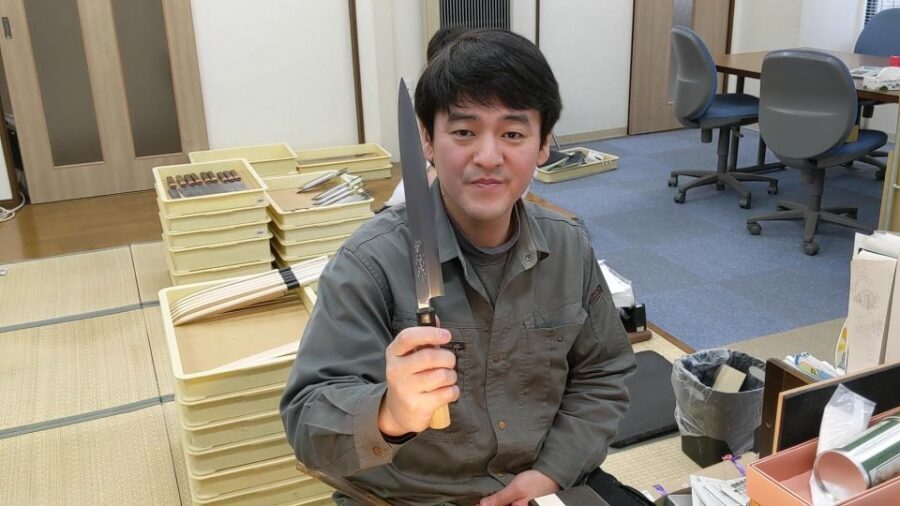
The tour includes optional time to order a customizable knife. That can be exciting, but you’ll get better value if you approach it with a plan.
Here’s how I’d think about it:
- Decide your real use: daily prep needs vs special cutting tasks.
- Consider whether you want a knife for feel (balance, comfort) or for performance (edge behavior).
- Ask about care and sharpening expectations, because the tour covers sharpening technic for a reason.
You’ll also have shopping time at the craft stops, so you may see ready-to-buy items. The tour’s advantage is that you’re learning enough context to evaluate materials and finish.
One more point: bringing your ID (passport or ID card) is listed as part of the “know before you go,” so don’t forget it if you plan to order.
Price and value: what $64 gets you in the real world
At $64 per person for about 210 minutes, you’re paying for access plus instruction. This isn’t just a stroll and a photo op. Your day includes:
- A guided walk from Nankai Sakai Station
- An included sweet at 八百源来弘堂本店
- Time at the Sakai Traditional Crafts Museum and Knife Shop
- Private workshop access at either Yamawaki Hamono (Tues/Thurs) or Eric Chevallier’s blacksmith space (Wednesdays)
- A sharpening technic lesson
- Optional custom knife ordering
For many people, the real value is that you see the craft process close up and learn the maintenance side that protects your investment. If you were going to do this on your own, you’d likely spend time finding the right makers, plus you’d lose the structured explanation and the sharpening practice.
Is it a bargain if you’re only looking for “sightseeing”? Maybe not. But if you’re even slightly knife-curious—or you cook and want better tools—this price starts to make sense fast.
Language and group reality: English is solid, French depends
The tour runs with a live guide in English, and sometimes French is available. The important detail is that French speaking guides can’t be guaranteed on shared tours. If French is important to you, contact ahead to confirm availability.
This matters for two reasons:
- The workshops are hands-on. Having instructions in the right language makes participation smoother.
- You’ll likely want to understand fine details about sharpening angles and the craft process.
If French isn’t confirmed, you still should expect a smooth experience in English.
Who should book this tour (and who might not)
This works best if you fall into one of these groups:
- You love kitchen tools and want to understand why Japanese knives are different.
- You’re curious about craft process and want workshop access, not just storefront browsing.
- You cook at home and you’d like to improve knife care with a real sharpening lesson.
- You’re traveling with a partner who’ll actually enjoy a technical, hands-on day.
You might think twice if:
- You only want a quick, light “tour bus style” afternoon.
- You’re set on seeing both knife-making and forging in the same visit. The day you choose determines the focus.
Should you book the Sakai knife maker or blacksmith walking tour?
Yes—if you pick the right day for the craft you care about. I’d choose Wednesdays for forging with Eric Chevallier and the glowing-steel hammering moment. I’d choose Tuesdays or Thursdays for the knife-making experience with 山脇刃物製作所, including the option to order a customizable knife while watching the process.
Book it even if you don’t plan to purchase a knife, because the included sharpening technic lesson is the kind of practical knowledge that sticks. Add the mochi shop stop and museum context, and the day feels like a real Sakai craft itinerary—not a sales pitch.
One last check: if your dates include the 3rd Tuesday, keep flexible expectations about the museum closure possibility. Your guide is set up to adjust, but your exact order of stops may shift.
FAQ
How long is the tour?
The duration is about 210 minutes.
Where do I meet the guide?
You meet at Nankai Sakai Station (the meeting point may vary depending on the option booked).
Which day is the knife maker versus the blacksmith?
Tuesdays and Thursdays are for the knife maker (Yamawaki Hamono). Wednesdays are for the blacksmith experience (Forge DeSakai with Eric Chevallier).
Can I get a French-speaking guide?
All guides can speak English. Some guides can also speak French, but French cannot be guaranteed on shared tours. Contact ahead to confirm for your date.
Is the tour good for single travelers?
Single travelers can book directly, but there is a 2 guests minimum rule. If it doesn’t reach that minimum, the session might be canceled and you’ll be notified with options for rescheduling or a full refund.
What’s included besides the workshops?
You’ll get 1 sweet at the sweet shop, shopping time, access to the knife factory/workshops, and a knife sharpening technic lesson. You can also opt to order a customizable knife.
Do I need to bring anything?
Bring a passport or ID card.
What if the museum closes on the 3rd Tuesday?
Every 3rd Tuesday, the museum can close without notice due to inventory. If it closes, your guide will take you directly to the knife company and still include the cutlery history while walking and at the office.