Osaka hits different when you stop treating it like Tokyo’s little cousin. This guided walking tour is a smart, fast way to get a real feel for Osaka’s merchant history and modern street life in one go. Two highlights I really like are the high Harukas viewpoint and the food-focused stops around Kuromon and Doguyasuji, where you see how the city shops and eats. One thing to consider: it’s mostly walking with a few public-transport hops, so comfortable shoes matter a lot.
I also like that the experience leans on a live guide who tells the stories behind each neighborhood, not just dates and facts. People in my tour groups (for example, I’ve heard guides like Ferdinand, Kevin, and Oisin shaping the pace with history and fun side-notes) tend to leave with an Osaka “map in their head.” The main drawback is simple: there’s no sit-down food stop, so you’ll need to buy snacks on your own if hunger hits.
In This Review
- Key Takeaways Before You Walk
- Getting Oriented Fast with a Local Guide
- Osaka Castle Park: The Big Exterior and the Almost-Heist Story
- Tsuruhashi’s Korea Town: Pre-War Streets You Can’t Google
- Harukas 300: High Above Osaka Plus an Underground Food Hall
- Shinsekai: Old Osaka That Feels Slightly Frozen in Time
- Namba and Dotonbori: Neon Fun with Useful Side Streets
- Kuromon Ichiba and Doguyasuji: Market Reality Meets Kitchen Culture
- Is $59 Worth It for a 4-Hour Osaka Loop?
- Logistics That Actually Matter on Tour Day
- What This Tour Feels Like in Real Life
- Who Should Book This Walking Tour?
- Should You Book This Guided Walk?
- FAQ
- How long is the Osaka Main Sights and Hidden Spots Guided Walking Tour?
- Where do I meet the guide?
- What’s included in the price?
- Do we go inside Osaka Castle?
- Is food included during the tour?
- Do I need to buy subway tickets?
- What if it rains?
- Is pickup available?
- What languages are the live guides available in?
Key Takeaways Before You Walk
- Osaka Castle Park exterior, not the inside: you’ll still get the big historic setting and context.
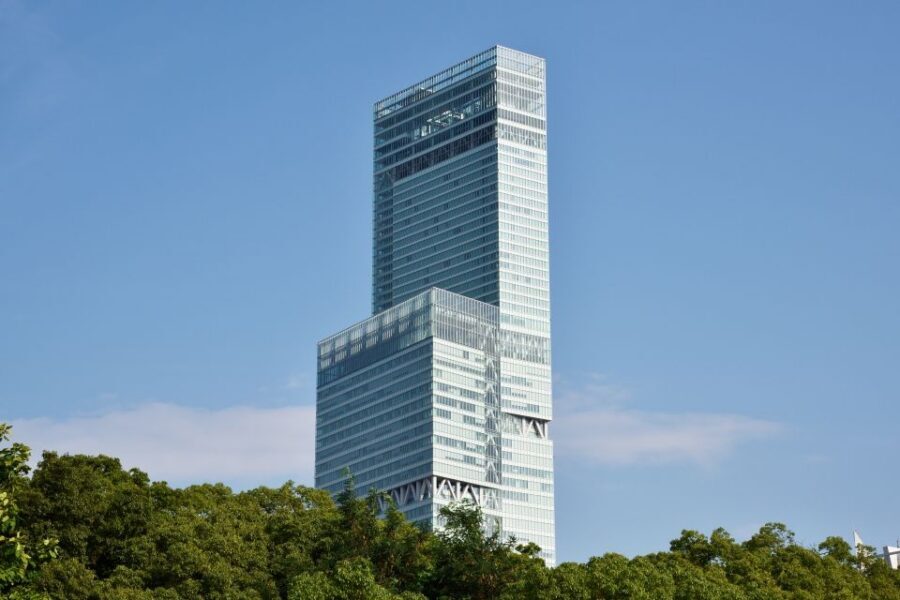
- Views from Abeno Harukas plus an underground food hall stop you can browse at your own pace.
- Tsuruhashi Korea Town: narrow alleys and pre-war commercial energy without the tourist crowds feeling too staged.
- Namba and Dotonbori: the “do-not-miss” neon/restaurant zone, but with back-street context.
- Kuromon Ichiba and Doguyasuji: seafood market rhythms and a kitchen-shopping street of wax food models and noren curtains.
Getting Oriented Fast with a Local Guide
Osaka can be confusing at first—train stations look similar, streets split quickly, and the city’s personality is… loud. This tour solves that with a clear route and a guide who explains what you’re seeing as you walk. It’s built for people who want to get their bearings fast and stop guessing what matters.
What makes it work is the balance: you get “big sign” sights like Osaka Castle Park and Dotonbori, but you also move through neighborhoods that explain why Osaka became Osaka in the first place. In guides like Ferdinand, Kevin, and Oisin’s hands, the storytelling tends to connect daily street scenes to older Osaka culture—merchant life, nightlife, and the way people use food and shopping as a social language.
The pace is active, but it doesn’t feel like a forced march. In many groups, guides slow down when questions pop up or when the weather turns. Still, expect time on your feet, plus a few short public-transport rides—plan around that, not after it.
You can also read our reviews of more walking tours in Osaka

Osaka Castle Park: The Big Exterior and the Almost-Heist Story
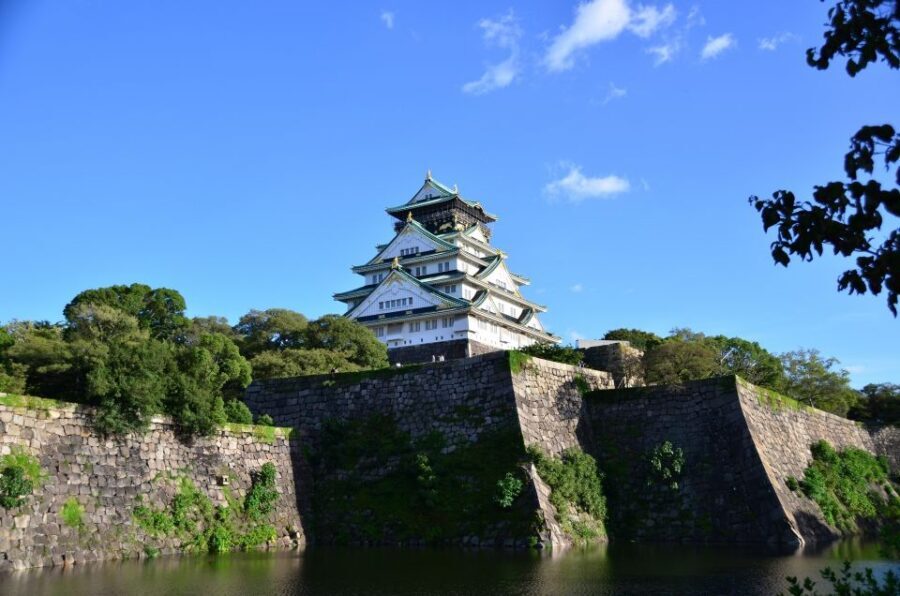
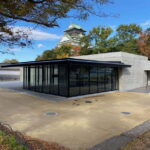
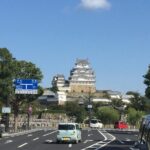
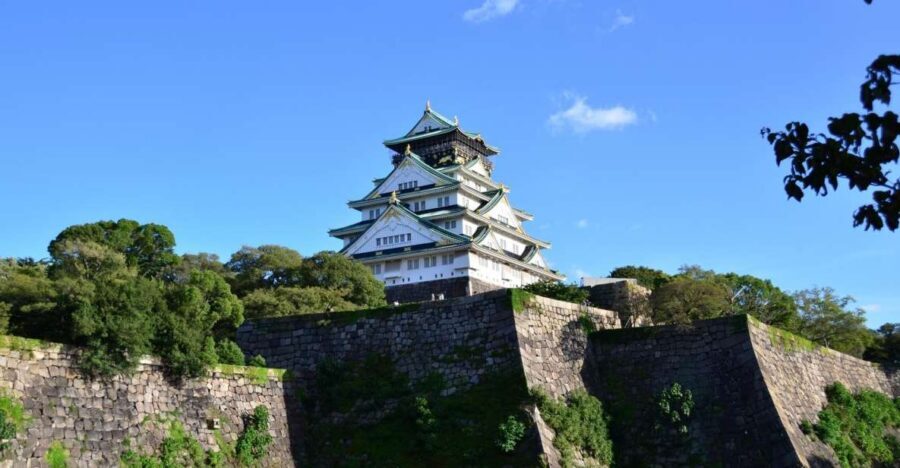
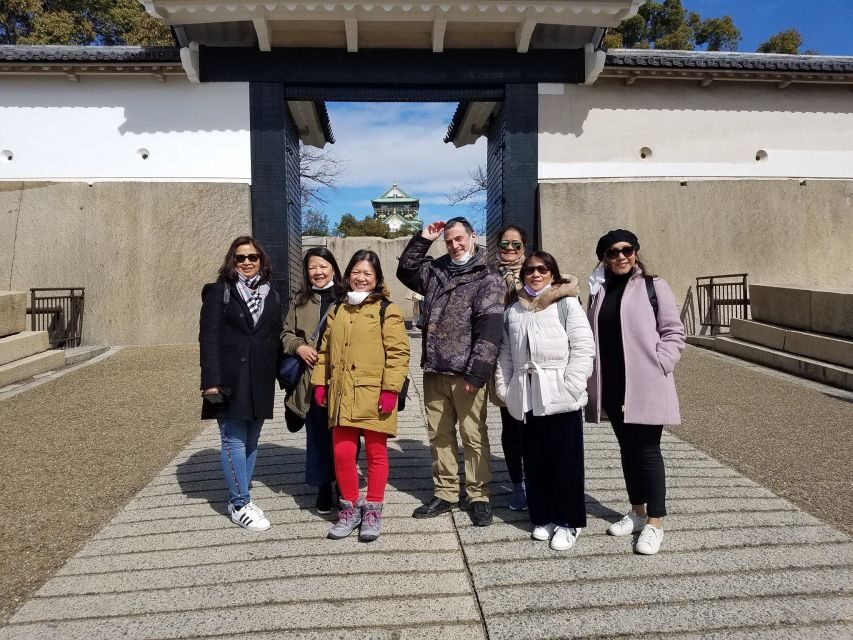
You start with Osaka Castle Park, focusing on the grand exterior and the surrounding park rather than going inside the castle. For a first-time visitor, that’s a smart choice. You get the scale and drama without spending your limited tour time in a ticket line or museum rooms you might skip later.
The guide also frames Osaka Castle as more than a photo spot. You’ll hear the history thread—how the castle was a power center and how it was almost robbed about 400 years ago. That sort of story makes the physical place easier to read: you start noticing defensive layout, the sense of stronghold, and why the site still matters.
One practical note: Osaka Castle Park is outdoors. Even if the tour is rain or shine, park-weather can change how enjoyable it feels, so bring a light layer and be ready for quick weather shifts.
Tsuruhashi’s Korea Town: Pre-War Streets You Can’t Google
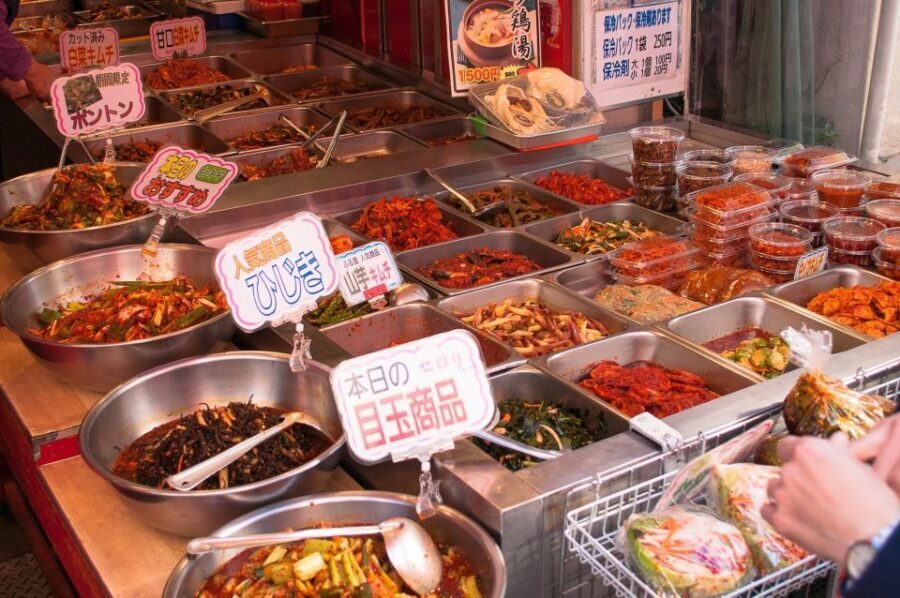
Next comes Tsuruhashi, known for its Korea Town feel—think narrow streets, older commercial blocks, and a pre-war atmosphere that’s hard to recreate on your own. This is where Osaka gets more interesting than the postcard version. The guide helps you navigate the maze-like side streets so you don’t just pass by walls and storefronts without understanding what you’re seeing.
The “hidden in plain sight” power here is that the area doesn’t announce itself like Dotonbori does. Instead, it rewards slow looking: shop signs, alley layouts, and the day-to-day rhythm of people moving in and out of local businesses. It also helps if you like food culture as lived experience, not just restaurant reviews.
If you’re someone who loves snack breaks, this is an area where you can usually buy something along the way. The tour doesn’t schedule a full food stop, but the city itself makes it easy to grab a quick bite when hunger hits.
Harukas 300: High Above Osaka Plus an Underground Food Hall
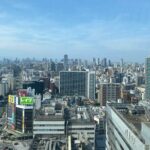
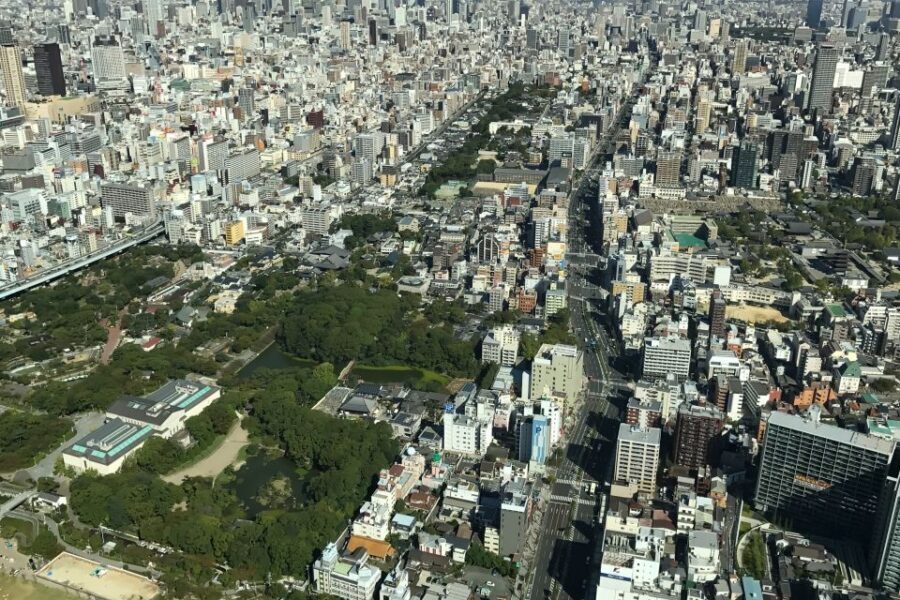
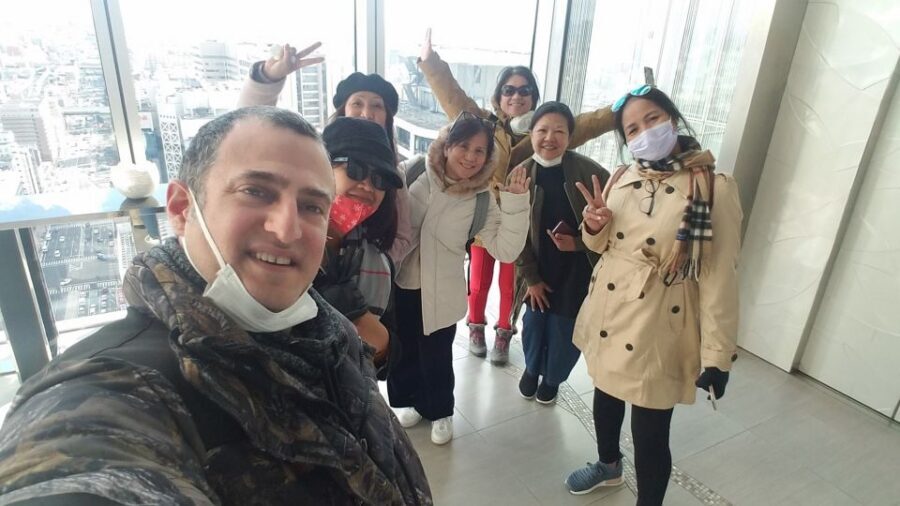
Then you jump to the Harukas building (Abeno Harukas 300) area for a city view from high up. This is one of those stops that changes how the rest of your day makes sense. From above, the grid of streets and the different “faces” of Osaka start clicking into place.
After the view, the tour takes you underground into the department store’s food hall area. This is not a generic “look at food” moment—you’ll see high-quality products on display, including items like puffer fish and Kobe beef. Even if you don’t buy anything, it’s a real peek at Osaka’s food commerce and how seriously people treat ingredients and presentation.
In many groups, guides also point out where to stand for photos so you don’t spend the best minute stuck in the wrong spot. The viewpoint is part architecture, part city orientation, part camera help.
Shinsekai: Old Osaka That Feels Slightly Frozen in Time
From Harukas you head toward Shinsekai, a district known for a slightly crumbling, time-anchored vibe. This is one of those places where Osaka shows a different mood: less polished, more local, and full of “remember this?” energy.
What I like about this stop is the contrast. After the height-and-food-hall experience, Shinsekai feels grounded. The guide’s historical and cultural context helps you understand why this area became famous for its entertainment and why parts of the feel remain.
There’s also a good chance to practice your “street-reading” skill: notice textures, signage style, and how people gather. Shinsekai gives you an Osaka that isn’t trying to perform for visitors.
You can also read our reviews of more guided tours in Osaka



Namba and Dotonbori: Neon Fun with Useful Side Streets
Namba is where Osaka’s present-day shopping, dining, and entertainment energy concentrates. And yes, it’s packed with classic sights, but the tour approach keeps it from feeling like a nonstop checklist. Instead of rushing, you get context for why places became famous and what the city’s street culture looks like in motion.
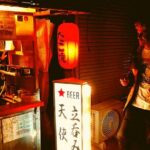
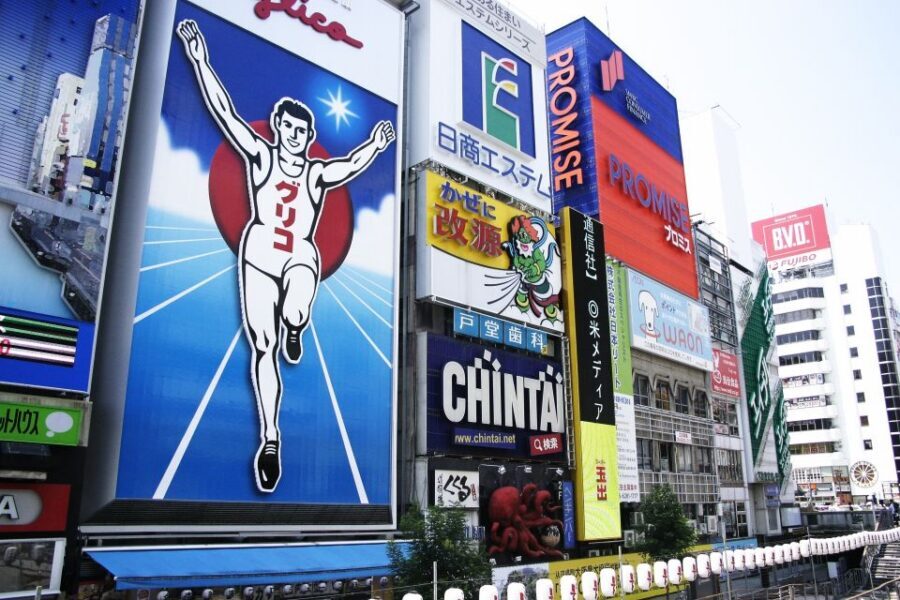
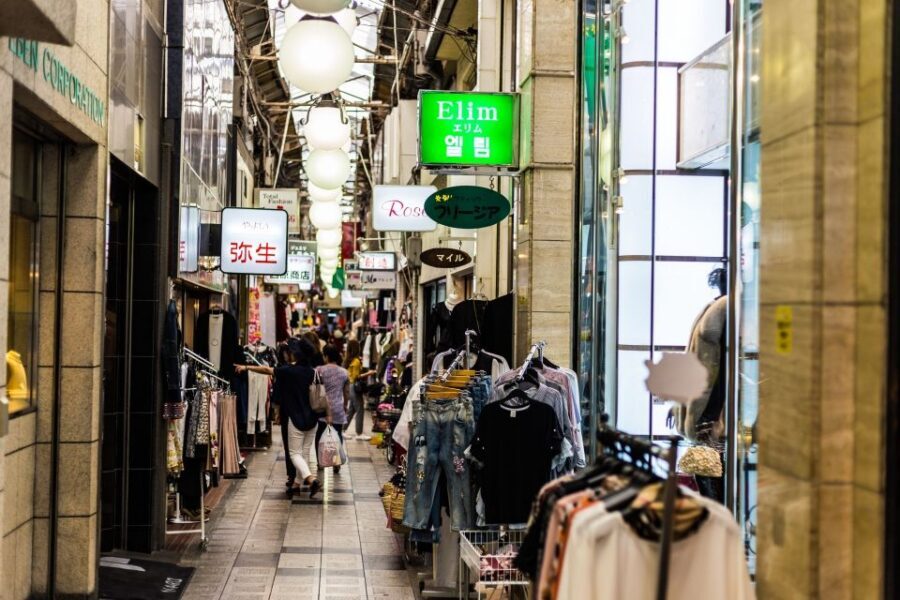
Then you reach Dotonbori, the area many people compare to Times Square. The difference is that Dotonbori feels more like a food and sign culture than an empty commercial stage. The guide helps you spot the quirky back streets too—places you might skip if you only follow the main promenade.
This is also where Osaka’s personality comes through: bold signage, bright crowds, and a sense that food and shopping are daily rituals. If you want photos, bring your camera ready. Several guides in recent groups have been the type to help with photo angles and quick group shots so you don’t look back later with half-cropped images.
Kuromon Ichiba and Doguyasuji: Market Reality Meets Kitchen Culture
The tour ends with two food-leaning experiences that feel very different from each other, which is exactly what you want in a half-day.
First is Kuromon Ichiba, a fresh fish market that’s served Osaka shoppers for over 150 years. This is where the city’s food life looks practical and immediate. You’ll see displays, vendors, and the kind of market energy that makes you hungry just standing nearby—even though the tour doesn’t promise a sit-down meal.
Then comes Doguyasuji, a kitchen and cooking district. This is a surprisingly fun walk if you like design, crafts, and the “stuff behind the scenes.” You’ll see wax food models, noren curtains that hang at kitchen entrances, and big pottery pieces. It’s the kind of place where shopping isn’t just buying—it’s collecting pieces of everyday Japanese food culture.
If you’re hoping to bring home something small and useful (or just window-shop like a professional), Doguyasuji gives you that outlet without forcing a shopping spree.
Is $59 Worth It for a 4-Hour Osaka Loop?
At $59 per person for about 4 hours, this is priced like a value-focused orientation tour. For that money, you get a live English guide plus structured route planning across multiple neighborhoods that are not all close to each other.
The trade-off is what you bring to the table:
- You pay for your own transportation (use a subway day pass as suggested).
- You also handle food and drinks yourself, since there aren’t food stops built in—snacks are possible along the way, but it’s not a tasting tour.
Where it becomes good value is the guide part. When guides like Ferdinand tell Castle stories connected to Japan’s shogun-era context, or when Kevin and Oisin connect modern street scenes to merchant culture, you start saving time on research and decision-making. Instead of spending your limited Osaka time wondering what to do next, you’re walking a route that gives the city a storyline.
One more cost reality: pickup exists for extra 5000 yen (central Osaka pickup or port pickup at Tempozan Ferris wheel). If you’re staying near major subway lines, you can keep costs lower by using public transit like the tour encourages.
Logistics That Actually Matter on Tour Day
Meet above ground at Tanimachiyonchome Station, Exit 2. If you’re arriving by taxi, the intersection name is Tanimachi 3-chome (谷3交差点). That taxi detail is worth saving, because Osaka taxi drops can be precise.
The tour runs rain or shine, so don’t plan on changing your clothes game at the last second. Bring a light layer and comfortable shoes you can walk in for hours.
Also: the tour advises you to use a subway day pass to reach the meeting point and while you’re on the tour. That’s a good move because the walking plus short train hops will add up quickly if you pay per ride.
What This Tour Feels Like in Real Life
This is a great “first Osaka” or “second-day sanity check” tour. It’s built to show you the big picture: castle grounds, merchant-era flavor, Korea Town side streets, a high-up view, and the food-and-shopping zones of Namba and Dotonbori.
The reviews also point to a strong theme: guides often answer questions fully and adjust the pace when people get tired. I’ve especially noticed that when someone in the group needs a slower rhythm, guides tend to stay patient and keep the experience intact instead of forcing speed.
If you care about photos, this tour tends to help. Guides commonly point out photo spots and assist with group shots, which matters in crowded areas like Dotonbori.
Who Should Book This Walking Tour?
This fits best if:
- You want a guided overview of Osaka’s most important areas without hopping between too many tours.
- You like walking plus a few transport rides and don’t mind being on your feet.
- You care about food culture and local shopping scenes, not just famous landmarks.
- You appreciate history and cultural context tied to where you’re standing.
It’s less ideal if you have limited mobility. Even though the activity is listed as wheelchair accessible, it’s also marked not suitable for people with mobility impairments. If that applies to you, I’d treat this as a “confirm first” situation.
Should You Book This Guided Walk?
If you’re trying to understand Osaka in a single half-day, I think this tour is a smart buy. You get iconic sights, plus the neighbor-to-neighbor contrasts that make Osaka feel like a real city rather than a theme park. And with guides like Ferdinand, Kevin, and Oisin, the storytelling focus can turn ordinary streets into places you actually remember.
Book it if you want structure, local context, and a food-and-shopping route that doesn’t require you to plan every turn. Skip it if you hate walking, need fully guided indoor comfort breaks, or want a tour where food is guaranteed at set stops.
FAQ
How long is the Osaka Main Sights and Hidden Spots Guided Walking Tour?
It lasts about 4 hours.
Where do I meet the guide?
Meet above ground at Tanimachiyonchome Station Exit 2. If you come by taxi, the intersection name is tanimachi 3-chome (谷3交差点).
What’s included in the price?
The price includes the guide and the walking tour. Transportation and food and drink are not included.
Do we go inside Osaka Castle?
No. You’ll admire the exterior and walk around Osaka Castle Park, but you won’t enter the castle.
Is food included during the tour?
There are no food stops, but you may have chances to buy snacks if you’re hungry.
Do I need to buy subway tickets?
The tour suggests buying a subway day pass and using it to get to the meeting point and while you’re on the tour.
What if it rains?
The tour runs rain or shine.
Is pickup available?
Pickup is available for an additional 5000 yen. Central Osaka hotel pickup and port pickup at Tempozan Ferris wheel are listed options.
What languages are the live guides available in?
English, French, and Spanish are offered.