REVIEW · OSAKA
Osaka Full-Day Experience with Castle, Kushikastu and Temple
Book on Viator →Operated by Osakana Pottery And Tour · Bookable on Viator
Six hours, three very different Osaka moods. This full-day outing strings together Osaka Castle and classic street food in Shinsekai, then slows down at Shitennoji Temple with cultural context from guide Toshiki. You get sightseeing that actually feels like a day with a plan, not a checklist.
Two things I especially like: the Osaka Castle main tower admission is handled for you, and the kushikatsu stop follows local etiquette so you know what to do. One thing to think about up front: lunch isn’t included, so you’ll want to plan for eating on your own around the scheduled food stops.
Because it’s a private tour with mobile tickets, you don’t have to wrestle with meeting points or coordinate trains with strangers. It’s built for a smooth pace, but it does mean some time on your feet across castle grounds and the Tennoji area.
In This Review
- Key things to know before you go
- Price and what’s actually included in your $97.55
- Start at NHK Osaka Hall, then enter Osaka Castle through Otemon Gate
- Osaka Castle Park and the main tower ticket: views, scale, and stories
- Riding the JR Loop Line to Shinsekai: where kushikatsu culture lives
- Kushikatsu hopping at two shops: how to eat, order, and not mess up the rules
- Walking through Tennoji to Shitennoji: shifting gears from snack food to calm temples
- Shitennoji Temple highlights: Golden Pavilion and Prince Shotoku context
- How the 6-hour structure fits a real Osaka day
- What the best version of this tour feels like with Toshiki
- Practical notes: shoes, food planning, and tickets
- Should you book this Osaka full-day castle, kushikatsu, and Shitennoji tour?
- FAQ
- What time does the tour start and where does it begin?
- How long is the Osaka full-day experience?
- Where does the tour end?
- Is lunch included in the price?
- What’s included for Osaka Castle?
- Is public transportation included?
- Are alcoholic drinks included with kushikatsu?
- FAQ
- Do I get tickets digitally?
- Can I cancel for a full refund?
- Is this tour private?
- What happens before you enter Shitennoji Temple?
- What temple features are part of the Shitennoji visit?
- How is kushikatsu handled during the Shinsekai stop?
Key things to know before you go
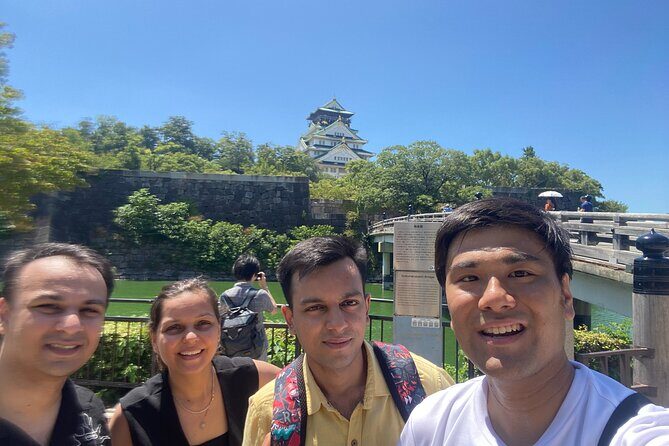
- Osaka Castle tower entry included, plus time in the park from Otemon Gate
- Shinsekai kushikatsu hopping at two shops, with the no double-dipping rule
- Efficient transit using the JR Loop Line to cut down on guessing
- Teahouse break before Shitennoji, with traditional tea and sweets included
- Shitennoji highlights including the Golden Pavilion and the Four Heavenly Kings statues
- Guide Toshiki’s explanations that connect sites to Japanese culture
Price and what’s actually included in your $97.55
At $97.55 per person for about 6 hours, this isn’t a “cheap and cheerful” sampler. The value comes from how much is bundled into one guided block: Osaka Castle main tower admission, public transportation, and coffee or tea are included. Then you add the planned teahouse stop before Shitennoji, where tea and sweets are also covered.
What’s not included matters for planning. Lunch isn’t included, and alcoholic drinks during the kushikatsu portion are extra. That’s not a deal-breaker, but it does change how you pace the day. If you’re the type who likes a full sit-down lunch, you’ll need to factor in time and cost outside the tour.
The price also reflects a private format. You’re not sharing a guide with a long line of strangers, which usually means the experience feels less rushed and more tailored to your group’s pace and questions. For a day like this—castle, street food, then an older temple—private time can be a real quality upgrade.
You can also read our reviews of more tours and experiences in Osaka
Start at NHK Osaka Hall, then enter Osaka Castle through Otemon Gate
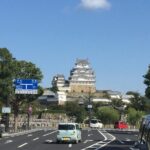
You begin at 10:00 AM outside NHK Osaka Hall area (the meeting point is listed near ANDP4-chōme-1-20 Ōtemae, Chuo Ward). From there, you walk together to Osaka Castle Park and enter via Otemon Gate. That first walk-in is more than just logistics. It sets the mood. You’re not hopping directly into the gift-shop zone—you’re stepping into the castle grounds the way people do when they come for a proper visit.
The included timing here is about 1 hour 30 minutes in the castle park area. The park time is free, but the ticket coverage focuses on the castle itself: the admission fee to Osaka Castle’s main tower is included. So you’re paying for the key vertical view moment, not just wandering.
A practical tip: plan to wear shoes that handle uneven surfaces and stairs. Castle grounds can be a lot of up-and-down. Also, because you’re meeting at 10:00 AM, you’ll want to be ready on time—this is a guided day with a tight flow, and everyone else depends on it.
Osaka Castle Park and the main tower ticket: views, scale, and stories
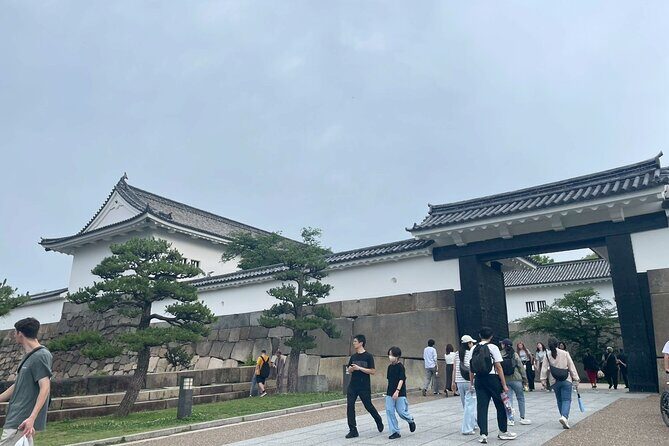
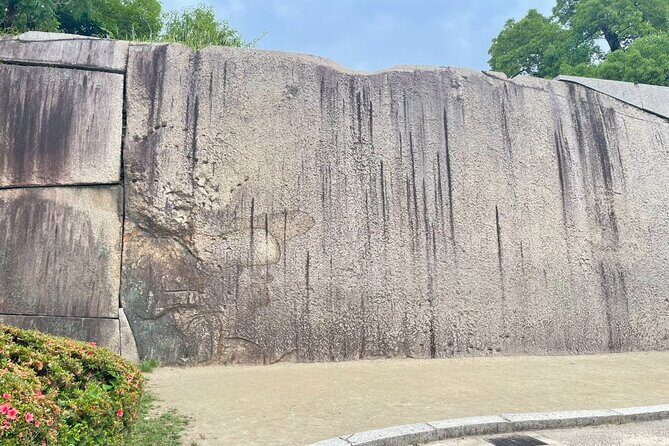
Osaka Castle is the kind of site where the big shapes matter: walls, gates, and the sheer “presence” of the place. With a guide like Toshiki, the experience becomes more than photos. You’re given context to help you connect the castle to Osaka’s cultural importance—its role over centuries and why it continues to draw people in today.
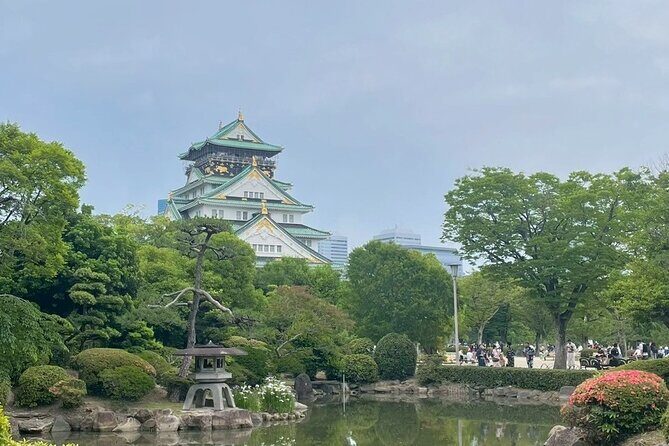
In this tour, the main tower is a highlight because it’s included. Even if you’ve seen castles before, the top views help you understand Osaka’s layout, how the city wraps around major landmarks, and how the castle fits into the broader urban story.
The trade-off is time. You get about 90 minutes, so you won’t have a “wander at your own tempo for half a day” experience. This is a strong option if you want the castle anchor moment without sacrificing your afternoon food and temple time. If you’re the kind of person who wants to read every sign and take museum-style breaks, you may wish you had more time. For most people, though, it’s a well-balanced slice.
Riding the JR Loop Line to Shinsekai: where kushikatsu culture lives
After the castle, you head to Shinsekai using the JR Loop Line. That detail is helpful. Getting there without spending mental energy on route-planning means you arrive ready to eat and explore.
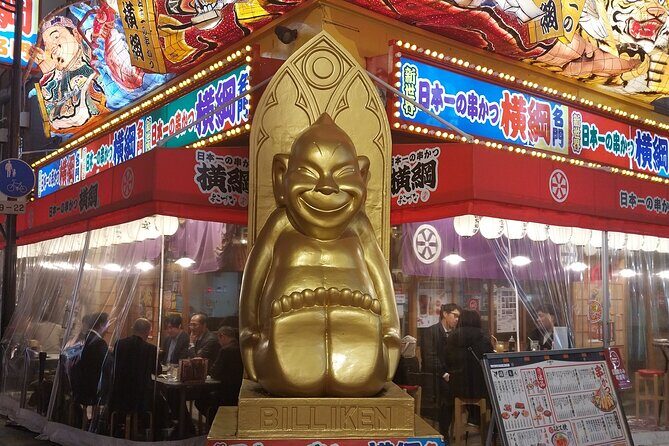
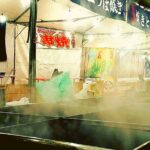
Shinsekai is approached the right way here: not as a random street-food grab, but as a guided kushikatsu hopping session. You visit two different kushikatsu restaurants in the area. The whole stop is about 2 hours, so it’s enough time to keep the pace fun without turning into a long, slow crawl.
The tour also includes the etiquette that makes this meal feel authentic. You’ll get a clear reminder of the no double-dipping rule. It’s small, but it’s exactly the kind of thing that helps you feel comfortable in local food spots. It also prevents that awkward moment where you’re unsure what you’re supposed to do with sauces mid-meal.
One consideration: kushikatsu is fried food. Even when you eat slowly and share, it’s still heavy. If you’re prone to getting full fast, eat with intention and save snacks for your own schedule later. Also, alcohol isn’t included—if you want drinks with your food, you’ll pay for them on the spot.
Kushikatsu hopping at two shops: how to eat, order, and not mess up the rules
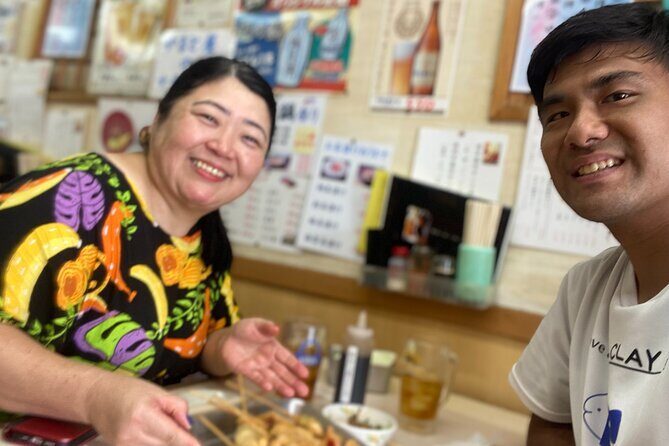
The core experience here is simple: you hop between shops and try kushikatsu as locals do. What makes it more than a food break is guidance. You’re not just walking into places and guessing. You get help navigating the flow, and you learn the etiquette that signals respect.
Here’s how to think about it as you plan your day:
- Two shops in two hours keeps the experience varied without exhausting you.
- Kushikatsu tends to arrive as a steady rhythm, which is easier when you’re with a guide who’s keeping everyone moving.
- The no double-dipping rule is the kind of detail that makes your meal feel like part of the culture instead of a tourist stunt.
I also like that the meal is scheduled in the retro-style Shinsekai area rather than tacked onto a “maybe we’ll find something nearby” lunch plan. You get a specific plan for one of Osaka’s most famous street foods, and you’re free to handle lunch separately since lunch isn’t included. That sounds annoying until you realize it gives you control over what you do for lunch—whether you want a quick bowl, a set meal, or a sit-down break.



Walking through Tennoji to Shitennoji: shifting gears from snack food to calm temples
After Shinsekai, you switch gears. The tour walks you through the Tennoji area to Shitennoji Temple, which is one of Japan’s oldest temples. The founding date is 593, and the visit is framed to help you feel what “old” means beyond a number.
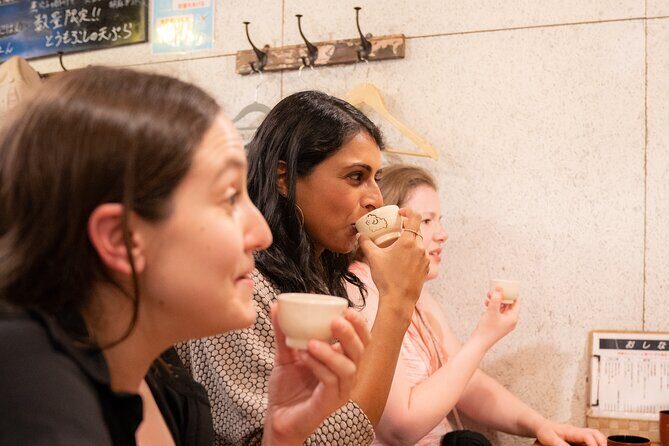
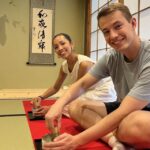
Before entering the temple grounds, you stop at a nearby teahouse for a break. This is included, with traditional tea and sweets. I like this built-in pause because it resets your energy after fried food. It also gives you a taste of something slower-paced, which matches the temple’s tone.
The Shitennoji portion is about 2 hours, and that’s a good length to experience the grounds without feeling dragged through every corner. You get to walk the space at a sensible pace, take in the spiritual atmosphere, and learn about key parts of the site.
Shitennoji Temple highlights: Golden Pavilion and Prince Shotoku context
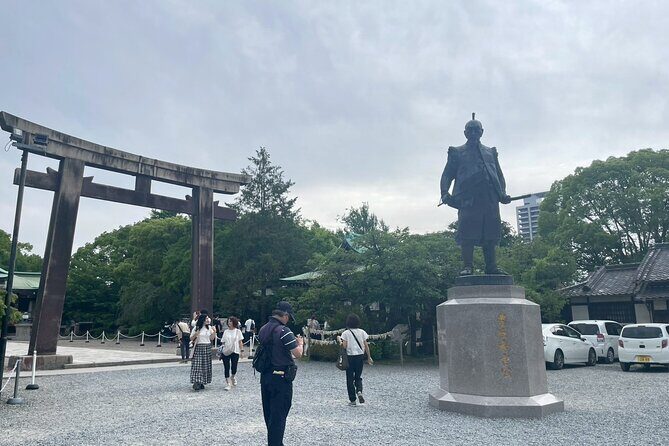
This is where the tour becomes more than “see the famous building.” You’re guided through meaningful highlights tied to Japanese cultural heritage.
A key stop is the Golden Pavilion, where you’ll see statues of the Four Heavenly Kings. The tour also explains the legacy of Prince Shotoku. Those details matter because they turn your photos into something you can remember with understanding. Instead of only noticing architecture, you connect it to the ideas and figures that shaped the temple and the broader culture.
Two hours at Shitennoji also gives you room to slow down. This isn’t a rush-through. It’s a calm ending, and it works especially well when your morning and early afternoon are all about movement and eating.
Keep your expectations realistic: temples still require walking and time outdoors. If it’s a hot day, lean into the teahouse break and take short pauses inside and shaded areas. If it’s cold, the tea stop helps. Either way, you’ll finish with a sense that your day has a beginning, middle, and end.
How the 6-hour structure fits a real Osaka day
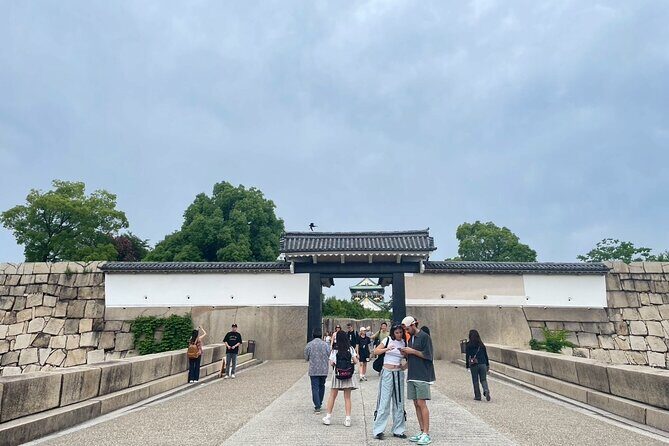
This tour is built around three distinct “modes” of Osaka:
- Castle focus in the morning, with included tower entry
- Food and neighborhood texture in Shinsekai
- Temple and reflection time at Shitennoji
The timing is what makes it work. About 1.5 hours at the castle prevents you from sacrificing the afternoon. 2 hours in Shinsekai is enough for the hopping format without turning it into an endurance event. Then 2 hours at Shitennoji gives the day the slow landing it deserves.
If you’re deciding whether this matches your travel style, here’s the quick match-up:
- You’ll like this if you want a guided day that covers major Osaka highlights without you planning every step.
- You’ll likely be less happy if you want a long, self-led wander with no schedule pressure. This has structure, and you follow it.
Also remember: public transportation is included, but you’re still moving between areas. The tour uses the JR Loop Line to Shinsekai, and it’s walk-based around the temple area. Comfortable shoes are the difference between enjoying the day and feeling irritated halfway through.
What the best version of this tour feels like with Toshiki
The best part of this experience, based on how it’s described, is the guide. Toshiki is specifically praised for making the day feel like Osaka—not just a list of spots. The big value is how he connects what you see to Japanese culture and explains what’s happening in ways that help you feel confident.
That confidence matters most at two moments:
- The kushikatsu etiquette, where you don’t want to guess.
- The temple context, where you’ll get more out of Shitennoji when you understand the figures and symbolism tied to the visit.
You also get the benefit of a private group format. That means you can ask questions, and the guide can adjust pacing to your group’s mood. For a full-day combo tour, that kind of attention is often the difference between a fun day and a forgettable one.
Practical notes: shoes, food planning, and tickets
A few practical things to keep you smooth:
- Shoes: plan on walking at Osaka Castle and around Tennoji.
- Food planning: lunch isn’t included, and kushikatsu can be filling, so don’t assume you’ll automatically get a full meal covered.
- Alcohol: not included during kushikatsu hopping, so budget for it if you want drinks.
- Mobile ticket: you’ll use a mobile ticket, which helps reduce paper hassle.
- End point: the tour ends at Shitennoji Ishinotorii (Stone Torii Gate), which is a convenient place to regroup or continue exploring nearby.
If you like to travel light, you’re still going to want small essentials: water, a compact umbrella, and any temple-appropriate items if the weather turns.
Should you book this Osaka full-day castle, kushikatsu, and Shitennoji tour?
Book it if you want a single guided day that hits Osaka’s biggest “signature” experiences: castle sights, Shinsekai kushikatsu culture, and Shitennoji Temple with Prince Shotoku and the Four Heavenly Kings context. The included castle tower admission and public transit help this feel like a smart use of time.
Skip it only if you know you want long, self-paced exploring and you’re not interested in a scheduled flow. Also consider whether you’ll be okay handling lunch on your own—that’s the main subtraction from the package.
If you do book, I’d plan your day around the tour rhythm: breakfast early, comfortable shoes, and keep your alcohol choices flexible since drinks aren’t covered.
FAQ
What time does the tour start and where does it begin?
The tour starts at 10:00 AM. The meeting point is listed near ANDP4-chōme-1-20 Ōtemae, Chuo Ward, Osaka, Japan.
How long is the Osaka full-day experience?
The duration is about 6 hours.
Where does the tour end?
The tour ends at Shitennoji Ishinotorii, the Stone Torii Gate, in Tennoji Ward, Osaka.
Is lunch included in the price?
No. Lunch is not included.
What’s included for Osaka Castle?
The admission fee to Osaka Castle’s main tower is included. Entry to the castle park area is free.
Is public transportation included?
Yes. Public transportation is included.
Are alcoholic drinks included with kushikatsu?
No. Alcoholic beverages are not included.
FAQ
Do I get tickets digitally?
Yes. The tour uses a mobile ticket.
Can I cancel for a full refund?
Yes, you can cancel up to 24 hours in advance for a full refund.
Is this tour private?
Yes. It’s a private tour/activity, so only your group participates.
What happens before you enter Shitennoji Temple?
You stop at a teahouse first and enjoy traditional tea and sweets, which are included.
What temple features are part of the Shitennoji visit?
You’ll explore the temple grounds and see the Golden Pavilion, home to statues of the Four Heavenly Kings. The tour also covers Prince Shotoku’s legacy.
How is kushikatsu handled during the Shinsekai stop?
You’ll visit two different kushikatsu restaurants as part of kushikatsu hopping, and you’ll follow the no double-dipping rule.