REVIEW · OSAKA
Cooking Class for Ramen and Gyoza in a Quiet Old Osaka House
Book on Viator →Operated by JP tourism · Bookable on Viator
Cooking ramen and gyoza feels like magic. You’ll do it in a renovated 90-year-old Osaka house with Ayumi-san, who teaches home-style techniques in English. I love that the class is hands-on from ingredient talk to lunch on the table, and I also like the small group vibe that keeps the chat friendly. One thing to consider: you’ll be sharing the kitchen time with up to 6 people, so if you want maximum quiet or full control, a private class may suit you better.
What makes this class especially fun is the mix of cooking skill and real-life Japanese home habits. You’ll start with common pantry items and condiments, then you’ll cook together and eat what you make, swapping notes about food culture along the way. I also appreciate that they ask about food allergies and restrictions when you book, so you’re not going in blind. A small drawback: there’s no private transportation included, so you’ll want to plan how you’ll get to the meeting point easily.
In This Review
- Key Highlights You’ll Actually Care About
- A Quiet 90-Year-Old Osaka House Where You Cook Ramen and Gyoza
- Meeting Ayumi-san: Home Cooking Expertise With Real English
- What You Do in the 2 Hours 45 Minutes (Without Feeling Rushed)
- The Lunch You Make: Soy-Sauce Ramen With Pork Toppings
- Gyoza With Homemade Wraps and Pork/Beef Vegetable Fillings
- The Origami Chopsticks Gift (And Why It’s Not Just a Trinket)
- Price and Value: Why $93.44 Makes Sense for a Small Group
- Shared vs Private Class: Choosing the Right Fit
- Logistics That Matter: How to Show Up Smoothly
- Who This Osaka Cooking Class Is Perfect For
- Who Might Prefer Something Else
- Should You Book This Cooking Class in Osaka?
- FAQ
- Is the cooking class taught in English?
- How long is the experience?
- What’s included in the lunch?
- How many people are in the class?
- Can you accommodate food allergies or dietary restrictions?
- Is there an option for a private class?
- Where do I meet, and where does it end?
Key Highlights You’ll Actually Care About
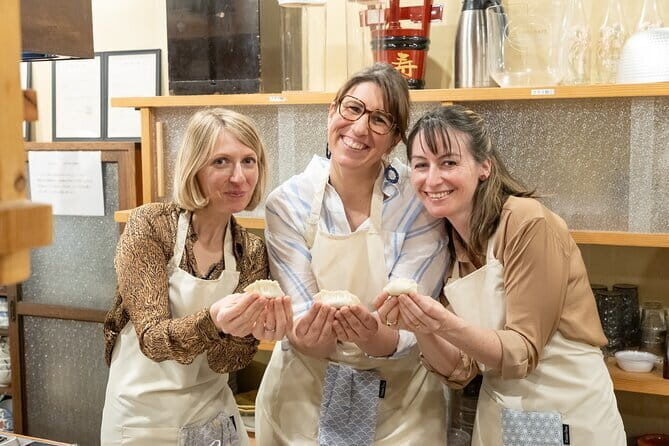
- Small group size (max 6) keeps things calm and personal
- English-led class so you can follow each step clearly
- Ramen + gyoza lunch included with soy-sauce style broth and pork toppings
- Renovated 90-year-old house kitchen studio with a cozy, quiet feel
- Origami chopsticks in holders are included for every participant
- Dietary support on request if you share allergies or restrictions early
A Quiet 90-Year-Old Osaka House Where You Cook Ramen and Gyoza
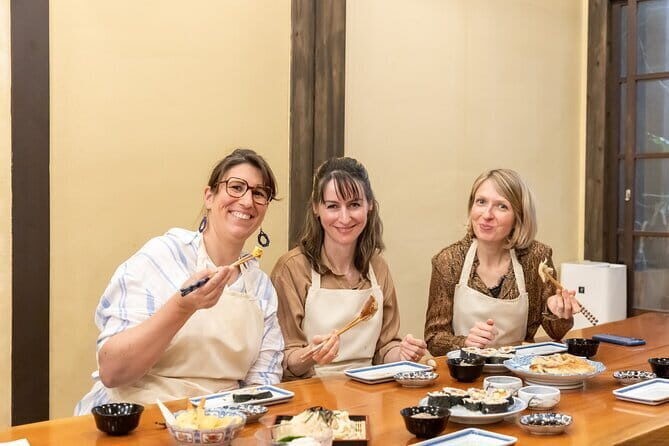
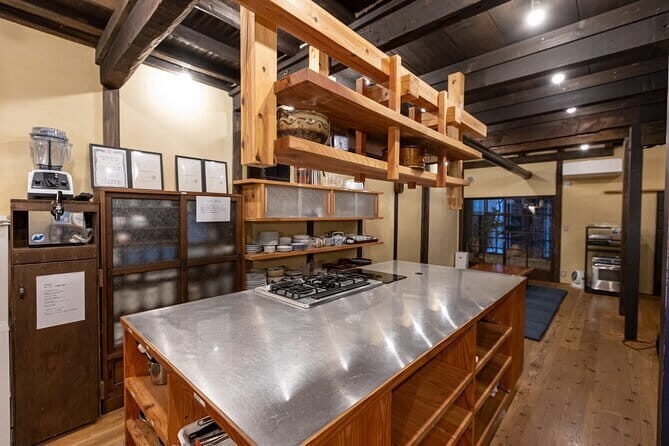
There’s a special kind of calm when you cook in an older home. This class happens in a renovated 90-year-old house that’s been turned into a kitchen studio, so it doesn’t feel like a classroom or a rushed demo. You get the sense that food happens here—like someone actually lives their life around the kitchen.
The setting matters more than you might think. When a space feels comfortable and lived-in, you stop worrying about whether you’re doing it right and start paying attention to the details that make Japanese home cooking taste balanced. In practical terms, that means you’ll learn things like how ingredients work together and how condiments change the whole flavor of a dish.
Also, the class ends where it starts—back at the meeting point—so you’re not left scrambling afterward. Just show up, cook, eat, and go.
You can also read our reviews of more cooking classes in Osaka

Meeting Ayumi-san: Home Cooking Expertise With Real English
The biggest reason this works is the instructor. Ayumi-san is local and grew up eating Japanese home cooking every day, and she’s a certified dietary education instructor with over 5 years of teaching cooking classes at home and at school. In the room, you can feel that she’s not guessing—she’s explaining how everyday Japanese cooking is built.
And yes, it’s taught in English. That’s a big deal when the goal is to actually recreate what you made later at home. You’re not translating in your head through the whole class—you can focus on technique and timing.
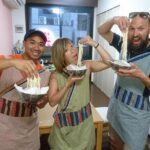
If you learn best by talking things through while you cook, you’ll like the way the class flows. You’ll introduce ingredients and condiments at the start, then you’ll cook and eat together while exchanging thoughts about food customs. From my perspective, that kind of back-and-forth is what makes a “cooking class” feel like a shared meal rather than a performance.
What You Do in the 2 Hours 45 Minutes (Without Feeling Rushed)
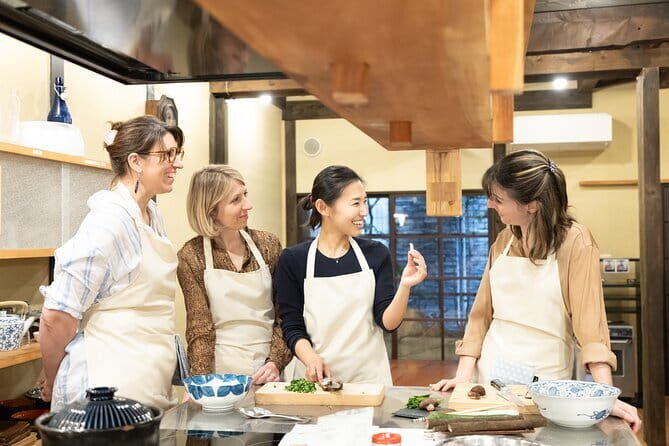
The schedule is straightforward: you arrive for a start time of 10:30 am, then you work together for about 2 hours 45 minutes. The class is designed so you don’t just watch and move on—you get to cook.
You begin with an introduction to the ingredients and condiments common in Japanese kitchens. This isn’t theory for theory’s sake. It’s meant to give you the quick mental map you need before you start making ramen and gyoza.
Then it shifts into doing:
- You’ll cook with the group, following Ayumi-san’s guidance step by step.
- You’ll eat what you make as part of the experience.
- You’ll have time to chat with the instructor and with others in the class.
Because the group max is 6 travelers, you’re less likely to get lost in the crowd. Instead, you can usually ask a question and get an answer that helps you fix what you’re doing.
The Lunch You Make: Soy-Sauce Ramen With Pork Toppings
The lunch is one of the best parts because it’s not just “snack size.” You’ll get ramen in a soy sauce based soup with pork toppings. That combo is classic for a reason: soy-based broth gives you a savory backbone, and the pork topping adds depth and richness.
What you’re really learning here isn’t just one flavor. It’s how ramen gets built as a system:
- The broth style sets the tone.
- The pork topping brings fat and savory character.
- The whole dish depends on balance—so it doesn’t taste flat or overly salty.
Even if you’ve eaten ramen in Japan already, this class gives you something different: you’ll understand what choices create the taste, not just that it tastes good. That makes a big difference later when you try to re-create it at home.
Practical takeaway: when you leave, you should feel comfortable explaining to friends what makes this soy-sauce style ramen work, not just repeating a recipe you memorized.
Gyoza With Homemade Wraps and Pork/Beef Vegetable Fillings

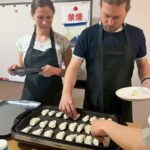
After ramen, you move into gyoza with homemade wrap and fillings of pork/beef and vegetables. This is where many people get excited, because gyoza is tactile. You shape it, fill it, and cook it so you get that contrast of textures.
Here’s why this part is valuable: homemade wraps and mixed pork/beef + vegetables fillings teach you the logic of gyoza. You’re seeing how much filling is enough, how to manage the wrap, and how the dish should look when it’s ready.
And since you’re learning as a group, you’ll likely pick up little technique improvements just by watching how others handle the same steps. It’s one of those cooking skills where small adjustments make a real difference—like getting the shape right for even cooking.
Practical takeaway: if you want a dish that feels impressive but is still doable at home, gyoza is one of the best targets. It’s portable, shareable, and it’s a satisfying win for dinner back in your own kitchen.
You can also read our reviews of more tours and experiences in Osaka


The Origami Chopsticks Gift (And Why It’s Not Just a Trinket)
Everyone gets Japanese-made chopsticks in holders made with origami and cute decorations. On paper, that sounds like a souvenir. But in practice, it’s a small way the class marks the fact that you’re going home with tools you can actually use.
Chopsticks are one of those everyday travel items that become meaningful when you use them regularly. A holder also helps keep them tidy and makes it easier to bring them along later. It’s not a life-changing gift, but it fits the vibe of the whole class: practical, thoughtful, and tied to the food culture you just practiced.
Price and Value: Why $93.44 Makes Sense for a Small Group
It costs $93.44 per person, and the class runs about 2 hours 45 minutes. That’s not cheap compared to a casual food tasting. But it’s also not just eating—you’re doing the cooking.
You’re paying for several things at once:
- Hands-on instruction in English
- A small group (max 6), which usually means more attention and less waiting
- Lunch included (ramen plus gyoza)
- The use of a real kitchen in an older, renovated house
- Extra touches like the chopsticks gift
When I look at value, I focus on what you can take home. In this case, it’s the technique and the confidence to cook ramen and gyoza again later. That kind of “I can repeat this” outcome is where cooking classes often earn their price.
Also, the class offers group discounts, and shared vs private options exist if you’re traveling as a couple or want a quieter experience.
Shared vs Private Class: Choosing the Right Fit
This class offers shared class and private class options. Shared is what you get in the standard small group format. Private classes can be arranged by contacting the provider directly.
There’s also a clear guideline: accompanying children under 6 years old should book a private class. That’s a helpful note, because it implies they can better manage pace and attention in a private setting for younger kids.
If you’re traveling with friends and want a fun group atmosphere, shared makes sense. If you want more focused coaching, more control over questions, or you’re traveling with little ones, private may feel worth it even if the per-person cost is different.
Logistics That Matter: How to Show Up Smoothly
You meet at 6 Chome-13 Tanimachi, Chuo Ward, Osaka, 542-0012, Japan. The start time is 10:30 am, and the activity ends back at the meeting point.
A couple practical notes:
- It’s near public transportation, so you shouldn’t need a car.
- Private transportation isn’t included, so plan your own route and timing.
- You’ll receive confirmation within 48 hours of booking, subject to availability.
- It uses a mobile ticket, which usually means you’ll want your phone charged and ready.
For timing, I’d treat it like an actual morning appointment. If you arrive late, you’ll lose part of the ingredient and condiment intro that helps everything else make sense.
Who This Osaka Cooking Class Is Perfect For
This is a great choice if you want Osaka food to feel personal, not packaged. You’ll be especially happy here if you:
- Want a hands-on experience rather than a tour of restaurants
- Like the idea of learning both ramen and gyoza in one session
- Prefer small groups (max 6) and clear English instruction
- Want home-cooking style techniques you can reuse at home
It’s also a solid pick for couples or friends who enjoy cooking together, because the group size keeps the experience social without turning it into chaos.
Who Might Prefer Something Else
If you’re the type who only wants to watch and not touch food, you might find a cooking class more effort than you expected. Also, if your schedule is tight and you don’t want to plan transport to a specific meeting point, the fact that private transportation isn’t included could be annoying.
Finally, if you have complex dietary needs, you should book thoughtfully and share restrictions in advance so they can do their best to accommodate.
Should You Book This Cooking Class in Osaka?
I’d book it if you want a memorable Osaka meal you can recreate. The combination of a small group, an English-speaking instructor with real home-cooking background (Ayumi-san), and both ramen and gyoza makes this more than a quick food stop. You’re leaving with skills, not just photos.
Go ahead and book if you like the idea of cooking in a 90-year-old renovated house kitchen studio and you’re excited to learn how ingredients and condiments work together. Just plan your transportation to the meeting point ahead of time, and if you have allergies, put those details into your booking so they can prepare.
FAQ
Is the cooking class taught in English?
Yes. The class is offered in English.
How long is the experience?
It runs for about 2 hours 45 minutes.
What’s included in the lunch?
You’ll eat ramen in a soy sauce based soup with pork toppings and gyoza with homemade wrap and pork/beef and vegetable fillings.
How many people are in the class?
The activity has a maximum of 6 travelers.
Can you accommodate food allergies or dietary restrictions?
Yes. You should tell them about any food allergies or restrictions when you book, and they will do their best to accommodate.
Is there an option for a private class?
Yes. Private classes are available. If you want one, you need to contact the provider directly to book. Shared classes are the default.
Where do I meet, and where does it end?
The class starts at 6 Chome-13 Tanimachi, Chuo Ward, Osaka, 542-0012, Japan at 10:30 am, and it ends back at the meeting point.