REVIEW · OSAKA
Osaka Sake Tasting with Takoyaki Cooking
Book on GetYourGuide →Operated by MOMO TO SAKE · Bookable on GetYourGuide
Cook takoyaki, then taste sake like a pro. I love the chance to make takoyaki yourself, not just watch, and I love that the sake sommelier (Momo) breaks Japanese sake down in a way you can actually use later. This 2-hour Osaka class at MOMO to SAKE turns Namba street-food energy into a hands-on, guided tasting of 10+ Japanese sake options.
One possible drawback: you do need to participate in the cooking part. If you’re strictly here for drinks and want zero time at a griddle, this may feel like too much kitchen time.
In This Review
- Key things you’ll remember from MOMO to SAKE
- Why this Osaka sake and takoyaki combo works
- Finding MOMO to SAKE in Osaka’s Namba area
- DIY takoyaki: cooking at the counter, not watching from the sidelines
- The sake lesson: history, culture, and the process explained in plain terms
- Choosing your favorites from a seasonal sake menu
- What you eat and drink: wagyu beef, cheese, and non-alcoholic support
- Value check: is $70 worth it for 2 hours?
- Who should book (and who might not)
- Should you book Osaka Sake Tasting with Takoyaki Cooking?
- FAQ
- Where is the meeting point?
- How long is the experience?
- What is the price?
- How big is the group?
- What languages are available?
- What is included in the experience?
- Do you cook the takoyaki yourself?
- How many sake types will we try?
- Is there a soft drink option if I don’t want to drink much sake?
- What is the cancellation policy?
Key things you’ll remember from MOMO to SAKE
- DIY takoyaki with your own personalization: You cook your own batch, then eat it right there.
- A sake guide who has real brewing context: Momo is a sake sommelier and former brewer, so the lesson doesn’t stay on the surface.
- 10+ Japanese sake types available: The tasting is built around variety, with a seasonal selection to choose from.
- Small group feel (max 6): You’ll get more back-and-forth than big group tastings.
- Mix-ins like wagyu beef and cheese: Your takoyaki isn’t locked into one boring filling.
- Soft drinks included: You’re not stuck on only alcohol during the class.
Why this Osaka sake and takoyaki combo works
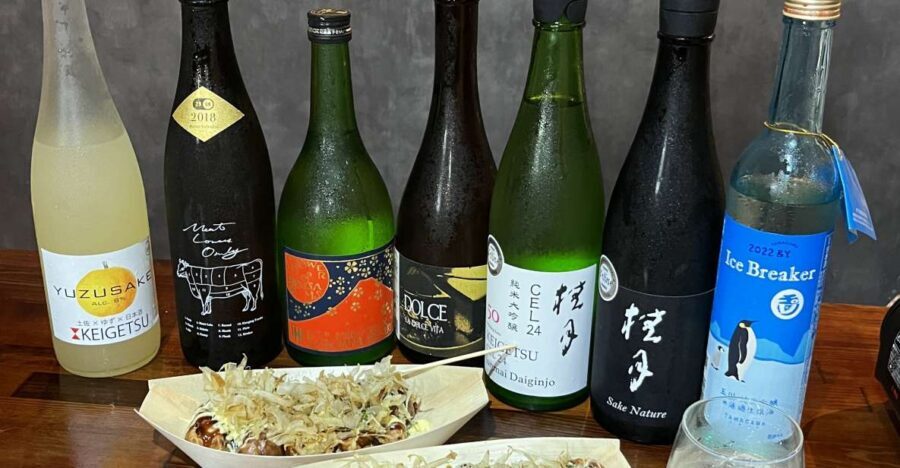
This is the kind of Osaka experience that makes the city click. Takoyaki is a recognizable street-food symbol here, but it can also feel mysterious if you only ever order it takeaway. By the time you finish this class, you’ll understand what makes a good takoyaki batter, how the rolling/cooking rhythm works, and why people treat the sauce-drizzle like part of the craft.
On the sake side, you’re not just handed a flight and told to guess. Momo’s background as a sake sommelier and former brewer gives the tasting a practical backbone—history, culture, and the making process—so you can connect flavors to real production choices. And because you’re tasting after you cook (and not before), you’ll remember it better. Food is a great “anchor” for taste learning.
The format also makes it easy to bring friends or family with mixed interests. Even if you’re more into sake than snacks, you’ll still get a fun hands-on task. And even if you’re more into food than alcohol, you’ll leave with a better sense of what to order at the next izakaya stop.
You can also read our reviews of more food & drink experiences in Osaka

Finding MOMO to SAKE in Osaka’s Namba area
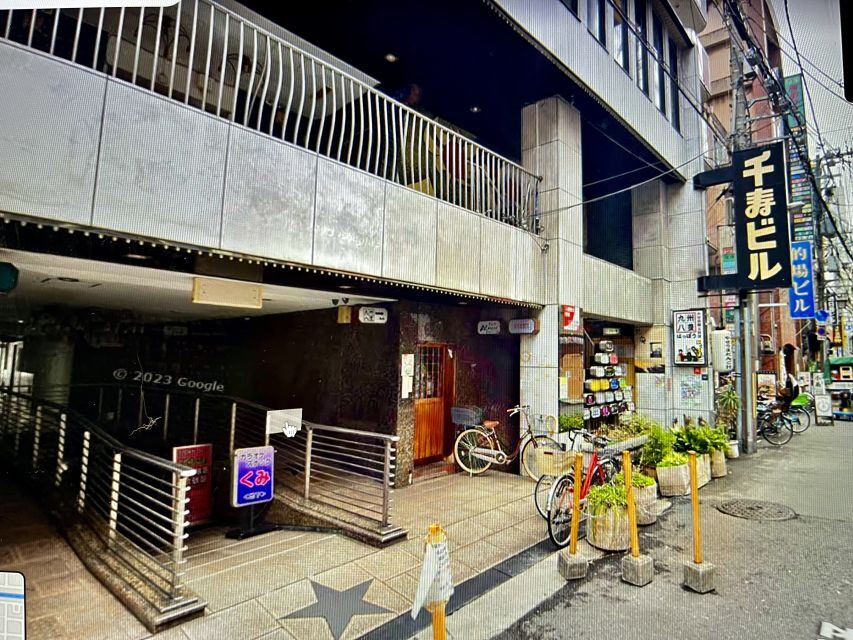
The meeting point is straightforward: MOMO to SAKE, on the second floor of the building. Namba is one of Osaka’s easiest areas to navigate, and this class is positioned so you’re not trekking across the city for two hours.
That matters because takoyaki-and-sake experiences are all about momentum. You don’t want the first “act” (arriving, orienting, waiting) to steal energy from the cooking. Being based near Namba typically keeps you close to the bars and street-food lanes that made you want Osaka in the first place.
Practical tip: if you’re coming from Dotonbori or Namba Station, give yourself a few minutes extra the first time you find the building. Once you’re inside, the flow is simple: you’ll be guided through both the cooking and the tasting.
DIY takoyaki: cooking at the counter, not watching from the sidelines
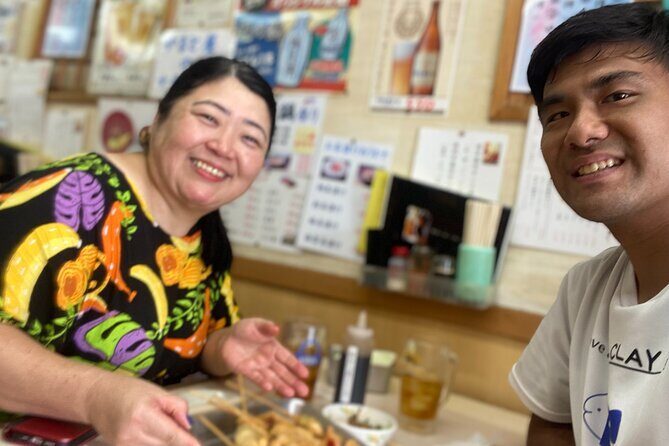
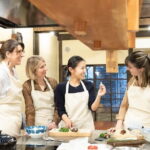
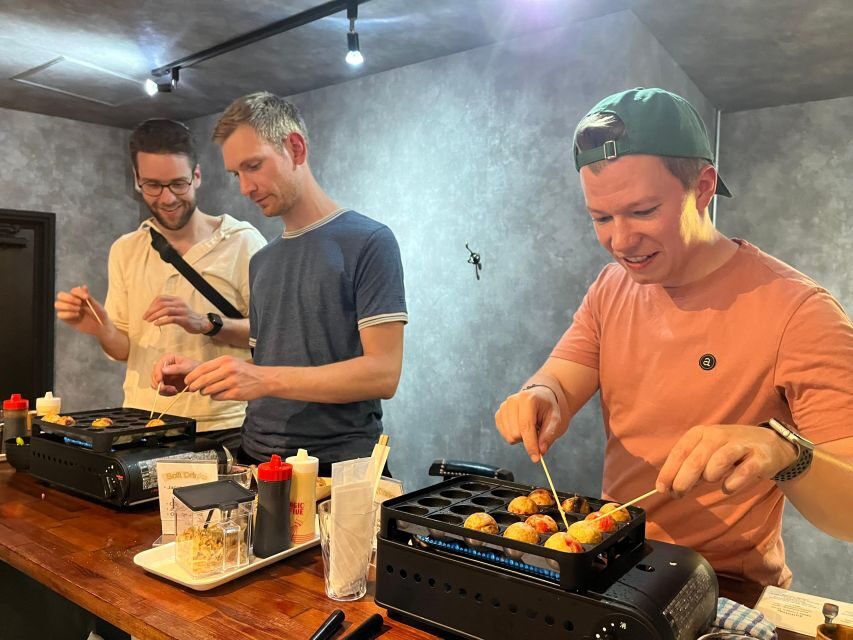
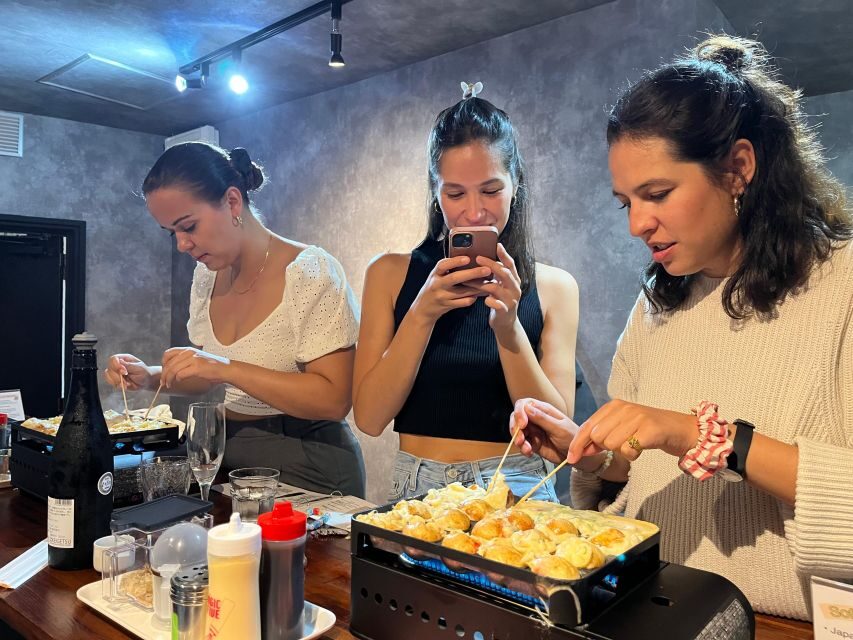
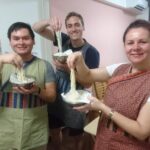
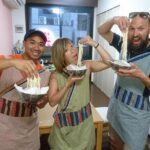
Takoyaki is often described like a street snack you casually buy. This class treats it like an actual skill. You cook personalized takoyaki with a local guide’s secret recipe style, plus extra ingredients such as wagyu beef and cheese.
What I like about the approach: it’s structured enough that you don’t feel lost, but hands-on enough that your takoyaki doesn’t feel like a prop. You’re controlling the process—mixing, shaping, and cooking—so the moment you taste your own batch hits harder than ordering a plate you could have gotten anywhere.
Also, Osaka people love customization, and your takoyaki reflects that. Some sessions include add-ins beyond just the core ingredients. You might see options like wagyu beef and cheese, and the class can handle different preferences. One reviewer noted the guide adapted for a coeliac diner, and another mentioned handling an octopus-free preference without turning the experience into a hassle. If you have dietary requirements, you’ll want to ask ahead so Momo can steer you toward what works.
Timing-wise, the cooking comes first. That’s smart: you’re not sipping sake on an empty stomach, and you’ll taste more clearly once you’re actually fueled.
The sake lesson: history, culture, and the process explained in plain terms
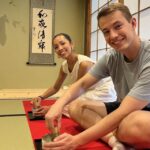
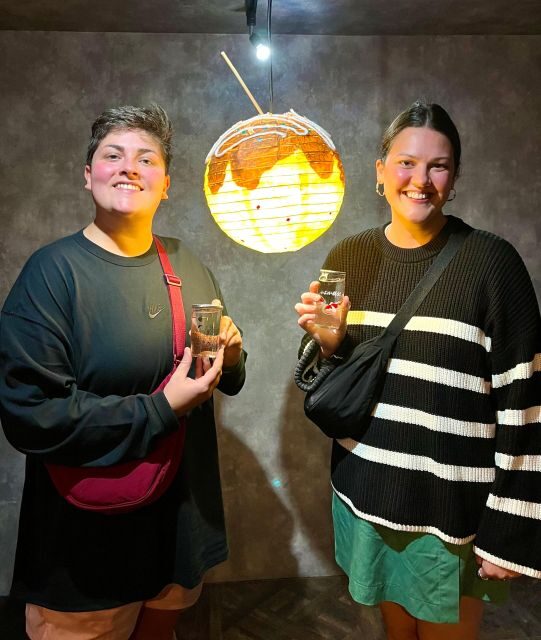
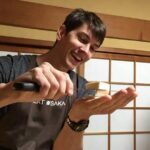
Sake can feel intimidating until someone connects the dots. Here, the lesson covers basics of sake such as history, culture, and how it’s made. Then you get tasting tips from Momo, who’s not only a sommelier but also a former brewer.
That brewing background is more than a résumé line. It typically means you’ll hear explanations that connect ingredients and process to the end result. Instead of treating sake like a mysterious drink, you start thinking of it like a brewed product with choices that affect flavor.
The atmosphere also tends to stay friendly and conversational. The group size is capped at 6 participants, which helps. There’s time for questions, and Momo can adjust the pace so you don’t feel like you’re rushing through something you paid to understand.
One important mindset shift: the class is called sake tasting, but it’s not a tiny sip-and-smile exercise. You’ll taste multiple types, and you’ll be guided through how to evaluate them as you go.
Choosing your favorites from a seasonal sake menu
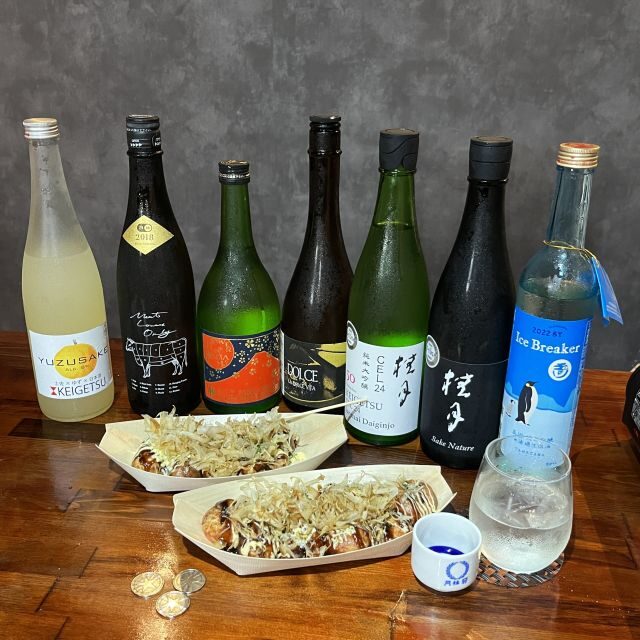
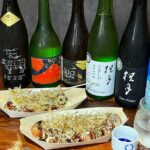
This isn’t a random flight where every person tastes the same generic lineup. The class uses a seasonal sake menu selected by the sake expert, and you pick your favorite types from that selection.
Here’s how that helps you on the rest of your trip: after you taste in a guided setting, you’ll get a sense of what you actually enjoy. That means when you later walk into a sake bar in Osaka, you’re not starting from zero.
Practical tasting guidance you can use right away:
- Pay attention to how the sake feels first (light vs. fuller) before you judge it by aroma alone.
- Notice whether you prefer styles you’d call more refreshing versus styles that feel rounder on the palate.
- Use the guide’s framework to put words to what you like, so you can order again without guessing.
And since your class ends with you enjoying the handmade takoyaki and sake together, you’ll also connect sake choice to food pairing. That’s often the real takeaway—what tastes great with grilled, savory street food.
You can also read our reviews of more cooking classes in Osaka

What you eat and drink: wagyu beef, cheese, and non-alcoholic support
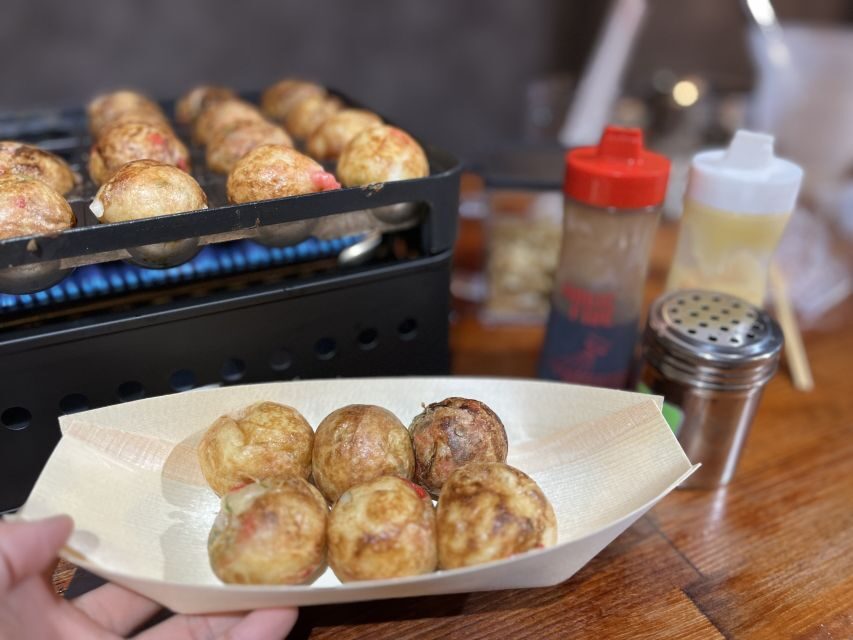
The menu is built for a true food-and-drink experience. You cook takoyaki using a local recipe approach, and you add extra ingredients such as wagyu beef and cheese. After cooking, you sit down and enjoy your takoyaki alongside the sake tastings.
Soft drinks are included too, so you’re not forced into alcohol-only mode. This can be a relief if you’re pacing yourself, traveling with someone who drinks less, or just want to keep your taste buds sharp for the tasting.
A note on portion feel: the cooking component is hands-on, but the tasting component is generous. Multiple reviews mention tasting several types (often in the range of 7 each, depending on how many are offered in that session). So you should treat the class as both a lesson and an actual meal on the alcohol side.
Also, come hungry. You’re tasting and eating in the same two-hour window, and the class is designed so you don’t feel like you’re nibbling while learning.
Value check: is $70 worth it for 2 hours?
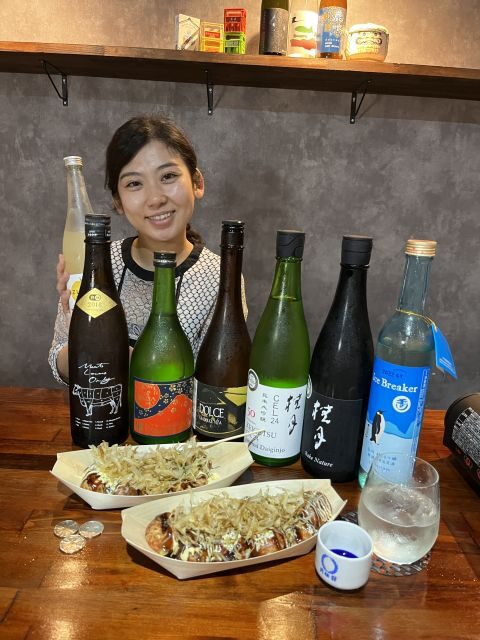
$70 per person sounds like a splurge until you break down what you’re actually getting. You’re paying for three things that usually cost money and time separately:
- Hands-on cooking with ingredients provided, plus instruction to make your own takoyaki.
- A guided sake education led by a sake sommelier and former brewer, not a scripted tasting.
- A meaningful variety of sake (more than 10 types available, plus a seasonal menu to choose from).
In other words, you’re not just buying alcohol. You’re buying interpretation. That’s what changes your future ordering decisions. If you’ve ever been overwhelmed at a sake shop—labels, styles, temperatures, and no clear idea what you’ll like—this kind of class can pay you back fast on your next night out.
Is it perfect value for everyone? If you already know exactly what you like and you mainly want to drink, you may find it pricier than self-guided bar hopping. But if you want a fast track into sake choices while also eating one of Osaka’s iconic street foods you made yourself, the math gets better.
Two hours is also a good length. You get a complete experience without losing half your day.
Who should book (and who might not)
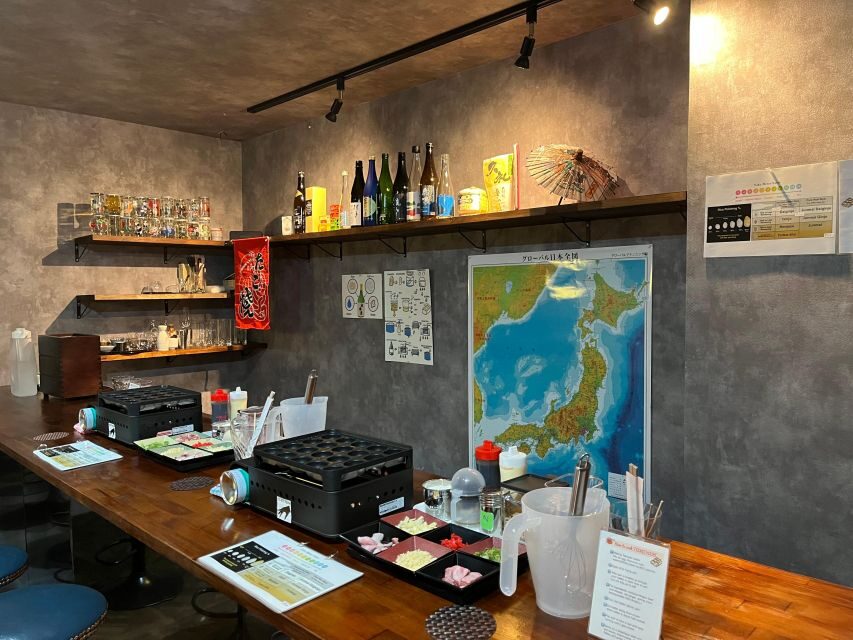
This class is ideal if:
- You want a hands-on Osaka activity that isn’t just another food photo stop.
- You’re curious about Japanese sake and want to understand how to order confidently.
- You like small-group settings where you can ask questions.
- You enjoy food customization—wagyu, cheese, and extra add-ins keep things interesting.
You might consider skipping if:
- You’re not interested in cooking at all and prefer only tasting.
- You’re very time-crunched and can’t spare the full 2 hours.
Dietary note: Momo has shown the flexibility to adapt for at least some specific needs (coeliac was mentioned). If your needs are complex, message ahead so the guide can plan safely and keep the experience comfortable.
Should you book Osaka Sake Tasting with Takoyaki Cooking?
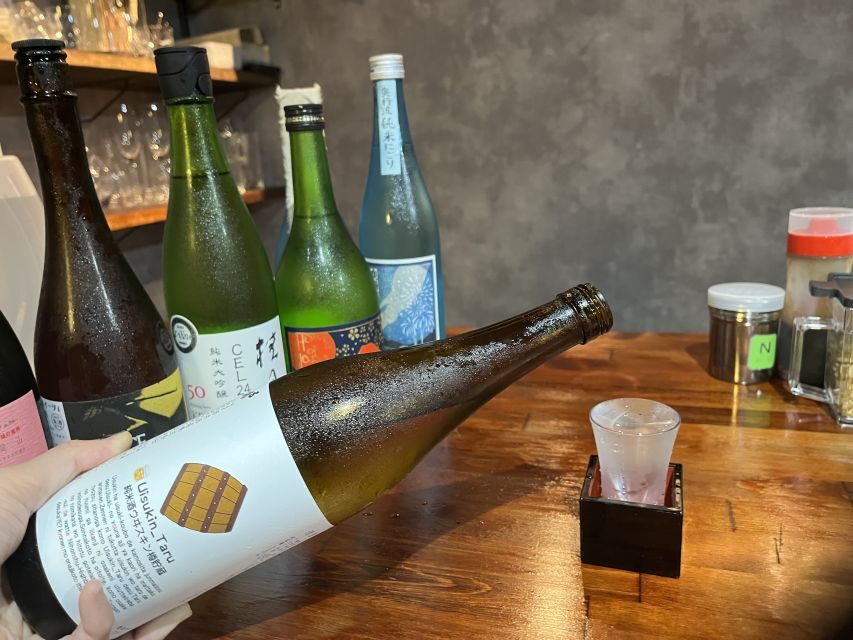
Yes, if you want one solid Osaka evening that mixes street-food fun with a real sake lesson you can use. This is the kind of experience that turns into a practical tool: you’ll taste, learn what you like, and leave knowing how to order sake later without panic-shopping.
Book it early in your Osaka trip if you can. That way, the knowledge from Momo’s tasting guidance actually changes what you do next—both in what you order and how you talk about it.
If you’re on the fence, ask yourself one question: do you want to understand sake beyond “sweet” or “dry”? If the answer is yes, this class is a smart way to spend $70.
FAQ
Where is the meeting point?
You meet at MOMO to SAKE, on the second floor of the building.
How long is the experience?
It lasts about 2 hours.
What is the price?
The price is $70 per person.
How big is the group?
It’s a small group limited to 6 participants.
What languages are available?
The local sake expert leads the experience in English and Japanese.
What is included in the experience?
You get all ingredients and cooking instructions for the takoyaki, plus a sake tasting with more than 10 types of Japanese sake and soft drinks.
Do you cook the takoyaki yourself?
Yes. You cook your own personalized takoyaki as part of the experience.
How many sake types will we try?
More than 10 types of Japanese sake are available, and you’ll taste from a seasonal menu selected by the sake expert.
Is there a soft drink option if I don’t want to drink much sake?
Soft drinks are included as part of the experience.
What is the cancellation policy?
Free cancellation is available up to 24 hours in advance for a full refund.