REVIEW · OSAKA
Osaka: Ramen and Gyoza Cooking Class in Dotonbori
Book on GetYourGuide →Operated by Cooking Sun · Bookable on GetYourGuide
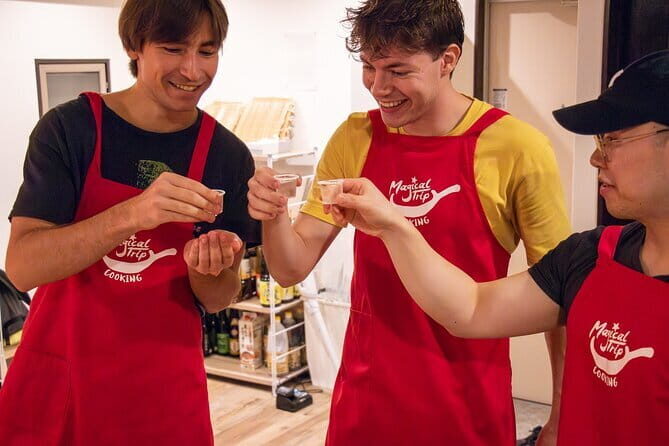
Ramen-making is a hands-on kind of magic. You’ll grind wheat into noodles from scratch and learn how to shape them with a noodle machine, then build a classic soy sauce ramen broth that tastes like you spent hours on it. It’s small-group enough that the step-by-step instructions actually land.
What I really like is the quality of the coaching. In reviews, instructors such as Yoshi, June and Miki, and Kasa get praised for clear English explanations and patient help when someone falls behind. Another big plus: the class can adapt for vegan needs, with a plant-based option handled on arrival.
One thing to consider: this is not hotel pickup. You’ll meet at Cooking Sun Osaka, room 807, and you may need to be ready to find the building and press 807 and 呼出 (call) at the entrance.
In This Review
- Key Highlights
- From Scratch Ramen Noodles: What You’ll Learn and Why It Matters
- The Soup Base: Chicken Bones and Dried Sardines, Then Soy Sauce Ramen
- Gyoza Dims the Lights: Minced Chicken Filling and Real Dumpling Work
- Small-Group Coaching in English: Yoshi, Miki, June, and Kasa
- What You Eat at the End, Plus the Take-Home Recipes
- Where to Meet in Osaka: Room 807 and the 呼出 Button
- Price and Value: Is $70 Worth It for Ramen and Gyoza?
- Who Should Book This Osaka Ramen and Gyoza Class
- Should You Book It?
- FAQ
- Where is the meeting point?
- Is hotel pickup and drop-off included?
- What language is the class taught in?
- What dishes will you make?
- Is the ramen made from scratch?
- Can you customize the ramen flavor?
- Is there a vegan or vegetarian option?
- How long is the class?
- How big is the class?
- Do you get recipes to take home?
Key Highlights
- Knead and cut real ramen noodles using flour, wheat prep, and a noodle machine
- Classic soy sauce ramen base, with the option to switch toward miso ramen
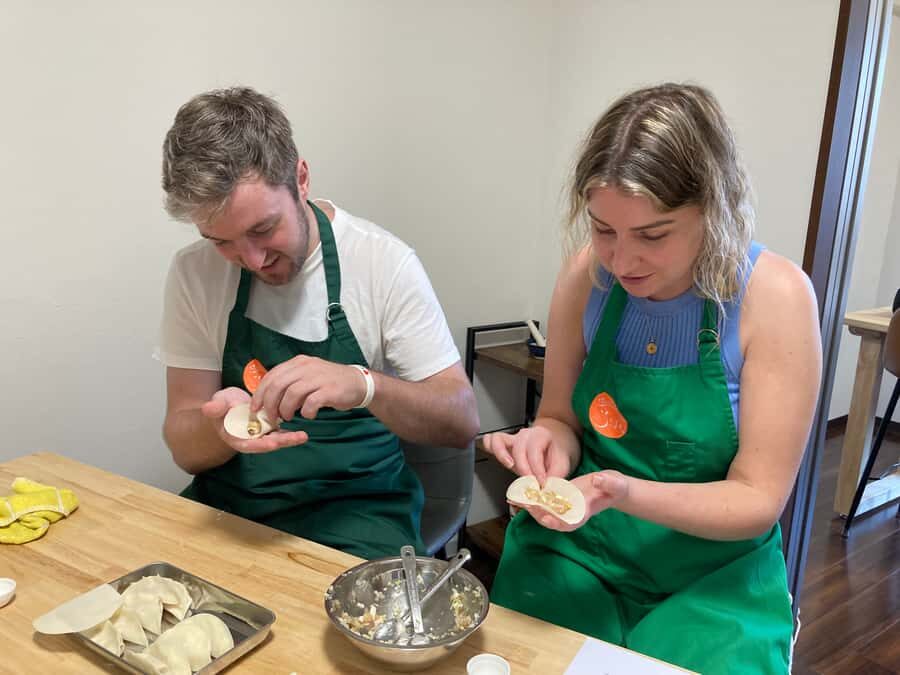
- Gyoza from scratch, with you making the minced chicken filling and dumplings
- Small-group instruction (about 7 to 8 people) so you get real attention
- English-led teaching plus the chance to take written recipes home
- Vegan adaptation on request, so you’re not stuck with a compromise
From Scratch Ramen Noodles: What You’ll Learn and Why It Matters
If you’ve only had ramen in a bowl, this class flips the switch. You start with wheat noodles and work through the motions that make ramen feel different from other noodle dishes. It’s not just cooking. It’s learning the physical skills—kneading, resting, and shaping—so the noodle texture makes sense.
You’ll also see how the process is timed so nothing sits too long. People love this part because it feels organized, not chaotic. Several reviews note the schedule is well-paced, and you never feel shoved out of the way while you’re mid-step.
A practical detail I’m glad you’ll get: the class includes the tools and ingredients for the method they teach. You’re not guessing what wheat dough should feel like at home—you’re getting the same steps in the same order, with help right there.
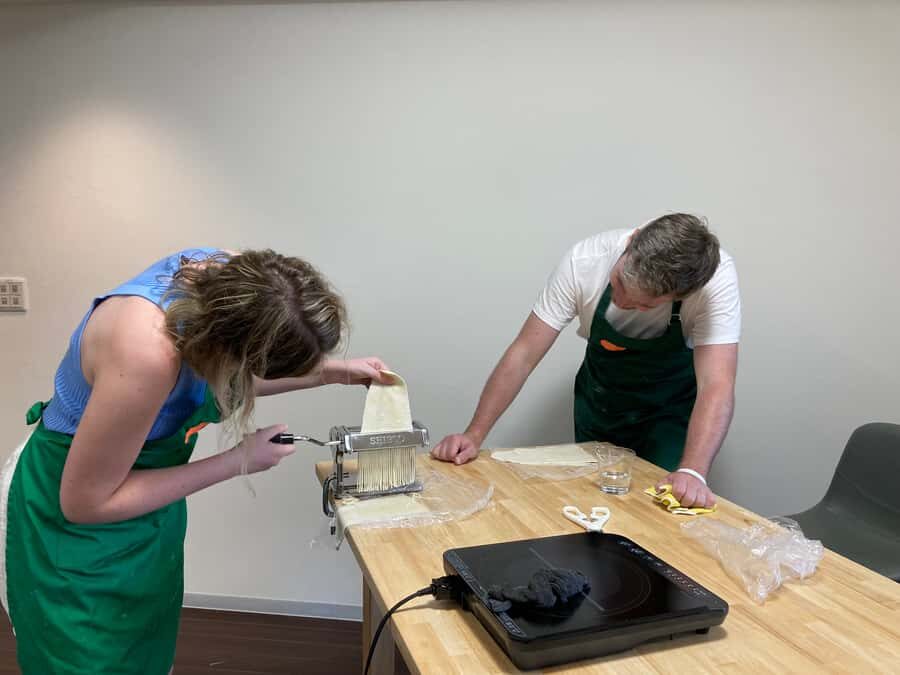
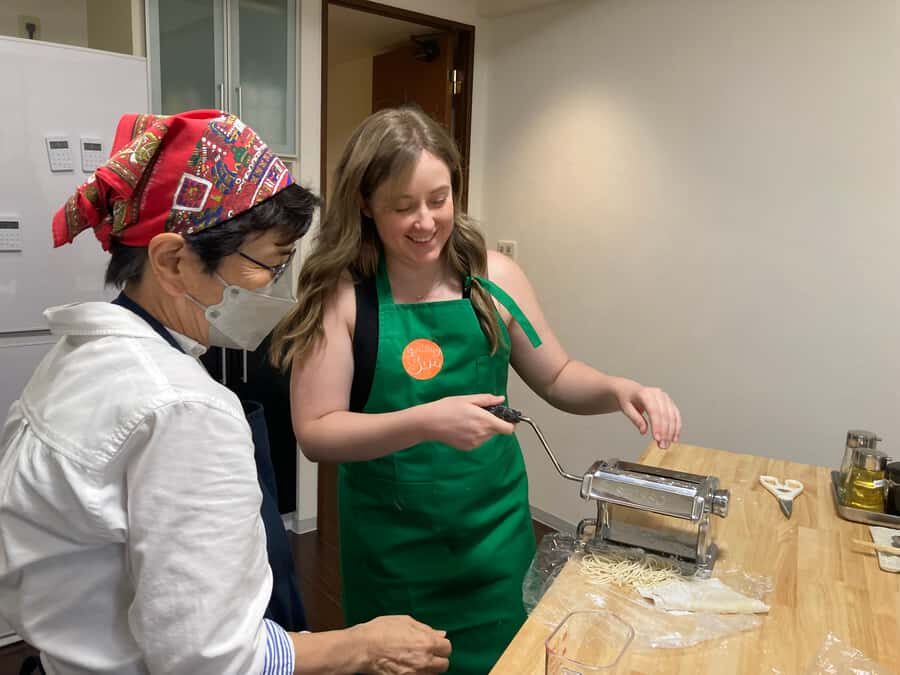
And yes, you’ll get to cut ramen like a pro with the noodle machine. That’s the moment where it clicks: cutting consistent thickness is part of why ramen tastes like ramen instead of flat noodles.
You can also read our reviews of more cooking classes in Osaka


The Soup Base: Chicken Bones and Dried Sardines, Then Soy Sauce Ramen
Ramen shops are famous for broth. Here you learn the foundation ingredients that build it—chicken bones and dried sardines. That matters because the class isn’t only about noodles and toppings. It trains your nose and palate to understand what the broth is doing.
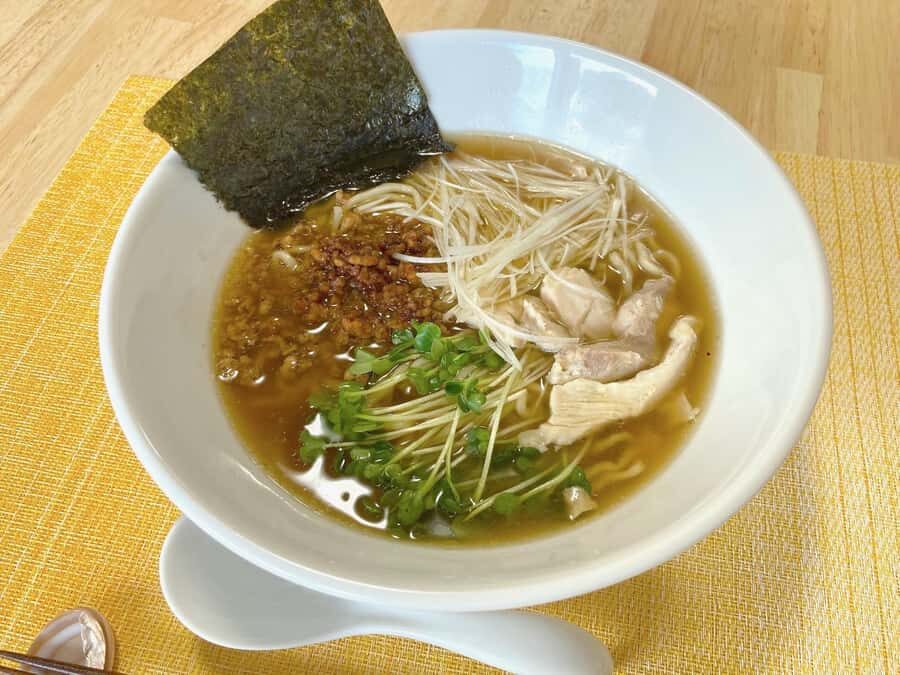
The ramen you’ll make is the standard style: soy sauce ramen. That gives you a clear baseline. Soy sauce ramen is also a great learning target because it’s a flavor structure you can recognize even if you’re new to Japanese cooking.
You’ll also learn that ramen isn’t one single thing. The class includes a point about customization. You can add various toppings as you like, and you can also make it into miso ramen by adding miso to the soup. So instead of memorizing one result, you practice the idea of adjusting flavor.
If you’re a foodie type, this is where the class earns its keep. You’ll understand how small ingredient choices change the whole bowl, and you’ll get a better sense of what you’re tasting when you order in Osaka later.
Gyoza Dims the Lights: Minced Chicken Filling and Real Dumpling Work
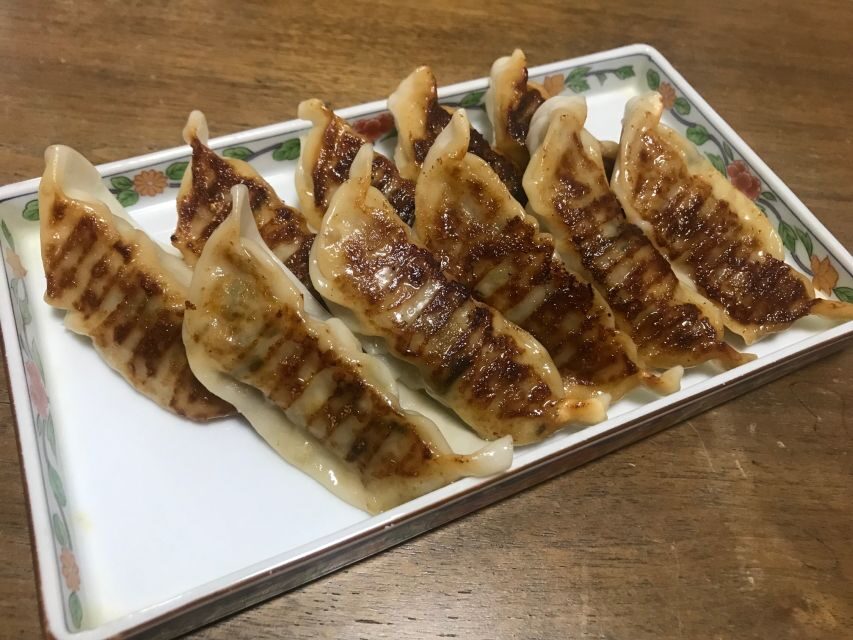
Gyoza can be surprisingly technical, and that’s why I think this class works. You don’t just fold dumplings and hope. You make dumplings from scratch using minced chicken, then follow the shaping steps that help them cook up correctly.
The hands-on part feels satisfying. You get to make the filling and the dumpling wrappers process in a way that’s more interactive than most food tours. Reviews specifically mention making the gyoza filling and the dumplings themselves, with instructors checking in and offering help.
One more reason gyoza is a smart choice here: it trains you on texture. Ramen is about noodles and soup balance, but gyoza is about how the filling cooks and how the fold and pan method affect the final bite. After this, you’ll never look at gyoza the same way again.
Also, the timing is set up so the dumpling work doesn’t lag. In one review, people mention the gyoza work happening while the noodle dough rested. That kind of pacing helps the class stay smooth and keeps you from feeling stuck waiting.
Small-Group Coaching in English: Yoshi, Miki, June, and Kasa
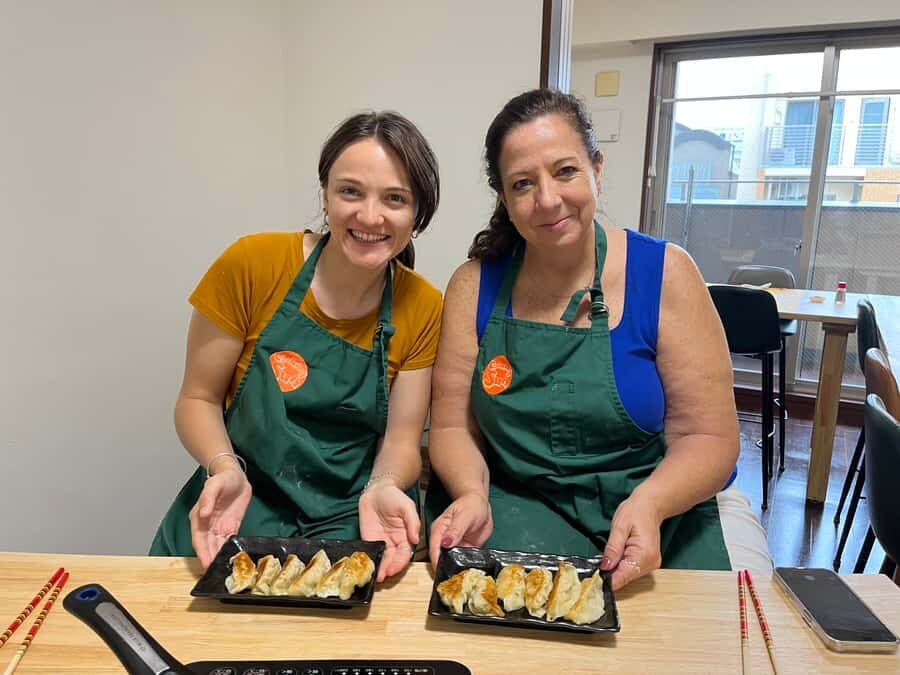
Cooking classes can go one of two ways: either everyone gets rushed, or the instructor actually helps. This one leans toward the helpful side. Many reviews highlight the class is intimate—often described as only 7 to a class and sometimes maxing around 8 people—so questions don’t get lost.
English support is a big deal too. You’ll get instruction in English, and multiple reviews praise how well instructors explain the cooking process. People also mention the teachers cracking jokes, which sounds small until you realize it lowers the stress when you’re standing over dough with your hands doing something new.
Names that show up in reviews include Yoshi, June and Miki, and Kasa. The common thread is patience. Reviews also mention instructors stepping in quickly if someone falls behind, so the group stays on schedule.
This is especially important for ramen noodles. If you’ve never kneaded dough, it’s easy to get self-conscious. The class structure makes it safer to learn in real time, with a clear path forward.
What You Eat at the End, Plus the Take-Home Recipes
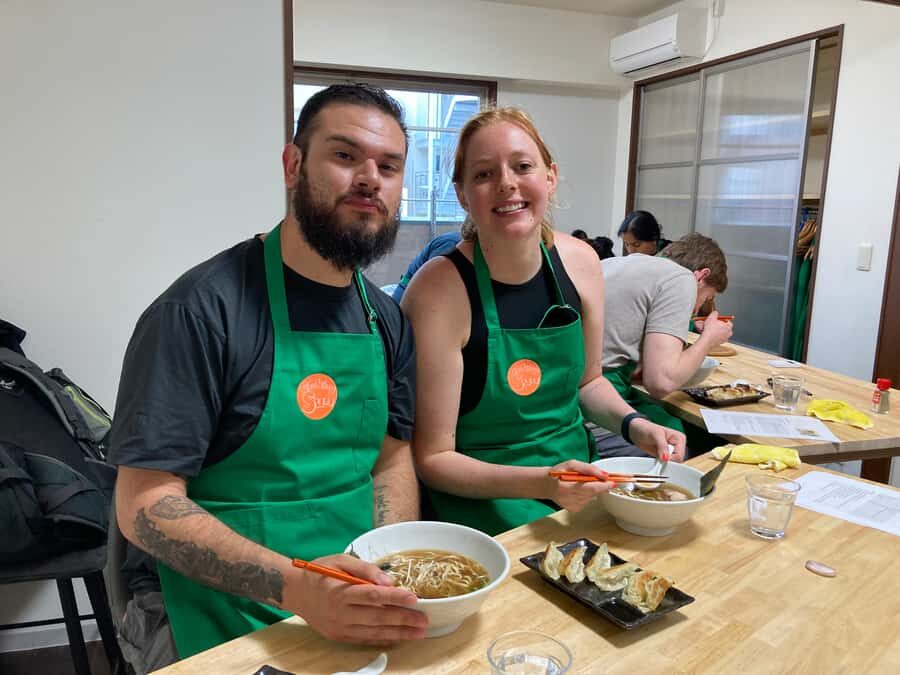
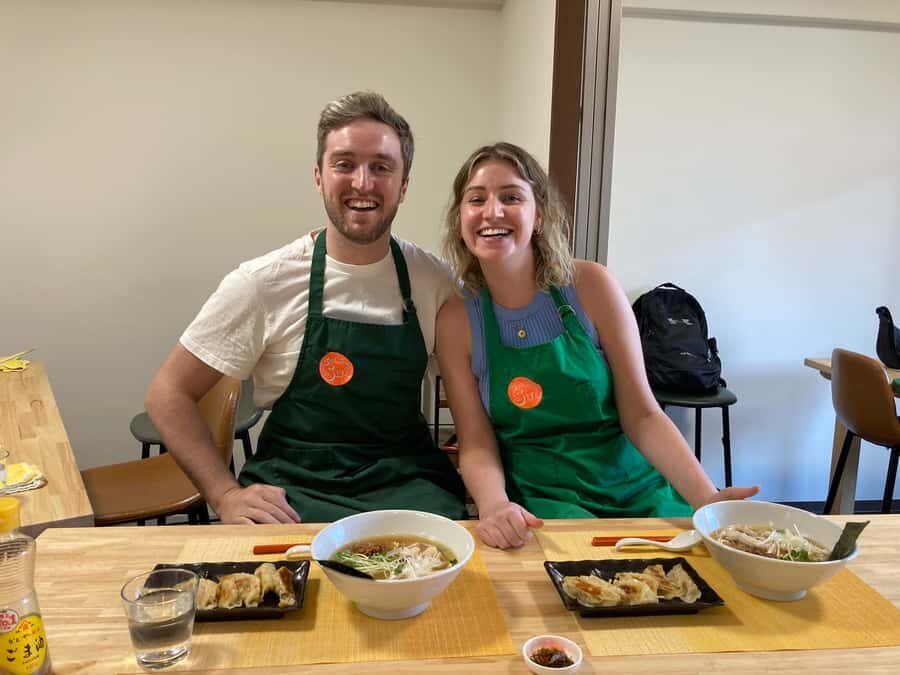
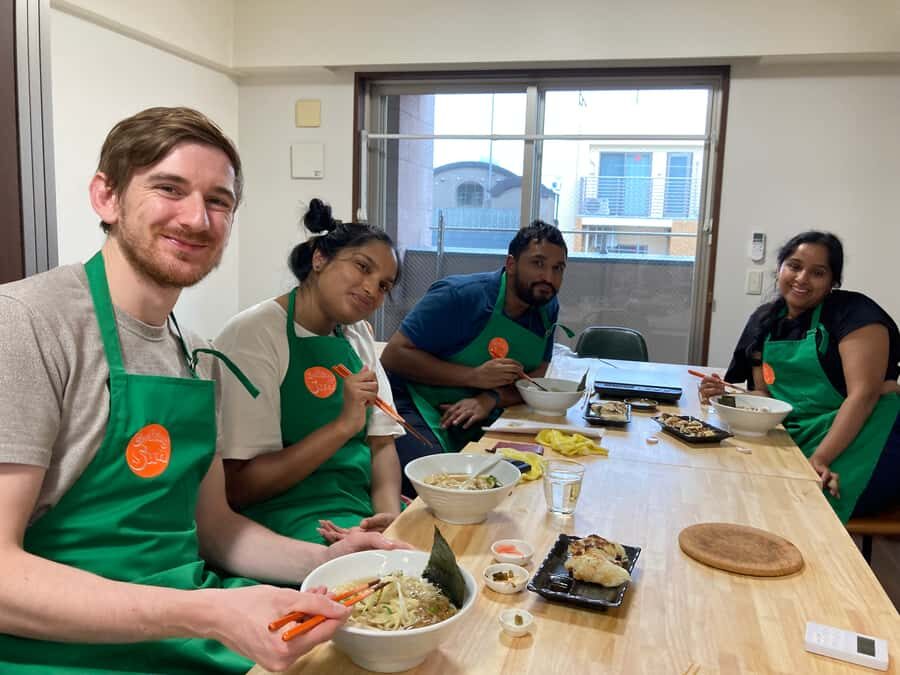
This class ends with the payoff: you eat what you made. Reviews repeatedly mention the finished ramen and gyoza are delicious—so delicious people finish everything. You’re not snacking. You’re sitting down for your own final meal.
You’ll also get more than a memory. Multiple reviews say you can take recipes home, often described as written recipes. That’s a huge value add because it turns the class from a one-day novelty into something you can repeat later.
I’d plan to come hungry. One review specifically warns to show up with an empty stomach. Even with tasting during the steps, you’ll want space for the full meal.
How long does it take? Reviews say around 3 hours, and another mentions it can be about 2 hours. So for planning, I’d treat it as a roughly half-day activity.
You can also read our reviews of more tours and experiences in Osaka




Where to Meet in Osaka: Room 807 and the 呼出 Button
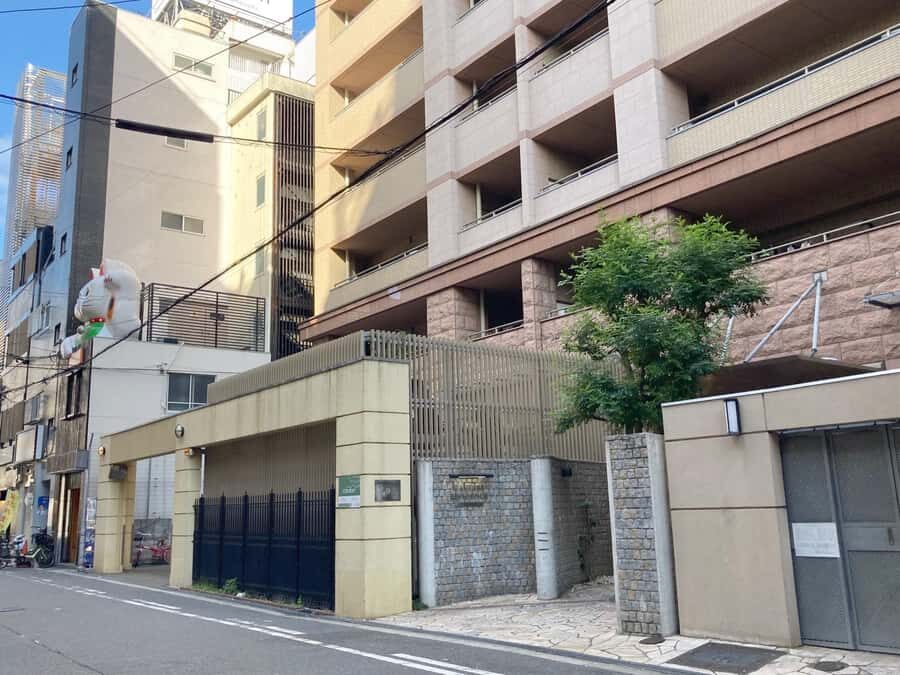
Logistics matter with small classes. The meeting point is Cooking Sun Osaka, room 807. When you arrive, you press 807 and the 呼出 (call) button at the entrance.
No hotel pickup is included, so you’re going to handle getting there on your own. The class also ends back at the meeting point. That’s handy for your schedule because you don’t have to guess transit for a separate drop-off.
One caution from reviews: the building isn’t always the easiest to find. If you hate last-minute searching, give yourself a little extra buffer time. This is the kind of class where being a few minutes early helps you feel calm before you start kneading.
Price and Value: Is $70 Worth It for Ramen and Gyoza?
$70 per person sounds like a splurge until you break down what you’re actually paying for. This isn’t just tasting. You’re paying for ingredients, instruction, and the chance to make two dishes that normally take a lot of practice to do well.
Here’s what makes the price feel justified:
- Two full dishes from scratch, not one quick appetizer
- Hands-on noodle work (kneading and machine cutting)
- Broth-building using chicken bones and dried sardines
- Dumpling-making with a minced chicken filling
- Small-group help with instructors who correct in real time
If you already like Japanese food, this class is a direct path from ordering at a restaurant to understanding why the bowl tastes the way it does. And if you like cooking, it’s a skill-building session you can reuse at home using the recipes you take back.
If you only want to sample ramen without getting your hands involved, this may feel pricier than a meal at a shop. But if you want the process and the technique, it’s money well spent.
Who Should Book This Osaka Ramen and Gyoza Class
This is a strong pick for:
- Couples or friends who want a memorable Osaka activity without a big group
- Foodies who like learning how ingredients behave, not just eating the result
- Families, since reviews include a parent-and-child experience with an 11-year-old enjoying it
It’s also a good choice if you have dietary limits. One review says the class quickly adapted when someone mentioned vegan right at arrival, offering a plant-based option. That’s reassuring if you’re traveling with someone who doesn’t eat typical ingredients.
If you’re the type who hates any kitchen mess, plan for flour handling and dough work. You’ll be making ramen noodles and dumplings. It’s hands-on by design.
Should You Book It?
Yes, I’d book it if you want a practical, skill-focused food experience in Osaka. The class checks multiple boxes at once: hands-on ramen noodles, dumpling-making, English instruction, small-group attention, and take-home recipes. Reviews consistently point to the same strengths—patients teachers, clear timing, and excellent final taste.
Don’t book it if your top priority is a relaxed sightseeing-only day with minimal prep. This is a cooking class, so you’ll be working with dough and learning the process step-by-step.
If you’re on the fence, ask yourself one question: do you want to understand ramen and gyoza, or do you just want to eat them? If it’s the first one, this Osaka class is a solid match.
FAQ
Where is the meeting point?
You’ll meet at Cooking Sun Osaka, room 807. On arrival, press 807 and the 呼出 (call) button at the entrance.
Is hotel pickup and drop-off included?
No. Hotel pickup and drop-off are not included, and the activity ends back at the meeting point.
What language is the class taught in?
The class is offered in English.
What dishes will you make?
You’ll make ramen and gyoza during the class.
Is the ramen made from scratch?
Yes. The ramen noodles are made from scratch using wheat noodles, and the broth is made using chicken bones and dried sardines.
Can you customize the ramen flavor?
You can add various toppings as you like, and you can also add miso to make miso ramen.
Is there a vegan or vegetarian option?
A vegan plant-based option is available, and the class can adapt when a vegan request is made on arrival.
How long is the class?
Reviews describe it as about 3 hours, with at least one note that it can be about 2 hours, so plan for roughly 2 to 3 hours.
How big is the class?
It’s a small-group class. Reviews mention about 7 people and a maximum of around 8 people.
Do you get recipes to take home?
Yes. In multiple reviews, guests mention receiving written recipes that you can take home.