REVIEW · OSAKA
Sushi Making Osaka Roll and Authentic Japanese Sushi Class
Book on Viator →Operated by Sushi Making Tokyo Cooking Class in Japan · Bookable on Viator
Sushi making in Osaka feels like a cheat code for fun. You get a hands-on session to practice Japanese sushi techniques, then you eat what you made, all in a beginner-friendly class near Dotonbori and Shinsaibashi. I especially like that ingredients are prepped for you, so the focus stays on learning the steps instead of hunting for supplies.
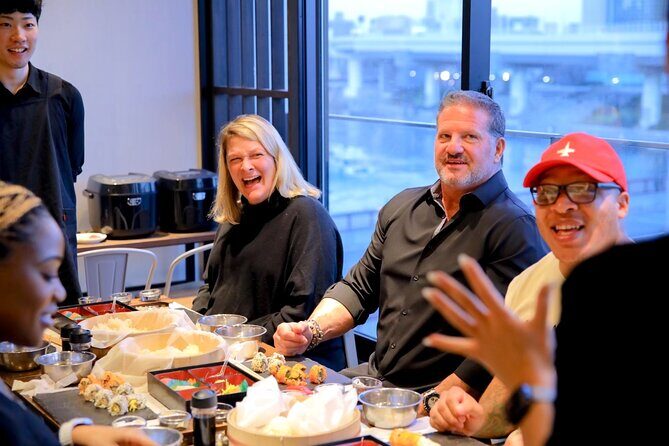
My other favorite part is the coaching. Friendly English-speaking instructors guide you through both sushi rolls and nigiri, and you can ask questions along the way. One possible drawback: a few people felt the session can run a bit fast, with limited time for photos and lingering over every bite.
In This Review
- Key Things That Make This Osaka Sushi Class Worth Your Time
- Entering the Class: Finding Sushi Making Osaka Near Dotonbori
- What You’ll Cook: Maki Rolls and Nigiri, Done Step by Step
- Your Instructor and the English-Friendly Flow of the Lesson
- How Much You Eat: Portions, Meal Setup, and Options
- Time Check for 1 Hour 40 Minutes: What the Session Feels Like
- Price and Value at About $31: Worth It or Skip It
- Should You Book This Osaka Sushi Workshop?
- FAQ
- How long is the sushi making class?
- Where does the class meet in Osaka?
- What is included in the price?
- Is hotel pickup or drop-off included?
- Do I need any sushi or cooking experience?
- Is the class offered in English?
- How many people are in the group?
- Can I cancel for a full refund?
Key Things That Make This Osaka Sushi Class Worth Your Time
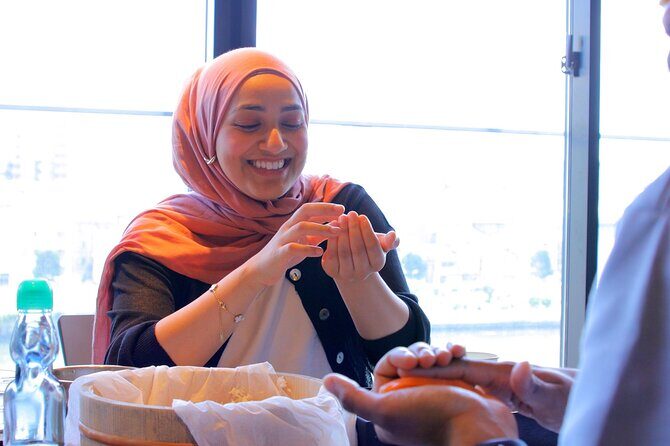
- Prepped ingredients help you start quickly and move through the steps with less stress
- Maki + nigiri practice so you learn more than just one style
- English-speaking instructors with lots of patience for first-timers and families
- Near Dotonbori and Shinsaibashi for easy pairing with Osaka sightseeing
- You eat your results, not just watch and leave hungry
Entering the Class: Finding Sushi Making Osaka Near Dotonbori
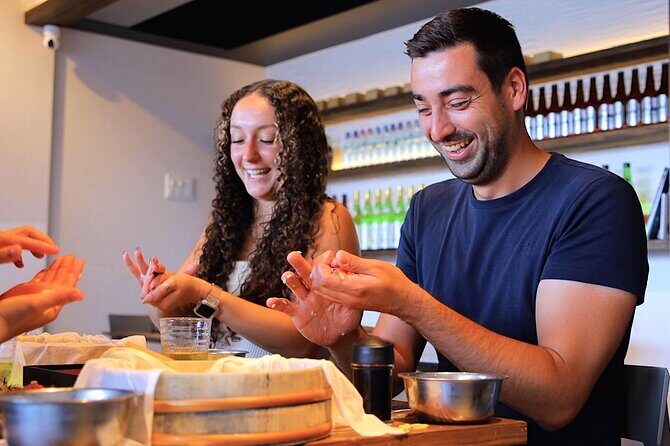
The meeting point is in Higashishinsaibashi, Chuo Ward, at 1-chōme-16-20 Higashishinsaibashi (542-0083). The location is close to the shopping and street-life area around Dotonbori and Shinsaibashi, which matters because it makes this class an easy add-on rather than a major commute.
One detail I think you should plan for: the spot can be a little tricky to find, and it’s not a giant street-corner restaurant. A helpful review notes it’s in a small room on the 3rd floor and only about a block from Dotonbori. So I’d give yourself extra walking time the first time you go.
You’ll also get a mobile ticket, and the class is capped at up to 20 travelers. That smaller group size tends to make the instruction feel more personal, especially if you want help shaping rice or assembling nigiri.
You can also read our reviews of more tours and experiences in Osaka

What You’ll Cook: Maki Rolls and Nigiri, Done Step by Step
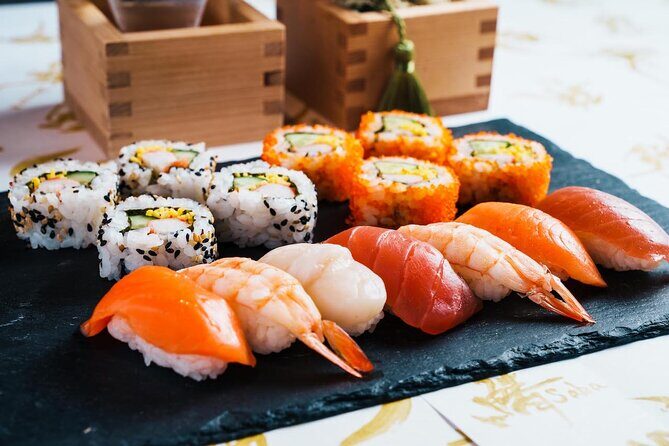
This is not a show-and-tell sushi tasting. You make sushi rolls (maki) and authentic Japanese nigiri step by step. The class description is built around beginner-friendly pacing, and the reviews back that up with plenty of first-timer success.
Here’s the practical payoff: you learn the mechanics of sushi at home level. Rolling and pressing rice takes more technique than most people expect, and the instruction helps you get the structure right. One review even calls out that making sushi is harder than it looks when professionals do it, which is exactly why a lesson is valuable.
You can also expect cultural context. The class includes cultural insights and a bit of sushi history, and multiple reviews mention instructors sharing background along with the hands-on work. That turns the experience from food activity into an actual story you can tell later.
Typical flow (what it feels like in real life): you’ll start with instructions and prepped ingredients, then you’ll form and assemble, then you’ll taste what you made. For many people, the best moment is realizing your sushi is actually presentable, not just edible.
Your Instructor and the English-Friendly Flow of the Lesson
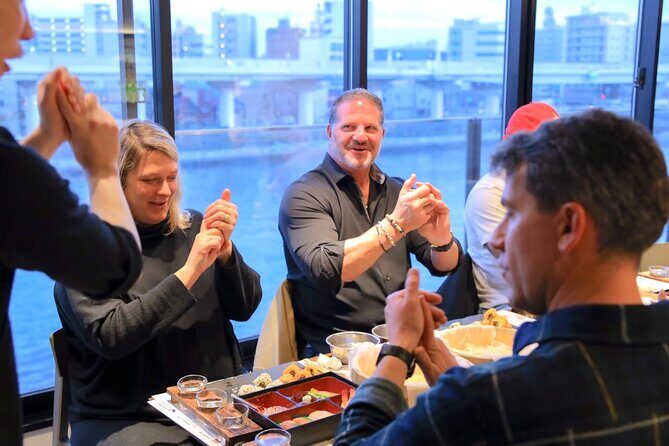
English-speaking instruction is part of what you’re paying for here, and the reviews make it clear that instructors aim to keep things clear and relaxed. One review credits an instructor named Reika and highlights learning history along with the hands-on process. Another praises Fuko for patience, humor, and a thorough explanation for a first father-son class experience.
Other instructor names that show up in reviews include Fujiko, Ina, Aina, and Arisa. I can’t guarantee which instructor you’ll get, but the consistent theme is the teaching style: step-by-step guidance, friendly energy, and help circulating around the table.
This matters because sushi is both technical and touchy. Rice handling, water balance, and how ingredients sit on top all affect the result. When you can ask questions in English and get real feedback, you’re much more likely to leave with skills you can repeat.
One small note to manage expectations: a couple of reviews mention a desire for either more time on making/eating or more emphasis on history versus technique. That suggests the class may vary a bit in how instructors balance explanation with hands-on practice.
How Much You Eat: Portions, Meal Setup, and Options
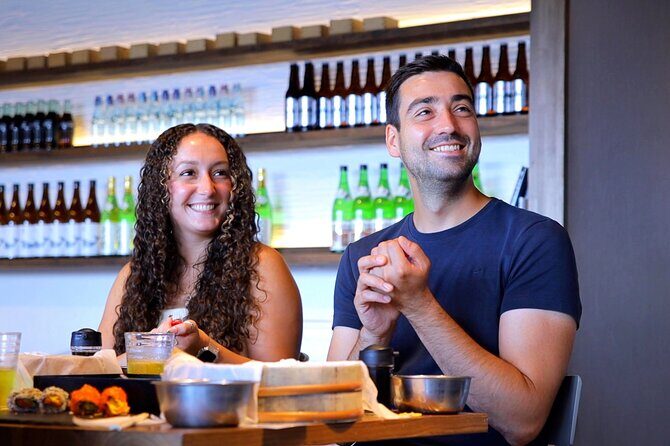
The class includes ingredients and your meal. The big practical win is that you eat what you make, so you’re not paying for an activity that ends before your stomach feels satisfied.
Portions vary based on pace, but one review gives a useful benchmark: you make one maki roll and roughly 4–8 nigiri depending on how fast you move through the session. Another review says the class includes enough sushi for lunch.
Options also show up in the feedback. One person specifically mentions vegetarian and fish options that were tasty. Another review notes trying multiple different types of sushi during the workshop. So if you have a preference, you should plan to communicate it early.
On dietary changes, I’d be realistic. One review mentions difficulty swapping out shrimp for another fish when a guest had a dietary preference, and the message was to note preferences before the activity. So treat dietary details as something you should sort during booking, not as a last-minute fix.
Time Check for 1 Hour 40 Minutes: What the Session Feels Like

The stated duration is about 1 hour 40 minutes. That length is a good sweet spot for people who want hands-on learning without dedicating a half-day. It also explains the mix of instruction and tasting: you’ll learn, you’ll assemble, and you’ll eat—without a long sit-down meal.
Still, pay attention to pacing. A couple of reviews mention the experience can feel rushed and that it may not leave much time for photos or video. So if you’re the type who wants to stop mid-assembly to document everything, you might feel a little pressed.
There’s also a practical comfort factor: the class is described as clean and well run, and many reviews highlight a friendly atmosphere. One review also mentions room lighting wasn’t great for photos, which is worth keeping in mind if you care about picture quality.
My advice: treat photos as a quick documentation tool, not a full production. Aim for a couple of shots at the start and right after you finish your sushi, and then focus on the food and the technique.




Price and Value at About $31: Worth It or Skip It
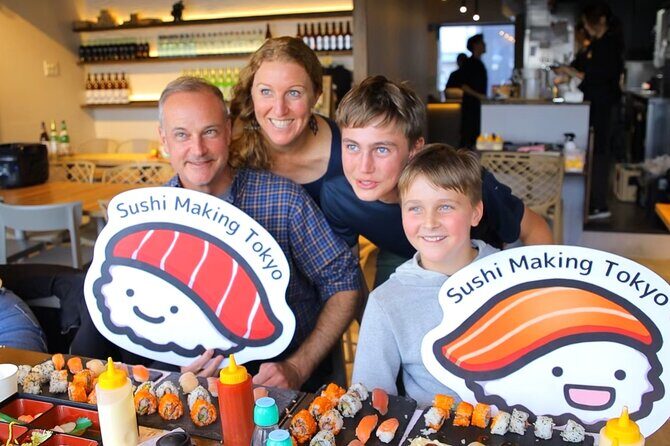
At $31.01 per person, you’re buying more than dinner. You’re paying for instruction, ingredients, and a finished meal at the end. Since the class is capped at 20 and includes an English-speaking instructor, the per-person cost can start to feel fair compared to paying for sushi alone and missing the “how to” part.
Also, this is Osaka. You’ll have lots of tempting food choices nearby, so you want activities that add a skill or a story. This workshop gives you both: you learn sushi construction, and you leave with something you can replicate.
Who gets the best value?
- Beginners who want a structured start
- Families and mixed-age groups looking for an interactive activity
- People who like learning food technique rather than just ordering and eating
A possible value wobble is the time intensity. If you’re hoping for a slow, artsy meal with long photo time and extended history, the class may feel more like a focused workshop than a relaxed dinner party.
Should You Book This Osaka Sushi Workshop?
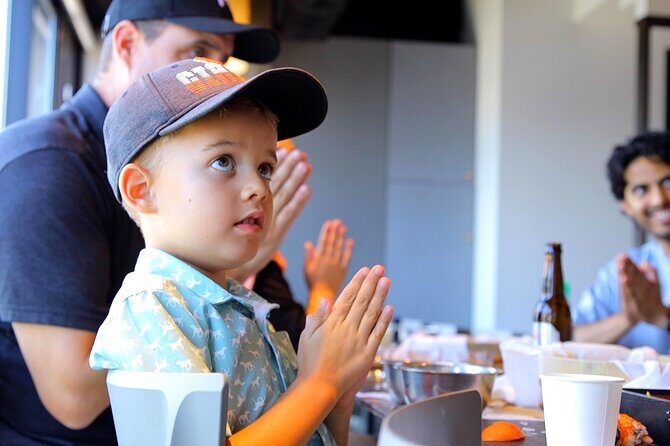
I’d book it if you want a practical souvenir you can actually use. Learning maki and nigiri step by step, eating what you make, and doing it all near Dotonbori and Shinsaibashi is a strong recipe for a memorable Osaka day without complicated planning.
Skip it only if your top priority is lingering time for photos or a very long, slow-paced meal. If your ideal experience is hands-on learning with a clear schedule, this class fits.
If you do book, I’d also:
- note any dietary needs during booking
- give yourself extra time to find the meeting spot (floor 3 is a detail to remember)
- plan to do a couple quick photos, then enjoy the technique and the eating
FAQ
How long is the sushi making class?
The class runs about 1 hour 40 minutes (approximately).
Where does the class meet in Osaka?
It meets at Sushi Making Osaka | Cooking Class in Japan, 1-chōme-16-20 Higashishinsaibashi, Chuo Ward, Osaka 542-0083.
What is included in the price?
You get an English-speaking instructor plus the ingredients for the class and meal.
Is hotel pickup or drop-off included?
No, hotel pickup and drop-off are not included.
Do I need any sushi or cooking experience?
No cooking experience is required.
Is the class offered in English?
Yes, it includes an English-speaking instructor.
How many people are in the group?
The class has a maximum of 20 travelers.
Can I cancel for a full refund?
Yes. Free cancellation is available up to 24 hours in advance for a full refund.