REVIEW · OSAKA
Osaka: Tea Ceremony Experience
Book on GetYourGuide →Operated by The Osaka&Tokyo · Bookable on GetYourGuide
A quiet tea break in loud Osaka. This matcha ceremony packs real tradition into a simple 45-minute ritual, guided in clear English by Japanese instructors in kimono. You’ll learn what each step means, then try making your own bowl.
What I like most is the hands-on matcha part. You’re not just watching; you’re doing it with the proper tools, and you get to taste what you make. The second big win is the pairing with seasonal Japanese sweets, which turns the tasting into something you can actually remember, not just a sip and a photo.
One thing to consider: the experience is peaceful, quiet, and rules-based. If you’re hoping for a lively, sit-and-stroll activity, this won’t be your vibe. Also, it’s in a traditional tatami setup, so plan to be comfortable with floor seating for the full session.
In This Review
- Key things to know before you go
- Why this Osaka tea ceremony feels more authentic than a quick show
- Finding the venue near Dotonbori: address, location, and how to avoid stress
- The 45-minute flow: welcome, demonstration, and your bowl of matcha
- 1) Welcome and introduction in a traditional room
- 2) Live demonstration and tea-serving manners
- 3) Hands-on matcha making and tasting
- The tools and manners: what you’re really learning
- Seasonal sweets: the small pairing that changes the whole taste
- English-first guidance in kimono: hosts that keep it clear and calm
- Price and value: is $25 per person worth it in Osaka?
- Who should book this (and who might not love it)
- A practical tip: how to make the most of your 45 minutes
- Should you book this Osaka matcha experience?
- FAQ
- How long is the Osaka tea ceremony experience?
- Is the tea ceremony guided in English?
- What’s included in the ticket price?
- Where do I meet for the tea ceremony in Osaka?
- Are children allowed?
- What are the main rules during the ceremony?
Key things to know before you go
- Japanese instructors in kimono guide every step in clear English
- Hands-on matcha making using authentic tea tools
- Tatami-room calm with manners and a focus on quiet attention
- Seasonal sweets included, paired to go with matcha
- Fast, focused timing at 45 minutes (short enough to fit sightseeing days)
- Strict behavior rules like no noise, jumping, or bringing food
Why this Osaka tea ceremony feels more authentic than a quick show
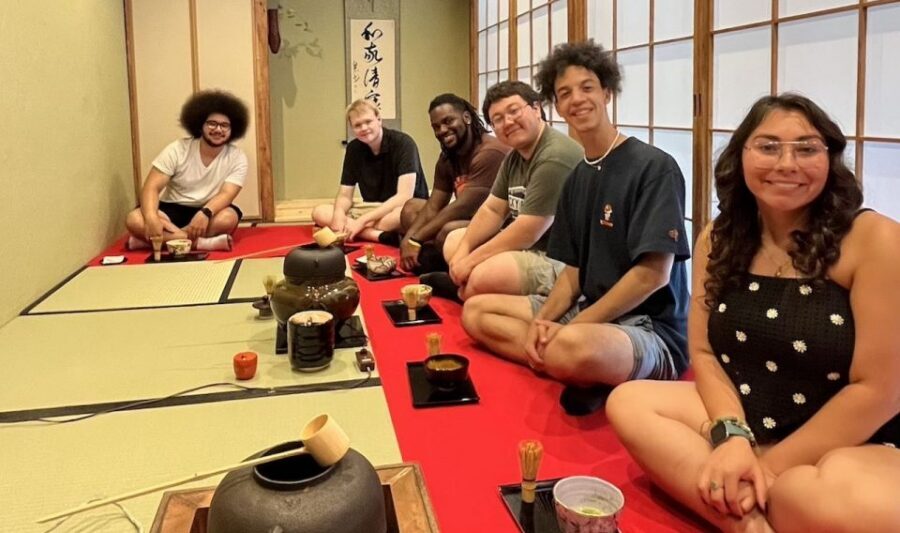
Osaka can be a loud place. That’s why I love that this experience gives you a real pause. Instead of turning culture into a performance for outsiders, the ceremony is taught as a respectful ritual: slow actions, clear manners, and practical context for what you’re doing and why.
A big plus is the way the instruction is designed for visitors. The hosts wear traditional kimono, but the teaching stays visitor-friendly. English is used, and the explanation covers history and meaning, not just the motions. Even better, the instructors are described as having 10+ years of tea ceremony experience, which shows in the pacing and patience.
And yes, it helps that this isn’t one of those “stand in line, take a sip, leave” deals. You get a real sequence: welcome, demonstration, then your own turn to make matcha. That structure is exactly what makes it a cultural intro you can finish feeling satisfied.
You can also read our reviews of more tours and experiences in Osaka.



Finding the venue near Dotonbori: address, location, and how to avoid stress
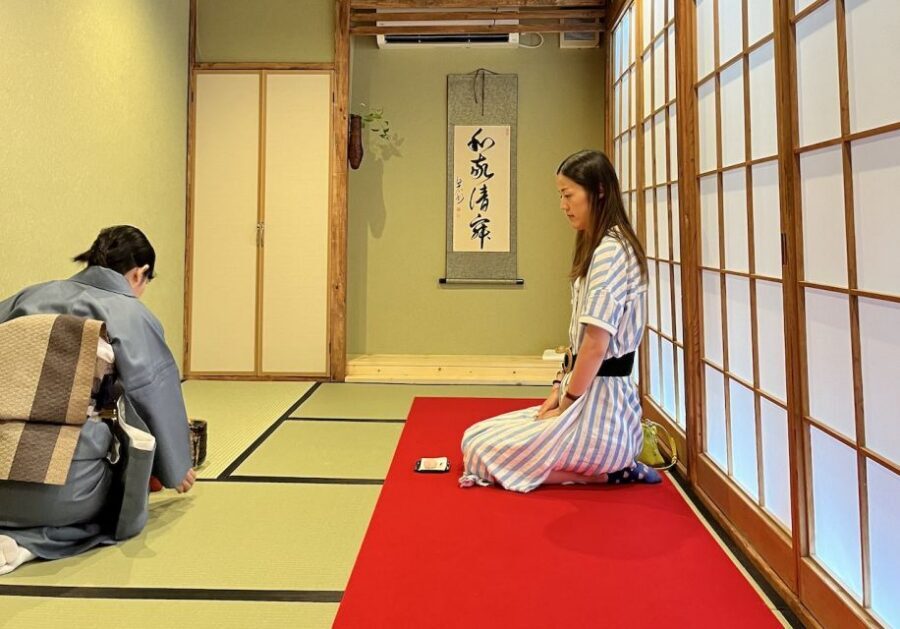
This is the kind of activity where showing up on time matters, because it’s short and the space is tucked away. The meeting point is listed at:
大阪市中央区道頓堀1丁目東5-26, second floor.
There’s also a specific heads-up to use Google Maps to search tea ceremony osaka the osaka, since the address can be easier to verify on the map than by street view alone. Coordinates are listed as 34.66885079999999, 135.5063291.
Practical tip: arrive with extra time to handle normal Osaka surprises, like getting turned around in the Dotonbori area. The guidance also notes that very occasionally some people can’t make it, so showing up a bit early reduces the chance your start gets squeezed.
The 45-minute flow: welcome, demonstration, and your bowl of matcha
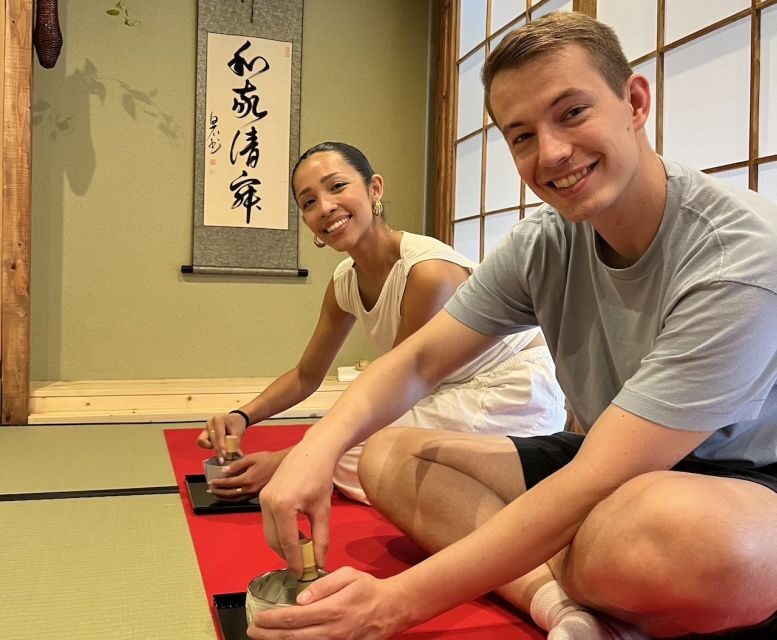
Think of this as a compact “learn and do” session. The timeline is built around three stages, and each one helps you understand the next.
1) Welcome and introduction in a traditional room
You start with a warm welcome in the tatami room. The instructor explains the meaning and history of the tea ceremony, which gives you something to look for while you watch the demonstration. Without that context, a tea ceremony can feel like a sequence of polite gestures. With it, those gestures start making sense.
2) Live demonstration and tea-serving manners
Next comes a live demonstration. This is where you see how the tools are handled and how serving manners fit the ritual. The instructor explains basics of manners while showing what to do. In practice, this is the part that turns matcha from a drink you’ve had before into something you understand as an experience.
I found that this kind of guided modeling is especially useful for first-timers. You don’t have to guess what’s important—someone points it out while it’s happening.





3) Hands-on matcha making and tasting
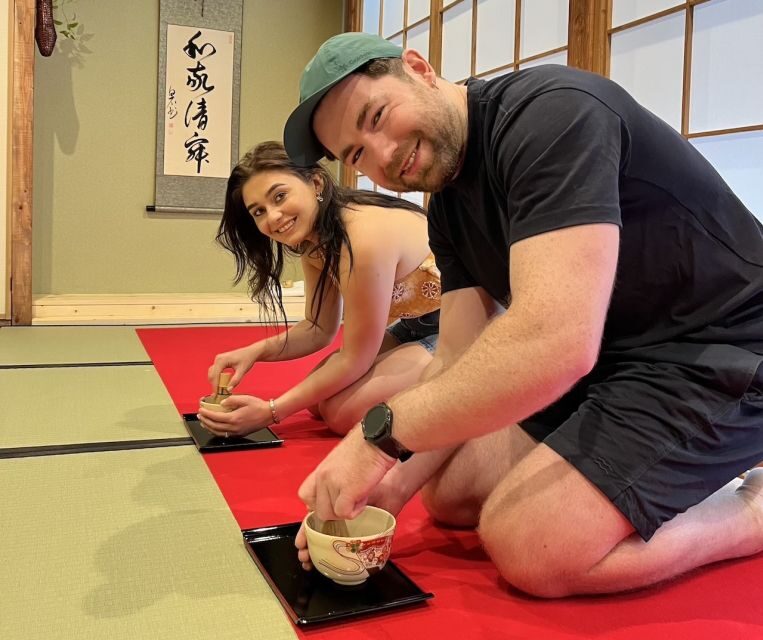
Then it’s your turn. You’ll make your own bowl of matcha using traditional tea tools. The session doesn’t just hand you a whisk and hope for the best. You’re guided through the steps so you can actually produce a drink you’ll enjoy.
After you make the tea, you drink it in the peaceful setting of the tatami room. That moment matters because tea ceremony isn’t meant to be rushed or eaten like a snack. You slow down, taste, and notice the difference between matcha you’ve had casually and matcha made with intention.
The tools and manners: what you’re really learning
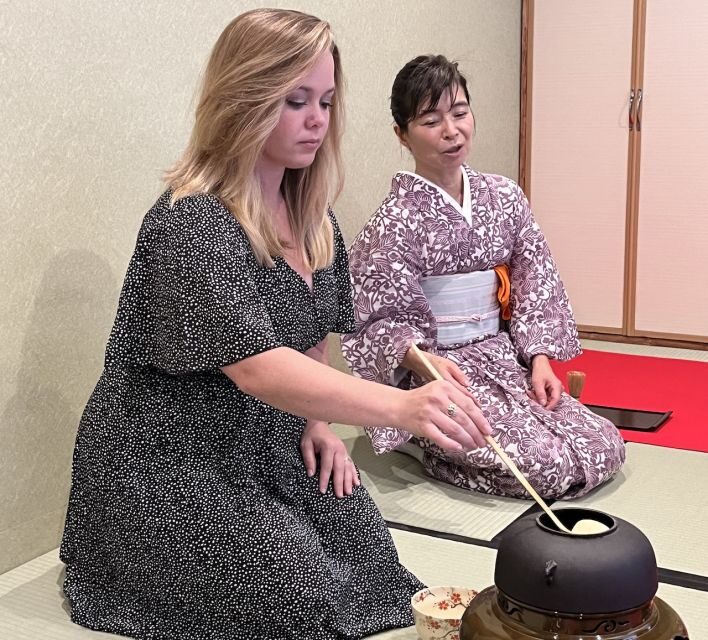
The description calls out authentic tea tools and basic manners of tea serving. That might sound vague until you realize what it’s really doing: it teaches etiquette as a language.
For you, that means:
- You learn that the ceremony is built around respect—toward the tea, the space, and the people sharing the moment.
- You get practical guidance, so you’re not left trying to interpret actions after the fact.
- You understand why the motions happen, not just what the motions look like.
The most praised part across the experience is how clearly hosts explain each step and patiently correct or encourage as you try it. Names that show up in recent groups include Yuki, Akiko, Ayaka, Kazu-san, Mayumi, and Kana. Each host brings their own style, but the common thread is calm instruction and clear English, with plenty of time for questions.
And if you’re the kind of person who likes meaning behind details, you’ll probably enjoy how hosts tie the ceremony parts to symbolism and conduct. That’s the difference between a matcha lesson and a “Japanese culture introduction” that sticks with you.
Seasonal sweets: the small pairing that changes the whole taste
Matcha can be intense if you’re expecting it to taste like sweet iced green tea. The ceremony version is different. That’s why the inclusion of seasonal Japanese confections is such a smart move.
You’re not stuck with one standard snack. The sweets are described as seasonal and meant to go well with matcha. In other words, the snack is part of the timing of the ceremony: you taste, you sip, and the flavors balance.
A lot of the high ratings mention the sweets as a highlight, and not in an afterthought way. People specifically call out that the desserts were delicious and paired naturally with the tea. If you’re deciding whether matcha will be your thing, this sweet pairing is a gentle on-ramp.
English-first guidance in kimono: hosts that keep it clear and calm
The experience is designed for visitors: English is the working language, and you’ll have a host/greeter who speaks it. You’ll also have an audio guide in English included.
What consistently lands well is the combination of:
- Japanese instructors with long practice in tea ceremony
- clear explanations in plain English
- a patient, encouraging tone when you’re making your own bowl
In the feedback, hosts described as gentle, attentive, and passionate show up repeatedly. Akiko is mentioned as gracious and patient. Yuki is praised for kindness. Kazu-san is described as taking time to share history and significance, including details like the meaning of tea bowls. Mayumi is referenced for thorough, gentle explanations. Kana appears as someone who answered questions and made the learning enjoyable.
So if you worry about missing details because you’re not fluent in Japanese, you can relax. The teaching is structured to help you follow along.
Price and value: is $25 per person worth it in Osaka?
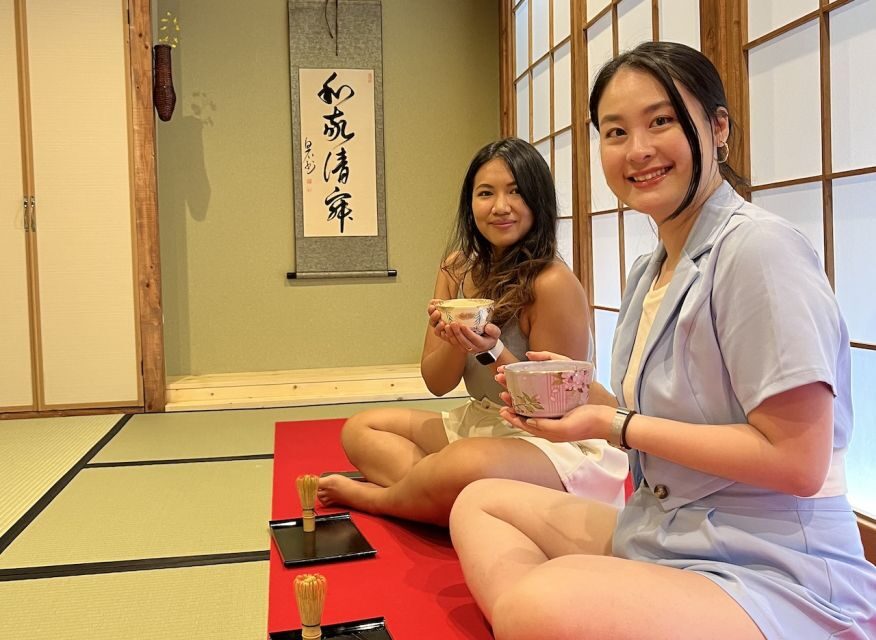
At $25 per person for a 45-minute session, this falls into the “small splurge” category. The value comes from what’s included and how much you actually do.
Included items:
- entrance fee
- matcha (powdered green tea)
- confections
You’re also getting the cost of instruction and cultural context: English guidance, a demonstration, and guided hands-on matcha making. The ceremony is short, but it’s not empty time. You’re learning, then producing something you can taste right away.
In a city where lots of activities cost more and still feel like you just follow a guide from stop to stop, this is refreshingly direct. You leave with a memory that involves your senses: the look of the tea tools, the feel of whisking (even if your first try is imperfect), and the flavor of your own matcha plus a seasonal sweet.
Who should book this (and who might not love it)
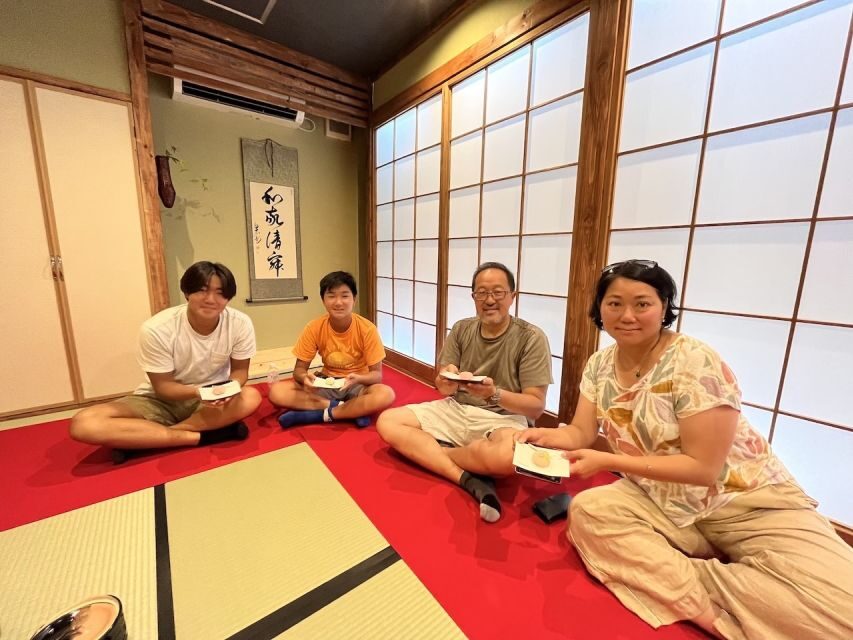
This tea ceremony is a great match for you if:
- you want a calm cultural break from busy streets
- you’re curious about matcha beyond tasting it at a cafe
- you like structured learning (welcome → demonstration → hands-on)
- you want something you can finish in under an hour
It may not be ideal if:
- you need an energetic, interactive, lots-of-movement activity
- you don’t like floor seating in a traditional room
- you’re easily frustrated by rules around noise and behavior
There are behavior restrictions listed:
- no baby strollers
- no baby carriages
- no food
- no jumping
- no making noise
So if your group is the type to get loud while sightseeing, set expectations before you go.
A practical tip: how to make the most of your 45 minutes
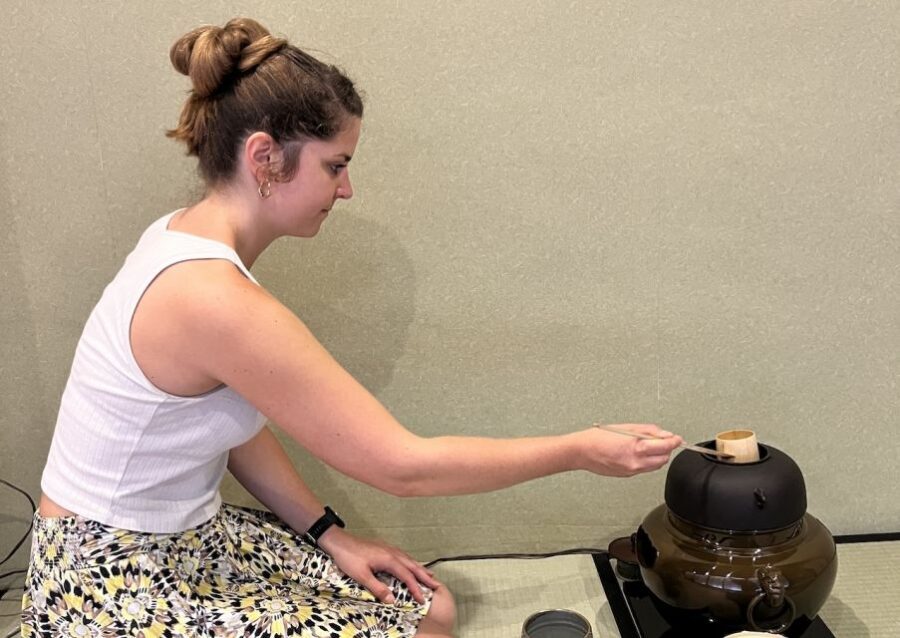
Because the session is tight, your best move is mental, not logistical.
Arrive ready to slow down. When the host explains history and meaning, don’t treat it like filler. That context is what makes the demonstration and your own matcha feel connected.
Also, ask questions. The hosts are described as patient and attentive, and the whole point of an instructor-led experience is that you can clarify anything you don’t understand.
Finally, treat the sweets and tea as part of the same moment. If you rush the tasting, you’ll miss the pairing logic.
Should you book this Osaka matcha experience?
Yes, if you want a calm, authentic-feeling intro to Japanese tea culture that’s actually hands-on. The biggest reasons to book are the clear English instruction, the hands-on matcha making, and the included seasonal sweets that turn it into a real tasting experience rather than a short performance.
I’d be more cautious if you’re shopping for a lively activity or if your group needs a lot of flexibility during the session. The rules are real, the room is quiet, and the focus is ceremony etiquette, not sightseeing chaos.
If you’re visiting Osaka and want one “reset button” activity that’s easy to fit into your day, this is a smart bet.
FAQ
How long is the Osaka tea ceremony experience?
The experience runs for 45 minutes.
Is the tea ceremony guided in English?
Yes. The host/greeter speaks English, and an English audio guide is included.
What’s included in the ticket price?
Your ticket includes the entrance fee, matcha (powdered green tea), and confections (seasonal Japanese sweets).
Where do I meet for the tea ceremony in Osaka?
Use Google Maps to search for tea ceremony osaka the osaka. The address provided is 大阪市中央区道頓堀1丁目東5-26 (second floor).
Are children allowed?
The posted information includes age rules that may need extra attention. It says over 5-years-old children cannot participate, and it also says children aged 5 and above require their own ticket, while entry may be refused for a child under 5. If you’re bringing a child under 4, you should contact the provider in advance.
What are the main rules during the ceremony?
You can’t bring baby strollers or baby carriages, you can’t bring outside food, and the experience prohibits jumping and making noise.