REVIEW · OSAKA
Osaka Michelin Food Tour Experience Kaiseki and Local dishes
Book on Viator →Operated by MagicalTrip Inc. · Bookable on Viator
Michelin kaiseki in Osaka is worth the pause. This 3.5-hour tour blends a Michelin-star kaiseki meal with Michelin-recognized takoyaki, then finishes with a soothing matcha dessert. You also get a quick culture starter at Hibuse Pottery Shrine, so you’re not just eating in random places.
I really like the pacing: you get one refined meal, one lively street-food moment, and enough walking to feel like you’re in Osaka, not stuck inside a restaurant the whole time.
One consideration: the food options are not flexible. Takoyaki contains dashi (fish broth) and octopus and can’t be substituted, and the tour can’t accommodate vegan, gluten-free, or shellfish-allergy requests.
In This Review
- Key Highlights You’ll Actually Feel
- A 3.5-hour Osaka mashup: Michelin dining meets street swagger
- Hibuse Pottery Shrine: the short stop that sets the tone
- Ajikitcho Bunbuan kaiseki: where seasonal presentation matters
- Shinsaibashi shotengai and the tableware shop pause
- Amerikamura takoyaki: the street-food moment you shouldn’t miss
- Matcha dessert near Shinsaibashi or Nanba Station
- Price and value: why $162.58 can make sense here
- What it’s like with the guide (and why that matters)
- Who should book this tour, and who should skip it
- Quick practical tips before you go
- Should you book this Osaka Michelin Food Tour?
- FAQ
- How long is the Osaka Michelin Food Tour?
- Where do I meet the guide?
- What time does the tour start?
- How many people are in the group?
- What food will I eat during the tour?
- Is vegetarian food available?
- Can I substitute takoyaki if I can’t eat certain ingredients?
- Does the tour handle vegan, gluten-free, or shellfish allergies?
- Is the tour rain or shine?
- How much walking is involved?
- What if I need to cancel?
Key Highlights You’ll Actually Feel
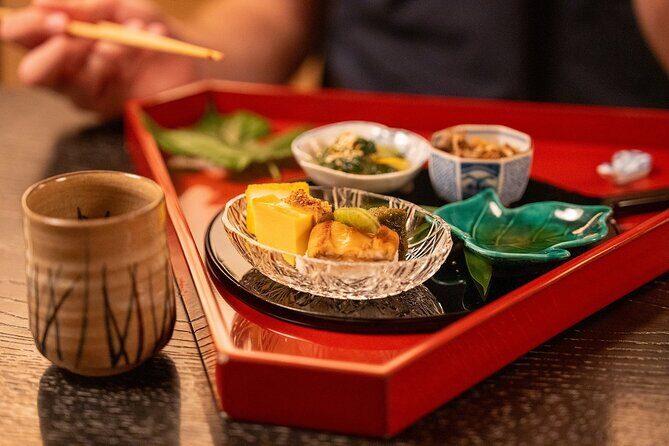
- Michelin-starred kaiseki in a focused, short sitting, not a long formal ordeal
- Amerikamura takoyaki from a Bib Gourmand–recognized shop, hot, crispy, and octopus-forward
- Matcha dessert to cool you down after savory bites
- A small group capped at 6 plus the guide, so questions don’t get lost
- A culture warm-up at Hibuse Pottery Shrine, connected to ceramics and daily life
A 3.5-hour Osaka mashup: Michelin dining meets street swagger
This tour is built for people who want a real Osaka food day without turning it into a scavenger hunt. You start near Shinsaibashi and spend about 2–3 km walking at a leisurely pace, with time to sit, eat, and ask questions. The total time is about 3.5 hours, and the tour runs rain or shine.
What makes it work is the mix. You’ll go from a pottery shrine (local beliefs tied to ceramics), to a seasonal kaiseki meal (the refined side), to Amerikamura (the youth-culture and street-food side), and then to matcha sweetness. It’s one coherent loop, not a checklist of unrelated stops.
Another plus: the tour includes complimentary tour photos. If you like having a few decent pictures without thinking about it, this is a nice add-on.
You can also read our reviews of more food & drink experiences in Osaka

Hibuse Pottery Shrine: the short stop that sets the tone
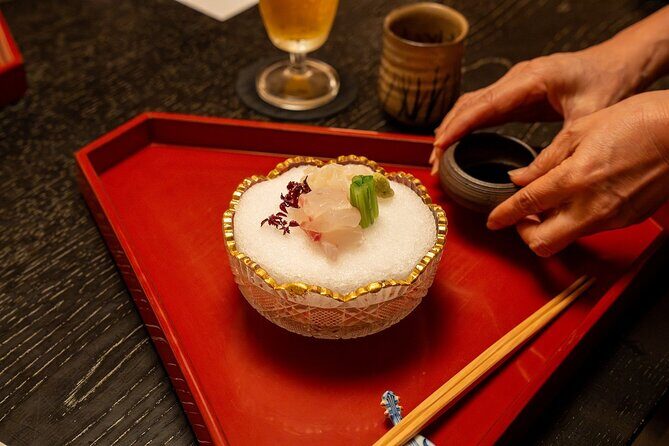
The first stop is Hibuse Pottery Shrine for about 20 minutes. It’s not a long detour, but it helps explain a part of Osaka life you might otherwise skip: locals used to pray there for protection from fire and prosperity in ceramics.
You’ll meet your guide at the 7-Eleven in Osaka (Kutarōmachi) as your starting point, then walk in together and take in the shrine atmosphere briefly. This is also a practical moment to get oriented before the bigger food meals. Even if you’re not a shrine person, this stop gives context for why ceramics and crafts show up in Japanese everyday culture.
Ajikitcho Bunbuan kaiseki: where seasonal presentation matters
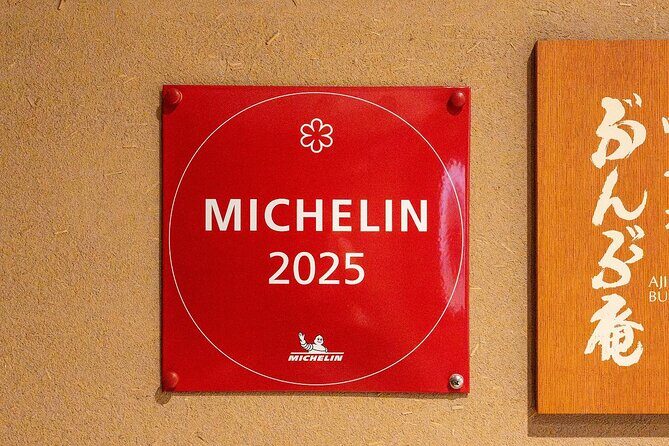
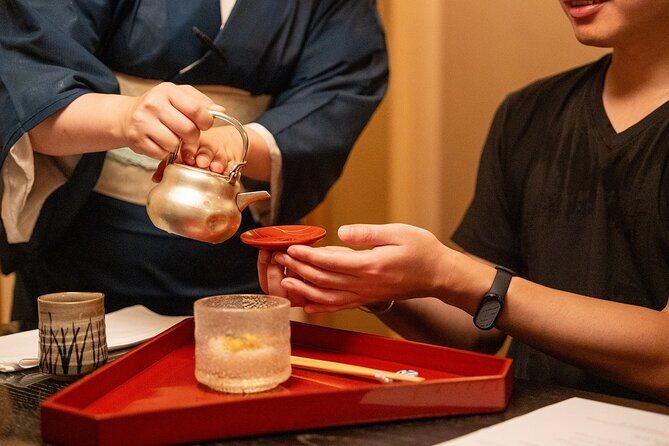
Next comes the main event: a Michelin-starred kaiseki meal at Ajikitcho Bunbuan in Honmachi, about 1 hour. This is a restaurant known for artistic presentation and seasonal ingredients, and it’s served as part of the tour price.
Kaiseki is more than fancy food. It’s usually built around pacing, temperature, and small seasonal cues. In a short tour like this, you get the experience without being stuck for hours in a long multi-course schedule. The included kaiseki comes with tea and water, and you can purchase other drinks if you want.
Practical tip: wear something comfortable enough for a seated meal, but not too casual. The tour notes that moderate attire is appreciated, including avoiding off-shoulder tops for the kaiseki setting. If you’re coming straight from walking around Osaka streets, just do a quick outfit check before you head in.
Also, if you’ve ever wondered how Japanese dining traditions feel when they’re done carefully, this stop is where it clicks. Your English-speaking guide will add context so you can better understand what you’re looking at, not just what you’re tasting.
Shinsaibashi shotengai and the tableware shop pause
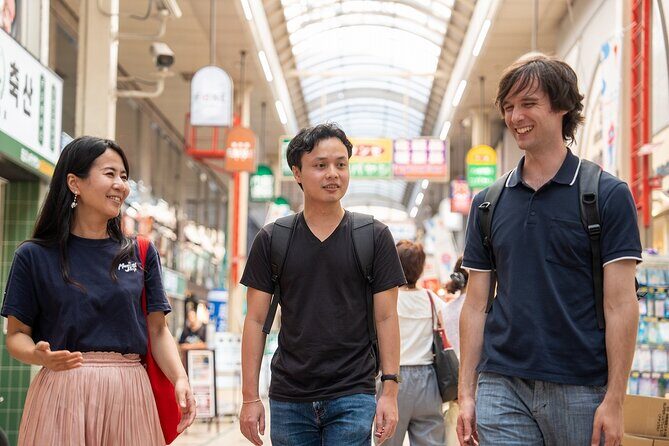
After your kaiseki meal, you head into the Shinsaibashi area for a shotengai stroll. This is about 20 minutes. Shotengai are shopping arcades where locals actually spend time. It’s where you see daily life more than souvenir theater.
Then there’s a second Shinsaibashi stop: a ceramics shop specializing in Imari ware and antique tableware (about 30 minutes). The tour says this shop may be open as scheduled, and your guide may suggest alternatives if needed. Either way, this is a chance to look at everyday ceramics through a collector’s lens.
Why this matters on a food tour: Japanese food culture is tied to the objects around it. A quick tableware look helps you understand why kaiseki presentation is such a big deal. You don’t have to buy anything. Just observe how design and function sit together.
Amerikamura takoyaki: the street-food moment you shouldn’t miss

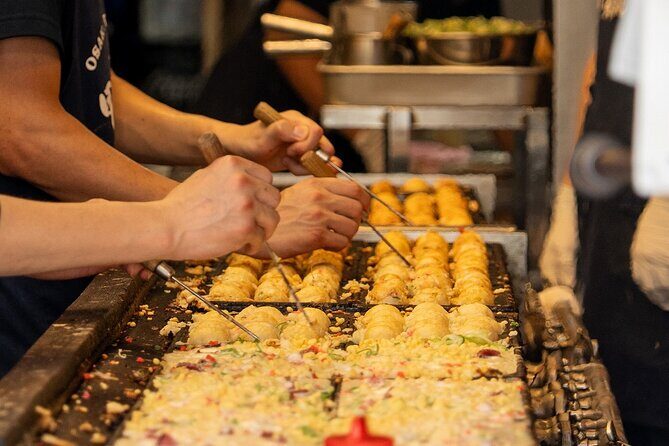
Amerikamura is where the tour turns loud and fun. You’ll spend about 40 minutes tasting takoyaki from a Bib Gourmand–recognized shop. This is Osaka’s iconic snack: crispy on the outside, soft inside, and loaded with octopus flavor.
Here’s the key detail you need to know: takoyaki contains dashi (fish broth) and octopus and can’t be substituted. If you can’t eat octopus or fish-based dashi, the tour indicates they may offer extra matcha desserts instead. Also, the tour notes they can’t accommodate vegan, gluten-free, or shellfish allergy requests.
So, consider this stop your main “street food payoff,” but also your main dietary constraint. If you’re flexible with dairy and seafood-adjacent ingredients, you’ll enjoy this part a lot. If not, plan for the dessert-forward backup.
A practical way to enjoy takoyaki: eat it hot but give it a second to cool just enough that you don’t burn your mouth. The best takoyaki experience is not rushing; it’s balancing heat, texture, and flavor.
You can also read our reviews of more tours and experiences in Osaka


Matcha dessert near Shinsaibashi or Nanba Station
To close out the tour, you’ll get a refreshing matcha dessert at a local tea shop for about 30 minutes. This is included, and it’s a smart finish after a refined meal plus savory street snacks.
Matcha in this context works like a palate reset. You’re not going from heavy to sweet randomly; you’re stepping down intensity. If you end up needing the tour’s takoyaki substitution option, matcha may play a bigger role in your ending.
Your tour ends near Shinsaibashi Station (with the option to finish near Nanba Station as well). It’s a convenient handoff: you’re in a transit-friendly area, so you can keep exploring without backtracking.
Price and value: why $162.58 can make sense here
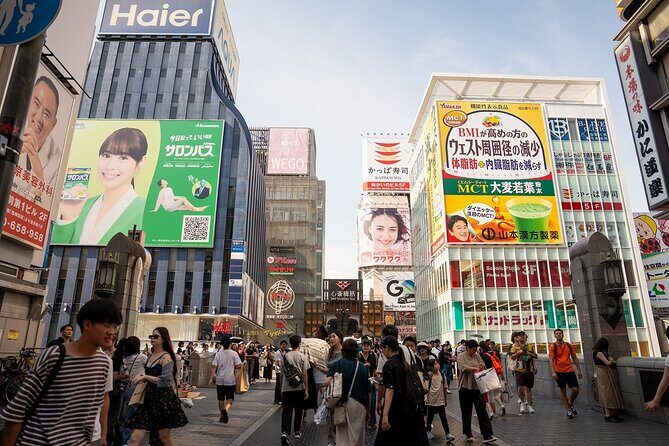
At $162.58 per person, this isn’t a cheap snack run. But you’re paying for three things at once: a Michelin-star meal, a Michelin-recognized street-food stop, and an English-speaking guide who ties it together.
In practical terms, the included items matter:
- The kaiseki meal is included and paired with tea and water
- Takoyaki is included as a dedicated tasting stop
- A matcha dessert is included at the end
- Shrine and other entry items on the stops listed are free
Also, it’s a small group capped at 6 guests plus the guide. That group size tends to improve how much you can actually ask and how smoothly meals are coordinated. If you’ve ever felt lost trying to order and translate at dinner, this kind of guided structure is where the money often feels worth it.
One more scheduling clue: the tour is often booked about 78 days in advance on average. If you want a specific date, don’t wait until the last week. This is the type of experience that fills up.
What it’s like with the guide (and why that matters)
The tour guide is part of the value. The format includes English explanations about Japanese dining traditions, plus time to ask questions as you move between stops.
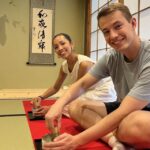
One small detail that stands out from past experiences is the way some guides add cultural fun. For example, guide Chie has been noted for teaching guests how to write their name in Japanese katakana characters. Even if you don’t care about calligraphy, it signals a guide who goes beyond simply reading a script.
If you like learning while you eat—how to interpret seasonal courses, why certain flavors show up, and what to pay attention to—this tour is designed for that.
Who should book this tour, and who should skip it
I think this tour is a strong fit if you:
- Want Michelin-level dining without a full-day schedule
- Like street food but also want explanations (not just random tastings)
- Prefer a small group so your questions don’t get lost
- Are okay with a short walk and a few seated stops
It’s not a great fit if you:
- Need takoyaki substitutions (it can’t be swapped because it includes dashi and octopus)
- Need vegan, gluten-free, or shellfish allergy accommodation (the tour states it can’t do those requests)
- Are looking for fully customizable menus (the tour notes partner restaurants prepare the meals, and allergy-free guarantees or complete dietary adjustments can’t be promised)
Quick practical tips before you go
- Wear comfortable shoes. You’re walking about 2–3 km at a leisurely pace, and you’ll likely want to keep moving between stops.
- Dress appropriately for kaiseki. Moderate attire is appreciated, and off-shoulder tops are discouraged.
- Come ready for a timed start. The tour starts on time, and late guests can’t join, reschedule, or get a refund.
- Keep expectations realistic about swaps. If you can’t eat takoyaki, matcha may be your backup, but other dietary needs aren’t broadly supported.
If you want to handle dinner planning without stress, this tour does the coordination for you. That’s the real convenience.
Should you book this Osaka Michelin Food Tour?
If you want one guided afternoon that combines refined Japanese dining with an iconic Osaka snack, this tour is a solid choice. The kaiseki meal gives you the Michelin experience with structure and explanation, while Amerikamura takoyaki gives you the energy Osaka is known for.
Book it if your diet allows takoyaki ingredients and you’re okay with a fixed menu. Skip or consider alternatives if you need vegan, gluten-free, or shellfish-allergy accommodations, since the tour states those can’t be handled and takoyaki itself can’t be substituted.
FAQ
How long is the Osaka Michelin Food Tour?
It runs about 3 hours 30 minutes total.
Where do I meet the guide?
The meeting point is a 7-Eleven in Osaka at Kutarōmachi (Osaka Kutarōcho 4-chome area). The tour ends near Shinsaibashi Station.
What time does the tour start?
The listed start time is 11:30 am.
How many people are in the group?
The tour has a maximum of 6 travelers plus the guide.
What food will I eat during the tour?
You’ll have a Michelin-starred kaiseki meal, taste Michelin-recognized takoyaki in Amerikamura, and finish with a matcha dessert.
Is vegetarian food available?
A vegetarian course is available only with advance request. Same-day requests can’t be accommodated.
Can I substitute takoyaki if I can’t eat certain ingredients?
Takoyaki contains dashi (fish broth) and octopus and cannot be substituted. If you can’t eat it, you may be offered extra matcha desserts instead.
Does the tour handle vegan, gluten-free, or shellfish allergies?
The tour states it cannot accommodate vegan, gluten-free, or shellfish allergy requests.
Is the tour rain or shine?
It operates rain or shine. In extreme weather, the tour will contact you about changes.
How much walking is involved?
You’ll walk about 2–3 km at a leisurely pace.
What if I need to cancel?
Free cancellation is available up to 24 hours before the experience start time for a full refund. If you cancel within 24 hours, the amount paid is not refunded.