REVIEW · OSAKA
Osaka: Kuromon Market Food Walking Tour (6 stops, 6 tastes)
Book on GetYourGuide →Operated by MagicalTrip · Bookable on GetYourGuide
Food in Osaka is a team sport—and this tour organizes it. I love how the local guide steers you toward great street-food picks at Kuromon Market, and I also love the mix of eats plus kitchenware and shrine-side wandering. One thing to weigh: it’s not gluten-free friendly, and most stops are on foot in crowded areas.
You’ll start near Nippon-bashi, then move through the market and into surrounding streets where Osaka’s food culture shows up in shop signs, knife counters, alley lanes, and late-night lights. For many people, the biggest value is that you don’t spend your time guessing what’s good. Still, you should come hungry—tastings are included, but extra food and drinks are for purchase.
In This Review
- Quick hits: what makes this tour worth your time
- Kuromon Market Food: why 2 hours feels like more
- Meeting point at Nippon-bashi: arrive on time and you’re set
- Stop by stop: how the walk actually flows
- Start area and a short guided warm-up
- Kuromon Ichiba Market: the 30 minutes that matter most
- Sennichimae Doguyasuji Shotengai: kitchenware + souvenir strategy
- Local restaurant pause: a small rest with real payoff
- Hozenji Yokocho: an alley stop that turns the lights back on
- Dotonbori finish: leave with a plan for your next meal
- How the guide makes or breaks your experience
- Food expectations, cravings, and how much you’ll eat
- Dietary limits: what’s possible and what to watch
- Price and value: is $49 fair for what you get?
- Who should book this Kuromon Market food walk
- FAQ
- FAQ
- How long is the Osaka Kuromon Market Food Walking Tour?
- How many stops and food tastings are included?
- How much does the tour cost?
- What’s included in the ticket price?
- Are extra food and drinks included?
- Where is the meeting point?
- Is the tour gluten-free friendly?
- Can vegetarians or vegans join?
- Can the tour handle allergies?
- Is the tour wheelchair accessible?
- What is the cancellation policy?
- Should you book it
Quick hits: what makes this tour worth your time
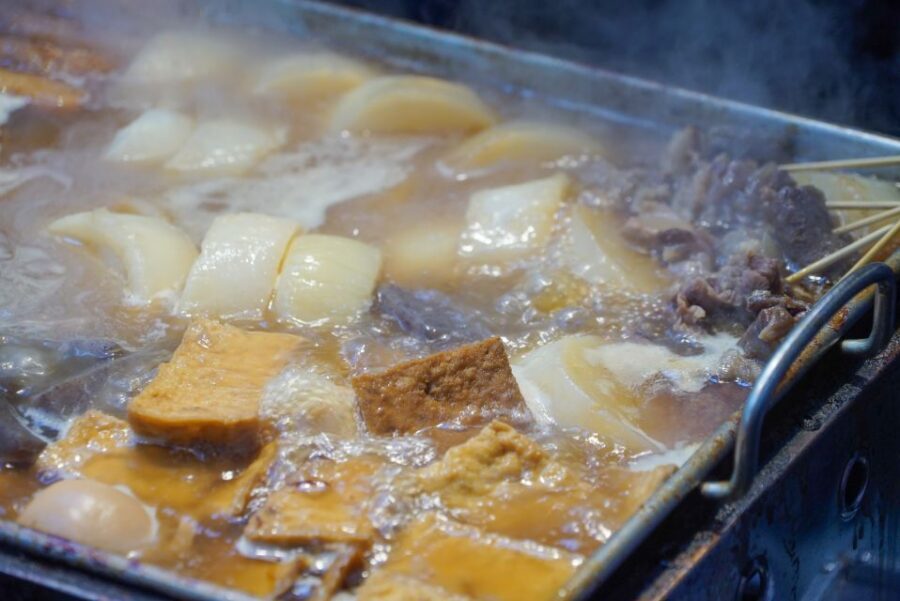
- Kuromon Market tastings (5-6 samplings) that are meant to fill you up, not just “try one bite”
- Local guide help at a crowded market, so you’re not stuck in decision paralysis
- Sennichimae Doguyasuji Shotengai for kitchen knives and tableware shopping ideas
- A shrine/alley moment and a photo-friendly route through classic Osaka streets
- English-speaking certified local guides via MagicalTrip, with plenty of Q&A time
- Tour photos included, so you’re not constantly hunting for someone to take pictures
Kuromon Market Food: why 2 hours feels like more
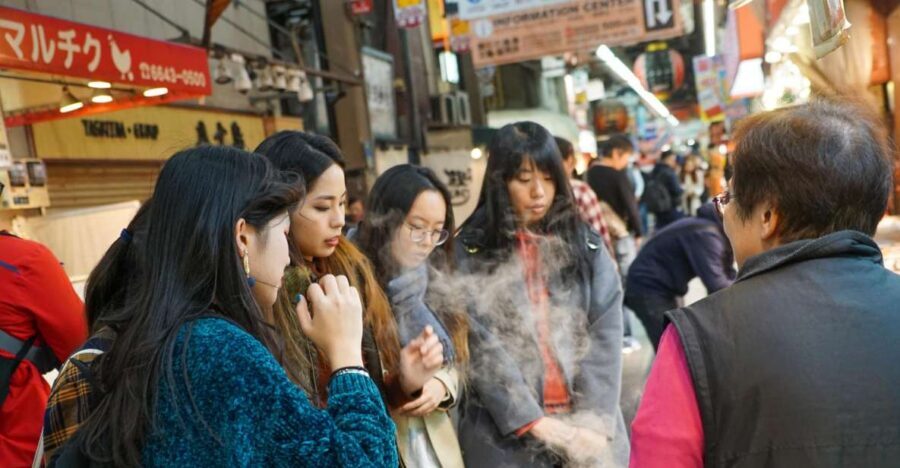
For a first—or second—day in Osaka, this is one of the most practical ways to get oriented. Kuromon Market (often called the Kitchen of the Nation) is where the city’s food habits show up in real time: stall after stall, fish and seafood counters, snack smells, grill smoke, and locals moving with purpose.
What makes the timing work is that the tour isn’t just a snack parade. You get selected samplings across key stalls, plus short guided walks to connect the food to the place. By the time you reach Dotonbori later in the route, you’re no longer wandering blind. You understand how the market ecosystem feeds the rest of Osaka’s dining world.
The price—$49 for a 2-hour, guide-led experience with 5-6 food samplings and tour photos—stacks up well if you’d otherwise pay for a handful of tastings plus the “time cost” of figuring out where to go. It’s also a good deal if you’re the type who likes eating, but hates standing in a crowded line without knowing what to order.
You can also read our reviews of more walking tours in Osaka
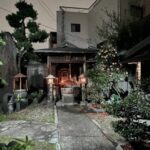

Meeting point at Nippon-bashi: arrive on time and you’re set
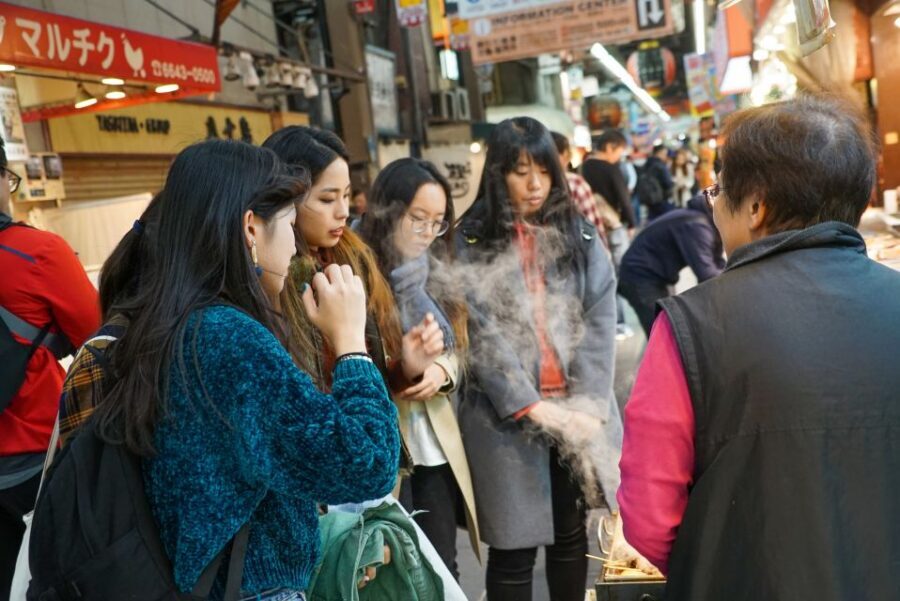
You meet at the SMBC ATM at Nippon-bashi 1chome near Kintetsu Nippon-bashi Station, Exit 10. Your guide will be holding a sign that says MagicalTrip.
This matters more than it sounds. The tour starts on time, and late arrivals can’t join. Kuromon is busy, and the route depends on staying in sync with where each tasting lines up. So I’d treat the meeting point like a train platform: show up a few minutes early, then relax once you spot the board.
Bring cash for any extra food and drinks you want beyond the included samplings. Also note that you don’t need to pay for the guide’s meals.
Stop by stop: how the walk actually flows

Start area and a short guided warm-up
You begin near the Picasso 日本一ビル area, then move into the route with a brief guided stop. This is typically where the guide sets expectations: what you’ll be tasting, how to approach ordering in the market environment, and what to look for as you walk.
Even though this part is short, it’s useful. Markets can be overwhelming, especially when you don’t know the rhythm of Osaka street food—what’s meant to be eaten hot, what’s best freshly grilled, and what’s better to buy and eat right away. This early guidance helps you make faster choices later.
Kuromon Ichiba Market: the 30 minutes that matter most
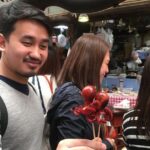
Kuromon Ichiba Market is the heart of the experience, and it’s where you do the real work: the tastings. Expect a mix of seafood and classic Osaka street food. The tour specifically includes examples like:
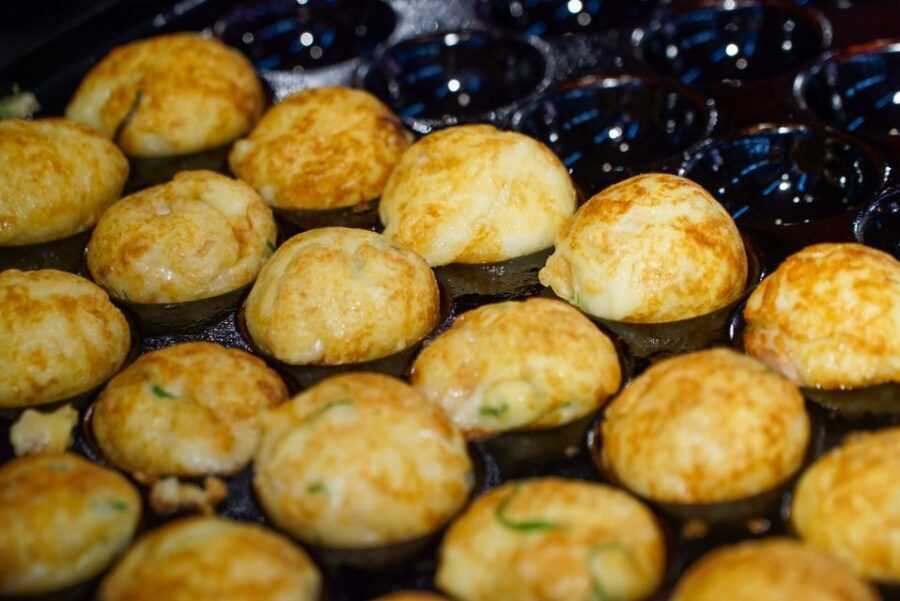
- Takoyaki
- Grilled scallops
- Grilled yakitori skewers
On top of that, the kinds of foods you might encounter across stalls include options like tuna belly sashimi, gyoza, mochi sweets (including strawberry mochi and sakura mochi), taiyaki with red bean paste, roast chestnuts, dried fruits, fresh watermelon, and ice cream sandwich-style treats. Some guides also help you try bolder items that you might not pick yourself, depending on your comfort level.
Why this stop is the best value: you’re not paying for “tour snacks.” You’re sampling enough to feel satisfied—one of the reasons the tour works well as a lunch substitute if you plan your day around it.
A practical note: because Kuromon is crowded, you’ll want to stay flexible about where you stand while ordering and eating. That’s normal here.
You can also read our reviews of more food & drink experiences in Osaka


Sennichimae Doguyasuji Shotengai: kitchenware + souvenir strategy
After the market, the walk shifts from food-only to food-world. Sennichimae Doguyasuji Shotengai is famous for kitchen tools and cooking-related shops—especially the kind of items that make great take-home souvenirs.
This is where you’re likely to spot what one guest called the knife and cookware area. If you like practical souvenirs (things you’ll actually use), this section is a win. It also makes the day feel more than just eating—because Osaka’s food culture shows up in what people buy for their kitchens, not only what they eat on the street.
If you’re thinking about souvenirs, go here with a simple plan:
- Decide your budget first.
- Look for tableware and kitchen tools that match what you can realistically carry home.
- Ask questions if a shop offers different grades or sizes—guides can help with the “what should I get” part.
Local restaurant pause: a small rest with real payoff
The route includes a short stop at a local restaurant. This typically gives you a change of pace from the market flow and a calmer moment to eat and reset—especially helpful if it’s hot or if the market crush starts to feel like too much.
This is also where the guide’s job shines: making sure you get value from the included samplings rather than rushing through them. You’ll usually end up happier if you let the guide steer you, even if you think you already know what you want.
Hozenji Yokocho: an alley stop that turns the lights back on
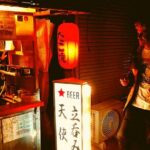
Next comes Hozenji Yokocho, which brings you into classic Osaka alley scenery. It’s a short visit, but the vibe shift is noticeable. You go from dense market energy to a more atmospheric street feel.
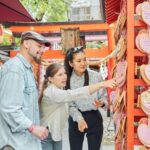
This stop also fits the tour’s photo-friendly style. Multiple people in past departures highlighted that guides took lots of pictures so they didn’t have to constantly ask strangers. If you want nice “I was here” shots without turning your day into a camera job, this is where that support is handy.
Dotonbori finish: leave with a plan for your next meal
You end with time in Dotonbori. This is the part that gives Osaka its global nickname in real life: bright signage, lively street scenes, and a strong lineup of food options just beyond where your tour stops.
The smartest way to use this ending: treat it like your scouting round. You’ve already learned what you enjoy, you’ve tasted the market’s best hits, and now you can focus on choosing what to eat later tonight or tomorrow.
How the guide makes or breaks your experience
In this kind of tour, the guide isn’t just narrating. The guide solves three problems for you:
- Picking the right stalls fast in a crowded market
- Ordering smartly so you don’t miss the best version of a dish
- Connecting food to context so the day feels like understanding, not just eating
English support is a major plus. Past departures have included guides such as Nina, Niko, Aya, Aina, Noz, Niko, and Aiko—often noted for clear English and organized pacing.
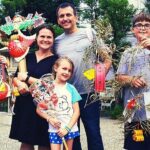
And yes, there’s a human factor too. Many people loved how guides kept the vibe warm and fun, taking questions without making you feel rushed. If you’re traveling with kids or want a calmer pace through the market, a good guide makes that possible.
Food expectations, cravings, and how much you’ll eat
The tour includes 5-6 food samplings. That’s the key number. It’s enough to stop you from feeling like you need to immediately find another meal after.
What you should do before you go:
- Eat lightly beforehand, not a full meal.
- Be ready for hot items served fresh.
- Keep room for sweets. Osaka street desserts show up quickly once you start moving through stalls.
What you should plan for after you go:
- You’ll probably want to return to Kuromon for specific items you liked most.
- Dotonbori at the end often turns into a “now I know what to order” moment.
Also, the tour includes some history and culture context—especially around Osaka’s role in Japan’s food scene. It won’t feel like a museum lecture, but it helps you understand what you’re seeing.
Dietary limits: what’s possible and what to watch
This tour has clear limits:
- Gluten-free requests can’t be accommodated.
- Vegetarian and vegan requests can be accommodated, but options may be limited. You need to inform the provider at least one day in advance.
- Allergy-free meals or substitutions can’t be guaranteed since food is prepared in external kitchens.
If you have food allergies, your safest move is to message the operator in advance with specifics and plan for the possibility that not every desired swap will be available. If your diet is only preference-based (vegetarian/vegan), you’ll usually have a better chance of getting choices that work—still, with limitations.
Price and value: is $49 fair for what you get?
Let’s translate the price into practical terms. You’re paying $49 for:
- 2 hours with a certified local guide (MagicalTrip)
- 5-6 food samplings included
- Tour photos
- A route that adds market food, kitchenware shopping streets, and Dotonbori time
If you tried to recreate this on your own, you’d likely spend money on tastings anyway—and you’d still lose time figuring out what’s best, where the “good” stalls are, and how to navigate the crowds without feeling stuck. That’s the value part: the guide buys you efficiency and better choices.
It also helps that the included tastings are meant to fill you up. You’re not paying for “a taste” that turns into a second meal right after. So the tour works for both food lovers and people who want a short, high-impact introduction to Osaka.
Who should book this Kuromon Market food walk
I think this tour is best for:
- First-time visitors to Osaka who want a clear food introduction
- People who like seafood and Osaka street staples like takoyaki and yakitori
- Travelers who want a guide to cut through market decision fatigue
- Anyone shopping for kitchenware and tableware souvenirs and wants ideas beyond food
- Families and groups that appreciate organized pacing and lots of photo support
It may not be the right fit if:
- You need gluten-free options
- You use a wheelchair (this tour is not recommended for mobility limitations and is not wheelchair accessible)
FAQ
FAQ
How long is the Osaka Kuromon Market Food Walking Tour?
The tour lasts 2 hours.
How many stops and food tastings are included?
The experience includes 6 stops and 5-6 food samplings.
How much does the tour cost?
The price is $49 per person.
What’s included in the ticket price?
Your ticket includes 5-6 food samplings, tour photos, and a 2-hour tour with a certified local English-speaking guide by MagicalTrip.
Are extra food and drinks included?
No. Additional food and drinks are available for purchase, but they are not included.
Where is the meeting point?
Meet in front of the SMBC ATM at Nippon-bashi 1chome near Kintetsu Nippon-bashi Station (Exit 10). The guide will be holding a board that says MagicalTrip.
Is the tour gluten-free friendly?
No. The tour is unable to accommodate gluten-free requests.
Can vegetarians or vegans join?
Vegetarian and vegan requests can be accommodated, but options may be limited. You must inform the provider at least one day in advance.
Can the tour handle allergies?
Allergy-free meals or substitutions cannot be guaranteed because food is prepared in external kitchens.
Is the tour wheelchair accessible?
No. Some locations are not wheelchair or stroller accessible, and the tour is not recommended for those with mobility issues.
What is the cancellation policy?
You can cancel up to 24 hours in advance for a full refund.
Should you book it
If you want Osaka food without wasting half a day figuring out where to go, I’d book this. The mix of Kuromon tastings, kitchenware shopping streets, and classic Osaka walking time gives you both food and context in a tight 2-hour window. Just plan ahead for dietary needs (especially gluten-free), and come with appetite—you’ll get more out of it when you’re ready to actually taste, not just browse.