REVIEW · OSAKA
Full day Highlights destination of Kyoto with Hotel Pickup
Book on GetYourGuide →Operated by Japan tours International by Unemoto LLC · Bookable on GetYourGuide
Kyoto feels huge and tiny at once. In 10 hours, this day trip strings together the classic highlights, with Gion atmosphere and Kinkakuji’s gold-leaf Zen temple as anchor stops. I also like that it’s built for convenience: you get hotel pickup and drop-off, plus an air-conditioned ride with an English-speaking driver to handle the in-between time.
The big tradeoff is the pace. You’re hitting several famous places in a single day, and the host greeter helps with logistics (like ticket guidance and line waiting) but doesn’t provide a full, attraction-by-attraction guided tour. If you prefer slow wandering and a threaded story through the city, you may feel like it’s more of a well-run checklist than a deep discovery day.
In This Review
- Key Points That Matter Before You Go
- What a “Kyoto in One Day” Plan Feels Like
- Getting There Comfortably: Hotel Pickup and Private Transport
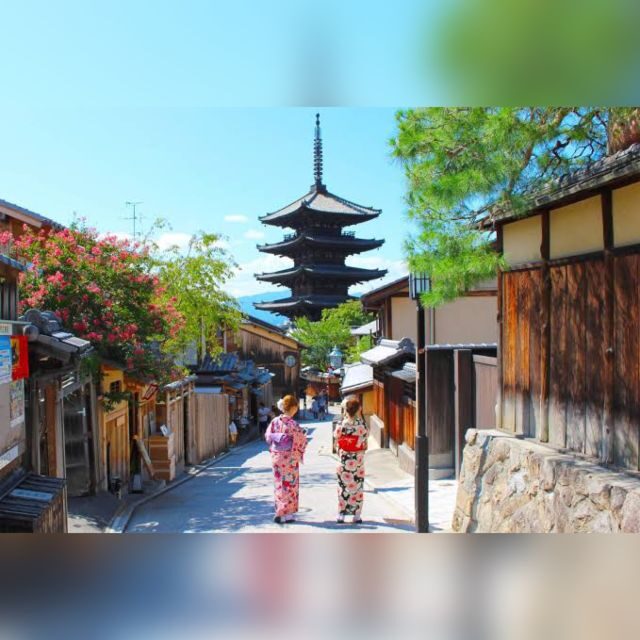
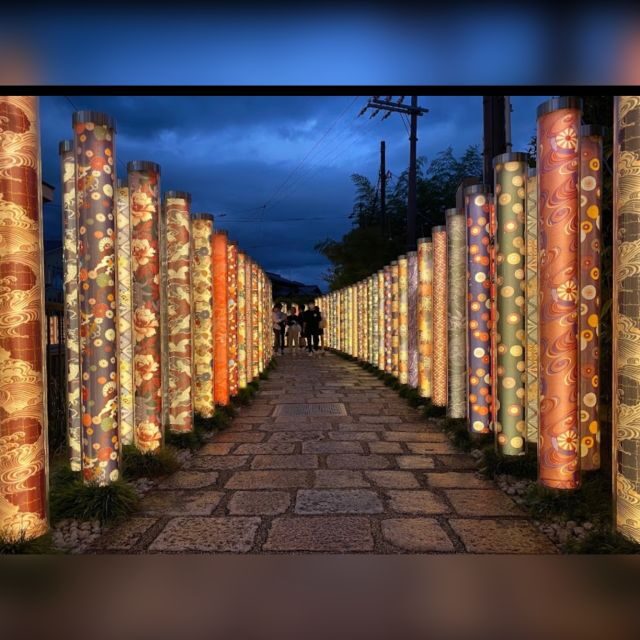
- Gion and Kimono Forest: Geisha-Era Atmosphere, Without the Pressure
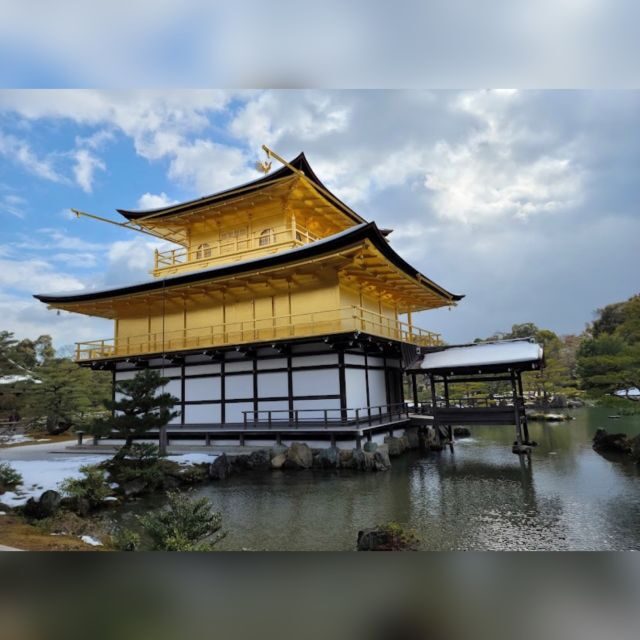
- Kinkakuji (Golden Pavilion): Zen Temple Views in the Middle of the Day
- Fushimi Inari Taisha: The Red Torii Sequence That Pulls You Forward
- Arashiyama Bamboo Forest and Togetsukyo: Photo-Ready Kyoto Scenery
- Kiyomizu-dera: The One You Don’t Skip on a Kyoto Day
- Food, Tickets, and Kimono Rental: What You’ll Pay On Your Own
- Price and Value: Is $600 for Up to Two Worth It?
- Pacing, Crowds, and the One Criticism to Heed
- Who This Kyoto Day Trip Suits Best
- Should You Book This Kyoto Tour?
- FAQ
- How long is the Kyoto day trip?
- Do I get hotel pickup and drop-off?
- Is the transportation air-conditioned?
- What language support is available?
- What sites will we visit?
- Are meals included?
- Are admission tickets included?
- Is kimono rental included?
- What is the cancellation policy?
Key Points That Matter Before You Go
- Hotel pickup saves your Kyoto start: you wait in the lobby for a driver holding a sign with your last name.
- Private group, up to 2: the plan is priced for a small group, which is great for couples or friends who want control over their day.
- Real Kyoto icons on one route: Gion, Kinkakuji, Fushimi Inari Taisha, Arashiyama Bamboo Forest, and Kiyomizu-dera all make the cut.
- Host greeter supports, driver moves: you get help with tickets and waiting in line, not a full guided tour inside each site.
- Rain or shine with comfortable-shoes planning: there may be some walking even if parking is a bit away.
- Kimono Forest is optional but memorable: kimono rental is available, but it’s not included—so you can choose how much budget you spend.
What a “Kyoto in One Day” Plan Feels Like
This trip is designed for people who want the big Kyoto hits without spending a day figuring out trains, timing, and connections. The structure is straightforward: you’re transported around Honshu-based Kyoto between major stops, with the day shaped around named places you can easily recognize on postcards and in photo guides.
Because it’s one full day packed with multiple landmarks, the experience tends to feel like a sequence of “go see this” moments. That can be great if you’re short on time, first-timer in Kyoto, or traveling with limited stamina for transit. It’s less ideal if you want long, unhurried time in one neighborhood or a deeper interpretation of what you’re seeing.
The most practical mindset is this: plan to enjoy each site for what it is, and don’t expect a slow story that unfolds over hours. If you come prepared to ask questions to your driver/greeter and take breaks when crowds get intense, you’ll get more out of the day.
You can also read our reviews of more tours and experiences in Osaka

Getting There Comfortably: Hotel Pickup and Private Transport
You start with one of the biggest benefits: hotel pickup and drop-off. You’ll wait in your hotel lobby about 10 minutes before the scheduled pickup, and the driver will hold a sign with your last name. That sounds small, but it really reduces stress in a city where buses and trains can eat time when you’re moving across districts.
Inside the vehicle, you’ll have air-conditioned transportation and an English-speaking driver (with additional language support listed as Tagalog and Arabic). For many people, that language piece matters more than they expect. It’s not just about directions—it’s about being able to ask, clarify, and adjust the day if you run into a line you want to tackle faster.
One more practical note: the tour runs rain or shine. So if weather changes your walking comfort or your photo plans, you’ll still keep moving. Also, in some areas the parking lot can be a bit away, so expect some on-foot connecting routes.
Gion and Kimono Forest: Geisha-Era Atmosphere, Without the Pressure
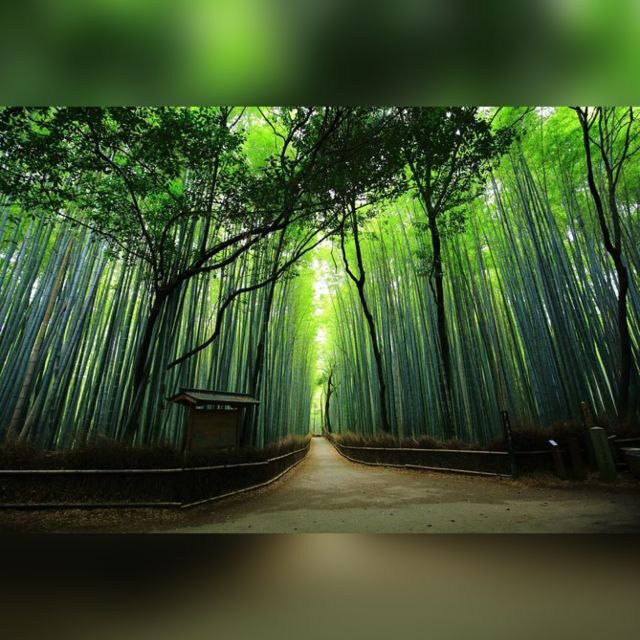
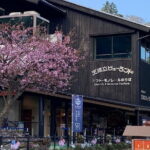
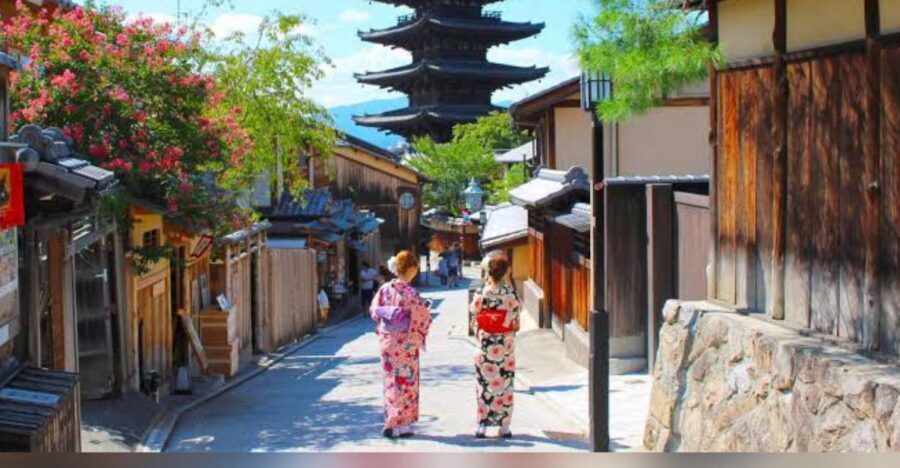
Gion is one of the most famous geisha-related areas in Japan, and it’s a smart starting point for setting Kyoto’s vibe. Even if you only catch parts of the neighborhood, the feel is unmistakable—traditional-styled streets, historic energy, and the kind of scene people come to Kyoto specifically to experience.
What makes this stop more than just sightseeing is the built-in option to pair it with kimono time at Kimono Forest. Since kimono rental is not included, you control how much you spend. That’s actually a good thing: you can rent if you want the full look for photos and atmosphere, or skip it if you’d rather keep your day lighter and spend money on food and admissions instead.
The only “consideration” here is realism. Kimono photos look great, but the day already includes several major stops. If you choose a kimono, plan to treat it as part of the schedule, not something that expands your time needs. Comfortable shoes still win, even if you dress up—Kyoto walking is real walking.
Kinkakuji (Golden Pavilion): Zen Temple Views in the Middle of the Day
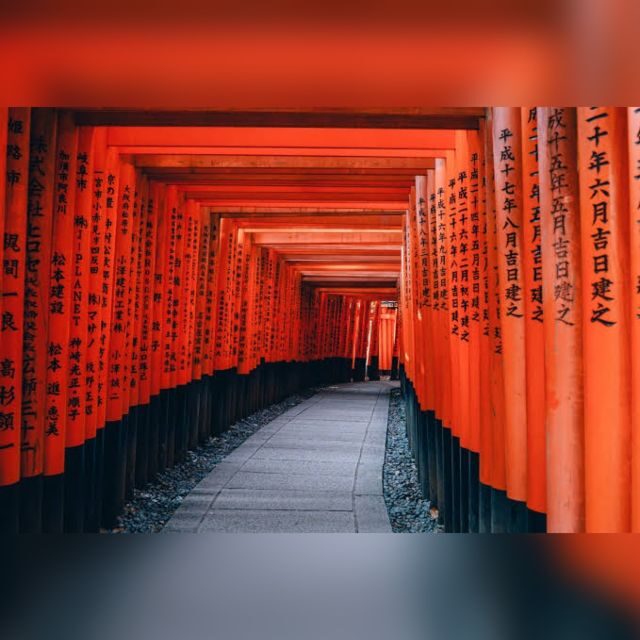
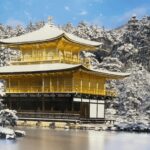
Kinkakuji, or the Golden Pavilion, is described as a Zen temple in northern Kyoto, with the top two floors covered in gold leaf. That detail matters because it shapes what you’re really there to see: the contrast of bright gold surfaces against the temple setting.
In a one-day plan, this stop works as an emotional “anchor.” It’s visually distinctive, easy to recognize instantly, and it gives you a break from the red-gate rhythm of other famous Kyoto sights later in the day. Even if you’re not a temple superfan, the gold-leaf feature is the kind of thing that lands immediately, especially on days when the light feels good.
One thing to keep in mind: temple sites often come with quiet rules and expectation of respectful behavior. Your host greeter’s role is mainly practical—helping with ticket purchasing and waiting in line. That means you’ll want to rely on your own eyes and any quick explanations you ask for, rather than expecting a long guided talk that turns every architectural detail into a lesson.
Fushimi Inari Taisha: The Red Torii Sequence That Pulls You Forward
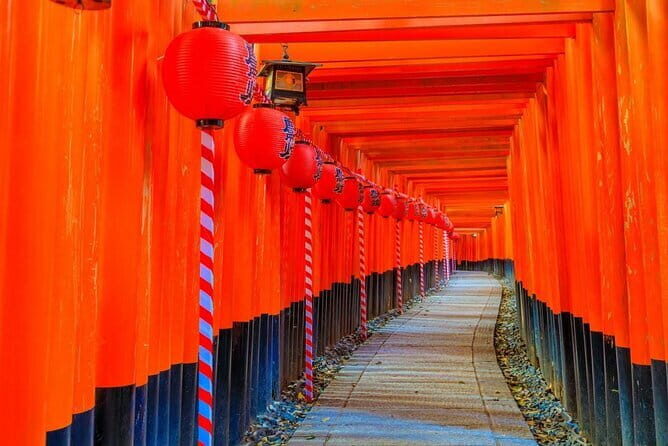
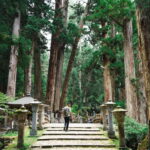
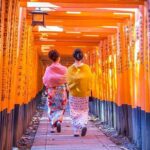
Fushimi Inari Taisha is unique among shrine stops because it’s defined by its iconic red/orange torii gate pathway. The tour info highlights the Shinto focus—Inari, the Shinto god of rice—so you’re not just looking at gates for decoration. You’re seeing a shrine experience with a clear cultural purpose.
The phrase never-ending sea of torri style gates sums up what you’ll feel when you start walking in: you’ll likely keep noticing the next arch ahead, which naturally makes you move forward. That’s great for energy on a day tour, but it also means you might want to pace yourself. If you rush, it can turn into “more gates, less appreciation.” If you slow down, you’ll get better chances for photos and small moments of calm.
Because this is a major named stop, lines and crowds can be part of reality. The host greeter provides guidance around ticketing and waiting in line, which helps you avoid wasting time guessing. Still, if you’re someone who gets frustrated by crowds, it’s smart to keep your expectations flexible here.




Arashiyama Bamboo Forest and Togetsukyo: Photo-Ready Kyoto Scenery
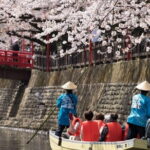
Arashiyama Bamboo Forest is exactly the kind of stop that makes Kyoto feel like a movie set. The tour info calls it out as a famous tourist spot, and it’s also tied to the idea of the Sagano Romantic Train ride, with seasonal mentions like cherry blossoms in spring and maple colors in autumn.
Important: the information you have doesn’t say the train ride is included. But it does explain why the area has that travel draw. Even if you don’t ride, the place is known for it, so you’ll see why people plan around the seasons.
Also on the list is Togetsukyo, the bridge used in many tourist promotion photos. That matters because bridges give you a clear “viewpoint payoff.” After walking around dense natural scenery or crowd-heavy areas, a bridge often functions like a reset: you step into a wide angle and actually take in the setting.
As with other stops, keep your shoes comfortable. Arashiyama can involve uneven ground and regular foot movement. With a rain-or-shine day, surfaces can change, so I’d treat good footwear as part of the trip’s value, not a minor detail.
Kiyomizu-dera: The One You Don’t Skip on a Kyoto Day
You’ll also visit Kiyomizu-dera, and the tour description is clear that it’s a must-see stop. Even without extra details in the tour notes, it’s enough to understand the logic: this is one of Kyoto’s most famous names, and it’s typically chosen in day itineraries because it gives that classic Kyoto temple experience.
In a packed schedule, Kiyomizu-dera is your “final big impression” type of stop. That’s the moment when you should be ready for a longer look, more walking, and the reality that the day is nearing its end. If you want photos, plan them early in your visit here rather than assuming you’ll find perfect light later.
Also, because the tour runs rain or shine, you might see a different feel than dry-day photos. That can be a plus—sometimes temples in light rain feel less hectic—but either way, you’ll get the atmosphere of Kyoto under changing conditions.
Food, Tickets, and Kimono Rental: What You’ll Pay On Your Own
The included items are clear: the trip covers transportation, hotel pickup/drop-off, and the driver plus a host/greeter who helps with ticket guidance and line waiting. What’s not included is your planning budget for the day:
- Food and drinks are not included.
- Admission tickets are not included.
- Kimono rental is not included.
This affects value. The tour isn’t charging you for a full guided experience inside every attraction, and it isn’t trying to bundle entry fees and meals. That means your total spend depends on your personal choices. If you plan to eat out anyway and don’t need a kimono rental, the cost can feel more manageable. If you want kimono rental and you expect to add multiple paid experiences, budget for those add-ons early.
A helpful strategy: decide your kimono plan before you arrive at Kimono Forest. If you’re indecisive on the day, you risk losing time—especially in a tour built around several fixed, famous stops.
Price and Value: Is $600 for Up to Two Worth It?
Pricing is listed as $600 per group up to 2, and the duration is 10 hours. For many visitors, that’s where the math gets real: you’re paying for convenience plus a driver, not for a full-service guided tour inside each site.
Here’s why it can still be good value:
- You’re not paying extra for hotel pickup and drop-off.
- You get air-conditioned transportation across multiple districts.
- You have an English-speaking driver (and additional language options listed).
- You get a host/greeter to help with ticket guidance and waiting in line.
Where it may feel less worth it:
- Admission tickets and food aren’t included.
- The host/greeter doesn’t provide a full guided tour of attractions, so your knowledge and interpretive depth might depend on what you ask and how much reading you do beforehand.
- The schedule is tight. If you hate rushing, you may wish you booked a slower, more flexible Kyoto plan.
So I’d frame the price this way: if your top goal is efficiency and someone else handles transport and logistics, this can be a strong fit. If your top goal is deep storytelling and slow exploration, you might want a different style of tour.
Pacing, Crowds, and the One Criticism to Heed
One key warning sign from past experience: the day can feel like a collection of major sites with limited “linking” between them. That happens when a tour is structured around many famous stops but doesn’t spend time building connections—like local context, neighborhood transitions, or narrative themes—between them.
You can reduce that risk with simple moves:
- Ask your driver/greeter for quick context at each stop (even a couple of minutes can change how a place feels).
- Use short breaks. When you’re tired, you rush. When you rush, you miss.
- Bring your own mini plan: choose one place where you want photos, one place where you want atmosphere, and one place where you want quiet.
Because the host greeter is described as offering guidance rather than full guided tours, you’re the one who will create the deeper “why” behind the “what.” The good news: Kyoto rewards that effort fast.
Who This Kyoto Day Trip Suits Best
This trip works especially well for:
- First-time Kyoto visitors who want the headline stops in a single day
- Couples or small groups (priced for up to two)
- People who want less transit stress thanks to hotel pickup and an air-conditioned vehicle
- Visitors who are comfortable doing some independent exploration once you arrive
It may be less ideal for:
- Travelers who want a fully guided, lesson-style tour inside every attraction
- Anyone who gets cranky with tight schedules and frequent movement across districts
- People who need long time windows at one spot rather than quick stops across multiple icons
If you like being guided on logistics and you’re happy to explore on your own with smart pacing, you’ll likely enjoy the format.
Should You Book This Kyoto Tour?
Book it if you want a 10-hour, hotel-to-hotel Kyoto day that hits the must-see names—Gion, Kinkakuji, Fushimi Inari Taisha, Arashiyama Bamboo Forest, and Kiyomizu-dera—without you spending the day planning transport. The private-group setup for up to two can make the convenience feel worth it, especially if you’d otherwise spend energy coordinating transit.
Skip or consider alternatives if you’re chasing a slower, more connected narrative tour. Since the host greeter helps with tickets and lines but doesn’t offer full guided tours at each attraction, you’ll get the most satisfaction if you’re happy to bring your own curiosity.
FAQ
How long is the Kyoto day trip?
The tour duration is 10 hours.
Do I get hotel pickup and drop-off?
Yes. Hotel pickup and drop-off are included, and the driver will hold a sign with your last name. You should wait in the hotel lobby about 10 minutes before pickup.
Is the transportation air-conditioned?
Yes. The tour includes transportation in an air-conditioned vehicle.
What language support is available?
The driver is listed as English-speaking, and the tour also lists Tagalog and Arabic language support.
What sites will we visit?
The plan includes Gion, Kimono Forest (kimono rental available), Kinkakuji, Fushimi Inari Taisha, Arashiyama Bamboo Forest (including reference to the Sagano Romantic Train area), Togetsukyo, and Kiyomizu-dera.
Are meals included?
No. Food and drinks are not included.
Are admission tickets included?
No. Admission tickets are not included.
Is kimono rental included?
No. Kimono rental is not included.
What is the cancellation policy?
Free cancellation is offered up to 24 hours in advance for a full refund.