REVIEW · OSAKA
Osaka: Full-Day Sightseeing Tour by Private Vehicle
Book on GetYourGuide →Operated by Pinpoint Traveler · Bookable on GetYourGuide
Osaka can feel like two cities in one day: ancient temples in the morning, neon street life later. This full-day private vehicle tour strings the best of both together with a guide who explains what you’re actually looking at, not just where to stand for a photo. I especially like how the route balances major sights with stop-and-snack neighborhoods like Shinsekai and Dotonbori.
I love two things about the experience. First, you get a guided visit at places that are easy to misunderstand on your own—like Osaka Castle grounds and Shitennoji Temple—with clear context built in. Second, you’re not stuck eating generic tourist food: the day includes high-end stops around Harukas and then the more famous Kuromon Ichiba Market with a local feel and deep history.
One thing to plan for: this is a private vehicle day, but it still includes considerable walking. Wear comfortable shoes and expect a packed schedule that you can slightly reshape if you tell your guide what matters most.
In This Review
- Key highlights worth your attention
- Why Osaka feels older (and stranger) than Tokyo
- Price and logistics: what you’re really paying for
- Riding in comfort: the private vehicle part that actually matters
- Osaka Castle: the views are only half the story
- Shitennoji Temple: why the oldest temple matters here
- Shinsekai: Osaka street culture, food energy, and old-school games
- Abeno Harukas 300: sky views and a food-focused marketplace below
- Dotonbori: the Times Square-style energy, plus real stories
- Kuromon Ichiba Market: where history meets smart eating
- Lunch timing: flexible, but plan your appetite
- Customizing your private tour (without losing the best parts)
- Who should book this Osaka private day?
- Should you book this tour?
- FAQ
- How long is the Osaka full-day private sightseeing tour?
- What does the tour cost per person?
- Where can you be picked up, and where can you be dropped off?
- Are meals included in the tour price?
- What languages are the live guides?
- Is there any walking on the tour?
- What sights are included on the day?
- What’s the cancellation policy and how does payment work?
- Is the tour wheelchair accessible?
Key highlights worth your attention
- Osaka Castle + Shitennoji Temple in one day, with a guided pace that helps you make sense of the landmarks
- Shinsekai and Dotonbori for that modern Osaka street culture, including the famous quirky styling of the area
- Abeno Harukas 300 glass elevator ride and wide city views, plus a marketplace below focused on food
- Kuromon Ichiba Market with a history-and-vibe combination that’s great for eating your way smart
- Private vehicle comfort with hotel pickup/drop-off from Osaka, Kobe, or Kyoto options
- Customizable flow, so you can spend more or less time where your interests land
Why Osaka feels older (and stranger) than Tokyo
Osaka gets a reputation for food and nightlife, but what I like about this tour is that it gets you there with context. The day starts with Osaka Castle and then heads to Shitennoji, described as the oldest Buddhist temple in Japan. That sequence matters: it reframes Osaka from the start, so later neighborhoods like Dotonbori feel like part of a longer story, not just a late-afternoon detour.
The guide’s job is basically translation. They connect what you see—architecture, temple layout, neighborhood street design—to how Osaka merchants and local culture shaped the city over centuries. It’s the difference between checking boxes and actually understanding why a place looks the way it does.
You can also read our reviews of more private tours in Osaka
Price and logistics: what you’re really paying for
At $245 per person for a 450-minute day (7.5 hours), the value is in the combination: private transport plus a local guide plus pickup and drop-off. In Japan, that can be the difference between a stressful day of train transfers and a calmer one where you can focus on walking and eating instead of route planning.
A few practical points that affect your day:
- Food and drinks are not included, so budget lunch and snacks.
- Timing can shift due to traffic and real-world conditions, so the day is flexible in practice even if the plan looks structured on paper.
- The itinerary is a model course. Your guide can adjust stops based on your interests.
Also worth noting: this is a private group, and for groups of 7 to 9, a larger vehicle is used. If you’re coming with family, friends, or a mixed crew, the private setup usually keeps everyone from getting dragged along at someone else’s pace.
Riding in comfort: the private vehicle part that actually matters
A “private vehicle tour” sounds simple until you try it in a busy city. Here, the vehicle reduces friction in three ways:
- You’re not constantly switching trains.
- You get dropped close to where you’ll walk.
- Your guide can keep the day moving even when Osaka traffic gets stubborn.
Hotel pickup and drop-off are included, and pickup is available in Osaka, Kobe, or Kyoto, with pickup optional if you’re staying in Kyoto. Drop-off also covers those three locations. That’s a big deal if you want to keep your evenings open elsewhere instead of planning a second round of transport.
The catch is walking. The tour includes multiple guided walking segments—especially in Shinsekai, Dotonbori, and Kuromon Ichiba—so treat comfortable shoes as mandatory, not optional.
Osaka Castle: the views are only half the story
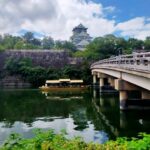
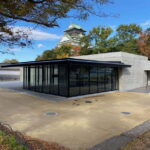
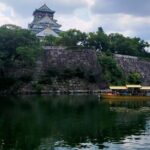
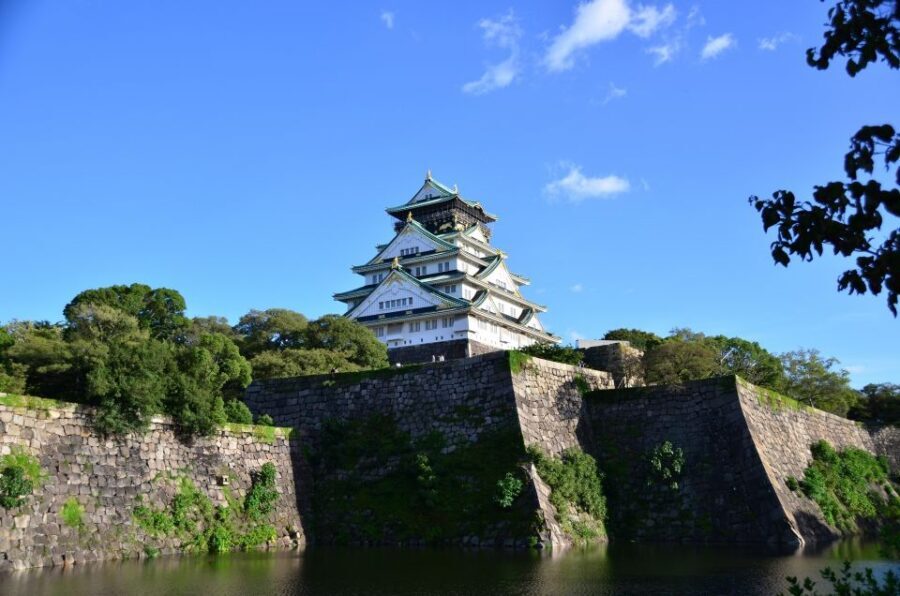
Your first real stop is Osaka Castle. You’ll explore the grounds with a guide for about 75 minutes. On your own, castles can feel like big walls and a few photo angles. With a guide, it’s more like a lesson you can walk through: why the site matters, how it fits into Osaka’s power history, and what the exterior views are meant to convey.
The most practical reason to include it early: you’ll want the energy for walking and viewpoints. The castle area can also be a good reset point before you switch gears to temple culture and street neighborhoods.
What to watch for:
- Take a slow turn around the grounds. Don’t rush to the first view because the best angles often come after you’ve walked a little.
- Bring your phone camera strategy, but don’t spend the whole time filming. The guide will point out details that are easy to miss when you’re locked onto one skyline shot.
Shitennoji Temple: why the oldest temple matters here
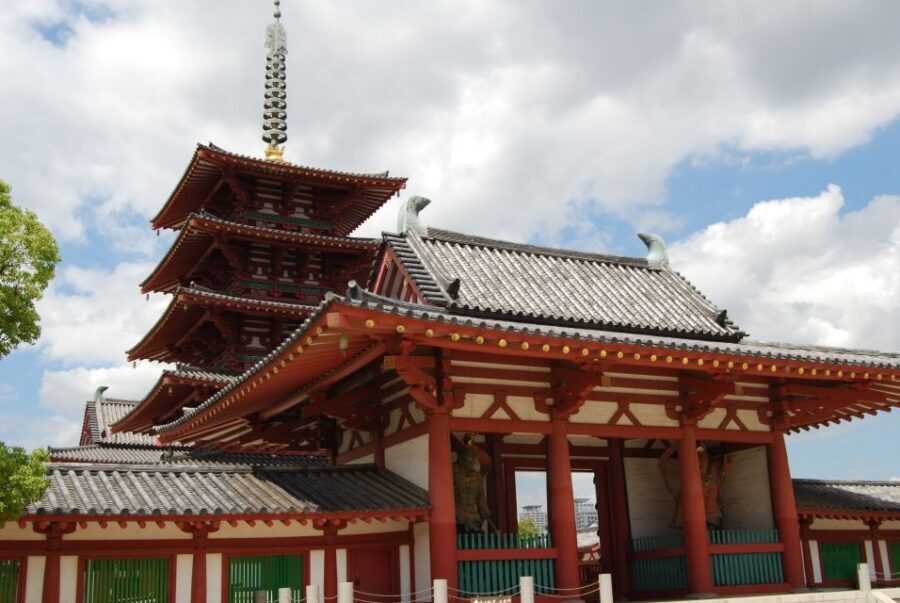
After the castle grounds, you’ll go to Shitennoji, visited for about 1 hour with a guide. The tour frames it as the oldest Buddhist temple in Japan. Even if you don’t memorize dates, this stop gives you a baseline for Osaka’s older spiritual roots.
A temple visit changes the tempo. You slow down. You notice how space is arranged for worship and movement. You also get a more grounded sense of Japanese culture beyond the shopping and the street food.
Practical tip: wear shoes you can stand in comfortably. Temple courtyards are worth lingering, and a guided hour can move quickly if you try to rush your own pace.
You can also read our reviews of more tours and experiences in Osaka

Shinsekai: Osaka street culture, food energy, and old-school games
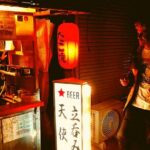
Next comes Shinsekai for about 30 minutes of guided sightseeing. This is where Osaka gets fun in a different way. Think local foods, old-time games, and the area’s famously odd style sense. In other words: this isn’t just a photo stop. It’s a chance to see how people play, eat, and hang out.
Why this stop works in the middle of the day: it’s a bridge between major cultural landmarks and the bigger neon energy later at Dotonbori. You’ll feel the shift immediately—less solemn, more everyday life.
What I like about including Shinsekai: it teaches you how Osaka’s personality shows up in small details—signs, snack formats, and street-level entertainment. Even if you don’t stop to eat every bite here, you’ll leave knowing what to look for later.
Abeno Harukas 300: sky views and a food-focused marketplace below
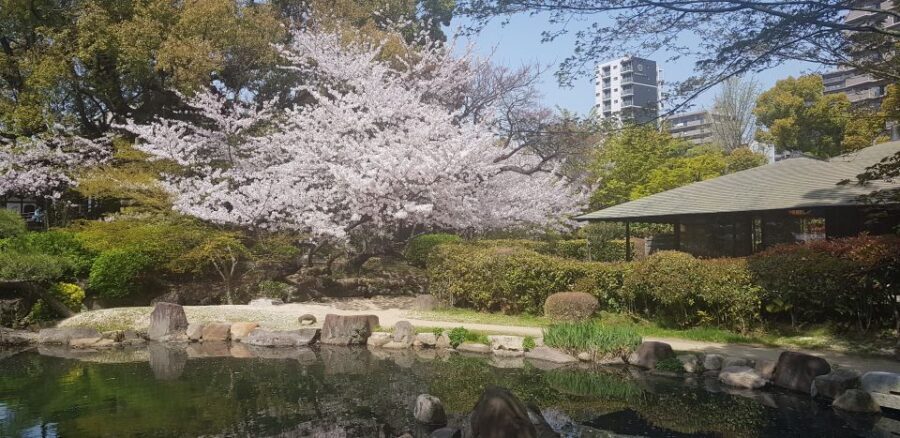
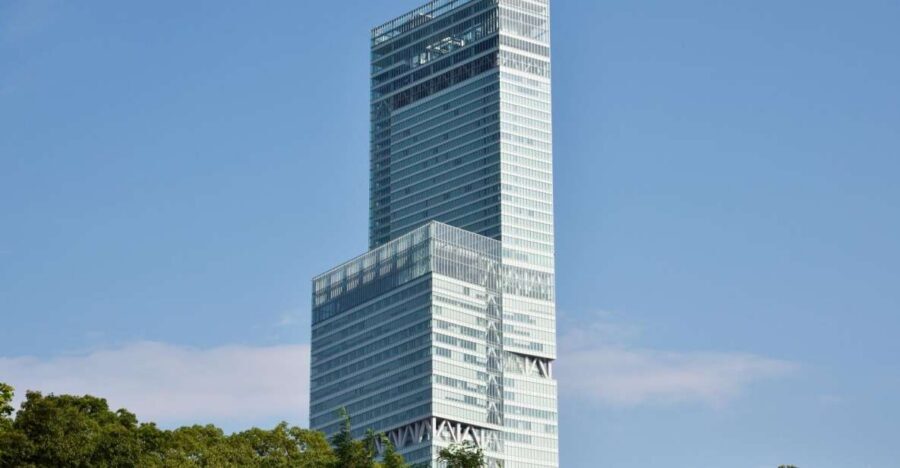
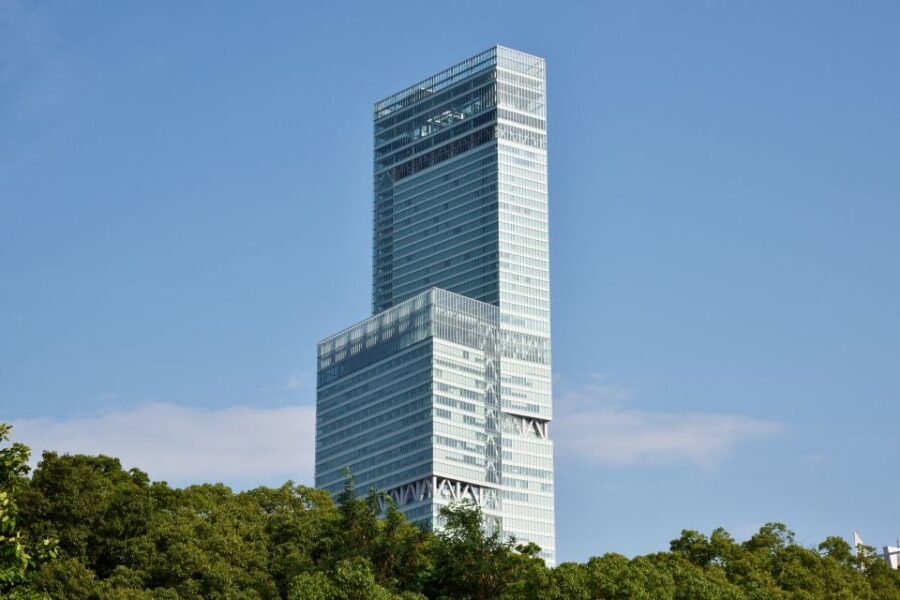
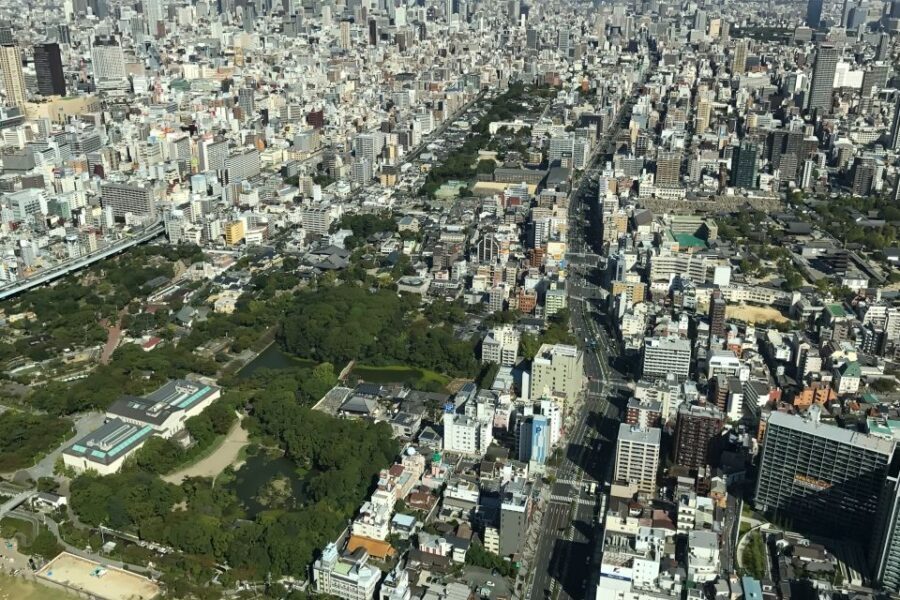
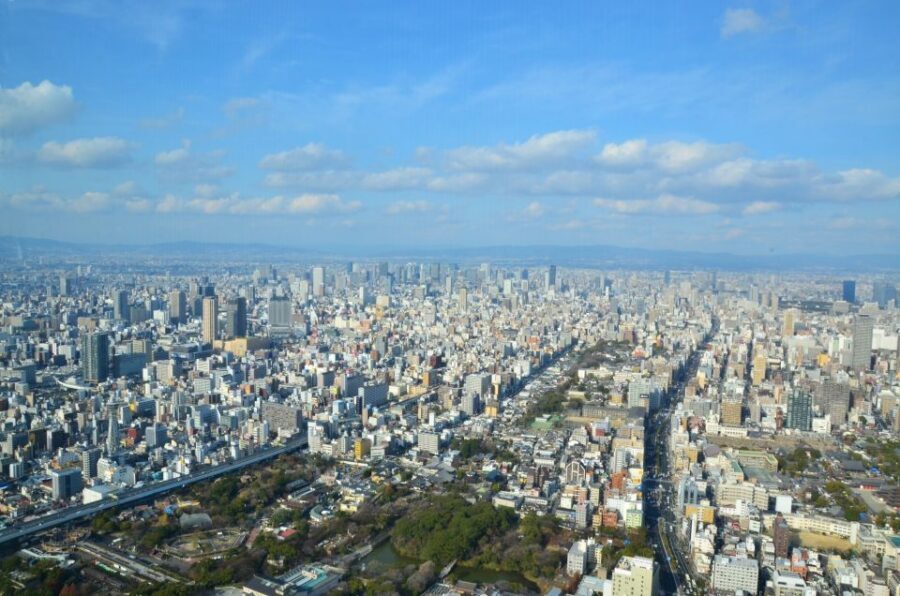
After lunch is at your own expense, you head to Abeno Harukas 300. You’ll spend about 45 minutes there, including admiration of city views. The route mentions going up via a glass elevator, which is the kind of small technical detail that turns a skyline view into an actual moment.
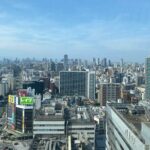
From the top, you get helpful orientation. Osaka can look chaotic from street level, but from above you can connect neighborhoods and routes in your head. It’s easier to navigate later when you understand what’s where.
Then comes the part you’ll probably remember for food: the basement marketplace at this tall building. It’s described as showcasing some of the finest foods on display, including Kobe beef and high-end sushi. Even if you don’t buy the premium items, just seeing the way food is presented helps you understand Osaka’s food culture is serious business.
A practical drawback to consider: if you’re not a big spender on upscale food, you’ll want to set expectations before you arrive so you don’t feel pressure to buy. Your guide can help you choose options that fit your appetite and budget.
Dotonbori: the Times Square-style energy, plus real stories
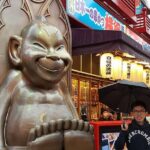
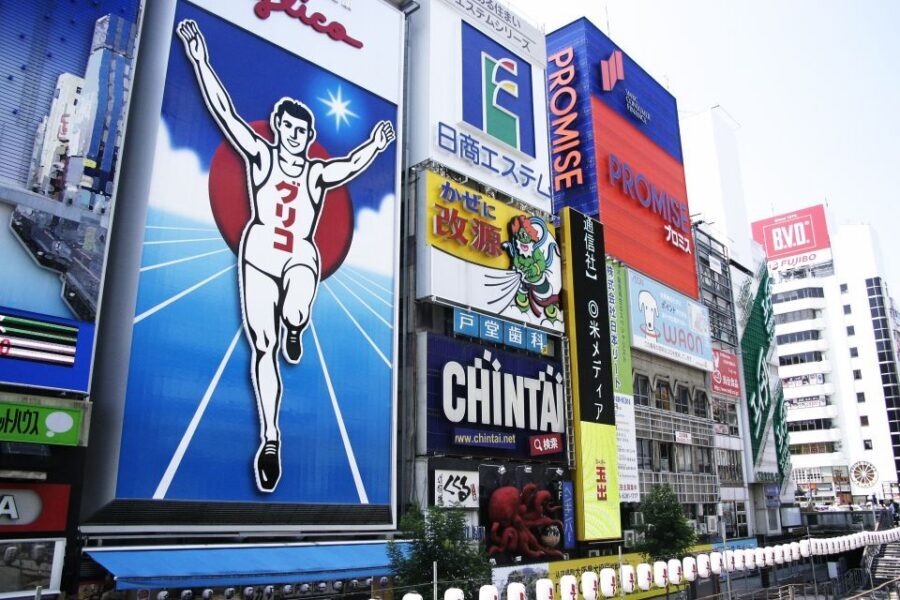
Dotonbori is your later stop, about 75 minutes guided. It’s often compared to New York’s Times Square, and you’ll feel why. Bright signs. Crowds. Street theatrics. But the smartest way to do Dotonbori is with guidance, because the story behind the visuals is what makes it stick.
This is also a side-street kind of place. You won’t just be staring at one big landmark. Your guide will help you slip into quieter lanes and explain what you’re seeing, including historical context for why the area looks the way it does today.
If you’re traveling with kids, Dotonbori is an easy win. It’s visual. It’s fast. It’s playful. And the guide can turn that energy into something educational by connecting it back to Osaka’s merchant culture.
Kuromon Ichiba Market: where history meets smart eating
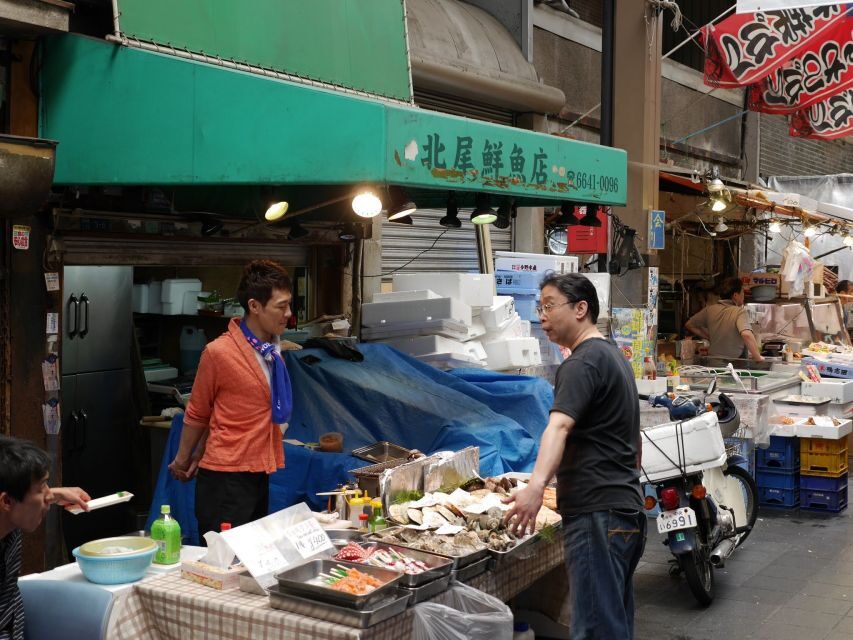
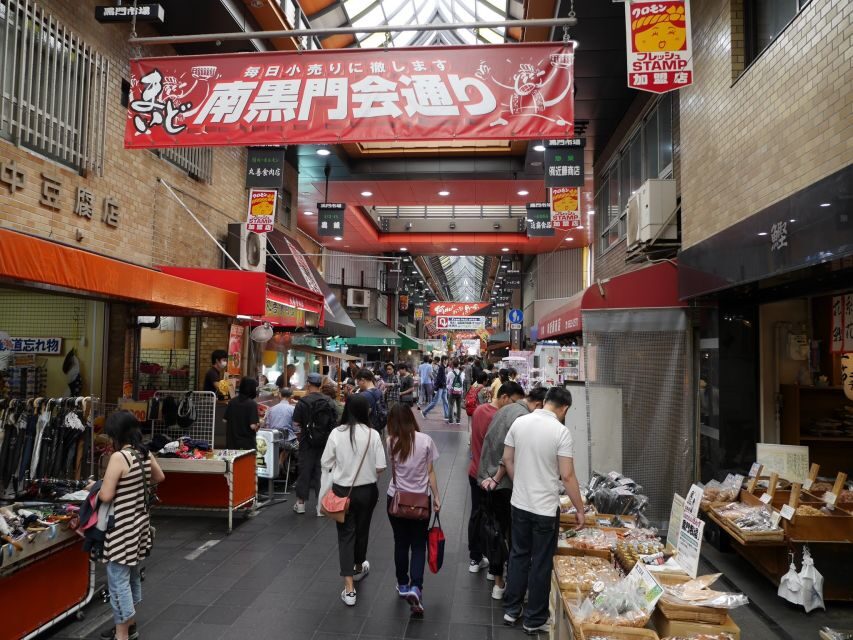
The day ends with a visit to Kuromon Ichiba Market for about 45 minutes guided sightseeing. Kuromon is famous for good reason: it has deep history and a unique vibe, and it’s built around the idea that you can eat while you stroll.
The key here is to treat Kuromon like a buffet of opportunities, not a single target. With a guide, you can move through the market more efficiently and avoid getting stuck somewhere that doesn’t fit your tastes. Since food isn’t included, this stop becomes your chance to put your guide’s advice into action.
What to keep in mind:
- Go in hungry, but don’t feel forced to eat every stop.
- If you see something you like, buy the portion size that makes sense for your day. You’ll still have plenty to walk after.
Lunch timing: flexible, but plan your appetite
Lunch is not included, and the restaurant is not set. The guide will discuss options during the tour. That flexibility is useful because it means you can pick based on:
- your food preferences
- where you are in the schedule
- your comfort level with Japanese menus
Because the tour keeps moving, I’d treat lunch as a practical stop you choose quickly. Use it to reset energy before Harukas and Dotonbori. If you’re the type who likes a long sit-down meal, tell your guide early so the day can adapt without breaking your pace.
Customizing your private tour (without losing the best parts)
One line in the tour promise matters more than it sounds: you can customize based on your interests. The model course is a strong foundation—castle, temple, neighborhoods, skyline, markets—but your guide can adjust how time is spent.
Here are easy ways to steer it:
- If you love architecture and older sites, you can ask for extra time around Osaka Castle and Shitennoji.
- If your focus is food, ask for more guidance in the Harukas basement marketplace and Kuromon.
- If you want more street culture, spend more of the day around Shinsekai and Dotonbori.
The guides associated with this tour are repeatedly praised for friendly, attentive pacing. Names that come up often include Thomas, Hugo, Lito, Kevin, and Levi. The consistent theme: they explain what you’re seeing in clear English and help the day feel relaxed rather than rushed.
Who should book this Osaka private day?
This is a great fit if you:
- want a full-day route without train stress
- care about history and culture, not just a list of photos
- like food stops but don’t want to spend the whole day figuring out where to eat
- want a private guide who can adjust pacing for your group
It may not be the best fit if you hate walking or prefer slow, unstructured days. Even with a vehicle, you’ll still be on your feet in multiple markets and neighborhoods.
Should you book this tour?
I’d book it if you want Osaka to make sense fast. The mix of castle + temple + street culture + skyline + markets gives you a rounded day, and the private vehicle helps you keep your energy for the walking and eating that matter most. At $245 per person, you’re paying for time saved and guidance that turns random sights into something you can actually explain later.
If you’re deciding between doing it on your own versus hiring a guide, ask yourself this: do you want to spend your precious Osaka day figuring out logistics, or do you want to show up at Osaka Castle, Shitennoji, Dotonbori, and Kuromon Ichiba already knowing what you’re looking at?
FAQ
How long is the Osaka full-day private sightseeing tour?
It runs for 450 minutes (about 7.5 hours).
What does the tour cost per person?
The price is $245 per person.
Where can you be picked up, and where can you be dropped off?
Pickup options include Osaka, Kobe, and Kyoto (with pickup optional if you’re staying in Kyoto). Drop-off options also include Kobe, Osaka, and Kyoto.
Are meals included in the tour price?
No. Food and drinks are not included. Lunch is at your own expense, and your guide will discuss restaurant options during the tour.
What languages are the live guides?
Guides offer live commentary in French, Spanish, and English.
Is there any walking on the tour?
Yes. Even though it uses a private vehicle, there will be a considerable amount of walking.
What sights are included on the day?
You’ll visit Osaka Castle, Shitennoji, Shinsekai, Abeno Harukas 300, Dotonbori, and Kuromon Ichiba Market.
What’s the cancellation policy and how does payment work?
You can cancel up to 24 hours in advance for a full refund. There’s also reserve now & pay later, meaning you can book and pay nothing today.
Is the tour wheelchair accessible?
Yes, the tour is listed as wheelchair accessible.