REVIEW · OSAKA
Kyoto and Nara UNESCO Highlights Full-day Tour From Osaka
Book on Viator →Operated by Hotel Takitei · Bookable on Viator
Kyoto and Nara in a single day sounds crowded, but it works. You get a guided bus ride from Osaka plus hands-on temple and street time, with Kiyomizu-dera and Fushimi Inari doing the heavy lifting for big photo moments and cultural wow.
What I like most is the pace between stops. You’ll have free time in Kyoto and in Nara, so you’re not stuck watching a screen all day, and you’ll also spend time at places like Nara Park deer time where the experience is more than just looking. One thing to consider: it’s a full day with lots of walking and uphill sections, and on very hot days the bus can feel less comfortable than you’d expect from the air-conditioned promise.
In This Review
- Quick Hits Before You Go
- Leaving Osaka Early: How the Pickup Sets the Tone
- Riding the Air-Conditioned Bus (and Managing Hot-Day Reality)
- Kiyomizu-dera: Hilltop Temple Views and the Uphill Reality
- Kyoto Old Streets: Ninenzaka, Sannenzaka, and Ishibe Alley Walk
- Gion and Hanamikoji: The Kyoto Mood Without the Night-Out Cost
- Fushimi Inari Taisha: Senbon Torii and Timing for Photos
- Nara Park Deer Time: One of the Day’s Most Human Moments
- Todaiji Temple: The Great Bronze Buddha Moment
- How the Whole Day Feels: Guided Structure + Real Free Time
- Guides and Language: What You Can Expect from the People Running the Day
- Value Check: Is $62.75 Worth It for a Full Day?
- What to Pack and How to Stay Comfortable
- Should You Book This Kyoto and Nara UNESCO Highlights Tour?
- FAQ
- What is the duration of the tour?
- Where is the pickup location in Osaka?
- Is there a pickup option in Kyoto?
- Where does the tour end?
- Are tickets for Kiyomizu-dera included?
- Is there an entrance fee for Fushimi Inari Taisha?
- Are tickets for Todaiji Temple included?
- Is lunch included in the tour price?
- What languages does the tour guide speak?
- What is the cancellation policy?
Quick Hits Before You Go
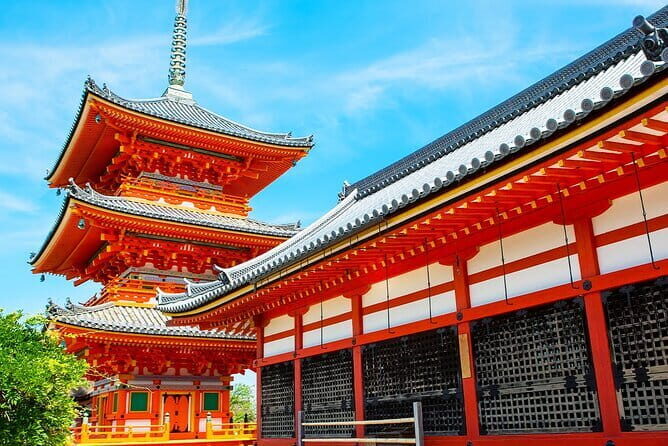
- Kiyomizu-dera starts the day with a hilltop temple setting and classic autumn views
- Fushimi Inari’s Senbon Torii gives you those endless torii-gate photo angles fast
- Ninenzaka, Sannenzaka, Ishibe Alley add the charming old-street walk beyond the big temples
- Gion and Hanamikoji Street give you an atmospheric Kyoto evening vibe, even on a tight schedule
- Nara deer and Todaiji’s Great Buddha deliver the UNESCO-level payoff in one block of time
- Small-ish shared group (max 40) helps keep the day organized without feeling like a cattle call
Leaving Osaka Early: How the Pickup Sets the Tone
This tour is built for first-timers. The day starts with a straightforward morning pickup around Osaka, then you head to Kyoto by bus. Your schedule feels structured right away: one early meeting, then a flow of guided landmarks with free time slots for wandering.
Pickup is scheduled for 8:40am at Nipponbashi Exit 2 in Osaka, with another pickup time listed in Kyoto around 9:50am. If you’re joining from Osaka, you’ll likely feel the benefit quickly—less time spent figuring out trains, more time spent staring at temples and torii gates.
The guide shows up with a yellow flag with the Gogoday logo. I’d treat this like a meeting at a busy station: arrive about 15 minutes early so you can match up easily and start calmly, not sprinting.
You can also read our reviews of more tours and experiences in Osaka
Riding the Air-Conditioned Bus (and Managing Hot-Day Reality)
The tour includes bus transportation and you’ll have a multilingual guide on board. That matters because you’ll get running commentary—history, context, and what to do when you arrive—rather than being left alone with a map and a prayer.
At the same time, you should plan for real-world comfort limits. The bus is advertised as air-conditioned, but some days can still feel stifling, especially if the bus isn’t idling with AC when it’s parked. If you’re traveling in summer heat, bring water and plan to use the shade wherever you can.
Group size is capped at 40 travelers, which is small enough that the guide can keep track of people at stops. Still, it’s a shared tour, so you’ll be moving as a group and you can’t hop off whenever you want.
Kiyomizu-dera: Hilltop Temple Views and the Uphill Reality
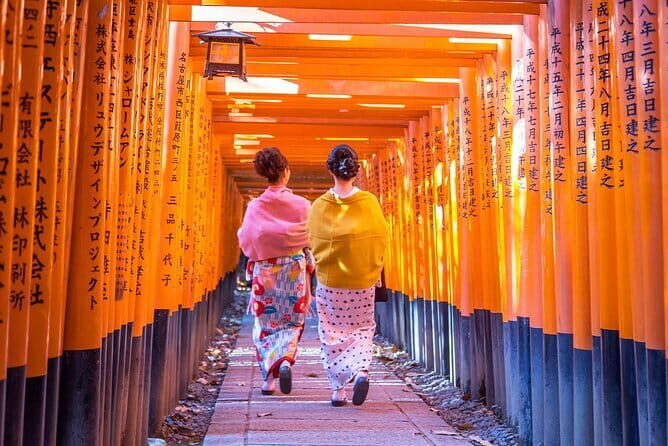
Kiyomizu-dera is one of those places you can’t really “rush.” The approach alone starts setting expectations: you’re climbing toward a hillside temple, and in autumn the views can be especially memorable. Even if the leaves aren’t perfect, the site is famous for a reason—this is a major Kyoto landmark.
What you’ll likely appreciate here is the way it sets the emotional tone for the whole day. After the bus ride, you step into a temple environment that feels old, layered, and visually dramatic. It’s also a great place to start because you can ease into the walking and temple etiquette early, before later crowds and street noise.
Admission for Kiyomizu-dera isn’t included, so factor that into your budget. The entrance fee is listed as $5.00 per person. If you’re trying to keep total costs tight, it’s one more reason to buy into the value of the overall tour structure.
Practical tip: there’s an uphill element built into how you reach and explore. Wear shoes that can handle slopes and stone steps, and don’t plan on looking perfect in photos—plan on arriving uninjured.
Kyoto Old Streets: Ninenzaka, Sannenzaka, and Ishibe Alley Walk
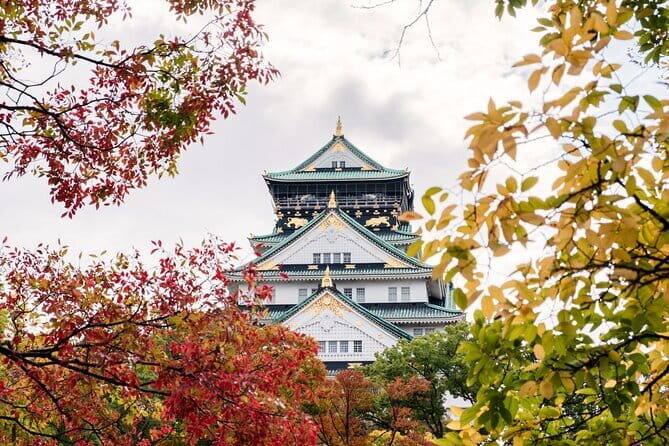
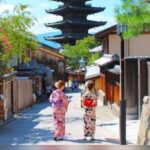
After Kiyomizu-dera, you’ll transition into the street side of Kyoto. The tour includes time to stroll Ninenzaka and Sannenzaka, plus Ishibe Alley, known for traditional wooden houses and that postcard-style street feel.
This is a smart move in a one-day format. Temples are big-ticket moments, but streets are where Kyoto feels like daily life—stone lanes, small storefronts, and the sense that you’re walking through a preserved neighborhood rather than just visiting an attraction.
Two things to keep in mind. First, these streets can get crowded, so you’ll move at a walking pace and you’ll want to keep your phone accessible for the moments you really care about. Second, this part of the day rewards slow watching: look up at the architecture and notice how the street bends and channels people.
If you like shopping for small souvenirs, this is where you’ll see the most temptation. If you don’t, it’s still worth it for the atmosphere and for getting your bearings in Kyoto without navigating the subway.
Gion and Hanamikoji: The Kyoto Mood Without the Night-Out Cost
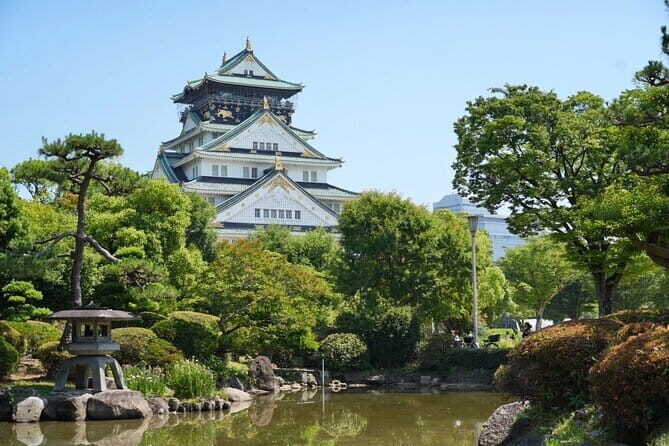
You’ll also get time around Gion and Hanamikoji Street. Even without a separate evening plan, this is a strong way to experience a Kyoto district that many people only see in photos or through guided descriptions.
I like this segment because it balances the temple intensity. Streets and neighborhood views are easier to enjoy when you’re not constantly watching your footing on stairs. Plus, the contrast between old wooden streets and the guided context the bus guide gives you earlier makes the day feel more connected.
This is also one of the best parts of the itinerary for flexible wandering. When you have free time, you can decide how much you want to photograph, how much you want to step inside a small shop, and how quickly you want to move to the next major landmark.




Fushimi Inari Taisha: Senbon Torii and Timing for Photos
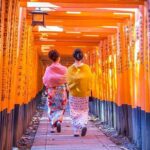
Then comes the big icon: Fushimi Inari Taisha and its famous Senbon Torii. This is the place where the tour earns its reputation fast. The torii gates create a visual tunnel effect that’s hard to replicate anywhere else.
The tour schedules free time at Fushimi Inari for about 70 minutes, with the shrine itself listed as admission free. That’s a great value combo: you’re paying for transport and guiding, but the main sight cost is low.
The only drawback is that the area gets busy. So your best strategy is to pick your moment. Enter early in your free time slot if you want easier walking, and don’t spend all your time at the very front torii rows if you’re chasing that more “depth into the forest” feeling.
If you’re not a super-hiker, don’t feel pressured to go to the far end. The early stretch already delivers the iconic effect, and you’ll still get excellent photos with less effort.
Also, wear something light and breathable. You’ll do more moving here than you might expect, and you’ll feel it after a morning of temple walking.
Nara Park Deer Time: One of the Day’s Most Human Moments
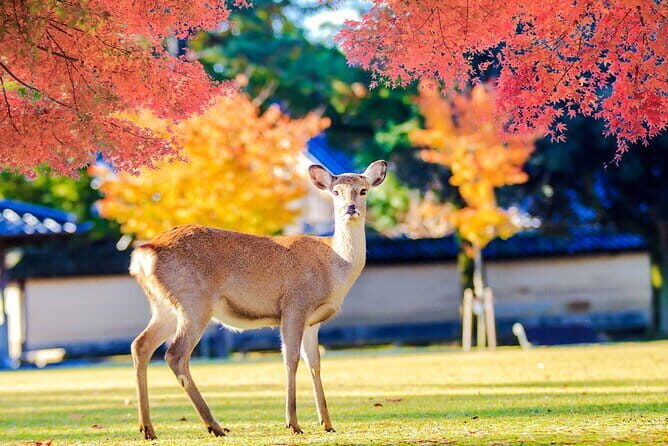
After Kyoto, you reach Nara Park with time to enjoy the park area—about 1.5 hours of free time. This is where the day gets more playful and less formal.
Interacting with the deer in the park is a big part of why people love this stop. It’s not just a sightseeing checkmark; it’s an encounter that feels immediate. And unlike some temple visits that can feel quiet and distant, Nara feels more like being in a living public space.
The parkside setting also means you’ll notice seasonal scenery more easily. The tour specifically mentions autumn leaves, so if you’re traveling during fall, this becomes even more photogenic.
Two practical cautions. First, keep your belongings secure and be ready for close deer encounters. Second, move with patience—this is a place where people stop suddenly to feed or take photos, so your best plan is to walk carefully rather than charging through.
Todaiji Temple: The Great Bronze Buddha Moment
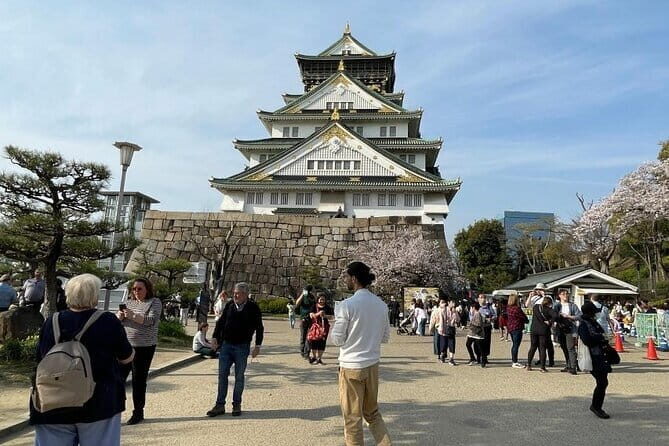
Your Nara experience also includes Todaiji Temple, home to the world-famous giant bronze Buddha. This is the UNESCO-level anchor that gives the day its title—Nara isn’t just deer and pretty paths. It has major scale and important religious history.
The entrance fee for Todaiji Temple isn’t included, listed at $7.00 per person. Again, that’s part of the math when you evaluate total value: you’re not paying everything up front, but you’re also not being forced to buy overpriced add-ons. It’s a simpler budget if you expect temple admissions in Japan.
Todaiji can feel overwhelming in the best way. The size hits first—architecture, hall scale, and the presence of the Buddha. Then, once you settle, you start noticing details like textures and how the space shapes your movement.
If you want the best experience, plan for time inside the main areas without trying to see every side room. In a one-day schedule, being selective is how you keep the day enjoyable instead of frantic.
How the Whole Day Feels: Guided Structure + Real Free Time
This tour is not “watch-and-listen all day.” It’s more like a guided framework with breaks for you to explore. That shows in the way time is divided: major landmarks get set up, and then you get periods of free wandering at key points.
This format is ideal if you’re the type who likes direction but also wants control. You’ll benefit from the guide’s context during bus rides and at meeting points, then you can slow down at the parts you care about most.
It also helps you avoid transport hassle on your own. Kyoto and Nara are doable, but doing them from Osaka in one day without getting lost is where a guided bus plan shines.
If you prefer a super-planned minute-by-minute day with zero decision-making, you might find free time slightly stressful. In that case, I’d pick your priorities before you leave Osaka and use the free blocks to hit them calmly.
Guides and Language: What You Can Expect from the People Running the Day
The tour includes a multilingual guide in English, Mandarin, and Japanese. That’s a big deal on a one-day itinerary because you’ll catch the reasoning behind what you’re seeing, not just the dates and names.
I also like that you’ll have real-time help if something goes sideways. Guides listed with this operation include people like Lu, Leo, Ako, Jason, Yujun, and Ms. Zhao. The common thread across the guide feedback is clear: friendly, punctual, and willing to explain how to handle each site and what to do with your time.
If you’re traveling with family, this kind of guidance matters. Kids and first-timers can get overwhelmed fast in Japan. A guide who gives practical tips and keeps timing under control turns a crowded day into a manageable one.
Value Check: Is $62.75 Worth It for a Full Day?
At $62.75 per person, you’re buying transport, a guide, and a structured route connecting major hits in Kyoto and Nara. You’re also getting a mobile ticket, which usually means less paperwork stress and faster entry to the process.
The key value test is admissions. Kiyomizu-dera ($5.00) and Todaiji ($7.00) are not included, while Fushimi Inari is free. That means your total cost depends on your temple plans, but the big savings are that you’re not paying for everything repeatedly at each stop.
For most people, the value comes from this: you’re squeezing two UNESCO-level regions into a single day without spending hours planning trains, transfers, and timing. If you have limited days in Osaka, this tour often pencils out better than a DIY day that turns into a logistics puzzle.
If you already plan to visit every site independently, and you’re comfortable with transit and crowds, you might spend less by going DIY. But if you want a day that feels organized and you can just enjoy, the price is fair for what you get.
What to Pack and How to Stay Comfortable
This is a walking day with temple steps and street strolls. You’ll be on your feet more than you might expect from “only” 9 hours-ish on the clock.
Pack for comfort, not style. Bring water, wear supportive shoes, and keep a light layer handy for air-conditioned bus rides. Also bring a little cash because some locations may not accept credit cards.
If you’re sensitive to heat, plan your strategy around shade. Take breaks during your free time blocks and don’t try to see everything inside every single hall. Your legs will thank you.
Also keep in mind the tour note that the bus parking lot can be a bit far from scenic spots, so you should expect a walk between parking and the main areas.
Should You Book This Kyoto and Nara UNESCO Highlights Tour?
Book it if you want a first-timer-friendly day that hits the biggest Kyoto and Nara icons without you doing the transit math. It’s especially worth it if you care about Kiyomizu-dera, Fushimi Inari, and the Nara deer + Todaiji Great Buddha combo, and you’d rather rely on a guide than figure it all out on your own.
Skip it (or at least reconsider) if you hate uphill walking, or if you’re traveling when heat is extreme and you’re very sensitive to bus comfort. This tour can be tight and active, and some days may feel hotter than the words air-conditioned make you expect.
If you’re traveling in a small group and want big sights plus genuine atmosphere, this one-day format is a smart use of limited time.
FAQ
What is the duration of the tour?
The tour duration is about 9 hours 20 minutes.
Where is the pickup location in Osaka?
Pickup in Osaka is listed at Nipponbashi Exit 2 at 8:40am.
Is there a pickup option in Kyoto?
Yes. A second pickup time and location is listed in Kyoto around 9:50am at the Kyoto-Hachijoguchi Bus Loading Area.
Where does the tour end?
The tour ends with drop-off back in Osaka (the only drop-off location is at Osaka).
Are tickets for Kiyomizu-dera included?
No. Entrance to Kiyomizu-dera is listed at $5.00 per person and is not included.
Is there an entrance fee for Fushimi Inari Taisha?
No. Fushimi Inari Taisha is listed as free.
Are tickets for Todaiji Temple included?
No. Entrance to Todaiji Temple is listed at $7.00 per person and is not included.
Is lunch included in the tour price?
No. Lunch is not included.
What languages does the tour guide speak?
The guide provides multilingual support in English, Mandarin, and Japanese.
What is the cancellation policy?
Free cancellation is available up to 24 hours in advance for a full refund. If you cancel less than 24 hours before the start time, the amount paid is not refunded.