REVIEW · OSAKA
Amanohashidate Ine Funaya Miyama Village No Sato Tour from Osaka
Book on Viator →Operated by TrevoTour Travels · Bookable on Viator
That early start is a trade-off.
I like this tour because it hits two picture-perfect villages in one long day, then adds big-name scenery in between. You’ll get the traditional Ine Funaya boathouses on the coast, plus the famous Amanohashidate sandbar with 8,000 pine trees, followed by temple time at Chionji and a stop in the thatched-roof rural village of Miyama Kayabuki no Sato. The one drawback to plan for is simple: this is a 9 to 10 hour carpool day from Osaka, so each place gets a set amount of time and you won’t have hours to wander slowly.
In This Review
- Key points at a glance
- A Day Trip That Links the Kyoto Coast to the Pine Sandbar
- Ine Funaya: Boathouses on the Coast Called the Venice of Japan
- Amanohashidate’s 3.6 km Pine Sandbar and the Upside-Down View
- Chionji Temple: Wisdom and Success in a Focused 30 Minutes
- Miyama Kayabuki-no-sato Kitamura: Thatched-Roof Village Time
- Price and Logistics: What $89.99 Really Buys You
- Getting From Osaka Without Losing Your Day
- Who Should Book This Tour From Osaka?
- Should You Book This Amanohashidate + Ine + Miyama Day Tour?
- FAQ
- What time does the tour start?
- Where do we meet for the Amanohashidate Ine Funaya Miyama Village tour?
- How long is the tour?
- What places are included in the day?
- Is admission included?
- What languages does the guide speak?
- Is the tour suitable for kids and seniors?
Key points at a glance
- Ine Funaya, the Venice of Japan vibe: Traditional funaya boathouses right on the shoreline, with about 40 minutes to take it in.
- Amanohashidate’s 3.6 km sandbar: A pine-lined natural feature with classic views and a fun upside-down viewing tradition.
- Chionji Temple for wisdom and success: A short, focused 30-minute cultural stop tied to academic achievement.
- Miyama Kayabuki no Sato timing: About 40 minutes in a village of roughly 50 preserved thatched-roof homes—enough time to slow down.
- A multilingual guide + admission included: Chinese/Japanese/English/Korean-speaking support, and listed admissions for the stops are free.
- Punctuality matters more than usual: It’s a carpool-style day, and the operator warns there’s no refund if you’re late.
A Day Trip That Links the Kyoto Coast to the Pine Sandbar
This is the kind of tour that works when you want variety but not chaos. You start at 7:20 am at 1-chōme-3 Nipponbashi Parking in Osaka (Chuo-ku area), then you’ll ride to Kyoto Prefecture for coastal scenery and classic sights, before disbanding around Shinsaibashi and Dotonbori when the day wraps up.
The total time runs about 9 to 10 hours, and the operator is explicit that travel time is included. That matters because you’re not just “visiting places.” You’re also spending a chunk of the day in transit, and you’ll feel that when you’re choosing what to wear, what to bring, and how much you expect to get done.
One more thing I appreciate: the tour acknowledges real-world problems like traffic and weather. If conditions force changes, the guide can adjust the order with your consent, while still aiming to keep the same number of stops.
You can also read our reviews of more tours and experiences in Osaka.


Ine Funaya: Boathouses on the Coast Called the Venice of Japan
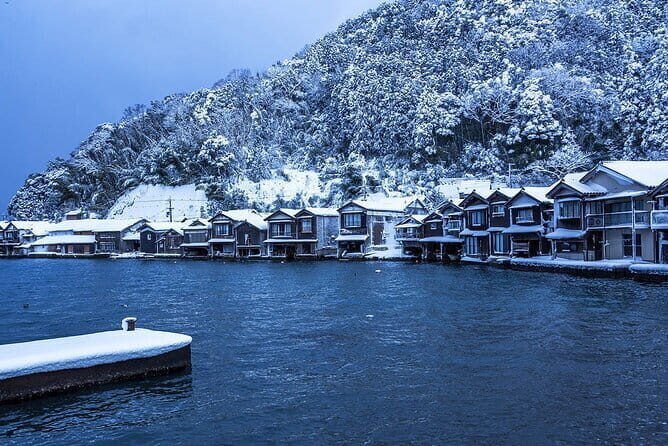
Your first stop is Ine Funaya, Fuga, in the Ine Fishing Village area along the Kyoto coastline. This place earns its nickname because the waterfront is lined with traditional wooden boathouses—funaya—built right along the water. The effect is instantly photogenic: you’re not looking at a museum set back from the sea. You’re looking at working-style architecture tied to the shoreline.
You get about 40 minutes here, which is enough for a good loop without turning it into a sprint. Aim for a comfortable pace, because the joy of Ine Funaya is in small moments: the lines of the boathouses, the water’s edge views, and the feeling that this is a coastal life that didn’t rush to become tourist-only.
Since admission is free for this stop, you’re paying mostly for the access and the time-boxed schedule. That’s a good deal if you want the highlight but don’t want to spend a lot of effort planning transport on your own.
Amanohashidate’s 3.6 km Pine Sandbar and the Upside-Down View
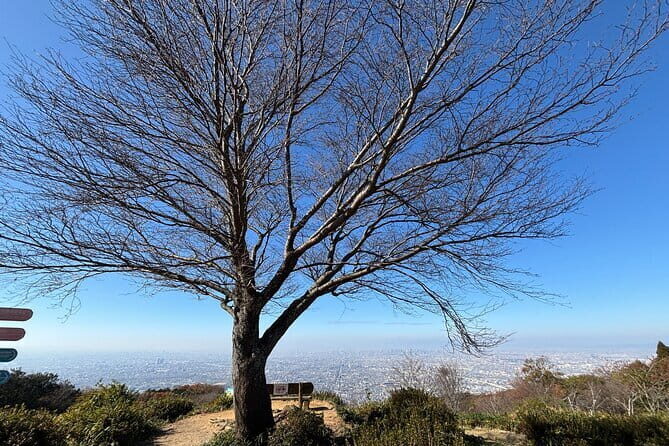
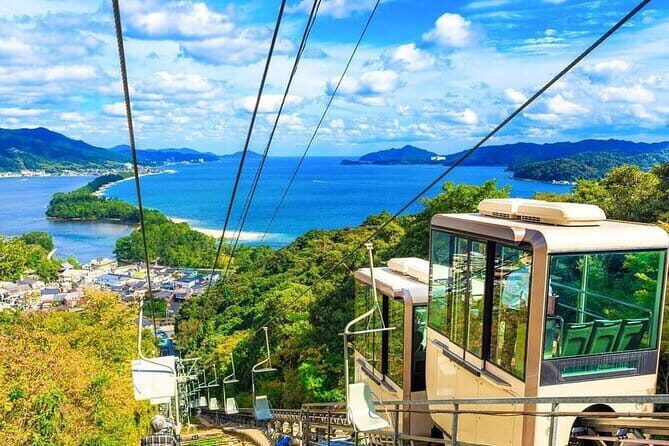
Next comes Amanohashidate, one of Japan’s top scenic spots, and for good reason. The natural sandbar stretches about 3.6 kilometers and is lined with 8,000 pine trees. It’s the sort of view where you understand why people keep returning—because from different angles it changes how the lines stretch out.
You’ll have around 1 hour 30 minutes at Amanohashidate, which is the longest single stop on the schedule. That extra time helps because you’ll likely want to walk between viewpoints and choose where you want to settle your photos.
Don’t skip the fun tradition mentioned for this site: people view the sandbar upside down. It’s a playful way to see the shape and perspective, and it’s also a good reminder that sightseeing here isn’t only about standing still and looking. Sometimes it’s more enjoyable to do the slightly silly local activity and then compare what you see.
Admission is free for this stop too, so again, your value is mainly in getting there efficiently and having enough time on-site to appreciate it.
Chionji Temple: Wisdom and Success in a Focused 30 Minutes
At the southern end of Amanohashidate sits Chionji (Chion-ji) Temple. This is a shorter stop—about 30 minutes—but it’s not randomly placed. Chionji is known for its connection to academic success, and it’s dedicated to Monju Bosatsu, the Bodhisattva associated with wisdom.
If you’re the type who likes cultural stops that feel meaningful rather than checklist-only, this works because it ties the temple visit to a clear theme: pray for wisdom and success. You don’t need a long lecture or background reading to get the idea—you can simply take a quiet moment and treat it like a reset button between big outdoor views.
The main consideration is time. Thirty minutes sounds short because it is. So if you want to linger, you’ll need to manage your pace. Bring a calm attitude, not a sightseeing sprint, and you’ll get more out of it.
Miyama Kayabuki-no-sato Kitamura: Thatched-Roof Village Time
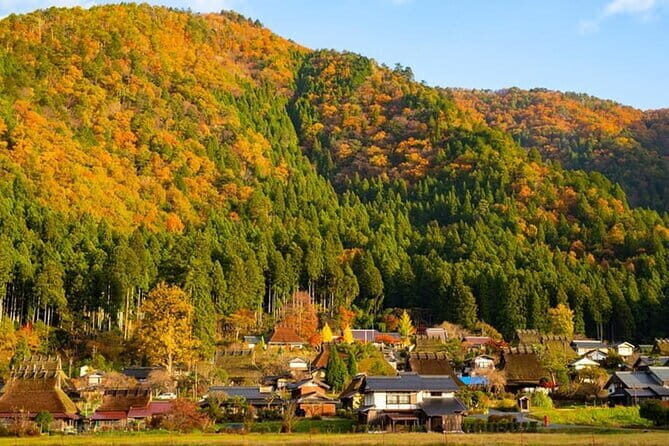
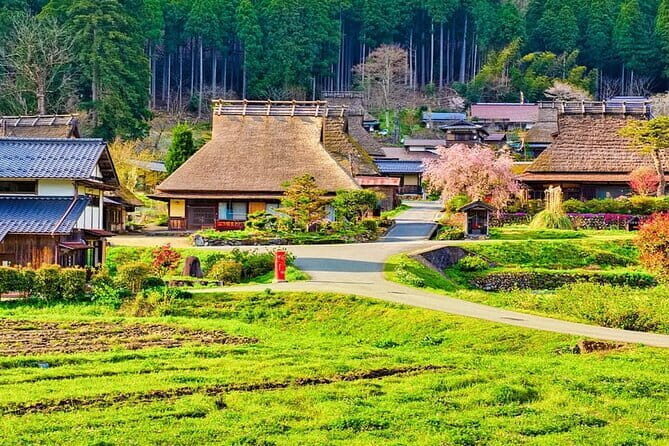
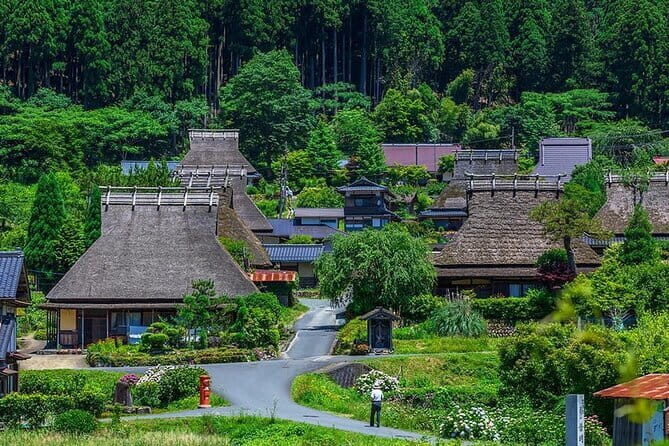
For the final main sightseeing stop, you’ll visit Miyama Kayabuki no Sato, Kitamura. This is a traditional village known for thatched-roof houses. The tour is geared around a village feel rather than just taking photos from one corner.
You get about 40 minutes, and the village has around 50 preserved homes. That’s a sweet spot for this style of place: enough time to walk the lanes, spot the architecture details, and slow down without feeling trapped by crowds or needing to rush back to the bus.
I love that this stop gives you a different texture than the coastal scenery and sandbar viewpoints. Instead of vast outdoor lines, here it’s close-up human scale. Even if your Japanese is limited, you’ll still understand the visual story quickly: rural architecture, preserved homes, and a setting that feels removed from the rush of big cities.





Price and Logistics: What $89.99 Really Buys You
The price is $89.99 per person, and the tour runs about 9 to 10 hours with a maximum of 46 travelers. It’s not a quick hit bargain, but the value makes sense if you consider what’s included and what you’re avoiding.
Here’s what you’re getting for the money:
- A guide who speaks Chinese/Japanese/English/Korean
- Admission for the listed sightseeing stops (so you’re not paying extra at each location)
- Transportation time and a structured day that gets you from Osaka to multiple major sights
You’re also paying for convenience. Even if you’re comfortable with trains and transfers, this is a long day with multiple stops. This tour packages it for you, then keeps the stops moving at a pace that aims to cover the highlights.
One timing detail I’d flag: the tour is often booked around 50 days in advance on average. If Amanohashidate and Ine are high on your list, don’t treat this as a last-minute plan.
Getting From Osaka Without Losing Your Day

The early start is real. The meeting point is 1-chōme-3 Nipponbashi Parking, and the day starts at 7:20 am. The operator also warns you not to be late because it’s a carpooling trip. They say there’s no refund if you’re late, and you’ll be responsible for any accidents that happen after being late. That’s their way of making the schedule stick.
So here’s my practical take: set yourself up to arrive early, not right on time. If you’re coming from a hotel in central Osaka, give yourself buffer time for getting to Nipponbashi.
Traffic can also affect the day. The tour notes that delays due to traffic jams can happen and may change the order of attractions based on conditions, with your consent. This means you should expect a bit of flexibility. If you’re the type who hates schedule surprises, choose your expectations carefully: you’re signing up for a day that can’t fully control road time.
Lastly, the tour requires good weather. If it’s canceled due to poor weather, you’ll be offered a different date or a full refund.
Who Should Book This Tour From Osaka?
This tour is a strong fit if you want a day that balances big scenic icons and two rural village experiences. It’s also ideal if you’re traveling with friends, family, or a mixed-language group, because the guide provides Chinese/Japanese/English/Korean support.
It’s also built for average mobility levels; the tour states that most travelers can participate. Still, remember that this is a long day on the move, and time at each stop is limited.
For families: children 0 to 2 are free as long as they don’t occupy a separate seat. For seniors: if you’re 70+, you should present a medical certificate before participating.
If you’re someone who likes to linger for hours in one place, this itinerary may feel tight. If you’re someone who likes variety and prefers to see the highlights in a single day, it fits nicely.
Should You Book This Amanohashidate + Ine + Miyama Day Tour?

I’d book it if your priority is a single-day hit of three classic moods: coastal boathouse scenery at Ine Funaya, the famous pine-lined sandbar at Amanohashidate, and a slower rural finish at Miyama Kayabuki no Sato. The value is strongest when you want transportation handled, admissions covered, and a multilingual guide that keeps the day moving.
I would hesitate if you’re very sensitive to time pressure or you need lots of free, unstructured wandering. With fixed stop durations and long travel time, you’ll want to keep expectations realistic.
If you do book, treat it like a great day out, not a casual stroll day. Show up early, stay flexible, and you’ll get a lot from the ride—plus the chance to see two villages that are the whole point of this tour.
FAQ
What time does the tour start?
The tour starts at 7:20 am.
Where do we meet for the Amanohashidate Ine Funaya Miyama Village tour?
You meet at 1-chōme-3 Nipponbashi Parking, 1-chōme-3 Nipponbashi, Chuo-ku, Osaka 542-0073.
How long is the tour?
The duration is about 9 to 10 hours (including travel time).
What places are included in the day?
The tour includes Ine Funaya (Fuga), Amanohashidate, Chionji Temple, and Miyama Kayabuki no Sato (Kitamura).
Is admission included?
Admission tickets for the listed sightseeing stops are marked as free.
What languages does the guide speak?
The guide speaks Chinese, Japanese, English, and Korean.
Is the tour suitable for kids and seniors?
Children aged 0 to 2 are free if they don’t occupy a separate seat. Seniors 70+ should present a medical certificate before participating.