REVIEW · OSAKA
Deep Backstreet Osaka Tours (Option to add Dinner)
Book on Viator →Operated by Osaka Food Tours · Bookable on Viator
Osaka keeps talking after dark. This tour threads through local neighborhoods, narrow alleys, and lesser-known districts, with street-food tastings built into the walk.
What I like most is the way the food and the stories connect. You’ll stop at two family-style stalls for tastes, then (if you choose the upgrade) head to a traditional izakaya for a proper meal.
One consideration: this isn’t a shiny-sights only route. You’ll pass through darker districts tied to a controversial past and the red-light world, so it helps to go in with curiosity (and a little emotional stamina).
In This Review
- Quick hits before you book
- Osaka’s backstreet stories start at Daikokucho (and the timing is perfect)
- What “deep backstreets” actually means on this route
- Guides you might get: the locals who bring context to the streets
- Retro zone shops and the fun of noticing the small stuff
- Narrow alleys and the abandoned-house story you won’t get elsewhere
- A place of worship that isn’t on every list
- The red-light district walk: history, sex work context, and yakuza links
- The controversial past area: learn the why, not just the where
- Street-food tastings at family stalls: what’s included and why it matters
- Optional dinner at an izakaya: tonpeiyaki, karaage, and vegetarian-friendly choices
- Safety, tone, and what to expect when the subject gets heavy
- After the tour: getting to your next stop without guessing
- Price and value: $53.06 for a guided local evening with food
- Who should book this tour (and who should skip it)
- Should you book Deep Backstreet Osaka Tours?
- FAQ
- FAQ
- How long is the Deep Backstreet Osaka Tours walk?
- What time does it start, and where do I meet?
- How big is the group?
- What food is included during the tour?
- Is dinner available as an add-on?
- Are alcoholic drinks included?
- What happens if the weather is bad?
Quick hits before you book
- Two street-food stops with tastings at family-run stalls, not just one snack stop
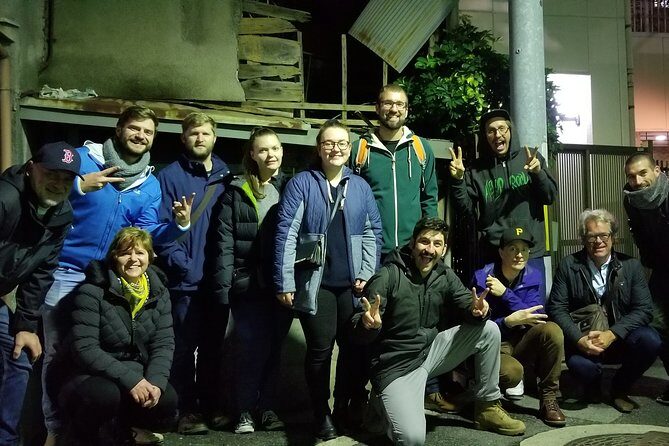
- Small-group size capped at 15, so questions don’t get swallowed by the crowd
- Old alleys and quirky backstreet zones with shops and spots most visitors never find
- Serious culture topics tied to religion, class, and the social side of Osaka
- Optional izakaya dinner with soul-food style dishes and vegetarian-friendly options
- Tour ends where it starts, with optional after-tour help to reach bars, shopping, or nightlife
Osaka’s backstreet stories start at Daikokucho (and the timing is perfect)
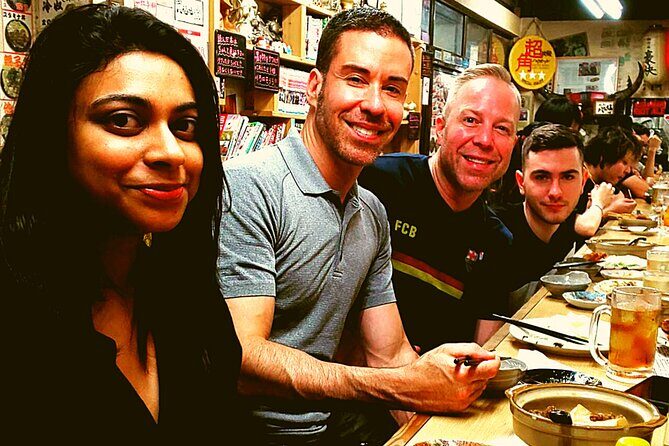
This tour runs in the evening, starting at 5:30 pm from FamilyMart MYS Daikokucho Station (2-chōme-5-16 Shikitsuhigashi, Naniwa Ward, Osaka). It loops back to the same meeting point, which makes the day-plan easy.
The timing is smart because you’re walking through neighborhoods when the city shifts from daytime errands to night-time life. You’re also close to public transportation, so you’re not locked into one complicated ride.
Bring comfy shoes. It’s about 3 hours of walking, and while there are breaks along the way (so it doesn’t feel nonstop), you will still be on your feet. Also pack a basic bug-spray mindset: one review called out mosquitoes during a short standing stretch outside. If it’s warm and humid when you go, that little detail matters.
You can also read our reviews of more tours and experiences in Osaka

What “deep backstreets” actually means on this route
The core promise here is not walking the usual postcard corridors. You’re heading into historic districts and backstreets that most tours skip because they’re harder to frame neatly in a brochure.
You’ll move through:
- A retro zone with outlandish, quirky shops
- Old, twisting, narrow alleys where Osaka feels more “lived in” than staged
- An abandoned houses zone linked to how family and social identity have mattered over time
- A place of worship described as important yet not widely known
- A historical red-light district with links that include yakuza context
- A ghetto area tied to a controversial past
This is the kind of route where your guide’s explanations are the point. You’re not just looking at “dark” streets; you’re being given the social and historical background that makes the area make sense today.
Guides you might get: the locals who bring context to the streets
The tour is guided by local hosts, and different dates can mean different personalities. Past groups have included guides such as Rudy and Alex, Mari/Marie, Mark, Bennett, Knox, Josh, Thomi, Rat, Kane, Joseph, Tommy, Dilian, and others named in reviews.
Why that matters for your decision: this tour isn’t just facts on a clipboard. Reviews highlight guides mixing humor with clarity, and patiently answering questions as they go. If you’re the type who likes to understand how people lived (not just what they ate), that style fits this tour.
Retro zone shops and the fun of noticing the small stuff
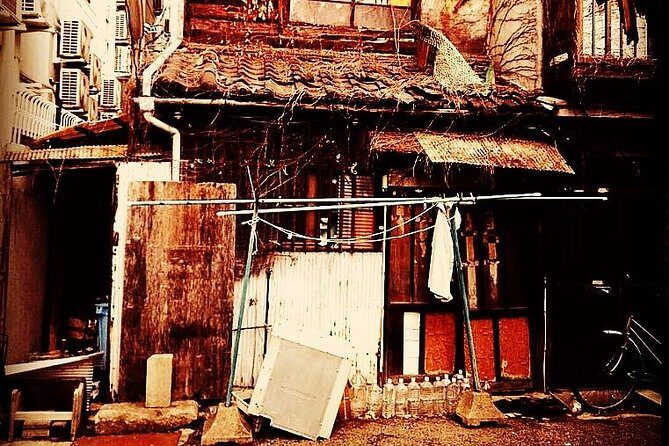
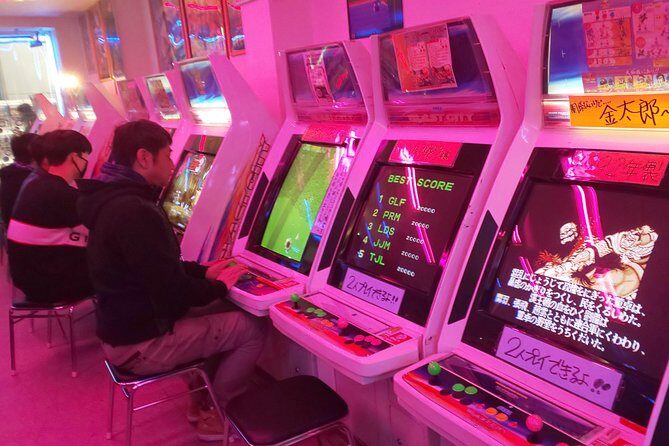
One of the early vibes is the Osaka retro area, where you’ll spot shops and unusual storefronts that look like they’re meant for repeat locals, not one-time tourist photos. It’s the kind of place where you start seeing details—signs, rhythms, and small neighborhood habits—that you’d miss if you were only scanning for famous landmarks.
This part is also a good “warm-up” segment. You get oriented to the walk style, and you can settle into the idea that the evening’s theme is real-life Osaka, not a curated highlight reel.
Narrow alleys and the abandoned-house story you won’t get elsewhere
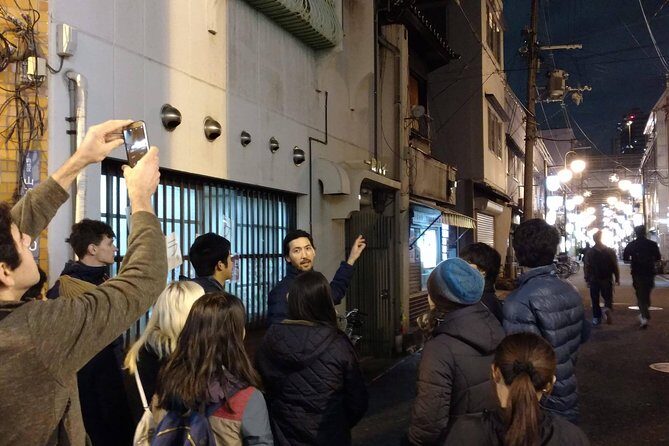
A key section heads into old, twisting narrow alleys. This is where Osaka’s texture shows up: the street width, the way buildings cluster, and how the city geography shapes daily life.
Then you hit the abandoned houses zone, which is emotionally heavier than the retro-shop stretch. Some guides explain how class and family name have affected what people could keep—and why some houses end up left behind over generations. It’s sad, but it’s also one of the most useful ways to understand Japan’s social structure beyond textbook history.
If you’re someone who gets uncomfortable with heavy topics, you can still do this tour—but go with the right expectation. This is a cultural walking experience, not a light night out.
You can also read our reviews of more tours and experiences in Osaka
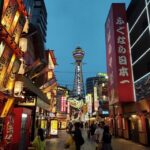
A place of worship that isn’t on every list
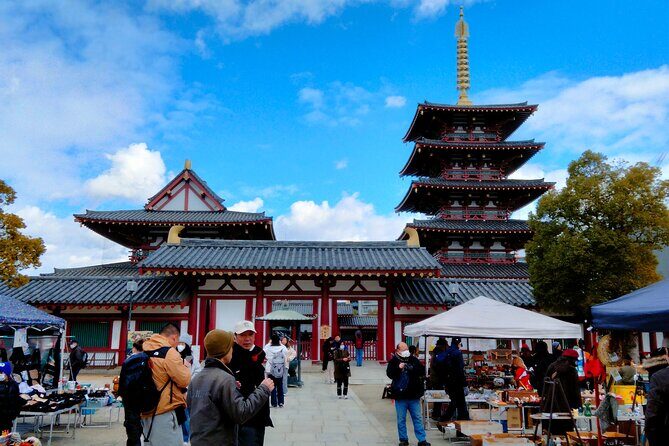
You’ll also visit an important place of worship that’s described as significant but not widely known by typical visitors. Even if you’re not a religious-history nerd, this tends to land well because worship sites in Japan often show practical side-by-side living: beliefs, community life, and how traditions stay visible even when neighborhoods change.
What I like here is the balance. This tour isn’t all street corners and hard history. There’s room for tradition and meaning, taught in a way that helps you read the surroundings instead of just walking past them.
The red-light district walk: history, sex work context, and yakuza links
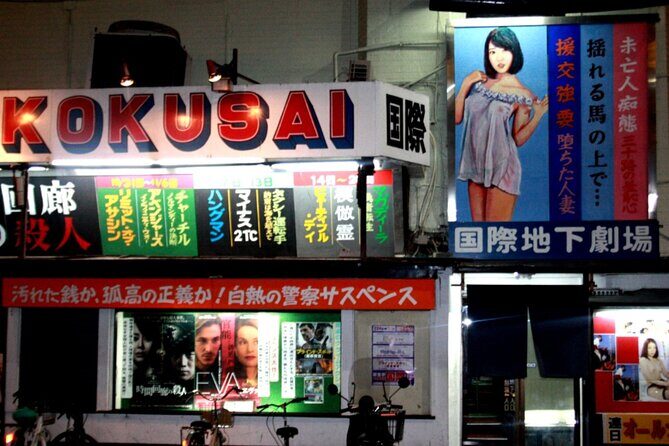
The tour includes a historical red-light district, presented with context including links to the yakuza. This is where the “darker side” label becomes real.
From the way guides are described in reviews, the tone aims for respect and explanation rather than shock. You’ll learn about how this area fits into the broader social structure—why it exists, how it’s been tied to power, and what it means historically.
One thing I’d tell you plainly: if you want a purely comfortable night with zero controversy, skip this one. But if you want to understand how cities work—especially the parts that are often hidden—this stop is likely the one you’ll remember.
The controversial past area: learn the why, not just the where
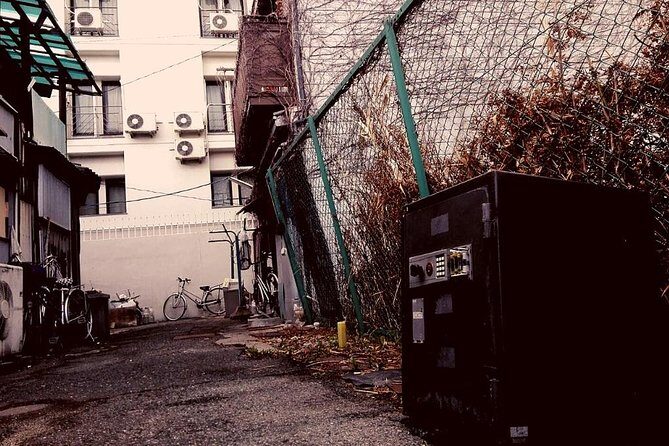
Another major theme is the ghetto area tied to a controversial past. The point isn’t name-dropping. It’s understanding how social divisions formed and why the effects can linger.
Some reviews mention topics like class systems, mental health, homelessness, and other social realities. That doesn’t mean the tour becomes sensational. It means the guide keeps bringing you back to cause and consequence: how society’s rules show up in neighborhoods and in people’s lives.
If you’re sensitive to social hardship topics, consider your own emotional limits before booking. For many people, the value is exactly that they’re not protected from the full picture of city life.
Street-food tastings at family stalls: what’s included and why it matters
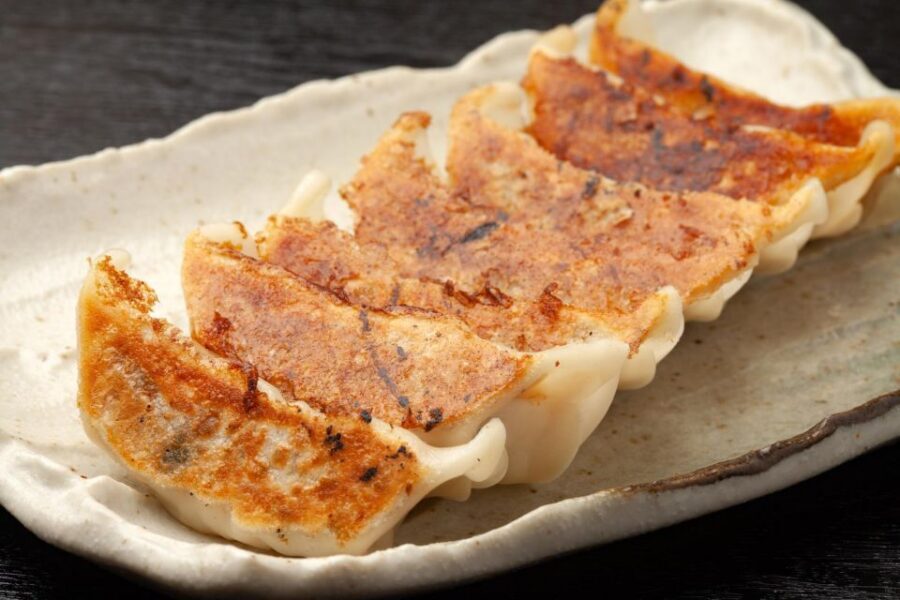
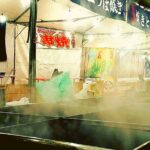
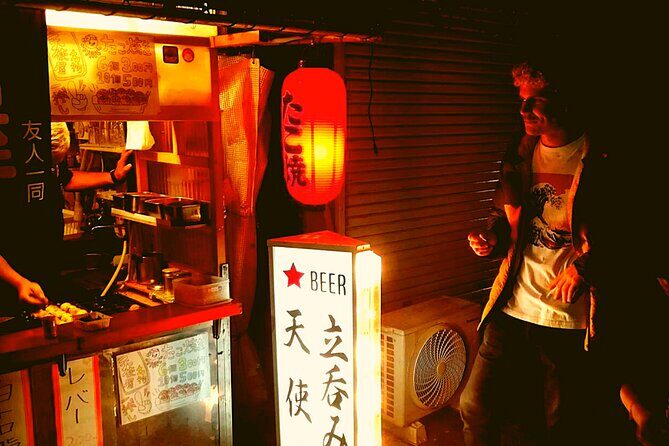
Food is built into the tour, which is one reason it feels more like a local evening than a sightseeing march. You’ll taste food at a food stall during the walk, and the tour description specifically calls out sampling at two different street-run, family stalls.
This matters because street food in Osaka is often about the everyday: quick bites, flavors locals trust, and small places you’d never find just by walking near a major attraction. If you’re the type who loves eating while moving—rather than stopping at a set restaurant meal—this format works well.
You can also treat it like a street-food orientation. Even if you don’t end up ordering those exact items later, you’ll learn what kinds of flavors and textures Osaka locals chase at night.
Optional dinner at an izakaya: tonpeiyaki, karaage, and vegetarian-friendly choices
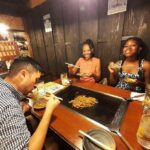
If you add the dinner option, you’ll eat “Osaka soul food” at an izakaya you won’t find on other tours. Importantly, alcohol is not included, but drinks are described as reasonably priced.
The included dishes are listed clearly:
- Tonpeiyaki
- Kaarage (karaage)
- Nikudofu
- Yakitori
- Desserts
There’s also a big plus here: it’s vegetarian friendly. That’s not common for “meat-focused izakaya” experiences, so if you eat vegetarian (or you travel with someone who does), this upgrade is a safer bet than most dinner add-ons.
In terms of value, the dinner option turns the tour from a snack-and-walk experience into a full evening. If you’re trying to manage costs in Osaka, it’s easier to justify than paying separately for an izakaya reservation and then hoping you chose a place with the right menu mix.
Safety, tone, and what to expect when the subject gets heavy
You will walk through areas tied to sex work and homelessness, and hear about gangs and other social realities. That’s all explicitly part of the experience concept.
The reviews do include reassurance that the walk feels safe and stays factual. Still, safety in this context often means the guide manages the route and the conversation—not that the subject matter is light. If you’re expecting “dark” as in gothic vibes, you’ll get something more grounded: real social history and real human stories.
I’d also suggest you come with one mindset: ask questions. The best moments on tours like this are when you get your guide to explain how systems worked and why they still show up in the streets.
After the tour: getting to your next stop without guessing
When the tour finishes back at the meeting point, you’re not left totally on your own. The inclusion list mentions after-tour assistance if you want to go to a bar, shopping, or entertainment areas.
That small touch can save you time, especially in Osaka where neighborhoods can feel close on a map but annoying to navigate when you’re tired. It’s also helpful if you want a smooth handoff into nightlife without another round of trial-and-error.
Price and value: $53.06 for a guided local evening with food
At $53.06 per person for roughly 3 hours and a small-group format (max 15), the price is mostly paying for three things:
- A guide who can explain what you’re seeing in places most visitors don’t cover
- The structure of a night walk that includes multiple food tastings
- Access to neighborhoods and districts you’d struggle to interpret on your own
If you add dinner, the value gets even stronger because you’re also getting a listed set of dishes (tonpeiyaki, karaage, nikudofu, yakitori, plus desserts) at an izakaya. And because alcohol isn’t included, you can keep your spending more predictable.
Who should book this tour (and who should skip it)
This tour is a great fit if:
- You want authentic Osaka that goes beyond mainstream sights
- You like cultural context, not just street photos
- You can handle topics related to class, social hardship, and taboo history
- You want food included without turning the evening into a long sit-down schedule
You might want to skip if:
- You’re only interested in bright, tourist-friendly areas
- You prefer lighthearted storytelling and minimal discomfort
- You strongly dislike walking 3 hours on an evening schedule
If you’re on the fence, think of it like this: this is a guided lesson about how Osaka works socially, seen through neighborhoods and food.
Should you book Deep Backstreet Osaka Tours?
I’d book it if you want your Osaka to feel real, not repackaged. The big draw for me is the combination of small-group access, multiple street-food tastings, and a guide who can explain the parts of the city that usually get avoided.
Add the dinner if you want to turn the experience into a full night meal with dishes like tonpeiyaki and karaage, and you value the fact that it’s vegetarian friendly.
Skip it if your goal is only famous highlights and easy sightseeing. This tour is honest about the city’s harder edges, and you’ll enjoy it most when you’re ready for that.
FAQ
FAQ
How long is the Deep Backstreet Osaka Tours walk?
It’s about 3 hours (approx.). The tour includes breaks, but you should still plan for a good amount of walking.
What time does it start, and where do I meet?
It starts at 5:30 pm. You meet at FamilyMart MYS Daikokucho Station (2-chōme-5-16 Shikitsuhigashi, Naniwa Ward, Osaka).
How big is the group?
The tour has a maximum of 15 travelers, with a personalized small-group setup.
What food is included during the tour?
The tour includes food stall tasting during the walk, and it features sampling at two different street-run, family stalls.
Is dinner available as an add-on?
Yes. You can upgrade to include dinner at a traditional izakaya. The included items listed are tonpeiyaki, karaage, nikudofu, yakitori, and desserts. It’s also vegetarian friendly.
Are alcoholic drinks included?
No. Alcoholic beverages are not included, but the listing notes drinks are very reasonable if you want to order.
What happens if the weather is bad?
This experience requires good weather. If it’s canceled due to poor weather, you’ll be offered a different date or a full refund.