REVIEW · OSAKA
Sake “Omakase” in Osaka : Guided Tasting by a Active Sake brewer
Book on Viator →Operated by Sake Pairing Bar ぽたん · Bookable on Viator
Sake tasting gets real when the brewer talks. In Fukushima, Osaka, Sake Pairing Bar Potan turns Omakase into a hands-on lesson with seven guided tastings led by active brewer Yuki. I like that you’re comparing sake by style, rice, and temperature, not just sampling. I also like that this is taught by someone who trained in an Osaka brewery.
One thing to consider: this is an alcohol-focused session (sake is included), so come ready for an evening that’s equal parts learning and tasting—not a light snack stop.
In This Review
- Key Details That Matter Before You Go
- Inside Sake Pairing Bar Potan: calm Fukushima, easy Osaka access
- Meet Yuki: a brewer-turned-host with Osaka roots
- How the 1.5-hour omakase tasting flows (and why the timing is smart)
- The seven sakes: what you taste, and what you should watch for
- 1) Style tells you the rules of the taste
- 2) Rice variety teaches ingredient logic
- 3) Temperature flips the same sake’s personality
- What you’ll learn about brewing: rice, water, koji, and polishing (without getting lost)
- Sake Preference Diagnosis: your tasting sheet becomes a shopping tool
- Food pairings: three seasonal dishes that make the tasting make sense
- Price and value: is $71.54 a smart use of time in Osaka?
- Logistics that can make or break your night
- Who this experience is best for (and who might want something else)
- Final call: should you book this Osaka brewer-led omakase tasting?
- FAQ
- How long does the guided sake tasting last?
- How many sakes do you taste during the session?
- What food is included?
- Who hosts the experience?
- How big is the group?
- Where is the meeting point?
Key Details That Matter Before You Go
- Active brewer host (Yuki) explains how sake is made, not just what to order
- Seven sakes compared in smart blocks: style, rice variety, and serving temperature
- Small group (max 10) keeps it chatty and relaxed, with time for questions
- Preference Diagnosis turns the tasting notes into a simple next-choice system
- Traditional setting in Fukushima at Sake Pairing Bar Potan, minutes from central Osaka
- Three seasonal pairings included, so you taste with real food—not only sips
Inside Sake Pairing Bar Potan: calm Fukushima, easy Osaka access
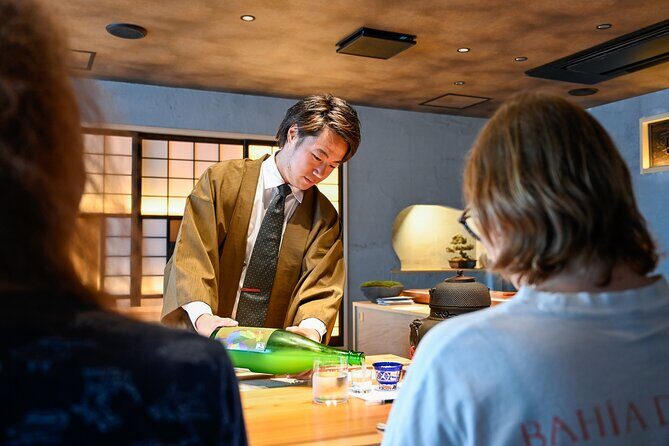
This experience takes place at Sake Pairing Bar Potan in Fukushima Ward, Osaka, in a refined space built around traditional Japanese architecture. That matters more than you might think. A quiet, focused room helps you notice aroma, texture, and how flavors shift from one pour to the next—especially when the whole point is comparison.
The meeting point is clear: Sake Pairing Bar Potan, 553-0003 Osaka, Fukushima Ward, Fukushima 2-chōme 7-24 NANEI福島ビル 4F. The venue is also described as near public transportation, so you should be able to get there without drama. Still, I’d plan to arrive a bit early so you can settle in before the first pour starts.
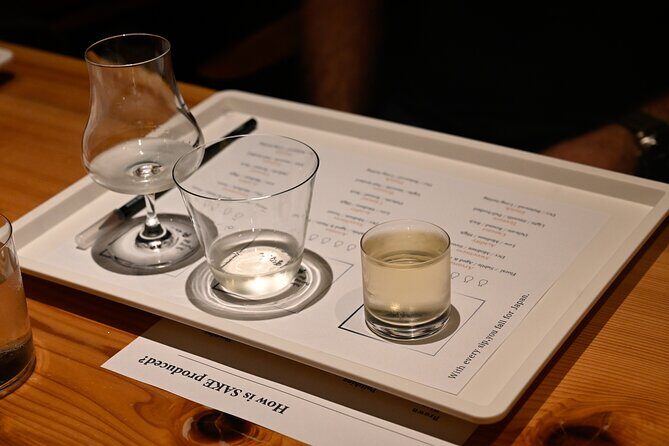
This isn’t a “walk around and snack” kind of activity. It’s a seated tasting masterclass with guided pacing for about 1 hour 30 minutes. If you’re tight on time and want a concentrated sake education, that short format is a plus. If you’re looking for an all-night food-and-sake crawl, you may find it ends too soon.
You can also read our reviews of more food & drink experiences in Osaka

Meet Yuki: a brewer-turned-host with Osaka roots
What makes this session feel different is the host. Yuki is the owner and also an active sake brewer—not just a bar manager reading from a script. The setup is built around his real-world experience: he’s trained for a year at a sake brewery in Osaka, which gives his explanations weight. You’ll hear not only how sake tastes, but how it gets there.
There’s also a personal story baked in. Yuki talks about traveling widely—around 35 countries by age 20—and how that journey helped him rediscover Japan. That perspective shows up in the way he connects sake to culture and conversation. Expect the vibe to be friendly and curious, with room to talk about your travel and what you notice in Japanese food and drink.
From a practical standpoint, I like this kind of host because it changes the level of specificity. Instead of vague talk, you get explanations that match what you’re tasting right now.
How the 1.5-hour omakase tasting flows (and why the timing is smart)
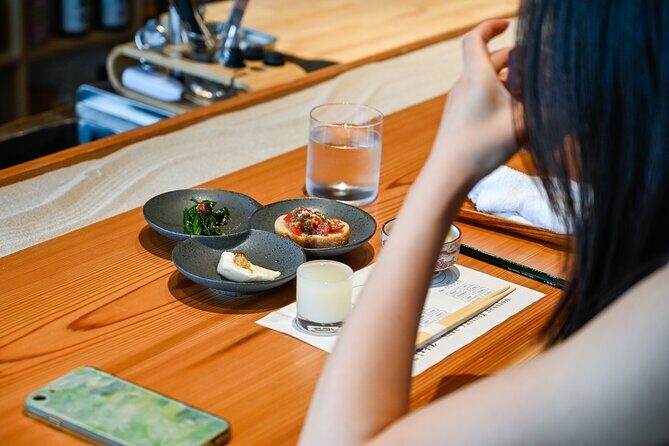
The session follows a staged pattern. A typical flow goes like this:
- Intro block (about 30 minutes total): You start with a foundation on sake—history basics, how rice variety and rice polishing matter, and some simple sake etiquette.
- Style comparison: Then you move into three different sake styles, tasted in a guided way so you can learn what changes between categories.
- Rice variety comparison: Next comes a two-sake comparison using different rice varieties. This is where you learn to separate “what the category is” from “what the ingredient is doing.”
- Temperature comparison: After that, you taste the same sake served at two temperatures. This is a classic lesson because warmth and chill can shift aroma and how sweetness, acidity, and body feel.
- Q&A and open conversation: There’s time for questions and back-and-forth discussion.
- Closing with the Sake Preference Diagnosis: You fill out a tasting sheet and get your personal recommendation.
Why this structure works: it trains your palate like a mini classroom. First you build context. Then you test one variable at a time—style, rice, then temperature—so the differences make sense. That’s the difference between random sips and learning that sticks.
Also, the session is limited to 10 travelers. That size keeps the pacing comfortable and helps you actually hear the explanations instead of competing with background noise.
The seven sakes: what you taste, and what you should watch for
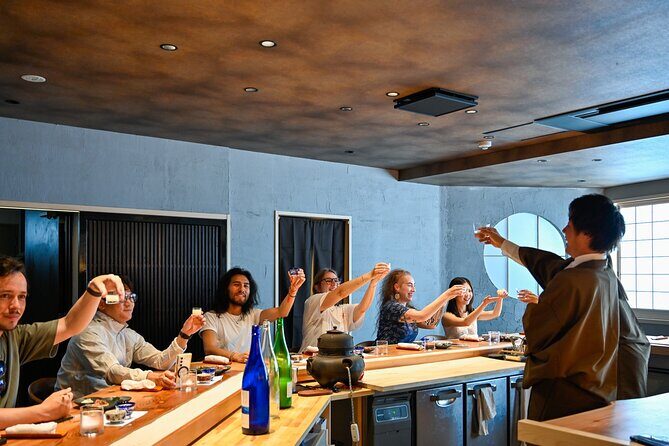
You’ll taste seven sakes total, and the breakdown is designed for learning:
- Three different sake styles
- Two sakes made from different rice varieties
- One matching comparison where the same sake is served at two temperatures
When you taste, don’t just ask what’s good. Ask what changes. Here are the exact comparison angles this session is pushing:
1) Style tells you the rules of the taste
Different sake styles can change the balance of sweetness, acidity, aroma intensity, and overall “weight” on the palate. The guidance here helps you learn what to look for when you see style labels later, instead of guessing.
You can also read our reviews of more guided tours in Osaka



2) Rice variety teaches ingredient logic
Switching rice variety can change how the sake smells and feels—even when you’re still drinking something in the same general style. This is a great way to understand why some sakes feel clean and light while others feel more rounded.
3) Temperature flips the same sake’s personality
This is one of the most memorable parts of any tasting like this, because it trains you to notice aroma and texture shifts. Even if you already think you like a sake, warm vs. chilled can turn up or soften certain notes.
The session also includes snacks—three seasonal Japanese pairing dishes—so you can taste with food as context. That helps you understand how sake behaves at the table, not just in a glass.
What you’ll learn about brewing: rice, water, koji, and polishing (without getting lost)
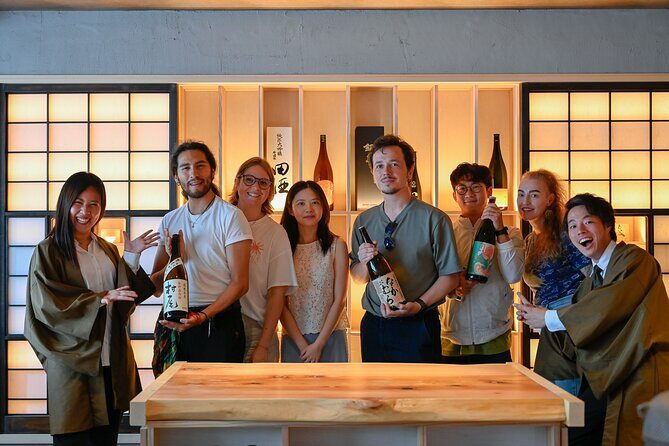
The intro isn’t just trivia. You’ll get the practical concepts that connect to what’s in your glass. Key topics mentioned include:
- Rice polishing ratios
- Rice varieties
- Sake history basics
- Simple sake etiquette
- How rice, water, and koji shape sake
I like that the explanations are designed to be clear. Several past participants praised the way Yuki breaks things down so you don’t need to be a sake expert to follow. That’s important in Osaka, where you can find plenty of tastings—but not all of them teach you enough to make future choices confidently.
One useful mindset: treat each tasting like an experiment. If you learn the “why” behind rice and koji, you’ll start recognizing patterns. And that’s what makes the next bar visit easier: you’re not starting from zero every time.
Sake Preference Diagnosis: your tasting sheet becomes a shopping tool
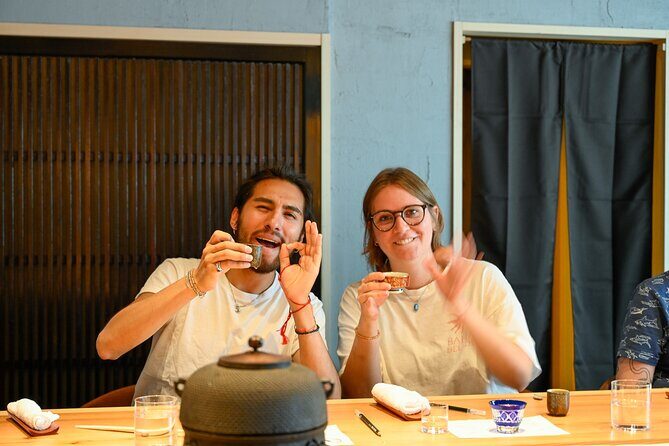
By the end, you fill out a tasting sheet and receive your personal Sake Preference Diagnosis. I really like this part because it converts a fun hour-and-a-half into something you can use later.
Instead of leaving with only a vague memory like smooth or fruity, you’re guided toward a clearer preference profile. Then, when you’re back in a shop or bar (or even ordering in Japan), you’re not trying to decode labels while jet-lagged.
This is especially helpful if you’re traveling with friends who have different taste instincts. You can compare notes afterward and narrow down what to try next based on what you learned during the temperature and ingredient comparisons.
Food pairings: three seasonal dishes that make the tasting make sense
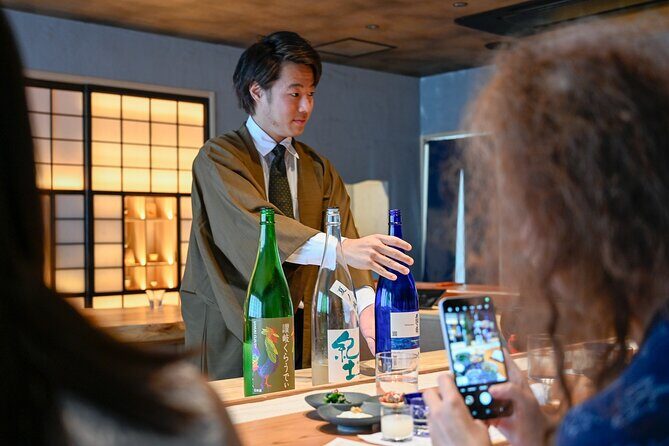
Sake is easier to understand when you taste it alongside food. This session includes three seasonal Japanese pairing dishes. The goal isn’t to overwhelm you with a meal. It’s to give your palate an anchor.
As you go through the seven sakes, these pairings can help you notice:
- how sake cuts through saltiness or fat
- whether a sake’s aroma feels stronger after a bite
- how temperature changes how the pairing lands
Even if you’re not sure what you’re eating, the structure still helps. You’ll be tasting with guidance, and the food is there so your brain connects flavor to real-world dining.
Price and value: is $71.54 a smart use of time in Osaka?
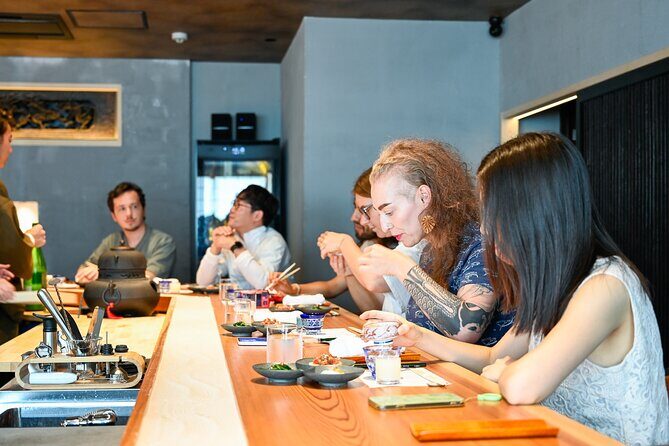
At $71.54 per person, this isn’t the cheapest sake tasting you’ll find. But it also isn’t trying to be a quick sampler.
Here’s the value math that matters:
- You get seven sake tastings, with targeted comparisons (style, rice variety, temperature).
- You get three seasonal pairing dishes, not just plain snacks.
- You’re hosted by an active brewer with real brewery training and a structured teaching flow.
- The group is capped at 10, which usually means more explanation per person.
If you’ve ever done a generic tasting at a busy bar, you know the frustration: you taste, you nod, and you leave with no clear next-step. This session is built to give you the next-step—especially through the Preference Diagnosis.
So I’d judge this price as a learning experience price, not just a beverage price. If you want to leave with skills you can use again, it reads as good value.
Logistics that can make or break your night
This is one of those tours where small practical details help you enjoy it more:
- Duration: about 1 hour 30 minutes. Plan something after, not before, and give yourself time to walk off a little alcohol.
- Group size: max 10. That’s great for conversation.
- Mobile ticket: you’ll have a mobile ticket, which is convenient if you’re already juggling apps and transit cards.
- Tips: tips are not included, so if you’re the tipping type, budget a little extra.
- Public transportation: it’s near public transportation, but the experience doesn’t include transport. So bring normal Osaka “get-yourself-there” energy.
- Service animals: allowed.
Also, it’s scheduled as a guided session, so show up ready to sit, listen, and taste. This isn’t a drop-in self-tour.
Who this experience is best for (and who might want something else)
This guided brewer-led tasting fits you well if:
- you want a structured comparison instead of random sipping
- you’d like to learn why sake tastes the way it does—rice, koji, polishing, and temperature
- you prefer a small group with real Q&A time
- you like hosts who share personal travel perspective and keep the mood relaxed
You might choose a different kind of sake outing if:
- you want a longer night with multiple venues
- you’re looking for mostly food focus with just light drink education
- you don’t want alcohol involved at all (this session includes sake)
For most visitors to Osaka, though, this is a smart way to get past the basics fast.
Final call: should you book this Osaka brewer-led omakase tasting?
If you care about learning—really learning—and you want to taste with a plan, I’d book Sake Pairing Bar Potan’s Omakase. The active brewer element matters, because it turns tasting into understanding. The seven-sake structure is unusually thoughtful: style first, then ingredient, then temperature.
Book it if you want your next sake order to be easier back home. And if you’re the type who likes conversation, the small group and Q&A make it feel human, not like a lecture.
If you tell me your travel dates and your usual sake style (dry vs. fruity, warm vs. cold), I can suggest what to focus on during the temperature and rice comparisons.
FAQ
How long does the guided sake tasting last?
It runs for about 1 hour 30 minutes (approx.).
How many sakes do you taste during the session?
You’ll taste seven sakes total.
What food is included?
You get snacks consisting of three seasonal Japanese pairing dishes.
Who hosts the experience?
The session is personally hosted by the owner, Yuki, who is an active sake brewer and trained for a year at a sake brewery in Osaka.
How big is the group?
The experience has a maximum of 10 travelers.
Where is the meeting point?
The meeting point is Sake Pairing Bar Potan, at 553-0003 Osaka, Fukushima Ward, Fukushima 2-chōme 7-24 NANEI福島ビル 4F.