REVIEW · OSAKA
Osaka Sushi Cooking Class “Learn here and make it at home”
Book on Viator →Operated by WashokuYanen · Bookable on Viator
Sushi class in Osaka, close to the action. In this maki and temari cooking session, you get hands-on steps for Japan’s most common homemade sushi (rolls) plus cute bite-size rice balls. I like how the class moves in a clear rhythm: a quick orientation, then serious practice with guidance, then a relaxed tasting with drinks. I also like that you’re not stuck translating on your own—there’s an English-speaking instructor, and Spanish support is available.
One thing to consider: you’re in a cooking kitchen for about three hours, so if you’re a picky eater or have food restrictions, you’ll want to coordinate in advance (the class says you can message them for vegetarian or allergy options).
In This Review
- Key points to know before you go
- Maki + temari in three hours: the real payoff
- Finding the kitchen near Shinsaibashi and Honmachi
- The 30-minute kickoff: what you’re setting up
- Hands-on cooking time (1.5 hours): learning the two techniques
- Maki sushi rolls: rolling rice, fillings, and seaweed
- Temari sushi balls: quick shaping with confident hands
- Expect a teach-by-doing pace
- Tasting with drinks (1 hour): turning cooking into flavor memory
- Language support that actually helps you work
- What’s included (and why it matters for value)
- Who this sushi class is best for
- Budget and timing: is $70 actually fair?
- Small considerations before you book
- Should you book the Osaka Sushi Cooking Class?
- FAQ
- What dishes will I learn to make?
- How long is the class?
- Is the class beginner-friendly?
- What should I bring?
- Are drinks included?
- How big is the group?
Key points to know before you go
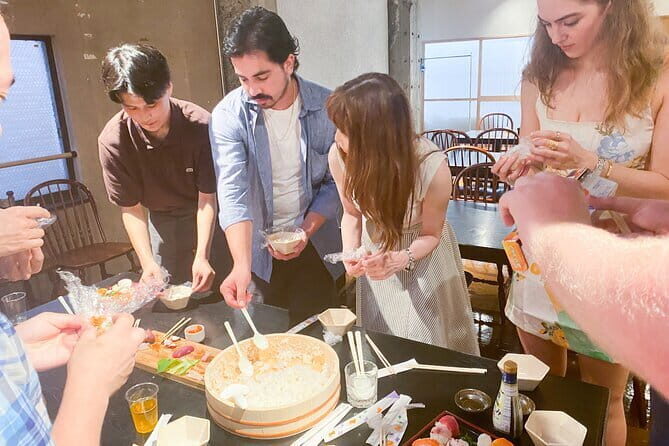
- Two sushi styles, one focused session: maki rolls and temari rice balls, step by step
- Small group size: up to 8 people means more attention while you’re rolling and shaping
- Everything provided: tools, ingredients, aprons, and even disposable gloves
- Drinks during tasting: sake, beer, and soft drinks for the tasting time (21+ for alcohol)
- Centrally located, yet calm: a short walk from Shinsaibashi and Honmachi on Osaka Metro
Maki + temari in three hours: the real payoff
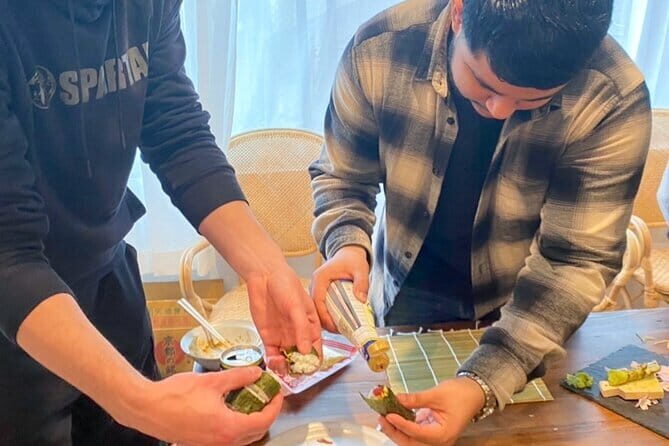
This class is built around one simple idea: if you can make it once in class, you can repeat it at home. You’ll practice two different techniques that feel totally different on your hands. Maki sushi is about rolling rice and fillings tightly inside a sheet of seaweed. Temari sushi is about shaping neat little rice balls and topping them so they look as good as they taste.
What makes it worth your time is the balance between structure and play. You get guidance for the parts that usually go wrong (rice texture, rolling control, neat shaping). Then you get the chance to taste what you made and adjust your instincts.
Also, this isn’t a lecture where you watch someone else work. The class is designed for doing—your fingers will get busy, and your brain will follow.
You can also read our reviews of more cooking classes in Osaka
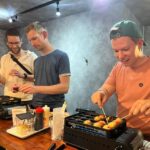
Finding the kitchen near Shinsaibashi and Honmachi
The meeting point is in Minami-senba, near Osaka Metro Shinsaibashi and Honmachi stations. The walk is short—about five minutes—and that matters in Osaka, where you can lose time fast if you’re taking long detours between stops.
You’ll be in a kitchen in a quiet, peaceful neighborhood even though you’re close to a lively area. That’s a good setup for a cooking class. Less stress means you focus on what your instructor is showing you: how the rice feels, how the fillings go in, and how tight you roll.
Since private transportation isn’t included, plan on using the subway/walking. The location is central enough that you shouldn’t need a taxi unless you’re on a tight schedule or carrying lots of luggage.
The 30-minute kickoff: what you’re setting up
Before you start cooking, there’s a 30-minute orientation and preparation block. This is where you get oriented to the flow and the tools, and where they set you up to succeed without panic.
Here’s what you can reasonably expect from this kind of start (and why it matters): sushi is mostly about small details. Rice temperature, seasoning consistency, and how you handle the seaweed all affect the final roll. The orientation time exists so you don’t spend your main cooking block figuring out how to use the kit.
You’ll also be told what to watch for while working with your instructor. It’s the difference between making something that looks decent and making something that tastes right.
And yes, they provide the gear: aprons and disposable plastic gloves, plus the kitchen tools and ingredients. That means you can show up as you are—no shopping trip, no missing items, no guessing.
Hands-on cooking time (1.5 hours): learning the two techniques
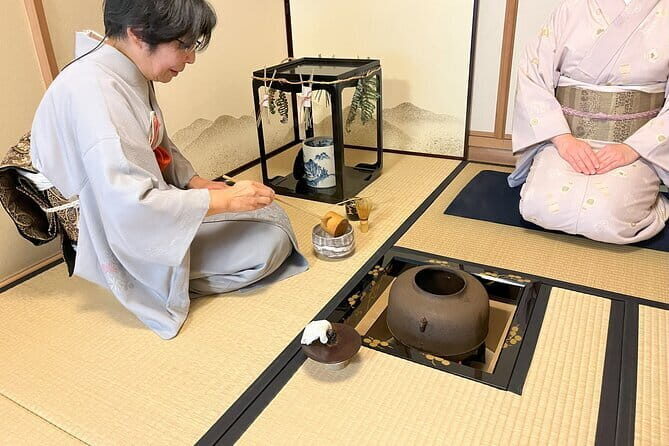
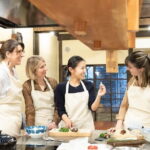
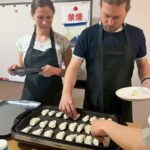
Your main work happens during the 1.5 hours of cooking. This is where you really build skills. And because the group max is 8 travelers, the instructor can give help while you’re still mid-step, not just after you’ve already done it the hard way.
Maki sushi rolls: rolling rice, fillings, and seaweed
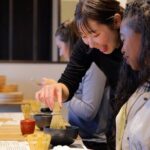
For maki, you’ll learn how the classic sushi roll comes together: rice plus fish and vegetables, wrapped inside seaweed. The key is learning control—how much filling, how you spread, and how you roll so the roll stays tight.
If you’ve ever tried to roll sushi at home and ended up with a loose log, this is the training you needed. A good roll isn’t about force. It’s about even pressure and clean alignment.
I like that this class focuses on what you’ll repeat later. The technique you learn here is the same technique you’d use on a normal day, even if your fillings are different.
You can also read our reviews of more tours and experiences in Osaka

Temari sushi balls: quick shaping with confident hands
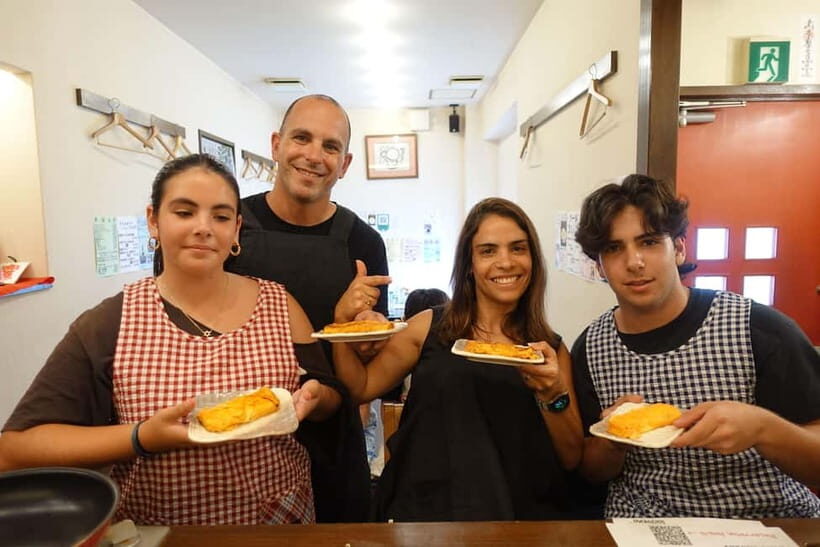
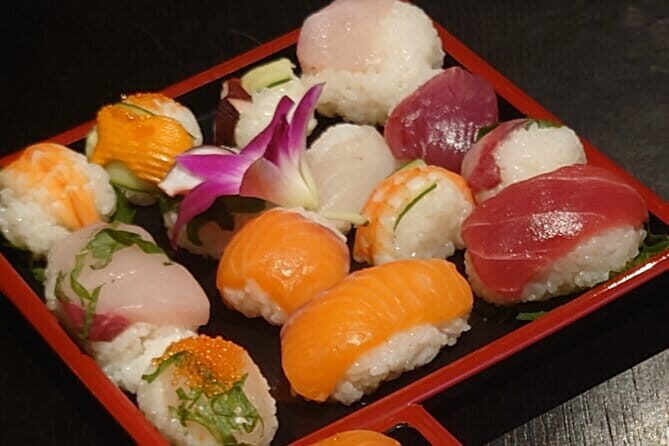
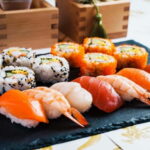
Then you switch to temari sushi, the bite-sized rice balls. These are made by forming rice into a ball and topping it with fish or vegetables.
Temari is fun because it doesn’t require the same rolling precision as maki. Reviews from similar class experiences point out that shaping can feel surprisingly doable—especially once you’re shown how to handle the rice and get a nice round shape. One practical tip I’d carry into any at-home attempt: don’t fight the rice. If it sticks, it’s usually a handling issue, not a “you can’t do it” issue.
Temari also has an instant visual payoff. Your hands are working, and suddenly you’re making something that looks like what you see in shops and on menus.
Expect a teach-by-doing pace
You’re not just following one step at a time. You’ll repeat patterns—mix, shape, assemble—so by the end, you’re not waiting for permission to move. The pacing is designed to keep you busy for the full block.
Tasting with drinks (1 hour): turning cooking into flavor memory
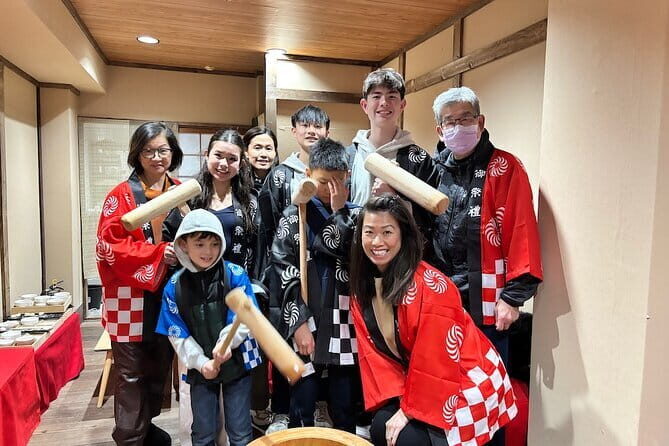
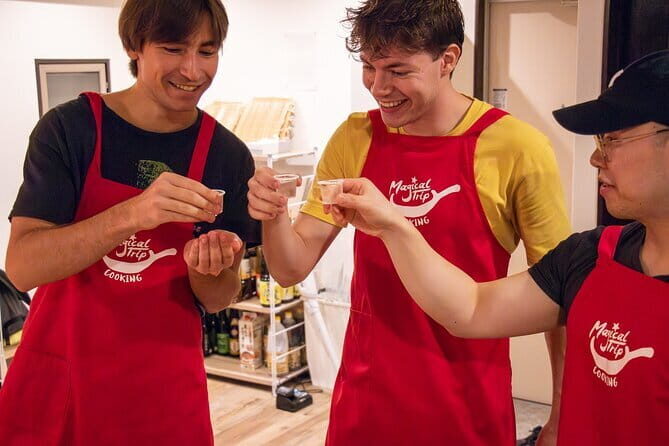
After cooking, you get a 1-hour tasting with sake, beer, and soft drinks. There’s an age rule for alcohol: it’s served only to travelers 20 years old and above. If you’re under that age, you’ll still get the non-alcohol options.
This tasting time is more than a reward. It’s a learning checkpoint. You can compare your maki and temari to what you expected as you cooked. If your roll tastes a little off, you’ll remember exactly where you adjusted (or didn’t). If your rice ball feels too firm or too loose, you’ll recall how you handled it.
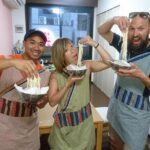
And yes, it’s also where the experience turns social. You’re eating what you made, in a relaxed setting, not standing around with plates like it’s a museum.
In short: the drinks help you loosen up, but the real value is the taste feedback.
Language support that actually helps you work
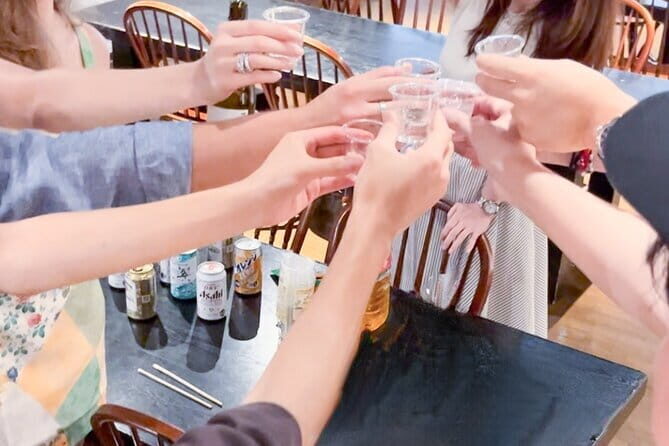
You’ll have an instructor who speaks English, and a Spanish-speaking instructor is available upon request. There’s also mention of a Japanese speaking instructor upon request.
For you, this matters because sushi isn’t just about understanding words. It’s about understanding instructions quickly while your hands are busy. If you’re traveling with friends and your Japanese is basic, the English support helps you keep up without losing the moment.
The multilingual setup also helps if you’re in a mixed-language group. It can turn a cooking class from stressful to smooth.
What’s included (and why it matters for value)
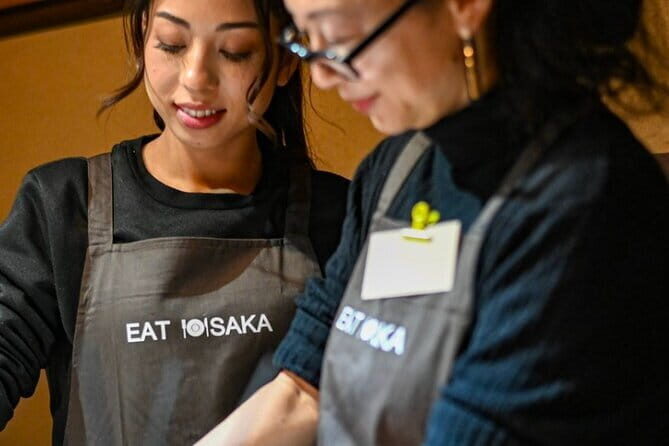
At $70 per person for about 3 hours, the value comes from what’s covered. You’re getting:
- All ingredients and tools
- Aprons and disposable gloves
- An English-speaking instructor
- Alcoholic drinks at tasting time (sake/beer) where age qualifies, plus soft drinks
- Mobile ticket for the activity
That’s the part people sometimes miss when they compare cooking classes: you’re not paying extra for a shopping list. And you’re not spending your vacation time bargaining in markets for seaweed and sushi rice. You show up, cook, taste, and leave with the technique.
Another value point: the class caps at 8 people. That small size is a quiet quality signal. You’re more likely to get real-time correction.
Not included is private transportation, so you’ll want to plan your own subway/walk route.
Who this sushi class is best for
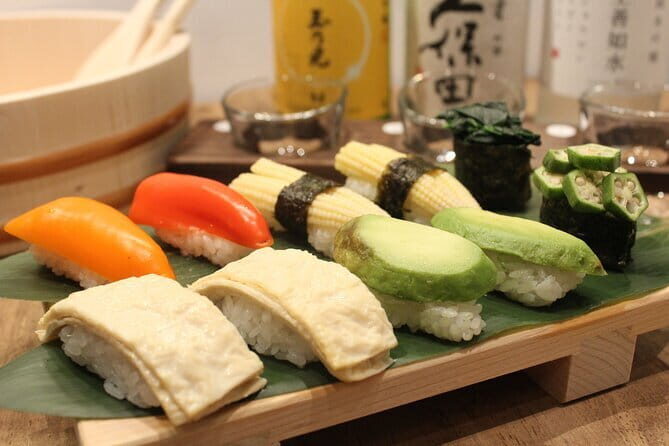
This is a strong pick if you want a hands-on activity that feels very Japanese but still practical. You don’t need cooking experience. You do need enough curiosity to try rolling something sticky without panicking.
I also think it’s a good option for groups. Friends can split attention—one watching the instructor’s hand position while the other focuses on pressure and timing. Families can do well too since temari shaping is more forgiving than perfect rolling, and maki gives kids an easy goal: wrap it neatly and see if it holds.
If you’re solo, you’ll still get plenty of guidance, and the tasting hour is a natural way to connect with your group.
Budget and timing: is $70 actually fair?
$70 for about three hours might sound steep until you count what you’re getting. You’re paying for instruction, ingredients, tools, and the tasting experience with drinks. Most people can’t DIY that setup at home during a short vacation—especially not in a central neighborhood where time costs money.
Also, this class targets learnable skills. You’re not just eating. You’re practicing the exact actions you’ll want to repeat later: rice handling, assembly rhythm, and shaping.
If you’re the type who buys kitchen gadgets but never uses them, this class is a better bet. You’ll leave with technique you can repeat, not just photos of food.
One more practical note: since the experience requires good weather, plan a bit of flexibility. If it’s canceled due to poor weather, you’ll be offered another date or a full refund.
Small considerations before you book
A few things to think through:
- Vegetarian and allergy needs: the class says to contact them for options after booking. If you have serious allergies, message early so they can plan.
- Alcohol rules: sake and beer are for travelers 20+ only. If that doesn’t apply to you, you’ll still have soda and non-alcohol drinks during tasting.
- It’s a real cooking session: you’ll spend most of the time doing hands-on work, so wear comfortable clothes you don’t mind getting a little rice-adjacent on.
Should you book the Osaka Sushi Cooking Class?
I’d book this if you want a structured, fun way to learn sushi you can actually make again at home. The combination of maki + temari, small group size, and included ingredients/tools makes it feel like more than a one-time meal.
Skip it only if you’re looking for a mostly sightseeing experience or if you already know sushi techniques perfectly and just want to eat. This is for learning with your hands, not for drifting around with a camera.
If your schedule is tight in central Osaka, the location is convenient. And if you’re traveling with friends or family, the short, focused format keeps energy high.
If you want, tell me your travel dates and whether you’re cooking solo or with family—I can suggest a smart half-day plan around Shinsaibashi/Honmachi so this class fits cleanly into your Osaka time.
FAQ
What dishes will I learn to make?
You’ll make maki sushi (sushi rolls) and temari sushi (bite-sized rice balls).
How long is the class?
The class lasts about 3 hours.
Is the class beginner-friendly?
Yes. The class provides tools and ingredients, and you’ll follow step-by-step instruction from the instructors.
What should I bring?
You don’t need to bring ingredients or tools. Just come ready to cook.
Are drinks included?
Yes. During the tasting time, you’ll have sake, beer, and soft drinks. Alcohol is served only to travelers 20 years old and above.
How big is the group?
The experience has a maximum of 8 travelers.