REVIEW · OSAKA
Ramen and Gyoza Cooking Class in Osaka
Book on Viator →Operated by Sakura Cook · Bookable on Viator
Ramen, made hands-on, not ordered off a screen. This Osaka experience focuses on ramen from scratch and two gyoza styles, taught in a small kitchen setting where you’re not just watching. I love the small-group feel, and the way the class keeps moving step by step, so you actually finish a real bowl.
Two stand-out wins for your itinerary: you’ll learn the techniques behind noodles, soup, and toppings, and then you’ll make classic round pork gyoza plus a second, crispy style. One thing to consider: ingredient choices can vary by season, and vegetarian options require you to notify them in advance if you have dietary needs.
In This Review
- Key Takeaways Before You Go
- A Chef-Led Ramen and Gyoza Class That Feels Like a Real Kitchen
- Ramen From Scratch: Noodles, Soup, and Toppings You Can Replicate
- Gyoza Two Ways: Pork Dumplings Plus Crispy Rectangular Veggie Gyoza
- Hands-On Flow: How the Kitchen Time Usually Plays Out
- Eating What You Make: Green Tea, Your Ramen Bowl, and Dessert
- Price and Value in Osaka: What $79.59 Really Buys
- Getting There: Banix Kitahorie Meeting Point and Mobile Ticket
- Who Should Book This Ramen and Gyoza Class (and Who Might Not)
- Should You Book This Osaka Ramen and Gyoza Class?
- FAQ
- How long is the ramen and gyoza cooking class?
- How much does the class cost?
- What does the class include?
- Is hotel pickup included?
- Where do I meet for the class?
- Are vegetarian options available?
Key Takeaways Before You Go
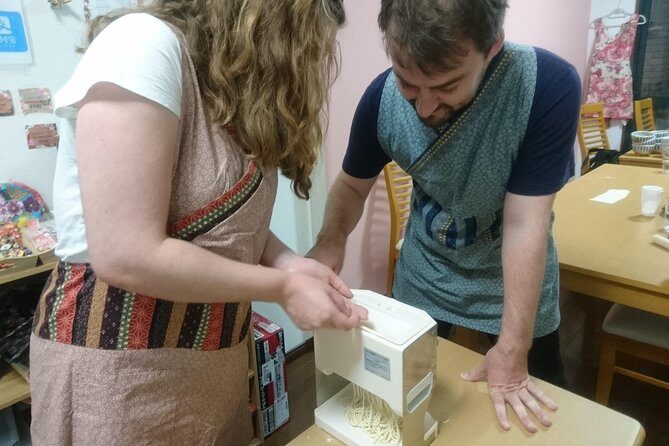
- Chef Keigo leads the session with clear, step-by-step guidance while keeping everyone on track
- Two gyoza styles: round pork gyoza plus crispy rectangular vegetable gyoza
- Ramen from scratch includes noodle-making, soup, and toppings, not just assembly
- You eat your results with green tea and a seasonal dessert to finish
- Printed recipes to take home so you can repeat the dishes later
- Clean, organized kitchen setup that feels designed for cooking, not demos
A Chef-Led Ramen and Gyoza Class That Feels Like a Real Kitchen
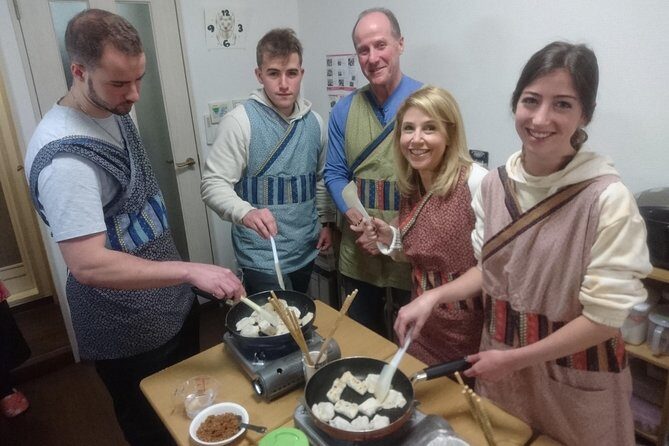
If you’re doing Osaka food, you should do it with your hands. This class is built around traditional comfort foods—ramen and gyoza—and it’s run by Sakura Cook, with chef instruction from Keigo in the kitchen. The setup is designed for active participation, so you spend your time cooking, not waiting.
The class size matters. It’s described as small-group (maximum six), which usually means more chances to ask questions and get corrected while you work. The broader activity cap is listed at up to 12 travelers, so you’ll still want to arrive ready to learn and jump in quickly.
The vibe is practical and encouraging. From the way the session is structured, you can expect step-by-step explanations and lots of “do this, then this” guidance. A couple of reviews also mention the kitchen feels clean and sanitary, plus the tools and ingredients are prepared so you don’t waste time hunting around.
The one drawback to keep in mind is dietary flexibility. Vegetarian options exist, but they require advance notice. Also, ingredients may vary depending on the season, which can matter if you have strict preferences or allergies.
You can also read our reviews of more cooking classes in Osaka



Ramen From Scratch: Noodles, Soup, and Toppings You Can Replicate
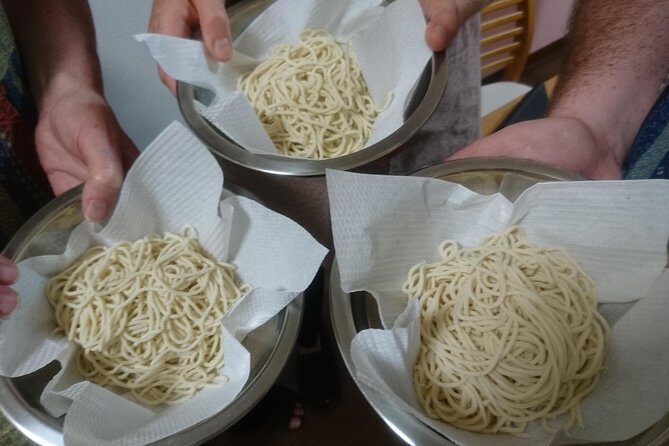
Ramen here isn’t treated like a final dish you assemble. You’re taught to make it from scratch, including the noodle work, the soup base, and the toppings. That’s a big difference from classes that only teach plating or dumpling folding.
The ramen portion is the heavy lift of the class. You’ll learn how to handle the dough for noodles and what to watch for as you move through steps. Then comes soup—where the focus shifts from “what tastes good” to “why it tastes good,” especially around ingredient choices and flavor balance.
Finally, toppings finish the bowl. This matters because ramen is really a system: noodles, broth, and toppings all contribute. The class format helps you understand that connection, rather than treating ramen like a single recipe line you memorize.
One of the best values in this part is the instruction style. Reviews mention that Keigo explains not only what to do, but the reasoning behind steps. That’s what helps you when you’re back home and your kitchen setup isn’t identical to theirs.
Gyoza Two Ways: Pork Dumplings Plus Crispy Rectangular Veggie Gyoza
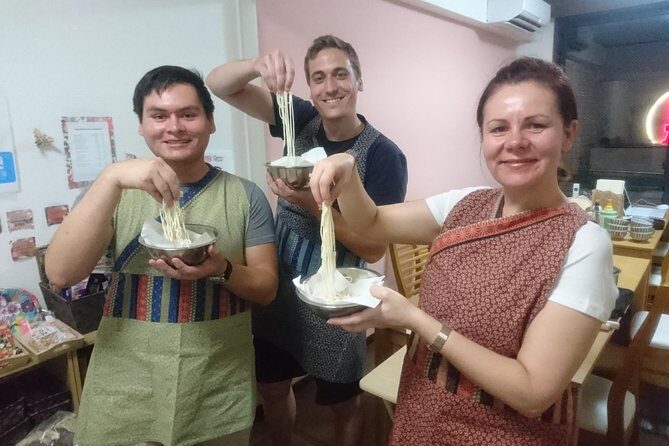
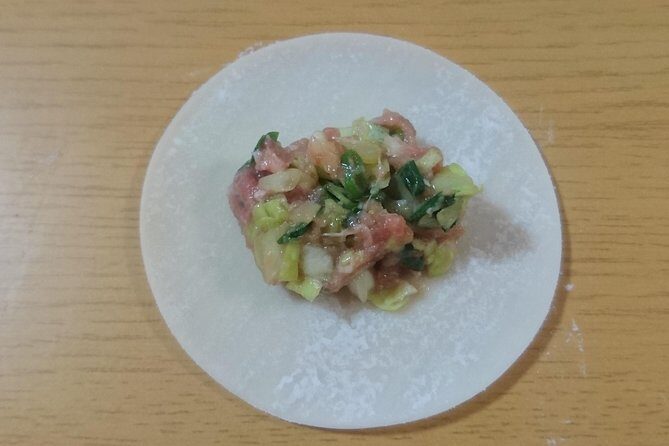
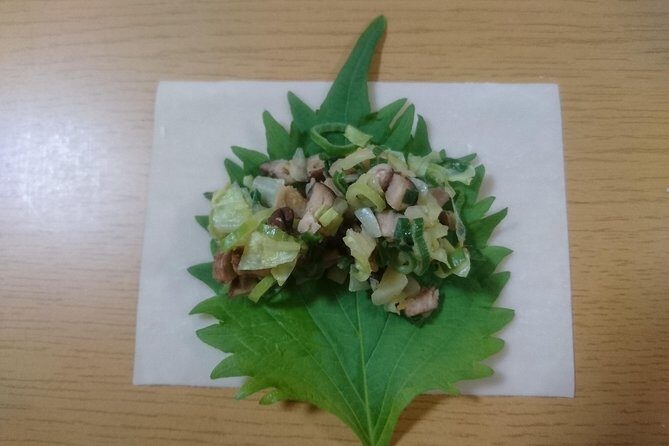
After ramen, you switch gears to gyoza. You’ll make two types, which is where a lot of visitors see the biggest learning jump. One set is classic round pork gyoza, and the second is a different shape and texture focus: crispy rectangular vegetable gyoza.
The big win is technique. Folding and pan-cooking gyoza changes based on shape, filling, and how you manage heat. The class format gives you time to practice the dumpling steps, rather than rushing you through one style and moving on.
The rectangular vegetable gyoza in particular is a fun reminder that dumplings aren’t one-size-fits-all in Japan. You’re learning a second approach to get variety, and that variety can make your own at-home cooking more interesting. Once you’ve mastered two methods, you’re more likely to experiment later instead of repeating the exact same thing forever.
Also, since you’ll be cooking with fresh ingredients and using the class kitchen tools, you get a clearer sense of consistency—how fillings should feel, how dough should behave, and what “crispy” means in real cooking time. Reviews highlight that the class is interactive and guided, so you’re not stuck guessing.
Hands-On Flow: How the Kitchen Time Usually Plays Out
The class runs about 2 hours 30 minutes (approx.). That timeframe is long enough to feel complete, but short enough that you stay moving. The structure helps you avoid the common problem with some classes: half the time is demo, the other half is “good luck.”
Plan on cooking in stages: ramen tasks first (noodles and soup work), then gyoza preparation and cooking. You’ll also be eating what you make near the end, so the pacing is built around finishing your own meal.
A few reviews note that the session doesn’t feel rushed. That matters because ramen and gyoza both have steps where speed can sabotage texture. When instruction is paced well, you actually get a chance to correct small mistakes before they snowball.
Some extra nice touches show up in reviews too: step-by-step written instructions, pictures taken during the process, and organized guidance so the helper can keep an eye on progress. One assistant mentioned in reviews is Tomiko, and another cook name you’ll see is Sakura (with additional staff mentioned as Fumi in at least one review).
If you like food classes where you leave with confidence, this format fits that goal.
Eating What You Make: Green Tea, Your Ramen Bowl, and Dessert
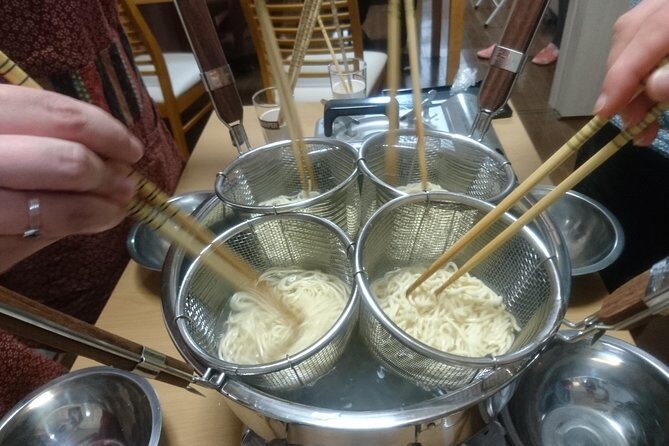
This isn’t just a cooking workout. You get to sit down and eat. After you prepare the dishes, you’ll enjoy your meal together with green tea and a seasonal dessert.
That part is more important than it sounds. It closes the learning loop. When you taste your own ramen—made from scratch—and your gyoza side by side, you’re better able to connect technique to outcome.
A few reviews mention the final food is very tasty and the results are satisfying enough that you’ll want to remake them at home. That’s exactly what you should look for in a class like this: an ending that makes the effort feel worth it, not just a “we cooked something” checkbox.
There’s also a practical element: the class ends back at the meeting point. So you don’t have to plot a second hop on your own right after eating.
You can also read our reviews of more tours and experiences in Osaka




Price and Value in Osaka: What $79.59 Really Buys
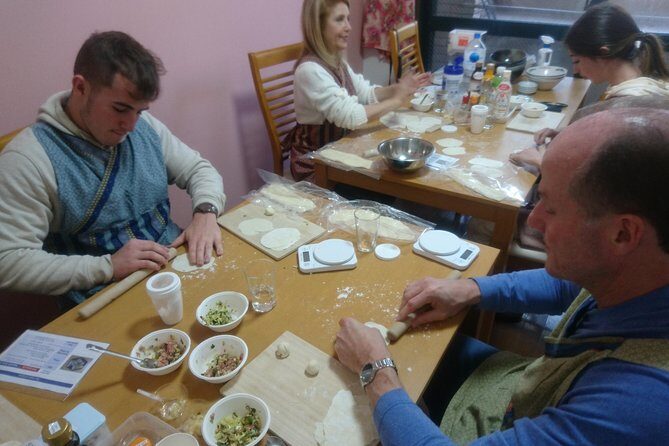
At $79.59 per person, you’re paying for more than ingredients. You’re paying for trained instruction, a kitchen setup built for cooking, and a meal that’s included.
Here’s what the price covers:
- All ingredients for the class
- Use of kitchen utensils and equipment
- A printed recipe you can take home
- A seasonal dessert
What isn’t included:
- Hotel pickup and drop-off
- Personal expenses or additional drinks
When I look at value for a class, I focus on repetition. This one gives you the tools and the recipe to try again later. Reviews also mention the recipes are detailed and easy to follow, and that written instructions are provided step-by-step. That’s crucial. A class that ends with “trust us” is fun, but a class that gives you a paper method is useful.
It’s also a small-group experience, which usually means your money goes toward real teaching time. If you’ve ever watched a cooking demo where you can’t see what the chef is doing, you’ll appreciate this format more.
And yes, ramen and gyoza from scratch take time. The fact that you can make both the dumplings and a full ramen bowl within the session is part of the pricing logic: you’re not paying for a quick snack lesson.
Getting There: Banix Kitahorie Meeting Point and Mobile Ticket
Logistics are simple but not invisible. The meeting point is listed at:
Banix北堀江 Japan, 550-0014 Osaka, Nishi Ward, Kitahorie, 3-chōme 62 システマギャラリー
It’s also noted as being near public transportation, so you’re not forced into a complicated route. You’ll use a mobile ticket, which keeps check-in low drama.
One helpful detail from reviews: Tomiko is mentioned as waiting outside to help people find the location easily. That’s a big deal in Japan, where buildings can look similar and entrances can be easy to miss.
Also, one review mentions it’s okay to bring luggage to the location. If you’re mid-trip and moving hotels, that’s a small convenience worth paying attention to.
The class ends back at the meeting point, so you’re not spending your evening doing route math after cooking and eating.
Who Should Book This Ramen and Gyoza Class (and Who Might Not)
This class is a great fit if:
- You want to cook ramen from scratch, not just eat it
- You’re happy to work with your hands for a couple of hours
- You like step-by-step teaching and want a recipe you can actually follow later
- You enjoy food experiences that teach technique, not only flavor
It’s especially good for first-timers. Reviews specifically suggest you don’t need a lot of cooking experience to enjoy it, as long as you love food and pay attention.
You might think twice if:
- You have very specific dietary needs and haven’t been able to inform the team in advance (vegetarian options exist, but you need to let them know)
- You’re looking for a short class focused only on eating or tasting without serious cooking effort
If you’re traveling with a friend or family, the small-group format also helps keep the experience from feeling crowded.
Should You Book This Osaka Ramen and Gyoza Class?
I think this is a strong booking if ramen and gyoza are on your Osaka must-eat list and you want more than restaurant memories. The best part is the mix: ramen from scratch plus two gyoza styles, then you eat your results with green tea and seasonal dessert. You also leave with a printed recipe, which is what turns the day into skills you can use later.
If you care about clean, organized instruction and you want a chef-led class with time to ask questions, this one fits. Just make sure you plan for the fact that ingredients can vary seasonally and confirm dietary needs ahead of time.
FAQ
How long is the ramen and gyoza cooking class?
It runs for about 2 hours 30 minutes.
How much does the class cost?
The price is $79.59 per person.
What does the class include?
You get all ingredients, use of kitchen utensils and equipment, a printed recipe to take home, and a seasonal dessert. Your meal is included as well.
Is hotel pickup included?
No. Hotel pickup and drop-off are not included.
Where do I meet for the class?
The meeting point is Banix北堀江 Japan, Nishi Ward, Kitahorie, 3-chōme 62 システマギャラリー.
Are vegetarian options available?
Yes, vegetarian options are available, and you should let them know in advance of any dietary restrictions.