REVIEW · OSAKA
Badminton in Osaka & Kyoto with Locals!
Book on GetYourGuide →Operated by omoroi life · Bookable on GetYourGuide
Badminton sounds simple until you’re on court with new friends. This low-cost session pairs Osaka and Kyoto gyms with mixed-skill play so you can practice fast, sweat smart, and meet people while you’re doing it. I like that it’s a true doubles format with enough rotation to learn without feeling stuck on one partner. I also like the practical setup: rackets, shuttles, locker rooms, and shower access are all included. One thing to plan for: you’ll be active the whole time, so it’s not a good fit if you have back issues or other pre-existing medical limits.
The biggest reality-check is logistics. Sessions happen at various gyms around Osaka (and the activity is framed for both Osaka and Kyoto), so expect to move to the right court for the day’s group. You’ll also need to bring the right shoes and keep them indoors—no outdoor-worn sneakers, and there’s no shoe rental. If you’re good with that, this is one of the easiest ways to get exercise in Japan without guessing where to find a court or partners.
In This Review
- Key highlights to know before you go
- How a 3-hour badminton session actually feels in Osaka and Kyoto
- Where you play: Osaka’s gym circuit (and how it affects your day)
- Meeting locals and playing “real doubles,” not a demo match
- Coach support in two languages (and why that matters)
- Included gear and the shower advantage you’ll appreciate later
- Shoes and shuttle choices: the two rules that prevent problems
- How the games run: rotations, queue culture, and learning by playing
- Value check: is $6 for 3 hours actually a good deal?
- Who should book this (and who should skip it)
- Practical prep checklist (so your court time goes smoothly)
- Should you book badminton with locals in Osaka and Kyoto?
- FAQ
- Where is the meeting point?
- What’s included in the price?
- Do I need to bring indoor shoes?
- Are feather shuttles provided?
- What languages are spoken during the activity?
- Who is this activity not suitable for?
Key highlights to know before you go
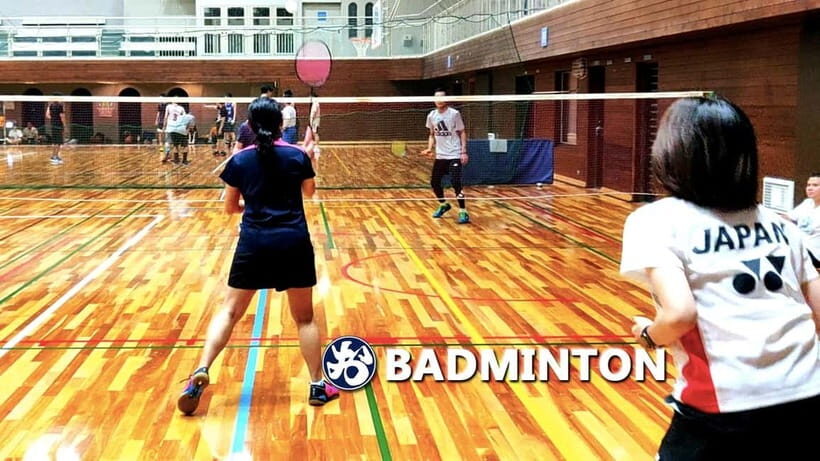
- All skill levels welcome: you’ll play doubles and practice in a way that works whether you’re new or returning.
- Small group (up to 5): easier to meet people and get real feedback during play.
- Multiple gym locations: you’ll experience different courts and setups across Osaka and potentially Kyoto.
- Included after-play comfort: locker room and shower access mean you can stay fresh for the rest of your day.
- Gear is handled: rackets and plastic Yonex shuttles are included, with an option to bring feather shuttles.
How a 3-hour badminton session actually feels in Osaka and Kyoto
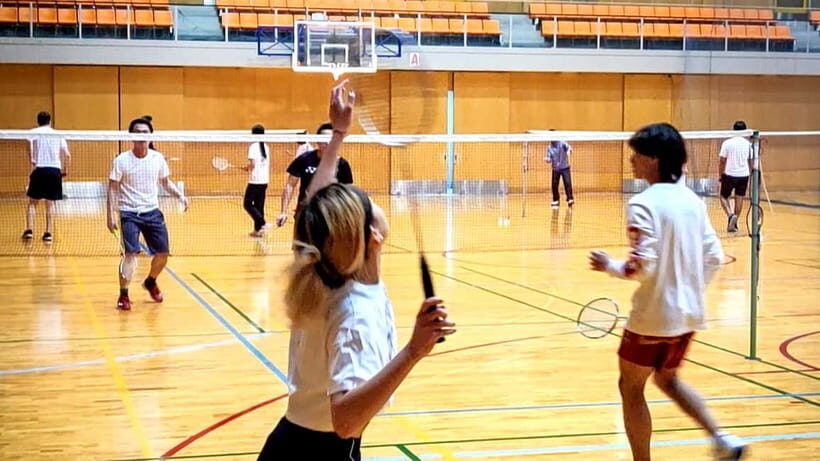
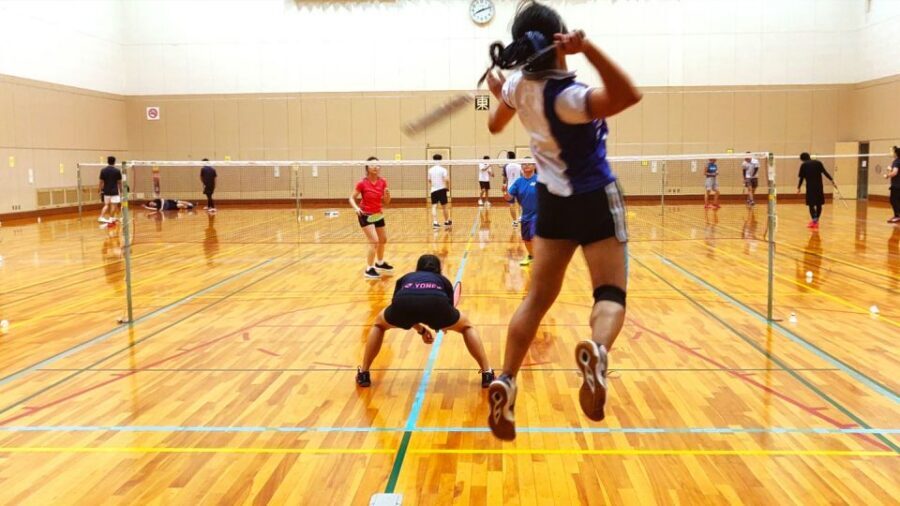
This is the kind of activity that turns your “free afternoon” into something you’ll remember. You show up, you get sorted into play, and you’re not just watching. It runs for 3 hours, which is long enough to warm up, try different match moments, and still finish with enough energy to explore after.
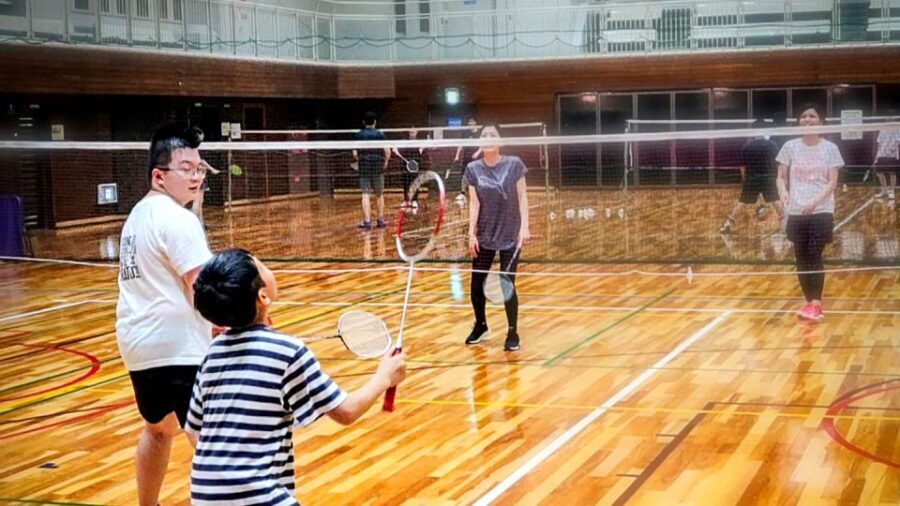
The format is geared toward friendly doubles games at different levels. That matters. Badminton can be awkward when everyone’s at totally different skill levels, because the slower player often becomes dead weight—or the faster player ends up bored. Here, the idea is that you’ll be grouped for doubles so you can contribute, rally, and keep improving instead of simply losing quickly. You can treat it like a practice session with a social layer, not a rigid class.
Also, the session is built for meeting people—locals, foreigners, and new friends. You don’t need to already know anyone. With a small group size (limited to 5 participants), you’re more likely to talk, laugh, and understand what’s going on between games.
You can also read our reviews of more tours and experiences in Osaka.

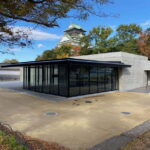

Where you play: Osaka’s gym circuit (and how it affects your day)
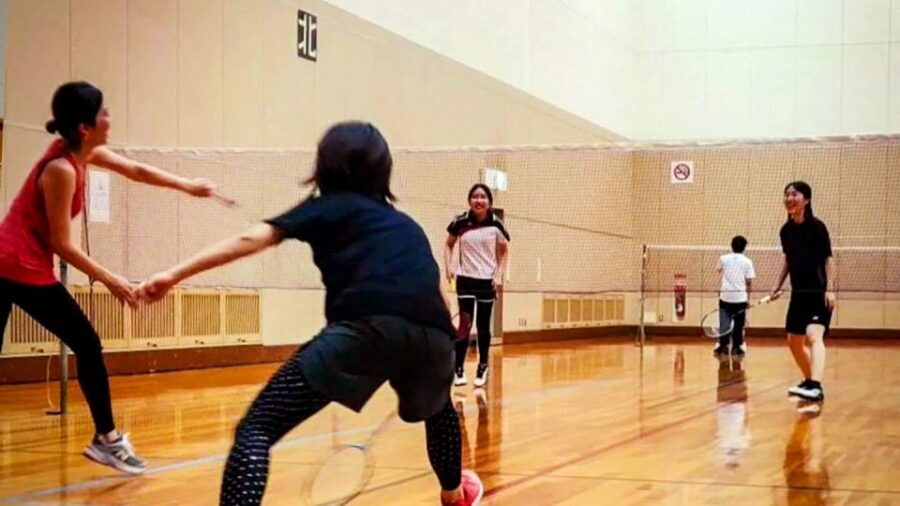
The location changes depending on the option booked. The activity uses various gyms around Osaka, and it’s described as an Osaka/Kyoto experience. That means your day isn’t just one “meet and play” stop—it’s a moving target, even though it stays within the city-region.
One helpful detail: one of the specific courts mentioned is Sumiyoshi Sports Center. That’s a good sign that you’re not getting tossed into some sketchy corner court. It’s the kind of real sports facility you can take seriously, which helps if you’re coming to practice technique, not just swing a racket.
Because gyms can differ, the flow and court management can feel different too. For example, one tip shared is that you might need to queue for the next court by piling a racket near the net. That’s the sort of small local norm that saves you from standing around awkwardly. If you see others doing it, follow their lead. You’ll move faster and look like you belong.
Practical impact for you: plan this activity on a day when you’re not rushing. Give yourself buffer time, because relocating between gyms (even short distances) can add friction.
Meeting locals and playing “real doubles,” not a demo match
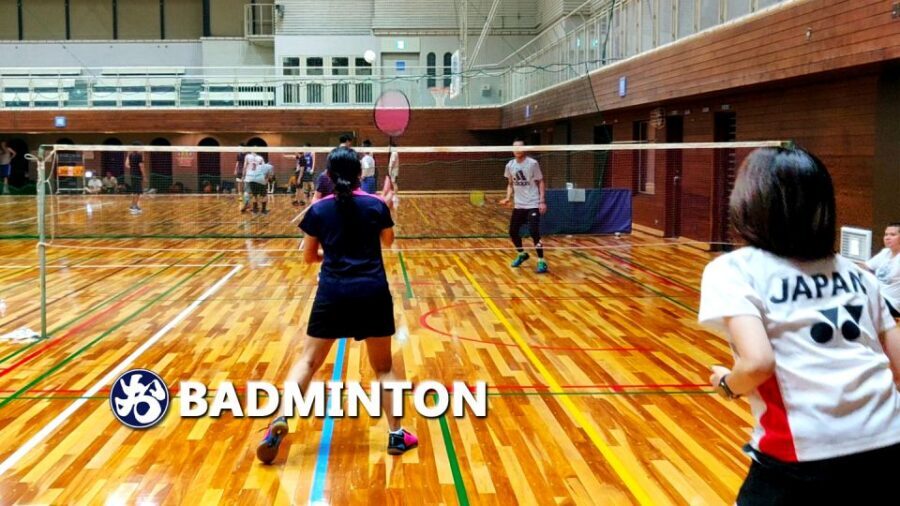
The session is designed for mixed company: local Japanese players, plus international participants. It’s also set up for learning. The instructor team supports both English and Japanese, which is a big deal if you want feedback on technique or positioning without guessing.
In groups like this, what helps most is the combination of:
- friendly doubles matches
- someone watching and offering tips as play happens
- enough rotation so you’re not playing one repetitive role all session
You’ll get practice that feels like badminton, not drills alone. And doubles is the right choice for social travel. You talk between rallies. You discuss court coverage. You learn where your partner expects you to move next. It’s easier to meet new friends when there’s a shared rhythm.
If you’re an intermediate player, you’ll likely enjoy testing your control under slightly different styles—different grip strength, timing, and shot preferences. If you’re brand new, doubles still works because rallies can be more forgiving than singles. Just don’t expect perfection on day one. The goal here is to play, connect, and improve in small steps.
Coach support in two languages (and why that matters)
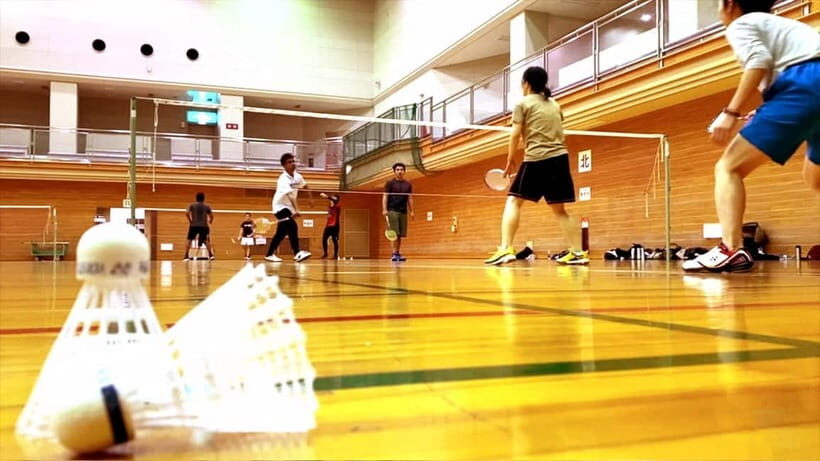
The activity lists an instructor who speaks English and Japanese. That changes the vibe. When language is shared, you’re more likely to understand:
- what the group wants you to do during rotation
- how to hold back on pace if a round is geared for beginners
- what small technical fixes to try next point
In a sport like badminton, tiny changes make a difference: wrist angle, timing of the jump (or lack of it), body positioning for return, and how hard you commit to a shot. You don’t need a textbook lesson. You just need clear cues at the right moment.
And since the group is limited to 5 participants, there’s a better chance you’ll actually receive attention instead of being one voice in a big crowd.
Included gear and the shower advantage you’ll appreciate later
This is one of those trips where the details save you money and stress.
Included:
- badminton rackets
- shuttles (plastic Yonex)
- locker room
- shower access
So you don’t have to hunt for gear rental at the last minute. You don’t have to bring an entire kit of equipment. And the locker room plus shower access is honestly more valuable than it sounds, especially if you’re pairing this with sightseeing afterward. You can sweat, clean up, and keep your day moving instead of feeling sticky in your next activity.
If you’re thinking, Great, but will the shuttles feel decent? The listing specifies plastic Yonex shuttles. Those are the common practical training-style shuttles that work well indoors without the fuss of feather timing and fragility.



Shoes and shuttle choices: the two rules that prevent problems
Before you even pack, take note of the “don’t guess” items.
1) Indoor sports shoes only
You must bring indoor sports shoes—specifically shoes that have not been worn outdoors. There are no shoe rentals, so plan your footwear like you plan your socks for an airport flight.
This matters because indoor gym floors often care about dirt. Also, the grip on a court shoe is different from casual sneakers. If you show up in the wrong shoes, you’ll feel it immediately in your footwork and braking.
2) Feather shuttles are optional, not included
The listing says feather shuttles are not provided. If you want to use feathers for your own games, bring your own.
That doesn’t mean you’ll be forced into plastics. It just means if you’re picky about shuttle feel, you’ll want to come prepared. Most casual sessions are happy with the included plastic Yonex shuttles.
How the games run: rotations, queue culture, and learning by playing
Even without a formal written minute-by-minute schedule, you can expect a rhythm typical of doubles sessions.
You’ll likely:
- warm up briefly
- play doubles rounds
- rotate partners
- get informal coaching cues when needed
- finish, then use locker room and shower access
One practical court-management detail from the field: in some gyms, there’s a local queue style. The tip I’d actually use is this—watch for the racket pile near the net. If you see players doing that, park your racket in the next spot rather than hovering. It keeps the line moving and helps you get into the next game faster.
Rotation is the secret sauce. When you play with different partners, you learn:
- how each person times returns
- how their positioning changes under pressure
- what shot types your partner prefers (and avoids)
That’s the fastest way to improve on a travel trip. You can’t replicate it alone at a gym by doing solo shadow swings. Here, you get the feedback loop of real points.
Value check: is $6 for 3 hours actually a good deal?
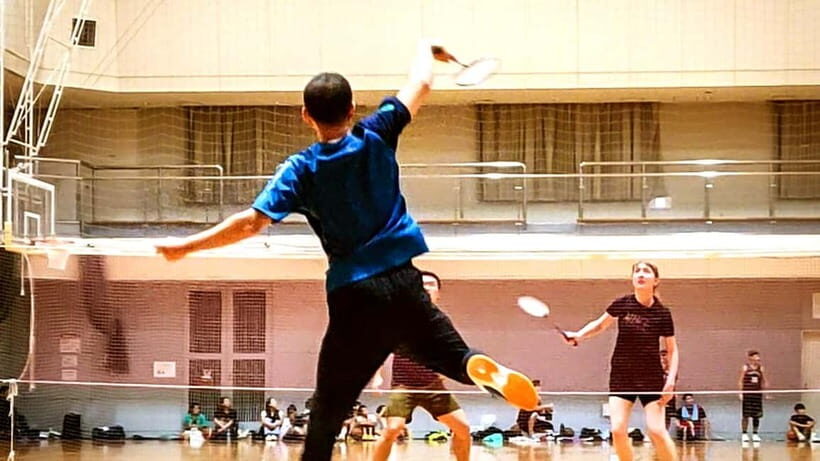
At about $6 per person for a 3-hour badminton session, this is priced like a budget-friendly sports meet, not a premium private coaching experience. The value isn’t just the low price. It’s what’s bundled into that price.
You’re getting:
- rackets
- plastic Yonex shuttles
- locker rooms
- shower access
When those are included, you avoid the usual cost traps: court rental, gear rental, and the hassle of finding a place to cool down and wash up after. For many visitors, badminton is one of those activities that feels expensive only because you think you have to pay for everything separately.
So yes, it’s good value—especially if you want active time in Japan without turning it into a major budget item.
The only reason you might hesitate is the gym-hopping reality. If you hate moving around or you’re tight on time, that’s the main “trade.” Otherwise, for the money, you’re buying a lot: play time, gear, and a built-in social scene.
Who should book this (and who should skip it)
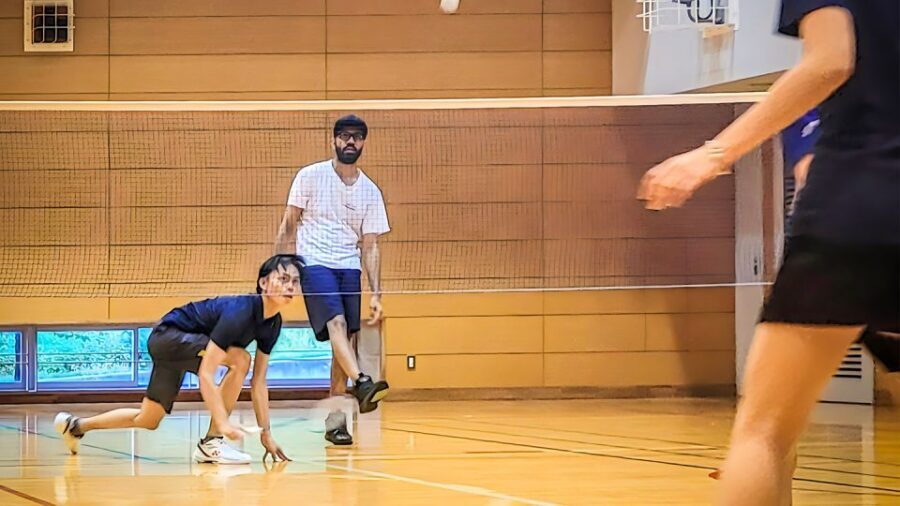
This is well suited for:
- people who want exercise plus social interaction
- players who enjoy doubles more than singles
- travelers who miss their sport and want practice without advanced planning
- mixed-skill groups, since the activity is framed for all levels
It’s also a good pick if you’re traveling alone. With a small group up to 5 participants, you’ll likely talk with the people next to you rather than sitting silently in a large group.
You should skip it if you have:
- wheelchair needs
- back problems
- pre-existing medical conditions
That’s not just a legal note. Badminton involves quick changes of direction and repeated impact through the legs and back. If you’re at all unsure, this activity is not the place to test your limits.
Practical prep checklist (so your court time goes smoothly)
If you want the smoothest session possible, pack like this:
- indoor sports shoes (not worn outdoors)
- comfortable athletic clothes for 3 hours of moving
- a small towel (optional, since shower access exists, but you might prefer your own)
- if you’re loyal to feather shuttles, bring your own
Then, on arrival:
- expect the meeting point to vary depending on the booked option
- be ready for the fact that your badminton time happens at different gyms
- pay attention to the court queue behavior (like the racket-near-net method mentioned at one facility)
Once you’re on court, relax and focus on rally rhythm. You’ll get more from the session if you treat it like practice with friends. Your results will matter less than your participation—and that’s where the learning comes from.
Should you book badminton with locals in Osaka and Kyoto?
Book it if you want a fun, low-cost way to play badminton while meeting locals and other international players. The combination of small group size, included gear, and shower access makes it easy to fit into a travel schedule. It’s also built for all skill levels, which is rare for activities that are actually social.
I’d only hesitate if you:
- hate gym-to-gym logistics
- need a stationary, single-location activity
- have mobility or medical concerns related to active play
If you’re in the “I want to move and connect” camp, this is a smart choice. In one short block of time, you get court time, coaching support in English and Japanese, and the kind of friendly camaraderie that’s hard to replicate when you’re just wandering around sightseeing.
FAQ
Where is the meeting point?
The meeting point may vary depending on the option booked. The listing provides coordinates at 34.6621223, 135.4455016, but you should confirm the exact spot tied to your booking.
What’s included in the price?
Badminton rackets, plastic Yonex shuttles, locker room access, and shower access are included.
Do I need to bring indoor shoes?
Yes. Please bring indoor sports shoes (shoes that have not been worn outdoors). There’s no shoe rental available.
Are feather shuttles provided?
No. Plastic Yonex shuttles are included. If you want to use feather shuttles for your own games, you need to bring your own.
What languages are spoken during the activity?
The instructor speaks English and Japanese.
Who is this activity not suitable for?
It’s not suitable for wheelchair users, people with back problems, or people with pre-existing medical conditions.