Kyoto can feel like a maze, but this private day is built for flow. You get a full-day route with a guide who handles the language and even helps with photos, so you can focus on the places: Fushimi Inari, the Golden Pavilion, Gion, and the bamboo forest area.
What I like most is the convenience. Hotel pickup and drop-off from Osaka removes the morning stress, and the private vehicle keeps your day from turning into train connections and missed timing.
The big thing to think about is cost creep. Ticketed temples like Kinkakuji and Kiyomizu-dera add per-person entrance fees, and lunch and optional kimono aren’t included—so your final day budget can get higher than the base price.
In This Review
- Key takeaways before you go
- Private Kyoto Day: The Osaka Hotel Pickup Advantage
- The Real Cost Picture: What $367 Covers (and What It Doesn’t)
- Your 9:30 Start: How the Day Is Structured
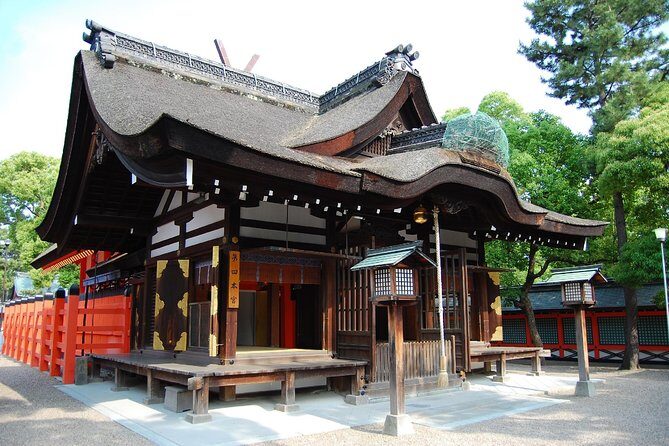
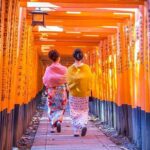
- Fushimi Inari-Taisha: Start With a Shinto Landmark
- Arashiyama Bamboo Forest: A One-Hour Hit
- Kinkakuji Temple (Golden Pavilion): The Paid Stop That Many People Plan For
- Kiyomizu-dera: UNESCO Setting in Eastern Kyoto
- Gion and the Geisha District Feel: One Hour in the Famous Neighborhood
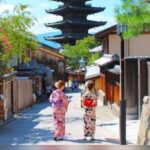
- Hokan-ji Temple (Yasaka Pagoda): A Tall Landmark in an Old Neighborhood
- Guide Support You Can Feel: Translation, Photos, and Timing
- Lunch, Kimono, and Photo Stops: Plan for the Extras
- Who This Tour Fits Best
- Book It or Skip It? My Decision Guide
- FAQ
- What time does the tour start, and how long is it?
- Is hotel pickup and drop-off included?
- Which stops are free, and which have entrance fees?
- How much are the entrance fees for the paid temples?
- Is lunch included in the price?
- Can I rent a kimono on the tour?
- What happens if the weather is bad?
Key takeaways before you go
- Private door-to-door convenience: Osaka hotel pickup and drop-off with parking, fuel, and tolls handled.
- A guide who can translate and photograph: You are not left on your own at each stop.
- A classic Kyoto lineup in one day: Fushimi Inari, Arashiyama Bamboo Forest area, Kinkakuji, Kiyomizu-dera, Gion, and Hokan-ji.
- Free stops mixed with paid temples: Some sites are ticket-free while others require separate entrance fees.
- Schedule flexibility when time allows: If you finish a stop early, you may be able to adjust.
- A note on guide/driver quality: One past customer urged hiring a licensed travel guide and raised concerns about communication and driving.
Private Kyoto Day: The Osaka Hotel Pickup Advantage
A day in Kyoto is usually about managing time. That’s why I love how this tour starts with hotel pickup in Osaka and ends with drop-off back at your hotel. Instead of negotiating public transit with luggage, you can use the ride time to settle in and get your bearings for the day.
You also get a private setup. This isn’t a shared shuttle where you’re stuck matching someone else’s pace. It’s “just your group,” which matters a lot when you want time for photos, short walks, or that extra minute to look at a detail around a temple courtyard.
One more practical win: the tour includes an air-conditioned vehicle, parking fees, and toll fees. Those costs add up quickly if you’re piecing together transportation on your own, especially on a day that runs roughly 6 to 10 hours.
You can also read our reviews of more private tours in Osaka
The Real Cost Picture: What $367 Covers (and What It Doesn’t)
The listed price is about $367.07 per person, and it’s a tour that tends to be booked around 47 days in advance. That’s a hint that popular dates can fill up, especially if you’re traveling in peak season or want a specific day of the week.
Here’s the value math in plain terms:
- Included: private transportation, parking, fuel/tolls, and an English-speaking driver (with guidance at destinations).
- Not included: lunch and several temple entrance fees plus optional kimono.
Entrance fees you should expect:
- Kinkakuji Temple: ¥500 per person
- Hokan-ji Temple (Yasaka Pagoda): ¥400 per person
- Kiyomizu-dera: ¥400 per person
So, budget around ¥1,300 total in entrance fees for those three stops, per person, before you eat or add extras.
Optional cost:
- Kimono experience on Kimono Forest: ¥3980 to ¥6000 (not included)
If you’re trying to keep spending controlled, you can still do everything on the route while skipping kimono. If you’re excited to dress the part, treat kimono as a separate add-on and plan for it.
Your 9:30 Start: How the Day Is Structured
The tour starts at 9:30 am, and it’s designed as a full-day loop across Kyoto highlights. The durations per stop are listed at about one hour each, but the true timing depends on walking pace, photo breaks, and how long it takes you to get in and out of each spot.
A private guide approach changes the rhythm. Instead of you trying to locate each entrance and figure out where to stand for the best angle, your guide helps manage the flow—plus they can act as a translator and photographer.
That’s also where the “customize when time allows” note comes in. You might not always have spare time, but on a day that runs smoothly, having a guide who can adjust plans is a real advantage.
Fushimi Inari-Taisha: Start With a Shinto Landmark
First stop is Fushimi Inari-taisha Shrine, built to honor Inari, the Shinto god of rice. Admission here is listed as free, which is a big deal when you’re budgeting the day.
Why this works well early: starting with a popular shrine often sets the tone for the rest of Kyoto. You’ll be in a Shinto setting first, then shift into the Buddhist temple stops later, and that contrast helps the day feel less repetitive.
The other practical benefit: since entry is free, you don’t lose time at a ticket counter. You can use that hour for exploring at your own pace with your guide there for context and timing.
What to watch for: it’s still a very well-known site, so wearing comfortable shoes matters. The tour gives you about an hour, so think of this as a focused introduction rather than an all-day wandering session.
Arashiyama Bamboo Forest: A One-Hour Hit
Next you head to Arashiyama, specifically the Arashiyama Bamboo Forest area. Admission is also free here, and the stop is about one hour.
Arashiyama is famous for the Sagano Romantic Train ride, and that detail matters because it’s part of the whole neighborhood vibe. Even if you don’t ride the train, you’ll likely see the area designed around visitors who do.
In one hour, your goal should be simple: get your photos, do a calm walk, and don’t burn all your time fighting crowds. With a guide helping you keep moving, you can actually enjoy the bamboo forest rather than just passing through.
One consideration: because this stop is scheduled for an hour, don’t expect a long, slow deep stroll. This is the right time to capture the vibe and keep momentum for the temples afterward.


Kinkakuji Temple (Golden Pavilion): The Paid Stop That Many People Plan For
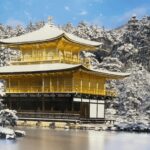
Then comes Kinkakuji Temple, the Golden Pavilion. This is a Zen temple where the top two floors are covered in gold leaf. Entrance is not included, and it’s priced at ¥500 per person.
This is one of the stops where paying extra makes sense. When a site has a specific visual identity like gold leaf, you really want to be there when you can see it clearly and take in the details. With only one hour allocated, you’ll benefit from a guide who can help you move efficiently through the experience.
Potential drawback: ticketed stops can take longer than you expect if lines form. The good news is that your private guide and transport reduce the risk of losing your whole day to delays. Still, go in knowing the hour is a squeeze—plan to prioritize photos and key views rather than trying to do everything at once.
Kiyomizu-dera: UNESCO Setting in Eastern Kyoto
After Kinkakuji, your next temple stop is Kiyomizu-dera, a Buddhist temple in eastern Kyoto that’s part of the Historic Monuments of Ancient Kyoto (UNESCO World Heritage) site. Entrance is not included and is ¥400 per person.
UNESCO sites can sometimes feel like checkboxes. What helps here is that the tour places Kiyomizu-dera after the Golden Pavilion, so you’re not just stacking temples randomly. You’re experiencing different temple styles and settings across the day.
One hour is enough to get the main sights and soak up the atmosphere, especially if your guide keeps the timeline tight. If you’re the kind of person who loves architecture and viewpoints, this is a good stop to slow down slightly—even if it means you’ll need to move faster later.
Gion and the Geisha District Feel: One Hour in the Famous Neighborhood
Next is Gion, described as the most famous geisha place in Japan. Admission is free, and you get about one hour.
Gion is more than a photo backdrop. It’s a neighborhood with a distinct old Kyoto feel, and that’s why it fits well into a route that also includes temples and bamboo landscapes. You’re shifting from formal temple spaces to a street-level cultural atmosphere.
Practical tip for this stop: since it’s free and scheduled for an hour, treat it like a walk with purpose. Take photos if you want, but also spend a few minutes noticing street layout and the feel of the area—this is the kind of time you can enjoy without needing an entrance ticket.
Hokan-ji Temple (Yasaka Pagoda): A Tall Landmark in an Old Neighborhood
Your final Kyoto temple highlight on the list is Hokan-ji Temple, known colloquially as Yasaka-no-to (Yasaka Pagoda). It’s described as a 46-meter tall pagoda with gracefully sloping roofs on each tier, located in an old Kyoto neighborhood.
Entrance is not included: ¥400 per person.
This stop is a nice “endcap” because it’s visually dominant. Pagodas often work well as a last highlight: you can understand the shape quickly, get great sight lines, and then you’re ready to wrap the day without needing to squeeze in one more heavy ticketed location.
One thing to consider: the tour gives you about an hour here. If your priority is photos of the pagoda from multiple angles, you’ll need to be ready to move quickly and make choices fast.
Guide Support You Can Feel: Translation, Photos, and Timing
The tour description emphasizes that your guide will guide you at every destination, and that they can serve as a translator and a photographer. That’s not fluff. In Kyoto, where signage can be dense and instructions can be unclear, having someone who can explain what you’re looking at—and help you communicate—saves mental energy.
The translation part matters most during transitions: when you’re moving from one temple zone to another, you don’t want to spend 20 minutes deciphering a route or asking the wrong question.
Photos matter too. If you’re traveling with a partner or friends, it’s a small thing that becomes a big thing. With a guide who can help take pictures, you avoid the awkward loop of asking strangers and hoping they understand what you want.
A word of caution based on past feedback: one past customer specifically urged hiring a licensed travel guide, and raised concerns about a driver’s communication and driving confidence. Another customer praised Allan, noting that he managed to find them despite the cruise address being vague and there being many cruise ship docks in Osaka. The takeaway for you: confirm pickup details in advance and ask about guide credentials if that matters to you.
Lunch, Kimono, and Photo Stops: Plan for the Extras
Lunch is listed as not included. Still, one piece of feedback stood out: someone praised the Kyoto lunch on this kind of tour experience. That doesn’t mean lunch is automatically included every time. What it does mean is that the guide’s food suggestions can add real value.
If you want to keep things simple:
- Decide what you want from lunch: quick and local, or sit-down and scenic.
- Ask your guide for a recommendation when you’re not rushing.
- Budget extra since lunch is not part of the base price.
Kimono is also optional. Rental on Kimono Forest ranges from ¥3980 to ¥6000. If you’re doing it, think about how it affects timing. Dressing time and photo time can make the rest of the day feel tighter, especially with ticketed temples later.
Who This Tour Fits Best
This tour makes the most sense if:
- You want a private day with hotel pickup in Osaka.
- You like having a plan, but you also want flexibility when time allows.
- You’d rather pay separate entrance fees than spend time figuring out transport and ticket logistics yourself.
- You value support with translation and getting good group photos.
It may feel less ideal if you strongly prefer DIY pacing. With fixed stops and about an hour at each location, you’re still choosing within the tour’s structure, not replacing it.
Also think about priorities. If your heart is set on one site in particular—like Kinkakuji or Kiyomizu-dera—this route covers all of them. But if your ideal Kyoto day is purely slow wandering with no schedule, you might want a more flexible format.
Book It or Skip It? My Decision Guide
I’d book this tour if you want a straightforward, guided hits-of-Kyoto day that starts and ends cleanly with Osaka hotel pickup. The included vehicle, parking, and English-speaking driver support make it feel like someone planned the moving parts so you can enjoy the stops.
I’d pause and ask questions before booking if:
- You’re picky about guide credentials and want assurance on licensing.
- You have a tight schedule for entrance timings at the paid temples.
- You know you’ll want kimono and a longer meal, since those extras can stretch the day.
If your goal is to see the classic Kyoto highlights—Fushimi Inari, Arashiyama Bamboo Forest area, Golden Pavilion, Kiyomizu-dera, Gion, and Hokan-ji—with less stress than public transit, this is a strong option.
FAQ
What time does the tour start, and how long is it?
The tour starts at 9:30 am and runs about 6 to 10 hours depending on how the day moves.
Is hotel pickup and drop-off included?
Yes. The tour includes pickup and drop-off from Osaka hotels via a private vehicle.
Which stops are free, and which have entrance fees?
Fushimi Inari-taisha, Arashiyama Bamboo Forest, and Gion are listed as free. Kinkakuji Temple, Hokan-ji Temple, and Kiyomizu-dera have entrance fees that are not included.
How much are the entrance fees for the paid temples?
Kinkakuji is ¥500 per person, Hokan-ji is ¥400 per person, and Kiyomizu-dera is ¥400 per person.
Is lunch included in the price?
No. Lunch is not included.
Can I rent a kimono on the tour?
Kimono dress on Kimono Forest is not included, and the listed price range is ¥3980 to ¥6000.
What happens if the weather is bad?
The experience notes it requires good weather. If it’s canceled due to poor weather, you’ll be offered a different date or a full refund.
If you tell me your travel dates and whether you want kimono or prefer to keep costs down, I can help you estimate your total day budget and timing.