REVIEW · OSAKA
Osaka: Kyoto and Nara Private Day Trip
Book on GetYourGuide →Operated by Travel Japan · Bookable on GetYourGuide
Nara and Kyoto in one day, minus stress. This private 10-hour van trip strings together the big-name sights of Nara and Kyoto with enough breathing room to actually enjoy them, not just sprint past them.
I like two things most. First, you get built-in time for the memorable walking moments—Nara Park deer and the Kyoto temple/shrine stops that make the day feel like more than checklists. Second, the driver experience can be a real highlight; some past groups reported standout help from drivers and guides like Musa and Nomi Nomi, including very good photo support.
One consideration: the day includes a moderate amount of walking, and entrance fees and meals aren’t included, so you’ll want comfy shoes and a little extra cash planning.
In This Review
- Key Things You’ll Really Notice on This Nara–Kyoto Day
- How a 10-Hour Private Van Mixes Nara and Kyoto
- Nara Park and Tōdai-ji: Deer, Then the Great Buddha
- Fushimi Inari Taisha: Vermillion Torii Gates With Shopping Time
- Kinkaku-ji (Golden Pavilion): Gold Leaf That Looks Better Than Pictures
- Nishiki Market, Gion, and Kiyomizu-dera: Three Kyoto Stops With Break Time
- Nishiki Market
- Gion
- Kiyomizu-dera
- Arashiyama Bamboo Forest, Kimono Forest, and the Katsura River Views
- Private Driver Details: Musa, Nomi Nomi, and What Makes It Work
- Price and Value: Is $474 Worth It?
- What to Bring (and the Comfort Stuff That Saves Your Day)
- Who This Tour Fits Best
- Should You Book This Nara and Kyoto Private Day Trip?
Key Things You’ll Really Notice on This Nara–Kyoto Day
- Private van for up to 6 people with hotel pickup and drop-off
- Nara Park + Tōdai-ji: deer time and the 15-meter-tall bronze Buddha
- Fushimi Inari Taisha: the famous vermillion torii gates plus time to shop and wander
- Kyoto core sights: Kinkaku-ji (gold leaf), Nishiki Market, Gion, and Kiyomizu-dera
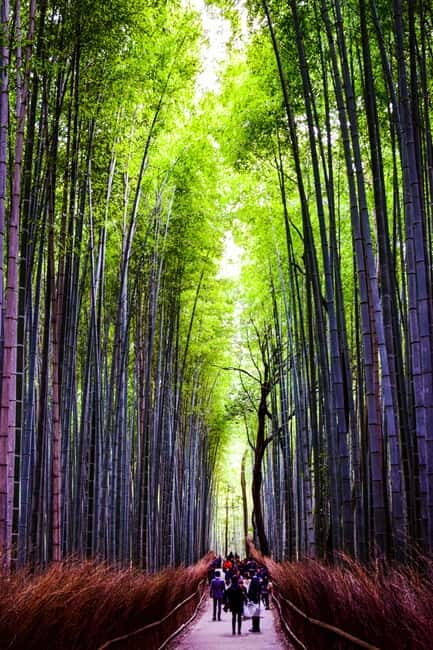
- Arashiyama time: bamboo forest photos, Kimono Forest, and Togetsu-kyō Bridge views
- Driver-level flexibility and photo help reported by many bookings (including Musa and Nomi Nomi)
How a 10-Hour Private Van Mixes Nara and Kyoto
This is a private group day trip from Osaka designed to let you hit both Nara and Kyoto without the chaos of coordinating trains, transfers, and crowded arrival times. The trip lasts about 10 hours, and it’s built around a van route with multiple stops rather than one long sightseeing sprint.
What private transportation buys you here is practical: less time figuring out connections, more time simply showing up at the right entrances and getting your bearings fast. You also get a professional English-speaking driver (plus languages like Hindi and Urdu), which matters when you want a clear sense of what to see and what to skip.
The other big “value” point is that the tour doesn’t only list monuments. It also includes real walking time and photo stops, so the day feels like experiences—deer encounters, torii-gate wandering, and temple gardens—rather than a bus window tour.
You can also read our reviews of more private tours in Osaka
Nara Park and Tōdai-ji: Deer, Then the Great Buddha
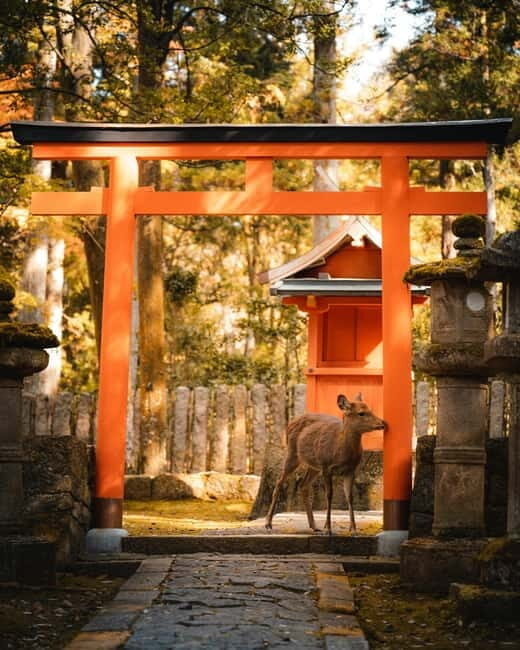
Nara Park is the kind of place that turns a normal sightseeing day into a story. You’ll have time for a leisurely walk where friendly deer roam—just remember they’re wild animals, and interactions are at your own risk. That sounds like a warning, but it also helps you plan: keep a close eye on kids, don’t reach toward deer, and treat the area like wildlife territory, not a petting zoo.
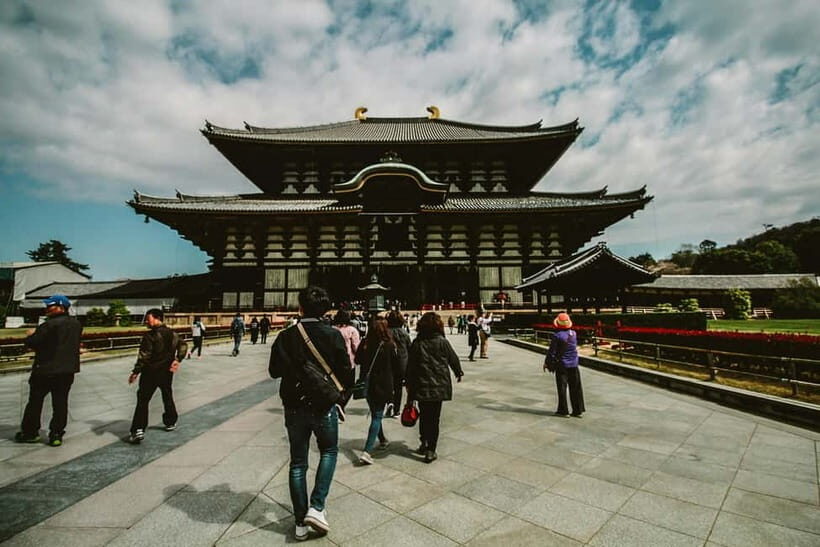
From there, the day moves to one of Japan’s most impressive temple experiences: Tōdai-ji. You’re looking at the Great Buddha, a bronze statue said to be about 15 meters tall. Even if you’ve seen photos, this kind of scale lands differently in person. It’s the sort of stop where you naturally slow down, look up, and take in the space around you.
Why it works on a day trip: Nara gives you a softer pace (park walking and deer), then Tōdai-ji delivers a hard contrast—huge, solemn, and unforgettable.
Practical tip: this part of the day has walking. Wear shoes you can handle for several hours, and bring water because meals aren’t included.
Fushimi Inari Taisha: Vermillion Torii Gates With Shopping Time
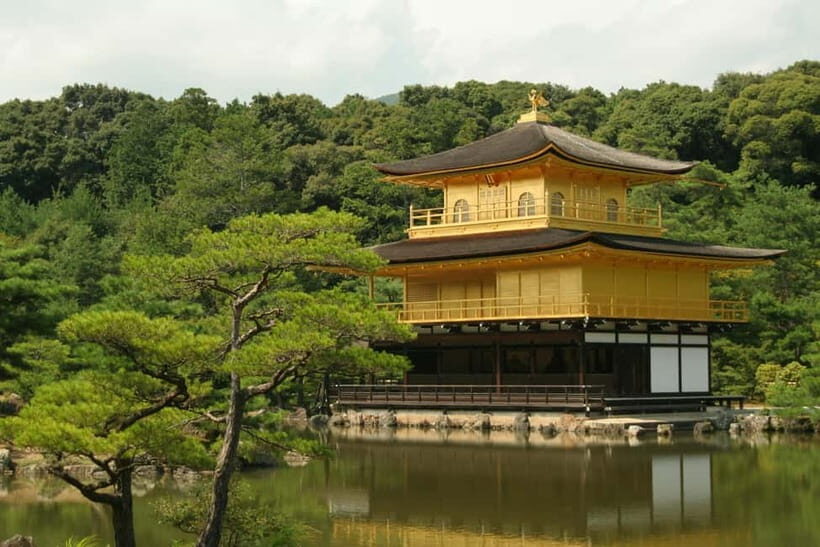
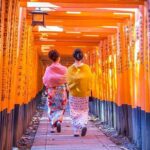
Next is one of Kyoto’s most photographed, and most fun, shrine walks: Fushimi Inari Taisha and its vermillion-red torii gates. The tour includes time to stroll through the torii paths and also a chance for sightseeing and shopping.
This stop is more than a photo line. The torii gates pull you forward like a tunnel of red, and the atmosphere shifts as you move through layers of gates. If you enjoy wandering, you’ll love this. If you hate walking on uneven paths, you’ll still be able to enjoy it, but plan on taking it at a manageable pace.
There’s a specific rhythm here: take photos early, enjoy the shrine vibe, and leave time to browse. The tour’s built-in window helps you do both without feeling rushed.
Also: keep belongings secure here. Kyoto’s famous spots can get crowded in tight areas, and the guidance for “keep your belongings safe in crowded places” is exactly the kind of advice you’ll appreciate mid-day.
Kinkaku-ji (Golden Pavilion): Gold Leaf That Looks Better Than Pictures
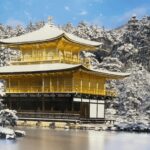
Kyoto wouldn’t be Kyoto without Kinkaku-ji, the Zen temple known for its gold leaf covering the structure. The tour includes both a photo stop and a visit with around one hour allocated.
What I like about this on a private itinerary: you get to arrive and focus. Instead of fighting to be in exactly the right spot at the wrong time, you can take your time, step back for wider views, and then return for closer angles.
The gold doesn’t just look shiny—it reads differently depending on how the light hits the surface and where you stand. If you’re a person who likes architecture details, you’ll enjoy the chance to look slowly. If you’re more of a “show me the main thing and move on” traveler, it still delivers because the temple is iconic and visually direct.
Entrance fees aren’t included, so factor that into your day budget.
Nishiki Market, Gion, and Kiyomizu-dera: Three Kyoto Stops With Break Time
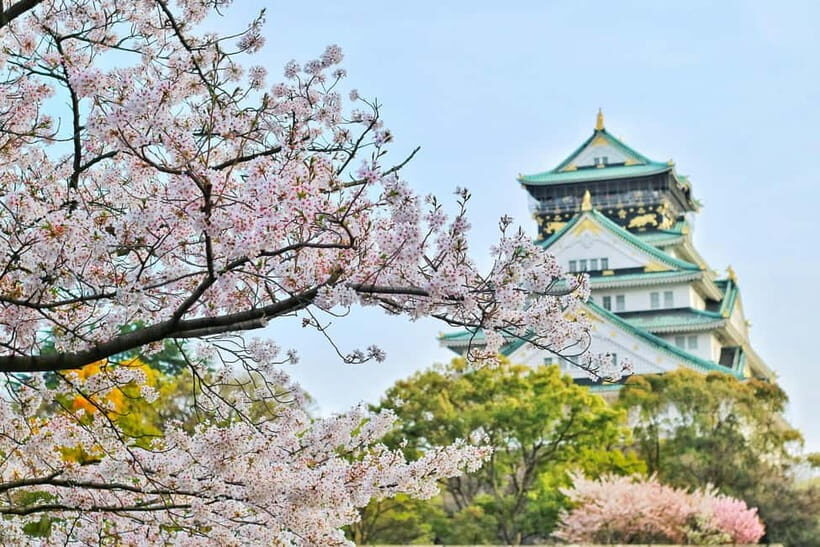
After the big temple moment, the tour shifts into classic Kyoto neighborhoods where the day becomes more human-scale. You’ll have structured breaks—each with photo stops, guided tour elements, walking, and even safety briefings (you’ll notice these at several points in the day).
You can also read our reviews of more tours and experiences in Osaka

Nishiki Market
Nishiki Market is great for a “walk and snack” style pause, with a mix of shopping and sightseeing time. The tour’s around one hour here, so it’s enough to browse, pick up small souvenirs, and reset your feet.
Because meals and beverages aren’t included, I’d use this break for something quick if you want an easy lunch or early bites. It’s also a smart chance to buy small items you’ll want later at night.
Gion
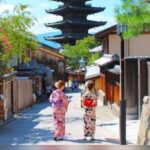
Then comes Gion, the famous streetscape area where you can soak up Kyoto’s atmosphere and get photos with that old-town feel. The tour includes about one hour, including a guided tour component and time to walk.
Gion is one of those places where the setting does a lot of work for you. You don’t need to understand every detail to enjoy the vibe—you just need to slow down enough to notice the lanes, the architecture, and the mood.
Kiyomizu-dera
Last of the trio is Kiyomizu-dera, with another one-hour block for photo stops, visit time, and guided touring. This temple is an easy one to remember because the visuals are strong and the walking areas create natural viewpoints.
Safety briefings are included, which I appreciate for practical reasons—this is the kind of stop where crowding and foot traffic can feel intense if you’re not paying attention.
Arashiyama Bamboo Forest, Kimono Forest, and the Katsura River Views
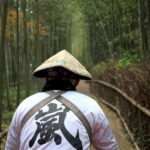
If Kinkaku-ji is the “wow, that’s iconic” stop, Arashiyama Bamboo Forest is the “how is this real” stop. You’ll get about one hour for photos and free time here, plus additional time for nearby areas.
The tour also includes Arashiyama Kimono Forest, which adds a shopping and photo element. This is a good contrast to the more solemn temple vibe earlier in the day. You can switch modes: from quiet temple focus to colorful street-style photos.
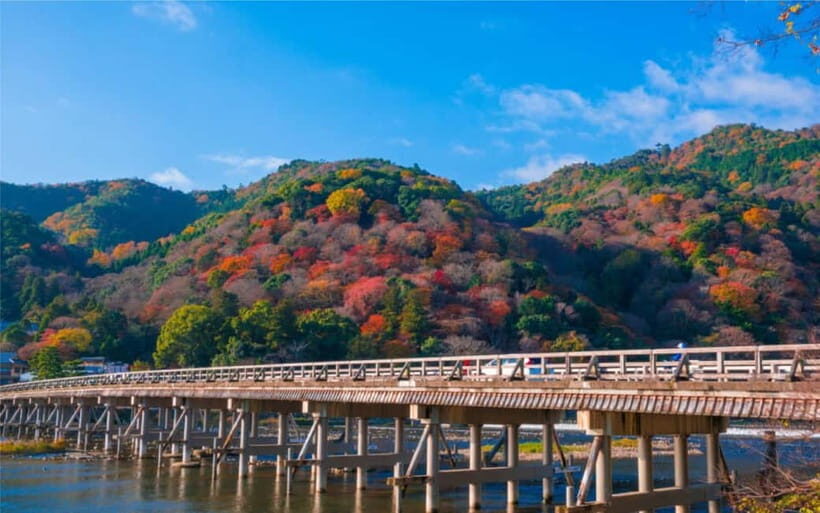
And don’t miss the scenic finish in this area: the tour includes crossing Togetsu-kyō Bridge and taking in views of the Katsura River. Even if you’re not a “bridge person,” the river perspective breaks up a long day of temples and shrines. It gives you a moment to breathe, look out, and let the photos you already took feel complete.
Practical tip: bamboo areas are walking-heavy and photo-heavy. Bring water, keep your camera ready, and expect the day to be active.
Private Driver Details: Musa, Nomi Nomi, and What Makes It Work
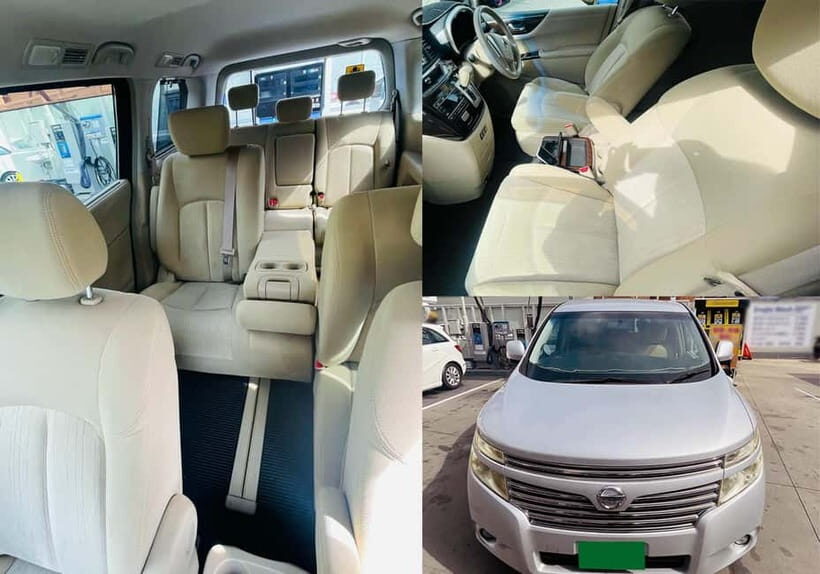
The tour is built around private transportation and a professional English-speaking driver. The driver language set includes English, Hindi, and Urdu, which is a nice touch if you’re not traveling with native-level Japanese.
Two names came up repeatedly in the best experiences: Musa and Nomi Nomi (also listed as Nomi in one booking). People praised them for being kind, safe, and flexible with the itinerary. One family-focused booking even described extra attention with kids—carrying a toddler through the day—because the tour is truly smoother when the guide handles the small logistics.
Another theme: photo help. Multiple bookings mentioned the guide taking photos that looked notably professional. If you care about getting great group shots without asking strangers, that’s a real “private tour” advantage.
One small practical snag did show up: a booking noted there weren’t dedicated USB outlets in the back, and the driver helped by stretching a cord when needed. So I’d bring a power bank if your phone eats battery.
And while most experiences were strong, there were a couple of cautionary cases: one booking described a pickup that ran late by about an hour, and one described a driver who didn’t show up and didn’t communicate. I can’t promise how often that happens, but it’s smart to take a simple precaution—confirm pickup details and have a way to contact the operator day-of so you can react quickly if anything goes sideways.
Price and Value: Is $474 Worth It?
This trip costs $474 per group for up to 6 people, and it runs about 10 hours. That’s the first value question: you’re not paying per person like some group tours. In practice, if you’re traveling with a small group (family or friends), the private van can become cost-effective compared with paying separate train fares and then hiring separate guides.
What’s also included is real: hotel pickup and drop-off plus private transportation and a professional English-speaking driver. What’s not included is just as important: entrance fees and meals and beverages. So think of the base price as your transportation + guide experience, then add your on-site temple/shrine costs and whatever you eat.
If you’re the kind of traveler who wants to be efficient but not rushed, this pricing structure usually makes sense. If you’re traveling solo or as a couple and you hate paying for unused seat space, it’s harder to call it a bargain. But even then, the convenience of one door-to-door day can still feel worth it.
What to Bring (and the Comfort Stuff That Saves Your Day)
For this kind of day, packing isn’t optional. Bring:
- Comfortable shoes (moderate walking)
- Water
- Hat and sunscreen
- Camera
- A raincoat or umbrella if weather turns
Also: keep your belongings safe in crowded areas. Kyoto markets and temple approaches are where a careless moment can turn into a hassle.
One more comfort note: this is a private van, but it’s still a full day out. Bring a portable charger, and if your group has kids, pack a few “just in case” items like snacks or wipes—even though meals aren’t included.
Who This Tour Fits Best
This is a great fit if you want:
- A single-day structure that covers major Nara and Kyoto highlights
- Private transportation from Osaka, with options to pick up/drop off in Osaka, Kyoto, or Nara
- A driver who can handle logistics and help with timing, plus English support
- A mix of iconic sights (Great Buddha, Golden Pavilion, torii gates) and fun photo stops (Arashiyama bamboo, Kimono Forest)
It’s not suitable for wheelchair users, based on the tour’s stated limitations.
Should You Book This Nara and Kyoto Private Day Trip?
I’d book it if you’re traveling as a small group and you want to stop guessing and start sightseeing. The combination of Nara Park + Tōdai-ji, plus Kyoto’s Fushimi Inari, Kinkaku-ji, and multiple neighborhood highlights makes this feel like a complete sampler day—without the stress of switching trains all day.
I’d think twice if you’re trying to travel with minimal walking, or if you don’t want to pay extra for entrance fees and meals out. Also, do a quick sanity check on pickup timing and contact details before you head out, since a small number of bookings reported late or missing driver issues.
If you’re in the sweet spot—good shoes, flexible pace, and a group of up to six—this private format is one of the most practical ways to get Nara and Kyoto into a single 10-hour day.