REVIEW · OSAKA
Hiroshima & Miyajima 1 Day Bus Tour with Bullet Train Tickets
Book on Viator →Operated by H.I.S.Co., Ltd. · Bookable on Viator
Hiroshima and Miyajima in one intense day. What makes this tour appealing is the included Shinkansen and ferry tickets, plus a guide who keeps the whole schedule moving so you do not burn hours figuring out connections. I also like that the key admission fees are handled for you, so you can focus on the places.
I love the balance here: the morning is about reflection at the Peace Memorial Park area, then you get a complete contrast on Miyajima with the shrine and free time to snack and wander. In my experience of this kind of day, that contrast matters, because it helps the story land before you go looking at shops and views.
The main drawback is pace. You get set windows at each stop, and there is a decent amount of walking, so this is not the kind of day where you can casually linger whenever you feel like it.
In This Review
- Key things I’d bet on (before you book)
- Price and value: why $270.88 isn’t as crazy as it looks
- Getting there from Osaka (and Kyoto or Fukuoka): the day’s structure
- Hiroshima stop-by-stop: what you’ll actually see (and how it feels)
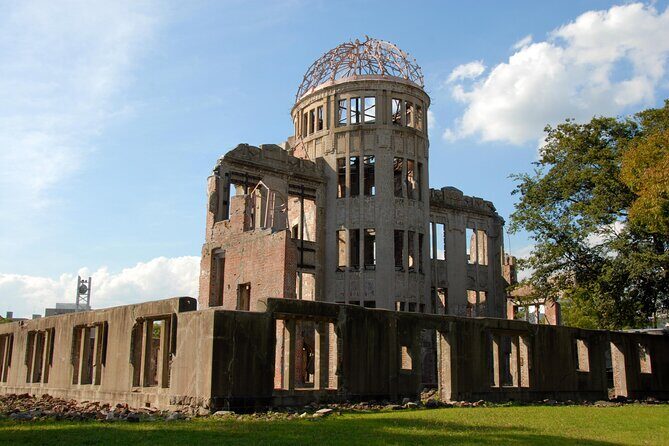
- Atomic Bomb Dome: 30 minutes that set the tone
- Peace Memorial Museum (or the planned alternative): 60 minutes
- After Hiroshima: you switch gears toward Miyajima
- Ferry to Miyajima: the Great Torii viewing from the sea
- Itsukushima Shrine: 60 minutes and the famous setting
- Omotesandō free time: shopping, snacks, and deer reality
- Lunch: Hiroshima okonomiyaki with diet options you must arrange ahead
- Guides and communication: what to expect in an English-led group
- Timing and pace: the part you should plan around
- Practical tips that make this tour easier
- Who this tour is best for (and who should skip it)
- Final verdict: should you book Hiroshima & Miyajima in a day?
- FAQ
- What is included in the tour price?
- Where do I meet the guide in Osaka?
- How long do I spend at the main sights?
- What happens if the Hiroshima Peace Memorial Museum is closed?
- Do I get to see the Great Torii from the ferry?
- What lunch options are available, and what if I have allergies?
- What if the tour is canceled due to weather?
Key things I’d bet on (before you book)
- Tickets handled for you: Shinkansen round-trip + Miyajima ferry + attraction entries
- Peace morning, island afternoon: Atomic Bomb Dome, Peace Memorial Museum, then Itsukushima Shrine and Omotesandō time
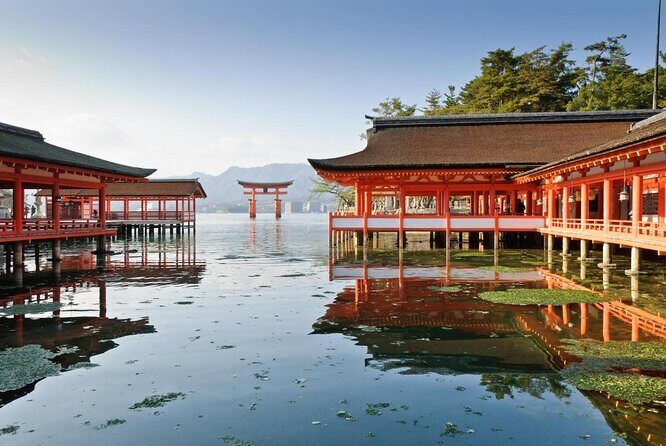
- Great Torii viewing from the water: you ride the ferry route that brings you closest from sea level
- Included Hiroshima-style okonomiyaki lunch with multiple diet choices if you arrange ahead
- English guide + earphone support so you can follow along even on the move
Price and value: why $270.88 isn’t as crazy as it looks
At $270.88 per person, this is not a cheap day trip. But the pricing is built around three expensive moving parts: Shinkansen (round-trip), ferry, and the admission fees for the main sites.
One guest note I found useful is that bullet train tickets alone can be around $150 round-trip, which lines up with why this tour costs more than a simple bus excursion. After that, you still get a guided day in Hiroshima and Miyajima, plus Hiroshima okonomiyaki lunch.
So the real value question is simple: do you want to spend your vacation energy doing train ticket logistics, ferry timing, and museum/shrine entry planning? If you want the hassle gone, this tour is built to do that.
You can also read our reviews of more tours and experiences in Osaka
Getting there from Osaka (and Kyoto or Fukuoka): the day’s structure
The day starts early and runs long—about 12 hours total. You meet your guide at the rail station, get your train tickets handed to you, and then the tour takes over from there.
For Osaka, the meeting point is Shin-Osaka Station, Central gate 3rd Floor, departure at 8:18am. You travel to Hiroshima by Shinkansen, then meet again at Hiroshima Station (Shinkansen gate 2F, North Exit) before the bus portion begins.
For Kyoto, it’s Kyoto Station, Shinkansen Central gate 2nd Floor, 8:03am, and the same Hiroshima meeting setup at gate 2F North Exit.
For Fukuoka, the meeting point is Hakata Station Chikushi gate in front of 3 mailboxes at 8:23am, then Hiroshima Station gate 2F North Exit for the Hiroshima bus day.
A small detail that matters: the provided notes say an assistant meets you at the first station for ticket handoff and boarding help, but you should expect to handle your own ride to the Hiroshima platform (the guide focus starts with the Hiroshima meeting and then on-site coordination).
Hiroshima stop-by-stop: what you’ll actually see (and how it feels)
This tour gives you the big hitters without turning your day into a scavenger hunt. In Hiroshima, the order is designed for emotional impact: first the most recognizable blast-site landmark, then museum learning, then the bridge to peace memorial spaces.
Atomic Bomb Dome: 30 minutes that set the tone
You get about 30 minutes at the Atomic Bomb Dome area. That is enough time to orient, take a few photos, and stand in the place that people reference in documentaries and textbooks.
Practical reality: 30 minutes disappears fast when your brain is doing two jobs—watching what’s in front of you and processing the meaning behind it. If you are the kind of person who likes time for silence, plan on feeling a little rushed here.
Peace Memorial Museum (or the planned alternative): 60 minutes
Next is the Hiroshima Peace Memorial Museum with admission included for 60 minutes.
If the museum is closed (notably Dec 30–31 and Feb 16–21), the tour replaces it with Hiroshima National Peace Memorial Hall for the Atomic Bomb Victims. That backup matters, because you do not want your whole morning kneecapped by a calendar issue.
One caution to keep expectations honest: several people describe the museum experience as meaningful but sometimes crowded and a bit rushed. With only 60 minutes, you will not read everything. But you will leave with the major parts of the story.
You can also read our reviews of more tours and experiences in Osaka
After Hiroshima: you switch gears toward Miyajima
Once the Hiroshima portion ends, the tour moves you toward the ferry terminal. This is where your day changes from solemn and educational to scenic and hands-on. You’ll feel it as soon as you leave the downtown rhythm behind.
Ferry to Miyajima: the Great Torii viewing from the sea
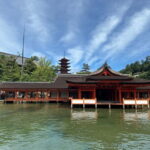
This is one of the most photogenic parts of the day, and the tour sets it up for maximum payoff. From Miyajimaguchi, you take a ferry using the Great Torii Ferry Route, which is designed to get you closest to the famous torii from the water.
Why that matters: seeing the torii framed by the shoreline is good. Seeing it from the water angle is better, especially for photos that show how it sits over the water.
Also, the ferry ride is a break in the walking. You trade city pavement for a short stretch of fresh air and time to reset your brain before shrine time.
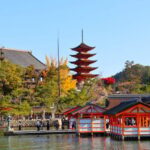
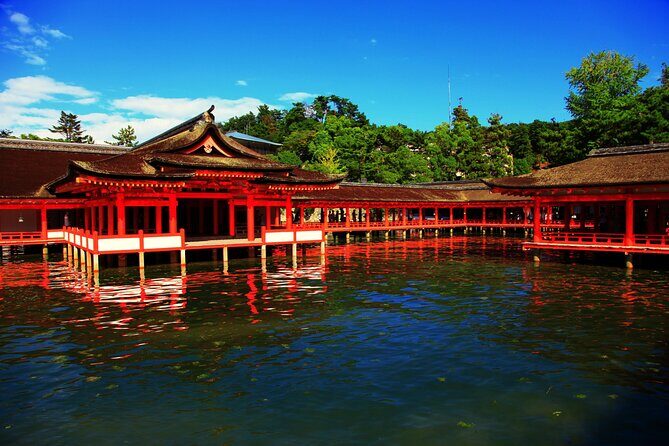
Itsukushima Shrine: 60 minutes and the famous setting
At Itsukushima Jinja, you get about 60 minutes. The tour focus here is the shrine area and getting you oriented so you can enjoy it instead of feeling like you’re walking in circles.
This is the portion of the day where the visual payoff is huge: the water, the torii, and the way the shrine grounds work with the tide. You do not need to know Japanese architecture terms to appreciate it—you just need time to look.
Photo note: try to time your pictures so you are not only shooting the iconic torii view. Walk a bit and capture the smaller scenes too. When your time is limited, variety helps your photos feel less repetitive.
Omotesandō free time: shopping, snacks, and deer reality
After the shrine, you get free time at Miyajima Omotesandō Shopping Street for 60 minutes. This is where the island turns into an easy wander: casual snacks, small shops, and the street energy you can feel even if you do not buy much.
You should also expect the island’s signature wildlife. One guest specifically flagged the deer as a thing to watch for (they are not as aggressive as the ones in Nara, but they will still try to get snacks).
The time here is intentionally short, which is good for most one-day travelers. You get enough freedom to feel like you experienced Miyajima, not just passed through it.
Lunch: Hiroshima okonomiyaki with diet options you must arrange ahead
Lunch is included, and it is not a generic box meal. You’ll have Hiroshima-style okonomiyaki with topping options such as pork, vegetarian, or no-fish powder depending on what you select.
The lunch is described as authentic Hiroshima-style: topped with pork, cabbage, bean sprouts, fish powder, noodles, and eggs (with adjustments for the option you choose).
There are three specific menu options:
- regular okonomiyaki (pork version)
- no pork with eggs
- no pork, no fish powder, no eggs
Important practical point: you must inform the provider about allergies or diet restrictions when booking. Also, the notes say menu changes cannot be made on the day of the tour, so plan ahead.
Another practical rule: you are asked not to bring outside food and drinks into the restaurant. That can matter if you are used to carrying snacks for long travel days.
Guides and communication: what to expect in an English-led group
This tour runs with an English-speaking guide only. To help with audio on the move, they provide earphone guides.
You should treat the earphones like a rental: return them after use. The equipment policy notes that in case of loss or damage, you may be asked to cover a replacement fee of up to 18,000 yen.
Based on the guide names that show up in the experience (Joe, Miyuki with an assistant Yumi, Hiro, Kane, Tom, and Takane), the common theme is clear explanations tied to the places you’re seeing. Some people also mention that guides handle schedule pressure well when the group needs help staying together.
Timing and pace: the part you should plan around
This day is about hits, not slow travel. You’ll notice it most in Hiroshima and at the museum: limited time blocks mean you will not linger for long even when you want to.
One person described the day as long but well organized, while also warning that the schedule is packed and there are not many chances to wander off-script or take extra breaks. Another person said the museum can feel crowded and rushed.
So here’s the honest way to use the time:
- In Hiroshima, decide in advance what you want from each stop: a few key photos, a few key readings/exhibits, and space for reflection.
- In Miyajima, treat Omotesandō as a snack-and-walk sprint, not a shopping marathon.
If you prefer flexible pacing, you might find this intense. If you want a day with the main highlights done without transport headaches, it fits well.
Practical tips that make this tour easier
A few small choices help a lot on a day like this:
- Bring water habits: it can get hot, and the tour includes long outdoor segments. One review noted bottled water and shade considerations from the guide, but you should still plan like you are responsible for staying hydrated.
- Wear shoes for walking: the tour notes it is not recommended if you have difficulty walking for long periods. Think uneven ground and lots of steps around shrine areas.
- Use your time for photos intentionally: the torii-from-the-ferry segment is your best chance for iconic shots without fighting crowds on land.
- Pack light but don’t stress: the tour says you can store luggage in the bus luggage compartment during the day.
Who this tour is best for (and who should skip it)
You’ll likely love this tour if:
- you want Hiroshima + Miyajima in one day without planning trains and ferry segments yourself
- you are okay with a structured, guided schedule
- you want a included meal that actually feels local (not just a bland travel lunch)
You might want to choose something else if:
- you strongly dislike tight time windows and crowds
- you need lots of extra restroom or downtime breaks beyond the structured stops
- you have limited mobility and find long walking hard (the tour itself warns it is not recommended)
Final verdict: should you book Hiroshima & Miyajima in a day?
If your goal is maximum value with minimal planning, I think this is a smart way to spend one travel day. The combination of Shinkansen + ferry + museum/shrine admissions + Hiroshima okonomiyaki lunch adds up to far more than a typical “bus tour.”
Book it if you are comfortable with a packed schedule and you want the big emotional sites plus the famous island contrast in the same day.
Skip it if you want a slow, flexible experience or if walking is a major challenge. In that case, you’ll likely feel rushed rather than satisfied.
And one more thing to consider: the tour requires good weather, and it can be canceled due to poor conditions with either an alternate date or a full refund, so keep an eye on your travel weather window.
FAQ
What is included in the tour price?
You get round-trip Shinkansen tickets from Osaka (or Kyoto or Fukuoka depending on departure), air-conditioned bus transport in Hiroshima, an English-speaking guide, lunch (Hiroshima-style okonomiyaki), entrance fees for Itsukushima Shrine and the Hiroshima Peace Memorial Museum, and the Miyajima ferry ticket.
Where do I meet the guide in Osaka?
You meet the guide at Shin-Osaka Station, Central gate 3rd Floor. The Osaka departure time listed is 8:18am.
How long do I spend at the main sights?
The time blocks listed include 30 minutes at the Atomic Bomb Dome, 60 minutes at the Hiroshima Peace Memorial Museum area, 60 minutes at Itsukushima Jinja, and 60 minutes of free time on Miyajima’s Omotesandō shopping street.
What happens if the Hiroshima Peace Memorial Museum is closed?
If the museum is closed (noted dates: Dec 30–31 and Feb 16–21), the tour takes you to Hiroshima National Peace Memorial Hall for the Atomic Bomb Victims instead.
Do I get to see the Great Torii from the ferry?
Yes. The ferry is described as using the Great Torii Ferry Route, taking you closest to the Great Torii from the sea.
What lunch options are available, and what if I have allergies?
Lunch is included and offers options such as regular okonomiyaki, no pork with eggs, and no pork with no fish powder and no eggs. You should inform the provider about allergies or dietary restrictions when booking, and the notes say menu changes cannot be made on the day of the tour.
What if the tour is canceled due to weather?
The tour notes it requires good weather. If it is canceled due to poor weather, you will be offered a different date or a full refund.