REVIEW · OSAKA
Osaka Private Day Trip – Enjoy Your First-Time Visit to Osaka!
Book on Viator →Operated by OTOMO Travel Guide · Bookable on Viator
Osaka gets easier fast when you have a plan. This private walking tour strings together classic sights with English-speaking guide context, so you’re not just collecting photos. You’ll see modern Osaka from the Umeda Sky Building, then swing into older Osaka at Osaka Castle and Shitennoji Temple, and finish in the lively Shinsekai area.
Two things I’d put at the top: the route is built for first-timers who want maximum variety in one day, and you get personalized attention (not a big group herd). The one caution: the stated price does not include transport, most entrance fees, or lunch, and some stops don’t take credit cards—so bring cash and be ready for extra costs.
In This Review
- Key highlights that matter on the ground
- First-time Osaka route: from Umeda to Shin-Imamiya
- Umeda Station and Umeda Sky Building: your quick orientation
- Osaka Castle: museum time in a famous shell
- Dotonbori for photos: Glico sign and the street-food vibe
- Shitennoji Temple: ancient Osaka plus a rare pagoda climb
- Shinsekai and Tsutenkaku: the neighborhood side of Osaka
- How the public-transport plan really helps
- Price and budgeting: what $138.05 buys you
- What guides do best here (and who you might get)
- A customizable itinerary: how to get more from the day
- Should you book this private Osaka day trip?
- FAQ
- Is this tour private?
- How long is the Osaka private day trip?
- What’s included in the price?
- Are entrance fees and lunch included?
- Where do we start and where do we end?
- Can the itinerary be customized?
- What if some places are closed?
- Do I need cash?
- Are entrance costs estimated for the standard option?
Key highlights that matter on the ground
- Private, only your group: more time to ask questions and set your pace.
- English-speaking guide + history talk: less guessing about what you’re looking at, especially around Osaka Castle and Shitennoji.
- Public transport routing: you’ll learn how to move around Osaka by train/subway rather than fighting taxis.
- Photo-perfect districts: Dotonbori and Shinsekai are where Osaka’s street signs do the talking.
- Customizable option: you can shape the day if you contact your guide in time.
- Real budget reality: entrance fees and meals are on you, so plan ahead.
First-time Osaka route: from Umeda to Shin-Imamiya
This day trip is built like a practical circuit. You start near Osaka Station in Umeda (the city’s transit powerhouse), then move through major sights in a way that keeps backtracking low. The finishing point is Shin-Imamiya Station, which is useful if you want to continue exploring after the guide drops you off.
That end-point difference matters: you’re not returning to the exact same station you started at. I like this setup because it feels like you’re making progress through the city instead of doing a loop that strands you in the same spot. Just make sure you tell the guide if you’d like a different finish.
Also: it’s a walking tour. The tour description is clear that you should wear comfortable clothes and expect to be on your feet for hours.
You can also read our reviews of more private tours in Osaka

Umeda Station and Umeda Sky Building: your quick orientation
You begin at Umeda Station, a major Osaka Metro terminal. It’s a good first stop because it’s where the city’s train logic starts to make sense. On busy days, it can be crowded, and you might see queues at peak moments. Even then, that’s part of the value: your guide helps you get oriented without wasting time wandering the station maze.
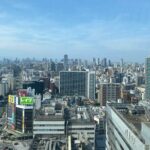
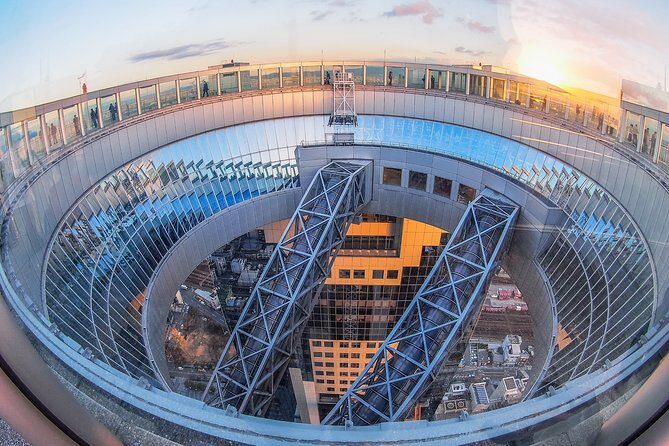
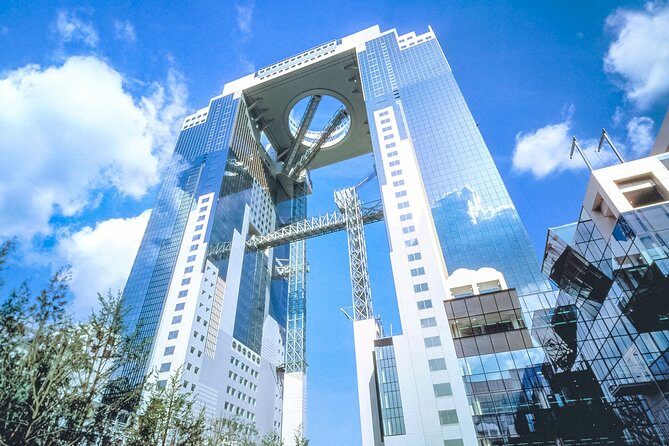
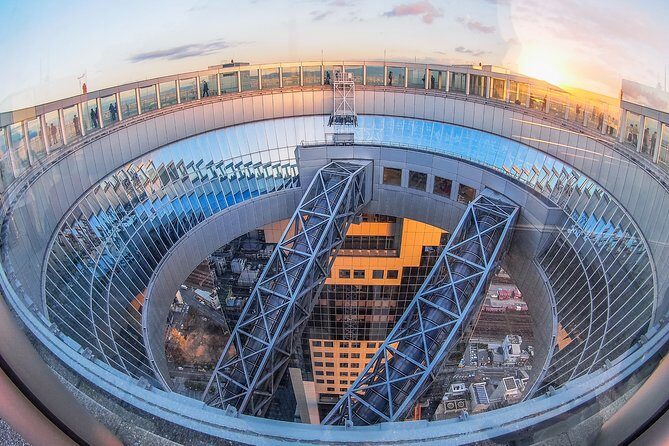
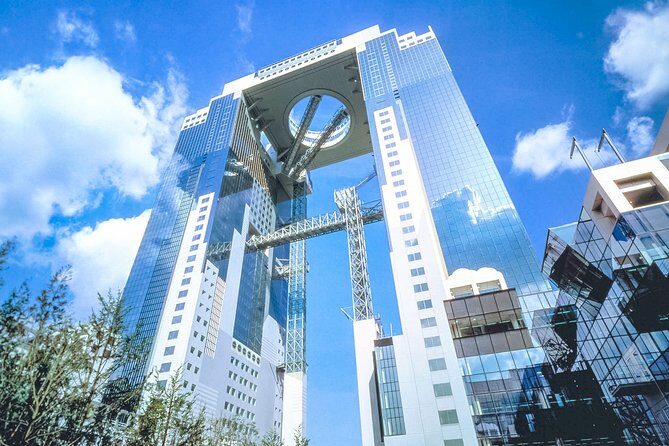
Next comes the Umeda Sky Building, specifically the Kuchu Teien Observatory. This is one of Osaka’s best-known skyline viewpoints, at about 173 meters. I like having a sky stop early-ish because it gives you a mental map before you plunge into street level neighborhoods.
A key budgeting note: the observatory admission isn’t included. That means you should treat the skyline as a paid add-on you’re choosing (worth it for the view), not a free bonus.
Osaka Castle: museum time in a famous shell
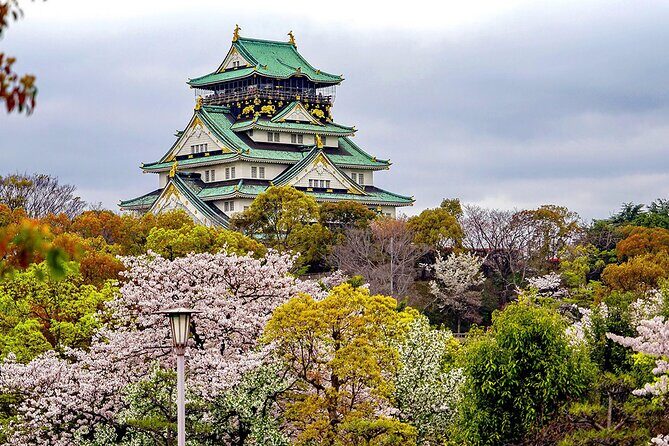
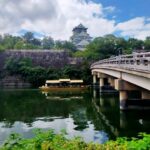
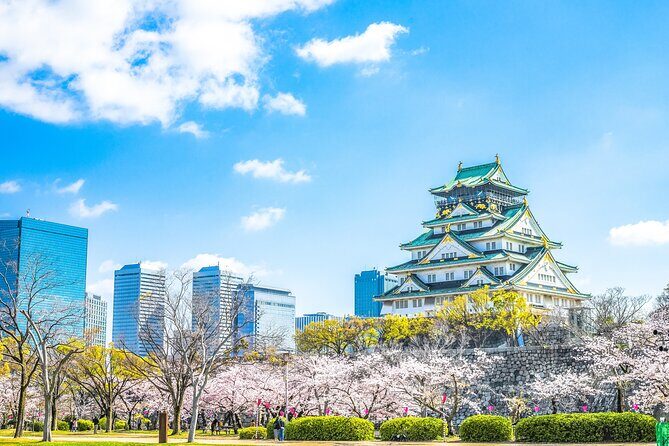
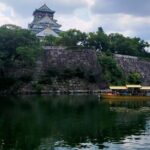
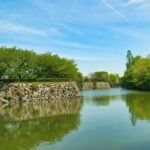
Osaka Castle is a “must” for most first visits, and this stop gives you a solid block of time. You’ll visit the castle, which is now used as a museum where you can learn about armor and kimonos from the castle’s era. Even if you’re not a museum person, the castle complex helps you connect the city’s power-story to what you see today.
The time here is long enough to do more than a quick lap. That’s important, because the castle grounds and interior spaces take energy—especially when you’re later also doing temples and lively districts.
Entrance is not included, so again: budget for the castle fee. If you’re the kind of traveler who hates surprises, set aside cash and keep your expectations clear: you’ll pay extra at the major attractions.
Dotonbori for photos: Glico sign and the street-food vibe
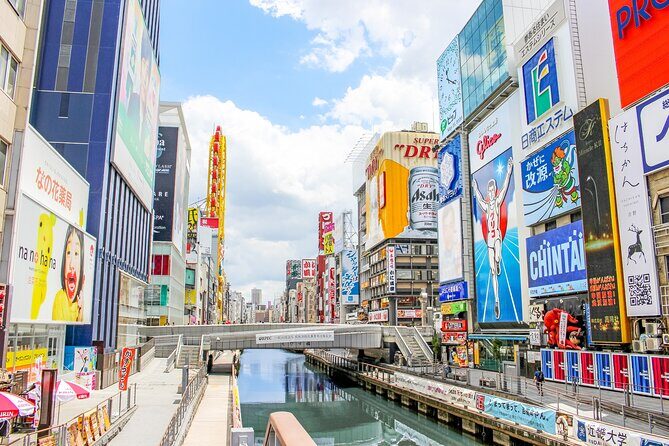
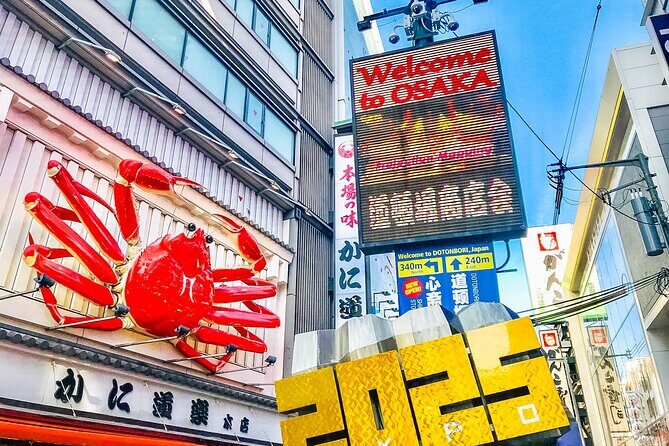
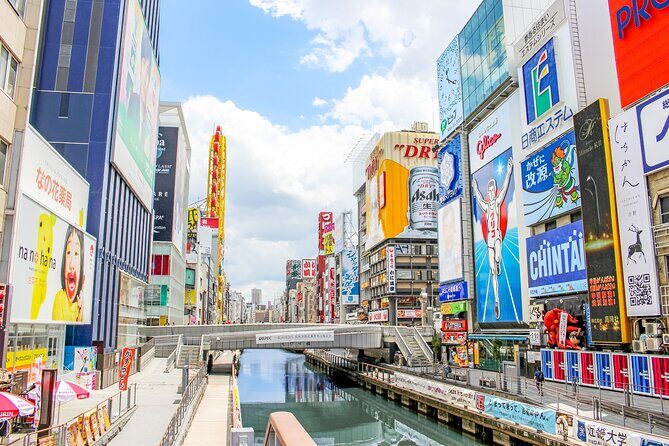
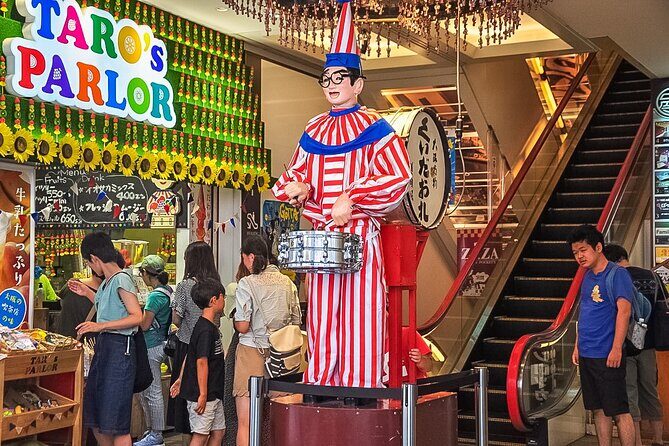
After castle history, you shift into street-level Osaka at Dotonbori. This district is one of the most recognizable areas in the city, and it’s designed for walking and photographing. There’s a big reason people come here: the famous Glico sign. It’s the kind of landmark you can spot even if you’re not sure where you are—always comforting when your internal GPS is having an off day.
This stop is short, so the guide usefully focuses you on the best photo zone and the key sights around the canal-area street. I like short, focused stops like this because they keep the day from turning into a never-ending marathon of “see everything.”
One consideration: because Dotonbori is a central tourist area, you’ll likely be surrounded by crowds and signs. That’s not a problem if you go with the right mindset: you’re here for the spectacle and the vibe, not quiet contemplation. And yes, there’s nothing included here besides the walk and the guided pointers.
Shitennoji Temple: ancient Osaka plus a rare pagoda climb
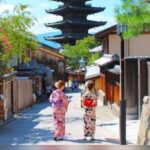
Shitennoji is the oldest architectural style in Japan, with a history of about 1,400 years. That’s the headline. The better part is what you can actually do with it: you can climb the five-story pagoda, which is described as a rare experience.
I appreciate this stop because it gives you contrast. Modern Osaka is all sky-scrapers and station flows. Shitennoji is where you slow down and let the time depth do the talking.
Like the other major attractions, entrance fees are not included. The good news: you’re not guessing how to visit. The guide helps you navigate the site and frames what you’re seeing, which matters when a place is old enough to feel overwhelming.
You can also read our reviews of more tours and experiences in Osaka
Shinsekai and Tsutenkaku: the neighborhood side of Osaka
You finish with Shinsekai, another downtown area packed with restaurants and theaters. The center of it all is Tsutenkaku Tower, a longtime symbol of Osaka. This part of the day works well as a closer because it’s photogenic and easy to turn into a meal stop afterward.
The time you spend here is brief, but it’s long enough to get the tower views and wander the street scenes without rushing like a commuter. I also like that this area feels more “everyday Osaka” than some of the strictly landmark-focused stops.
Entrance isn’t the issue here in the same way it is at the castle or observatory; the value is in the street atmosphere and guided pointers. You can then use the ending point at Shin-Imamiya Station to keep going on your own.
How the public-transport plan really helps
This tour’s core method is public transit. That’s not just a logistical detail—it’s the real value for first-time visitors. You’re getting a guided day that teaches you routes and decision-making, so you don’t have to rely on taxis or guess which line goes where.
You’ll also move efficiently between very different areas: Umeda’s transport hub, castle grounds, then Dotonbori’s street theatre, then an ancient temple complex, and finally the Shinsekai neighborhood. Without a guide, that sequence can turn into a day of checking maps every few minutes.
Pacing is another practical benefit. In guide feedback, people specifically praised how guides adjusted timing and pace for their needs. One guide named Lily added two extra stops that were important to the group and matched the day’s speed to special circumstances. That’s the kind of flexibility that makes a private format worth it.
On the flip side, the one negative note in the feedback was about a guide who felt more like transportation than a true guide. This is worth your attention. If you want real value, go in with questions. Ask for the history behind the castle, the reason Shitennoji matters, or what to notice visually in Dotonbori.
Price and budgeting: what $138.05 buys you
The price is listed as $138.05 per person, with the tour lasting about 7 hours. It’s private, and the included items are your tour guide and the private tour format. Mobile ticket and group discounts are mentioned as features too, which can help depending on how the operator prices groups.
But the big money lesson is what’s not included:
- Transportation fees (you’re using public transit, but the rider cost is still yours)
- Entrance fees at paid sites (like the Umeda Sky Building and Osaka Castle; Shitennoji also has entrance)
- Lunch and personal expenses
There’s also an estimate mentioned for the standard tour: estimated costs of the tour are 4,110 JPY per traveler. For a customizable option, entrance fees and other necessary expenses for the guide apply. Translation: your final total depends on what you choose and what you pay at each paid stop.
If you want a simple approach, I suggest you budget in two buckets:
1) the tour price (guide + route + time)
2) cash for paid attractions and transit over the day
Also watch the cash angle. The tour info explicitly warns that some locations don’t accept credit cards. Bring enough cash for entrance fees and any quick snack purchases. You’ll thank yourself when you’re trying to buy a ticket with a card that doesn’t work.
What guides do best here (and who you might get)
The guide names that show up in the feedback give you a sense of what good looks like:
- Ma-chan was praised as sweet and for pairing landmark stops with history lessons, while keeping the group enjoying the day.
- Josh was praised for being knowledgeable and accommodating, and for asking whether there was anything specific guests wanted to see.
- Michael and his associate were praised for doing a lot of ground coverage and helping with practical tasks like buying JR train tickets.
- Lily was praised for flexibility, adding meaningful stops, and adjusting the tour pace.
That matters because your experience is tied to the guide’s style. If you care about explanation—why these places matter, not just where to stand for a photo—private format plus an active guide is the sweet spot.
A customizable itinerary: how to get more from the day
If you choose the customizable tour option, you can contact your guide about 2 weeks in advance to build a personalized itinerary. That’s a strong advantage when you have specific interests, like more temple time, extra photo stops, or a different order of neighborhoods.
One caution: the info says that if you don’t respond, the tour will run using the standard itinerary. So if you pick the customizable path, don’t ghost the operator. Send your preferences on time.
If you want maximum value, I’d think of customization as choosing your priorities, not just adding more stops. Your day already covers major highlights; your goal should be to steer the guide’s focus—what you spend extra time on, and what you want more background for.
Should you book this private Osaka day trip?
I’d recommend booking this if:
- You’re in Osaka for the first time and want a smart highlights route in one day.
- You want your landmarks tied to context and history, not just a photo sprint.
- You prefer public transport with a guide who can keep things moving.
- You value private pacing and the ability to ask questions.
I would pause before booking if:
- You’re expecting entrance fees and meals to be included in the tour price.
- You dislike walking and prefer a mostly seated format.
- You’re the type who wants lots of museum time or a slower “soak it in” pace. This itinerary hits several major areas in limited time at each.
My practical advice: before the day starts, decide what matters most—castle history, old-temple architecture, skyline views, or Osaka street scenes. Then ask your guide to steer accordingly. That turns a good day into a great one.
FAQ
Is this tour private?
Yes. It’s a private tour/activity, and only your group participates.
How long is the Osaka private day trip?
It runs for about 7 hours.
What’s included in the price?
The included items are the tour guide and the private tour format. A mobile ticket and group discounts are mentioned as features.
Are entrance fees and lunch included?
No. Transportation fees, entrance fees, lunch, and other personal expenses are not included.
Where do we start and where do we end?
It starts at Osaka Station (Osaka Station 3-chōme-1-1 Umeda, Kita Ward). It ends at Shin-Imamiya Station.
Can the itinerary be customized?
Yes, if you select the customizable tour option. You need to contact your guide about 2 weeks in advance to create a personalized itinerary.
What if some places are closed?
The tour spots might be changed to alternative spots if there is temporary closure.
Do I need cash?
Bring cash. Some of the spots visited do not accept credit cards.
Are entrance costs estimated for the standard option?
The standard tour lists an estimated cost of 4,110 JPY per traveler. For the customizable option, entrance fees and other necessary expenses for the guide apply.