Osaka has a side most people miss fast. In Nishinari, I love the small group size (max 5) and the way you get local dining with drinks tied to real neighborhood stories, not just restaurant hopping. You also get a guided stroll that mixes food with an old pilgrim path theme and retro backstreet details that feel like everyday Osaka.
The main thing to think about is that this isn’t a polished sightseeing circuit. You’ll be walking through Kamagasaki, an area connected to Edo-era samurai routes and modern urban change, including stories of social unrest—so it feels more lived-in than postcard-perfect.
In This Review
- Key things I’d plan around
- Why Nishinari beats the usual Osaka food loop
- Small group size (max 5) and what it changes for you
- The food stops: more than eating, it’s timing and trust
- Kamagasaki at Dobutsuen-mae: the first segment that sets the tone
- Following the old samurai pilgrim route between meals
- What the “Deep Osaka” theme feels like on the ground
- Street art and neighborhood stories you can actually use
- Where you start and finish: Lawson to Tengachaya Station
- Price and value: what $84.92 buys you in real terms
- The provider: Jam Leopard Tours and what that implies
- Who this tour is for (and who might want another plan)
- Should you book Hidden Osaka Foodie Tour: Nishinari Backstreets & Local Dining?
- FAQ
- How long is the Hidden Osaka Foodie Tour?
- How much does the tour cost?
- How many people are in the group?
- Where does the tour start and end?
- What does the tour include for food?
- Can I get a full refund if I cancel?
Key things I’d plan around
- Max 5 people keeps the pace calm and questions easy.
- Food stops include a drink, so you’re not doing the logistics mid-walk.
- Kamagasaki backstreets (Deep Osaka) give you context you won’t get from main-street guidebooks.
- An old samurai pilgrim route shapes the walking flow between meals.
- Finish at Tengachaya Station, handy for a smooth ride back on Osaka Metro or Nankai Line.
- Free admission ticket is included for the first major segment.
Why Nishinari beats the usual Osaka food loop

If you only base your food plan around central Osaka, you’ll miss a big part of the city. Nishinari is where the vibe is older, more local, and more honest. This tour uses that location on purpose: the walking route and meal stops are tied to the neighborhood’s story, not just its menu.
What makes it work is the balance. You’re not stuck eating in one place and walking in circles. The guide connects bites to what you’re seeing—Edo-period themes, modern urbanization, and the everyday grit of a real community. That’s the kind of context that helps you understand what you’re tasting.
You can also read our reviews of more tours and experiences in Osaka

Small group size (max 5) and what it changes for you
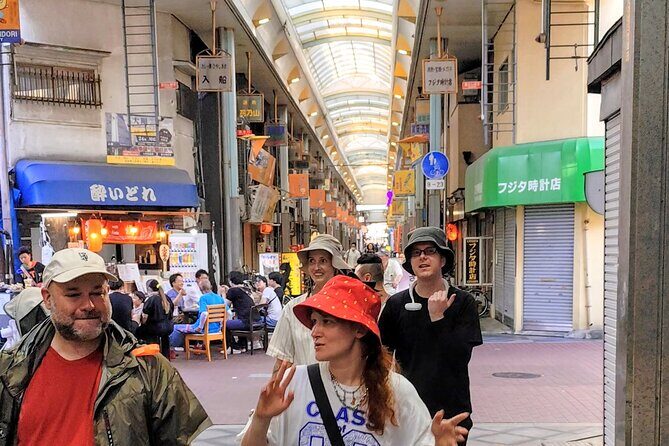
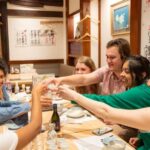
This is a small-group walking tour with a hard cap of 5 travelers. That matters because Nishinari backstreets move differently than train-station zones. Narrow lanes, small storefronts, and crowds (even at quieter hours) can be tough in a bigger group.
With fewer people, you get more breathing room between stops. You can ask straightforward questions without feeling like you’re slowing everyone down. And the guide can tailor attention—especially helpful when the tour blends walking, street-art viewing, and multiple food stops.
The food stops: more than eating, it’s timing and trust

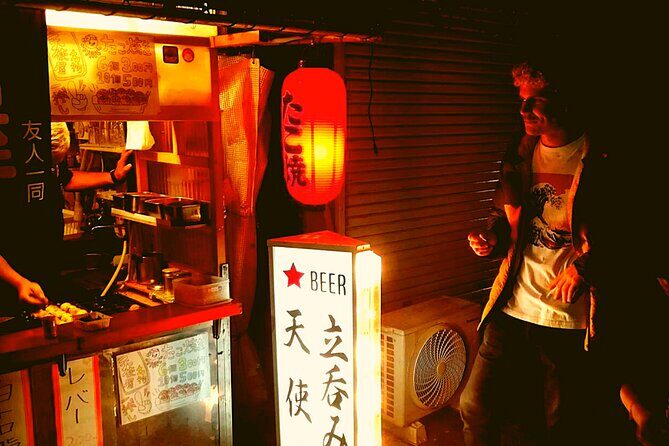
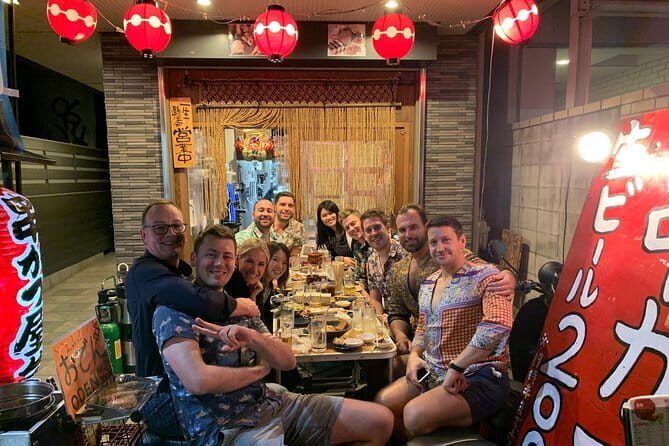
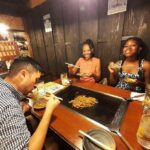
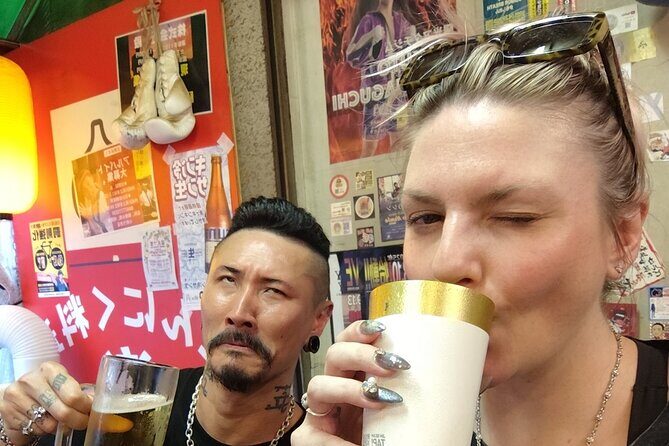
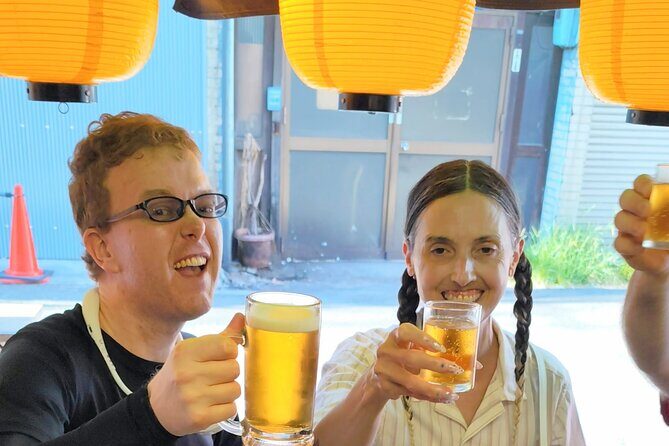
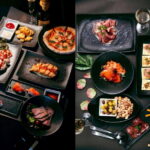
The tour’s format is simple and effective: you visit hand-picked neighborhood restaurants, and each food stop is served with a drink. I like this approach because it reduces friction. You’re not hunting down menus, comparing translations, or figuring out what’s open when you finally arrive.
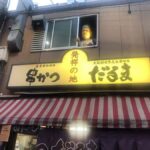
Another value point is the focus on family-run businesses during quieter hours. That’s practical for you and for them. For you, it usually means a calmer dining rhythm and a better chance to talk with staff. For the owners, it supports businesses when demand may be lower.
You should go in expecting local dishes that reflect the area, not a standardized “tourist menu.” That’s part of the charm—and part of why the tour feels like Osaka, not like a theme park version of Osaka.
Kamagasaki at Dobutsuen-mae: the first segment that sets the tone
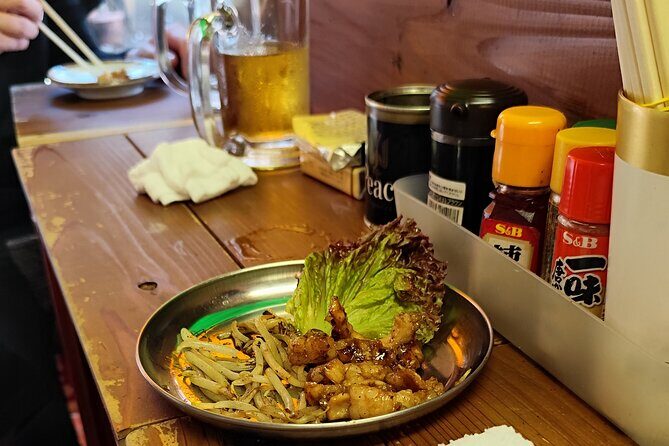
The tour starts by moving into the back streets around the Kamagasaki area, often called Deep Osaka. The first major segment is the part connected to Dobutsuen-mae Deep Osaka Street, and it runs about 2 hours.
This section isn’t only walking for walking’s sake. The guide frames what you see as a historical thread: from Edo Period samurais to modern urbanization, including references to social unrest. That’s a lot to cover while staying on your feet, so the pacing matters—and the small group size helps here.
One practical detail: there’s an admission ticket free note attached to this part. So at least for the first segment, you’re not adding extra paid steps on top of the tour price.
Following the old samurai pilgrim route between meals
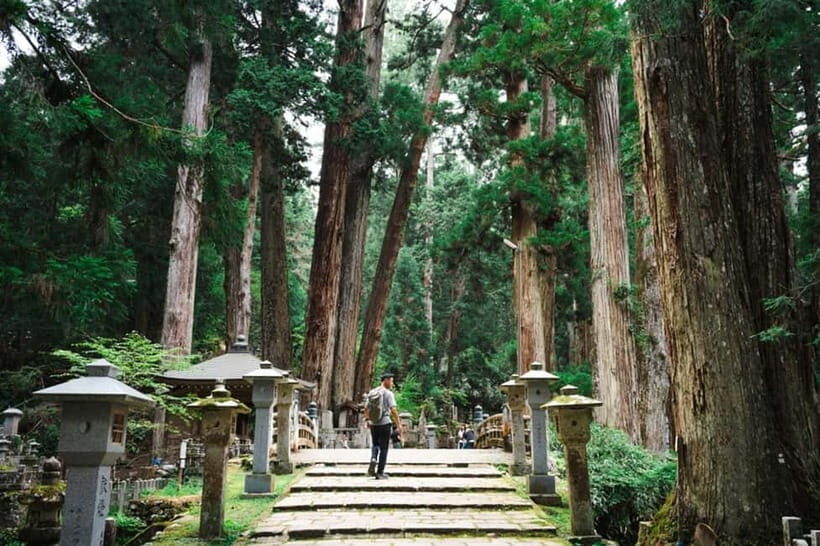
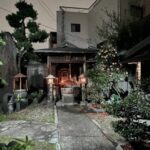
Between restaurant stops, the tour follows part of an old samurai pilgrim route. This turns the walking time into something meaningful rather than downtime. Instead of asking yourself, Are we almost there yet? you get a thematic path: the city’s movement echoes older routes.
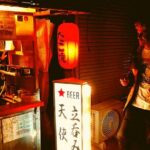
You’ll also wander through retro backstreets with colorful street art and history. The point isn’t to treat graffiti like a photo backdrop. It’s more about using art to read the neighborhood—what people make visible, what they preserve, and how the street becomes a public wall for stories.
The tour is also explicitly built around stories of resilience and creativity in everyday Osaka life. That shows up less as a lecture and more as context you can carry while you walk. It’s the kind of thing that makes later self-guided wandering easier, because you start noticing the logic behind the neighborhood layout.
You can also read our reviews of more tours and experiences in Osaka

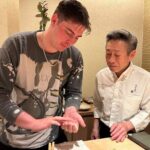
What the “Deep Osaka” theme feels like on the ground
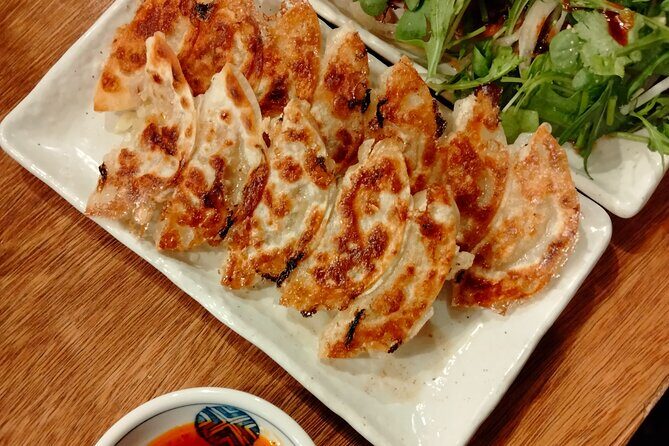
Kamagasaki isn’t presented as a place to fear. It’s presented as a place that has changed through time—and kept people going. The tour’s framing connects history and present-day survival in a way that can be sobering, but also empowering.
Here’s my advice for you: keep an open mindset about atmosphere. This is a residential neighborhood with real social texture. If you want clean, planned scenery only, you might feel a mismatch. But if you want Osaka as lived experience—then this is precisely the point.
Also, because this is a walking tour, your comfort matters. Wear shoes you trust for uneven sidewalks and lots of steps. The total duration is about 3 to 4 hours, and it’s not built around constant breaks.
Street art and neighborhood stories you can actually use

One of the most praised aspects is how the guide blends street art with area history. That’s important because street art can look like decoration if you don’t know what to look for. With a good guide, you start seeing it as part of the neighborhood’s voice.
The tour also focuses on resilience and creativity, plus everyday Osaka life. That combination is what I’d expect to stick after the tour ends. You’re not just learning facts; you’re learning how to interpret a place.
If you want to get the most out of it, listen for the specific connections your guide makes between what you’re seeing and what the stories represent. That’s where the tour moves from food entertainment into something you can apply later.
Where you start and finish: Lawson to Tengachaya Station
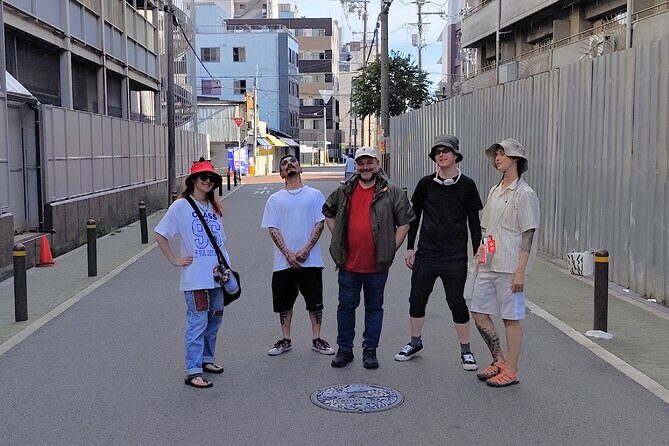
Meet-up is at LAWSON Haginochaya 1 Chome Store (1-chōme-6-20 Haginochaya, Nishinari Ward, Osaka). It’s a useful meeting point because it’s an easy-to-recognize convenience store brand.
The tour wraps up at Tengachaya Station (1 Chome-1 Kishinosato, Nishinari Ward, Osaka). This is a smart finish because it gives you straightforward onward options. Tengachaya Station has access to Osaka Metro lines and the Nankai line, and there’s also a taxi stand in front.
Practical tip: since you end at a transit hub, you can plan dinner elsewhere without worrying about a complicated pickup. It’s one less headache in a neighborhood that’s easier once you have local context.
Price and value: what $84.92 buys you in real terms
The price is $84.92 per person for a tour lasting 3 to 4 hours. That can sound steep if you think only in terms of food cost. But the value is in the package: guided navigation of a less tourist-focused area, multiple restaurant stops with drinks, and story-driven walking that ties history and street life together.
Two more value signals matter here:
- The tour is small-group (max 5), which usually increases guide attention per person.
- Part of the route includes an admission ticket free segment, which reduces add-on costs.
Add it up and you’re paying for less self-planning and more guided context. If you enjoy exploring food with a plan and don’t want to spend your precious vacation time figuring out where to go and what to order, this is the kind of experience that can feel worth it.
One extra booking note: it’s commonly booked about 12 days in advance on average, so if this is high on your list, don’t wait until the last minute.
The provider: Jam Leopard Tours and what that implies
This experience is run by Jam Leopard Tours. The details you can rely on are the operating format: confirmation happens at booking, you’ll have a mobile ticket, and the tour is designed for near public transportation and easy station access at the end.
I treat that as a quality-of-life factor. In Osaka, being able to get on and off trains quickly can turn a good tour into a smooth day. Ending at Tengachaya Station helps a lot.
Who this tour is for (and who might want another plan)
This is a good fit if you want:
- Authentic local dining in Nishinari
- A guided walk that connects food with street-level context
- A smaller group experience where you can ask questions easily
- History-and-everyday-life storytelling, tied to what you’re actually seeing
It may not be ideal if you:
- Prefer mostly mainstream, iconic sights only
- Want a very casual stroll with minimal topic framing
- Need a low-walking pace throughout the entire 3 to 4 hours
If you’re the type who likes to learn the logic of a neighborhood, this tour will feel satisfying. You’ll come away with more than a list of dishes—you’ll have a way of looking at the area.
Should you book Hidden Osaka Foodie Tour: Nishinari Backstreets & Local Dining?
Book it if Nishinari appeals to you and you want food that’s connected to the neighborhood’s real story. The small group size, restaurant stops with drinks, and the walk shaped around an old pilgrim route are the core strengths. The fact that the first segment is admission ticket free also makes the overall package feel more straightforward.
Think twice if you’re only interested in major sights and don’t want a neighborhood experience that includes stories of social unrest and urban change. This tour doesn’t hide the setting, and that honesty is part of why it gets strong scores.
My call: if you like street-level Osaka and you’re comfortable with a guided walking format, this is a smart use of a few hours in the city.
FAQ
How long is the Hidden Osaka Foodie Tour?
It runs about 3 to 4 hours.
How much does the tour cost?
The price is $84.92 per person.
How many people are in the group?
The tour has a maximum of 5 travelers.
Where does the tour start and end?
It starts at LAWSON Haginochaya 1 Chome Store and ends at Tengachaya Station.
What does the tour include for food?
You visit neighborhood restaurants for authentic local dishes, and each stop is served with a drink.
Can I get a full refund if I cancel?
Yes. You can cancel up to 24 hours in advance for a full refund. If you cancel less than 24 hours before the start time, the amount paid is not refunded.