REVIEW · OSAKA
SUSHI Making Experience at Restaurant
Book on Viator →Operated by 善-zen- · Bookable on Viator
Sushi lessons, but with real chef time. In Osaka, Chef Shinichi Kono runs a hands-on class in a calm Japanese restaurant setting, with high-quality tools and ingredients ready for you. I especially like the private one-on-one approach, which keeps beginners from feeling rushed and helps you actually understand the steps, not just watch.
Second, I like that the instruction is practical and personal. The chef teaches you the process carefully, and in past sessions he’s created personalized menus for small groups, which makes the experience feel tailored instead of scripted. The one possible drawback: this class has a minimum age of 11+, so it’s not an option for younger kids.
If you’re short on time, two hours sounds tight—but the pace is designed to get you moving. You’ll make sushi, eat it afterward, and also pick up a couple of classic techniques like hand-rolled sushi along the way.
In This Review
- Key Highlights You’ll Care About
- Osaka’s Sushi Class That Feels Like a Real Kitchen Lesson
- Where You Meet and How to Get There Without Stress
- The Restaurant Atmosphere: Calm, Focused, and Built for Learning
- What You Learn: Rice, Cuts, and the Logic Behind Sushi
- Nigiri and Hand-Rolled Sushi: The Hands-On Part That Sticks
- The Food Payoff: You Eat Your Own Sushi (Plus More)
- Price and Value: Is $195.46 Worth It?
- Timing and Comfort: What to Do Before You Arrive
- Who This Osaka Sushi Class Suits Best (And Who Might Skip It)
- Should You Book This Sushi Making Experience?
- FAQ
- Is this sushi-making experience private?
- How long is the experience?
- What time does the class start in Osaka?
- Is there an age requirement?
- Can I tell the chef about allergies or dislikes?
- Will I eat the sushi after making it?
Key Highlights You’ll Care About
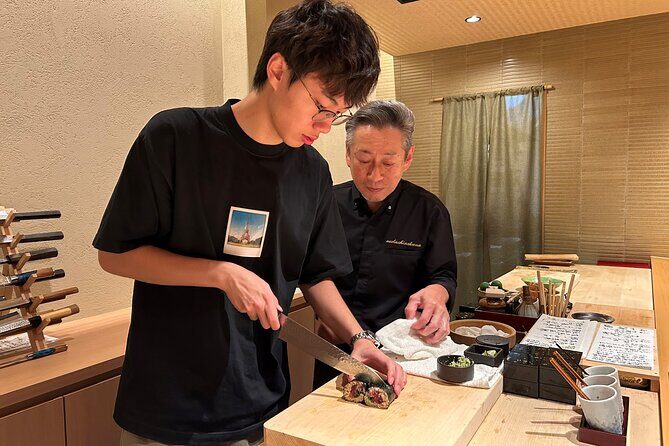
- 30+ years with Chef Shinichi Kono: instruction from a working sushi chef with real restaurant habits
- Private group, one-on-one pacing: you get individual attention instead of following a crowd
- Nigiri plus hand-rolled sushi: you learn more than one style
- Real restaurant tools and quality ingredients: knives, rice, and fish handled like a professional kitchen
- You eat what you make: the class ends with a satisfying payoff at the table
- 2 hours starting at 12:00 near public transport: easy to slot into a day in Osaka
Osaka’s Sushi Class That Feels Like a Real Kitchen Lesson
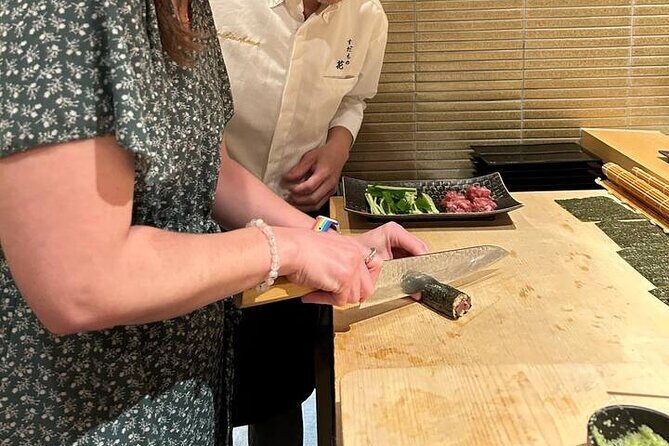
This is the kind of sushi experience that makes sense in Osaka. Not because it’s loud or trendy, but because it’s structured like what sushi chefs actually do. Chef Shinichi Kono, with over 30 years in the trade, guides you step by step through making sushi, and the setting stays calm and focused—more workshop than show.
Two things shape the whole vibe. First is the direct teaching style. You’re not treated like you’re in a group activity where your questions get lost. Second is the quality of the setup. The class takes place in a real sushi restaurant, and it uses the tools and ingredients you’d expect from a serious place, including knives and sushi-ready fish.
One note if you’re trying to plan a full day: the class ends where it starts, and it runs about 2 hours. That’s great for staying flexible, but it also means you should keep your expectations realistic. You won’t become a sushi master in one afternoon—but you will leave knowing the main moves, and you’ll have made several pieces yourself.
You can also read our reviews of more tours and experiences in Osaka


Where You Meet and How to Get There Without Stress
You meet at Japan, 〒540-0005 Osaka, Chuo Ward, Uemachi, 1-chōme−23−1 エミネンスMATOBA (the exact building name shown is エミネンスMATOBA). The start time is 12:00 pm, and the activity returns to the meeting point.
The good news: it’s near public transportation, so you’re not stuck with a long walk. Still, the neighborhood can feel like the “local Osaka” kind of area—quiet streets, easy-to-miss entrances. If you’re arriving from a main rail station, it can be worth taking a taxi or ride-share to reduce the walking, especially if your morning has been packed.
You’ll also get a mobile ticket, and you’ll receive confirmation at booking time. Since this is a private tour/activity, only your group participates, which usually means less waiting around and fewer awkward pauses.
The Restaurant Atmosphere: Calm, Focused, and Built for Learning
The class happens in a Japanese space that feels designed for doing, not just watching. That matters, because sushi technique is physical. Getting your hands comfortable with how rice should feel, how to place fish, and how to shape hand-rolled sushi is a big part of the learning.
Expect a kitchen-style flow. The chef and team set things up so you can start working quickly, rather than spending the whole time waiting for ingredients. In past sessions, the rice prep and fish cutting have been handled in advance, so you can jump right into assembly and shaping.
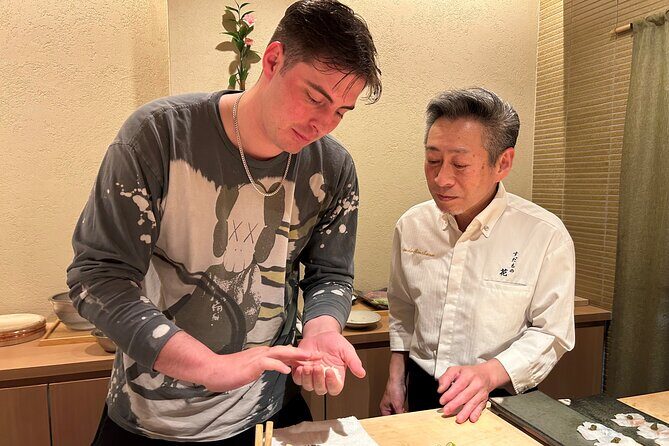
Also, because this is private, the chef can slow down if you need help on something basic like rice temperature or how to use pressure when forming nigiri. That’s a real advantage for beginners.
What You Learn: Rice, Cuts, and the Logic Behind Sushi
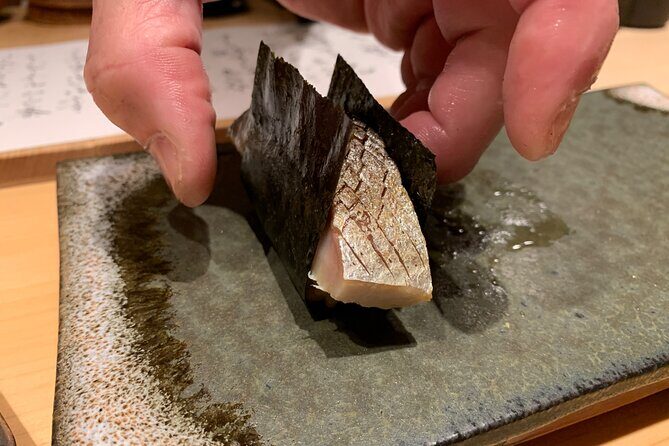
This is where the experience earns its price tag. Sushi can look simple on a menu, but each step has a reason. Chef Shinichi Kono focuses on process: how sushi rice should be prepared, how fish should be handled, and how to assemble pieces so they hold together.
You learn how to make classic sushi types, including nigiri and hand-rolled sushi. The instruction is described as careful and step-by-step, and past participants have highlighted that the chef and a second instructor handled translation and explanations well. That’s key in Japan, because sushi technique is full of small details that don’t always translate through gestures alone.
What you should take away:
- Sushi rice isn’t just rice. Texture and seasoning matter.
- Fish handling affects both flavor and how the piece feels in your hand.
- Shaping is about consistency, not force.
One practical benefit for you: learning the logic helps you read sushi like a customer afterward. You’ll know why certain pieces feel firmer, why rice texture changes the balance, and why chefs obsess over details that most people never notice.
Nigiri and Hand-Rolled Sushi: The Hands-On Part That Sticks
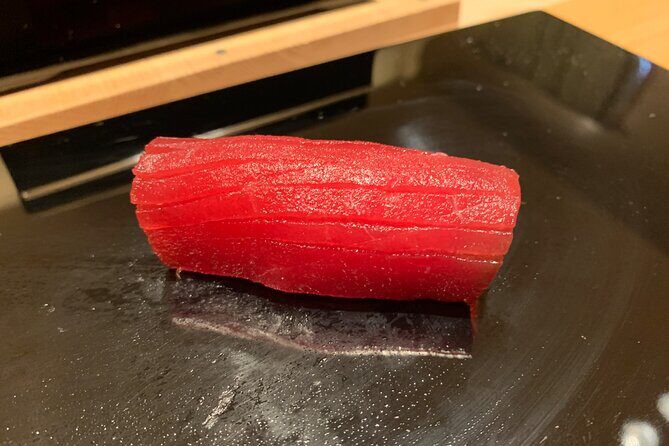
The class isn’t a passive tasting. You’ll actively make sushi pieces yourself, and the course is designed to keep you creating throughout the session. The past descriptions of the experience include making multiple pieces, with instruction that stays approachable regardless of skill level.
For nigiri, you’ll focus on the basics of portioning rice and placing fish neatly. The goal isn’t perfection on day one. The goal is getting the method down so you can form a clean piece that doesn’t fall apart.
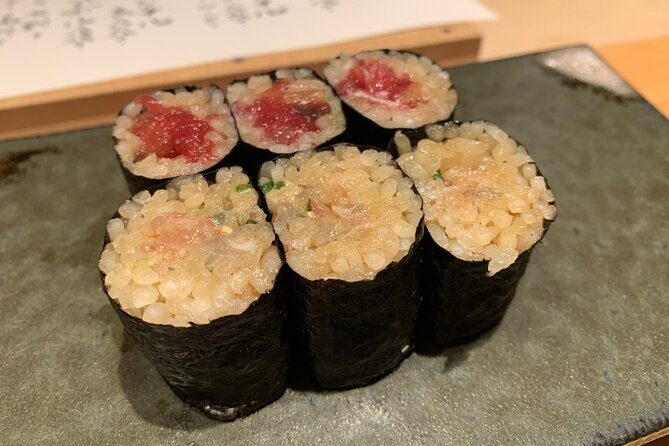
For hand-rolled sushi, you learn how to roll and shape so it holds its structure. Hand-rolled sushi is often where beginners learn fastest because the technique is simple in concept but needs proper pressure and alignment.
You can also expect additional items alongside the sushi-making. Some past menus and add-ons have included things like soup, sashimi, mochi, and in some cases ramen and sweets. That’s a big value boost, because it turns a cooking lesson into a full meal.




The Food Payoff: You Eat Your Own Sushi (Plus More)
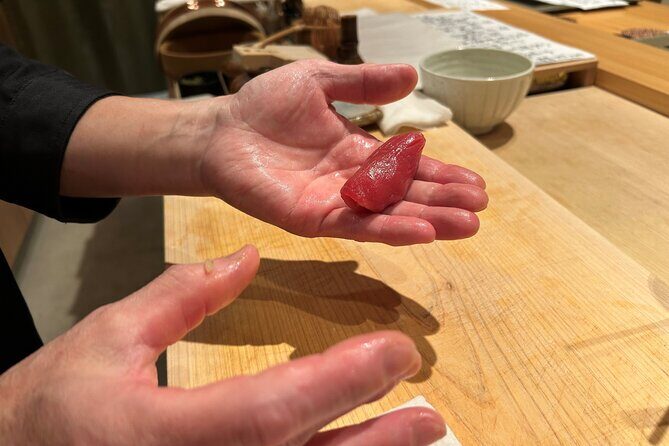
At the end, you eat what you made. That’s not just a nice ending—it’s the fastest way to learn. When you taste the piece right after shaping it, you immediately connect technique to result. If the rice was too firm, too loose, or the fish placement was off, you’ll feel it.
The class also tends to include more than just sushi. Past participants have mentioned additional service items like soup, sashimi, and mochi, and some sessions include ramen and dessert. Even if your exact menu varies slightly, you should plan for a satisfying meal, not a tiny tasting plate.
If you have food allergies or dislikes, you’ll want to tell the operator in advance. The experience notes specifically that you should let them know, so don’t wait until you arrive.
Price and Value: Is $195.46 Worth It?
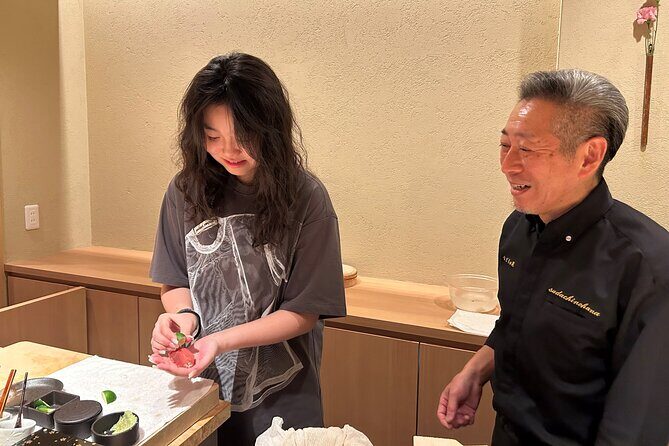
At $195.46 per person, this isn’t a bargain class. But it also isn’t a generic cooking demo. You’re paying for a few high-value things at once:
- a real sushi chef with 30+ years experience
- private instruction for your group
- a restaurant setting with high-quality ingredients and tools
- a meal payoff where you eat the sushi you make
- the chance to learn both nigiri and hand-rolled sushi
So the question isn’t whether it’s cheap. It’s whether you want an experience that feels like mentorship rather than entertainment. If you’re the type of traveler who likes skill-based activities—things you can repeat at home—this price starts to make sense.
One thing to consider: it’s a 2-hour block. If you’re trying to fill every hour of your day, it’s easy to justify because you’ll get hands-on learning and a full meal result in a short time.
Timing and Comfort: What to Do Before You Arrive
The start time is 12:00 pm, which is perfect for a midday reset. Since this is a cooking class plus lunch/meal, you’ll do yourself a favor by arriving with an appetite.
Also, because children must be 11 years old or older, the class is likely organized for that age range and adult pacing. That tends to keep the session calm and focused.
Bring curiosity. Sushi-making has a lot of tiny variables—rice texture, knife handling, and how you shape pieces. If you’re open to small corrections, you’ll get more out of the time. If you go in expecting to mimic a professional sushi chef’s perfection immediately, you may feel disappointed. The smarter mindset is: learn the method, then enjoy the meal.
Who This Osaka Sushi Class Suits Best (And Who Might Skip It)
This experience fits best if you want:
- hands-on cooking with personal instruction
- instruction from Chef Shinichi Kono
- a true restaurant atmosphere rather than an office-style class
- a meal included at the end, not just a snack tasting
- to learn nigiri and hand-rolled sushi as a beginner or intermediate
You might consider skipping if:
- you don’t enjoy structured food learning and prefer casual eating only
- you’re traveling with very young kids (this is 11+)
- you’re looking for a long multi-course food crawl instead of a short skill session
Should You Book This Sushi Making Experience?
I’d book it if you value quality instruction and you want to leave with both a practical skill and a satisfying meal. The combination of private, one-on-one teaching, the restaurant setting, and the chef’s 30+ years background is exactly the kind of experience that rewards serious food travelers.
If you’re on the fence, here’s a smart decision rule: if you’ll actually use what you learn at home (even just making hand-rolled sushi for friends), the class will feel worth it. If you only want to eat sushi and nothing about technique matters to you, you can likely find other options that cost less.
FAQ
Is this sushi-making experience private?
Yes. It is a private tour/activity, and only your group will participate.
How long is the experience?
It runs for approximately 2 hours.
What time does the class start in Osaka?
The start time is 12:00 pm.
Is there an age requirement?
Yes. Children must be 11 years old or older to participate.
Can I tell the chef about allergies or dislikes?
Yes. If you have any food allergies or dislikes, you should let the operator know in advance.
Will I eat the sushi after making it?
Yes. After the experience, you will eat the sushi you made yourself.