REVIEW · OSAKA
Three Types of Ramen Cooking Class in Osaka
Book on Viator →Operated by Sakura Cook · Bookable on Viator
Osaka ramen is famous, but this class gives you the skills behind it. You’ll make handmade noodles from scratch and then build three broths—salt, soy sauce, and miso—in about 2.5 hours. It’s hands-on, small-group, and you finish by eating what you cooked with dessert and green tea.
I especially like that the class is structured for real results. You get tools, ingredients, and a printed recipe to take home, so you’re not guessing at the hardest parts. One small consideration: this isn’t a casual food tour where you just watch—so if you want zero hands-on cooking, it may feel like a lot.
In This Review
- Key Highlights You Should Care About
- Where This Osaka Ramen Class Fits in Your Trip
- Getting to the Meeting Point Without Stress
- Step One: Apron On, Noodles First
- Making the Toppings: Small Choices, Big Flavor
- The Three Ramen You Make: Salt, Soy Sauce, Miso
- Salt Ramen: Sweet Pork + Crunchy Veg
- Soy Sauce Ramen: Cabbage, Greens, Corn
- Miso Ramen: Spicy Chicken + Eggs
- What the Instructor Teaches (and Why It Works)
- Lunch/Dinner Moment: Eat What You Built
- Small Group Size: Why Eight People Feels Different
- Facilities and Pacing: 2.5 Hours That Doesn’t Drag
- Price and Value: Is $79.28 Worth It?
- Who This Class Is Perfect For
- Quick Practical Notes Before You Go
- Should You Book This Ramen Class in Osaka?
Key Highlights You Should Care About
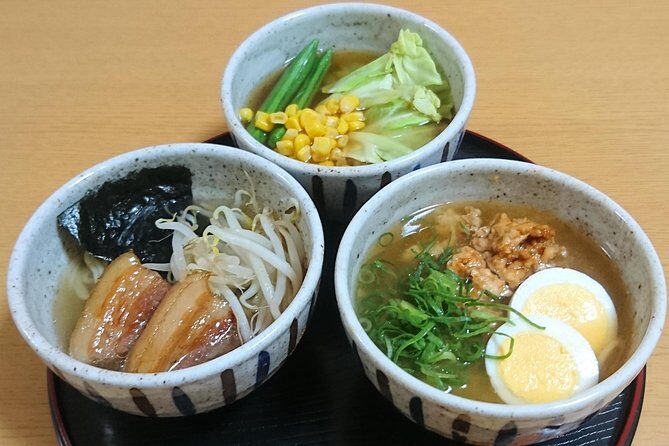
- Three ramen styles in one sitting: salt, soy sauce, and miso, so you taste the differences
- Noodles from scratch: you make the dough and shape the noodles yourself
- Small group feel: limited to eight people for a more personalized class (with a max group size of 12)
- You eat right away: lunch/dinner is included, plus dessert and green tea
- 100g total noodles: enough to be satisfying without turning the class into a food coma
- Take-home support: printed recipe plus seasonal fruits during the meal
Where This Osaka Ramen Class Fits in Your Trip
This is the kind of activity that works great in a travel plan because it’s both fun and practical. You’ll be in a real kitchen setup, rolling up your sleeves, then sitting down to enjoy the results. In other words: you’ll leave with memories and a repeatable skill.
The class is priced at $79.28 per person. For Osaka, that’s the sweet spot for a cooking class because you’re not paying just for instruction—you’re paying for ingredients, utensils, and a full meal experience at the end. Also, you’re doing three ramen variations in one session, so your “per-bowl” value is strong.
You can also read our reviews of more cooking classes in Osaka


Getting to the Meeting Point Without Stress
You’ll meet at Banix 北堀江 (Kitahorie), address: 3-chōme 62 システマギャラリー, Osaka. The good news is it’s near public transportation, and you won’t need hotel pickup.
Since the meeting location is very specific, I’d treat this like any reservation where being early matters. Give yourself a little buffer to find the right building, because you’ll want to start cooking on time.
What to wear? Comfortable clothes you don’t mind getting a bit flour or broth on. You’ll wear an apron once you arrive, which helps, but a hands-on class still calls for practical clothing.
Step One: Apron On, Noodles First
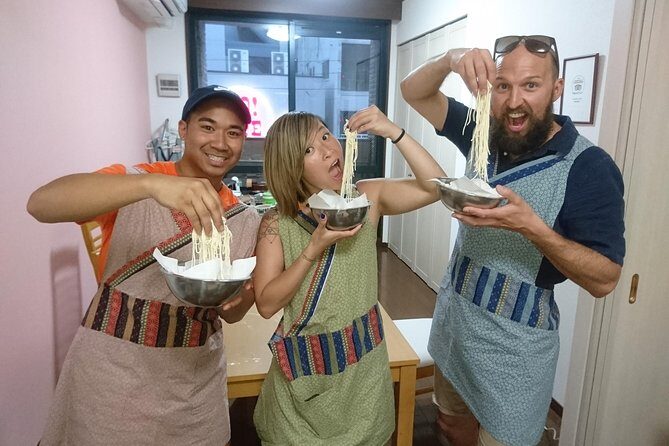
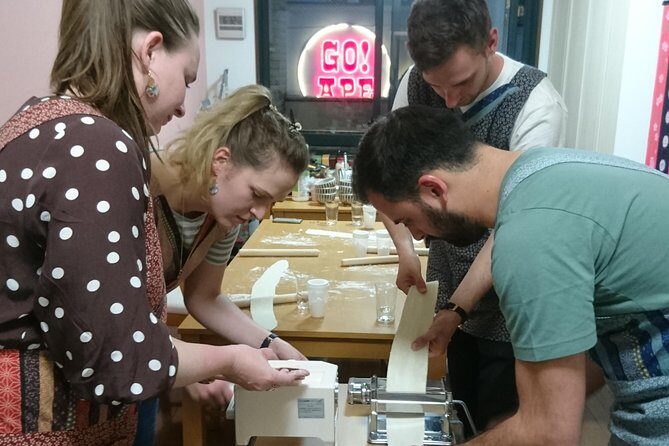
The class starts the way you’d hope: you don’t jump straight to broth. You make the noodles from scratch at the beginning, which is where most ramen magic begins.
Here’s what makes this stage useful for you as a home cook:
- You learn the dough feel and handling, not just the final recipe.
- You see the pacing of noodle-making in real time, which helps you avoid the most common mistakes (rushing or losing timing).
- You get a guided process, so even if you’ve never made noodles before, you’re not stuck.
In the reviews, people repeatedly mention instructors who speak good English and give step-by-step directions. Names that show up include Fumi (and Fumiyo in some cases), plus Tomiko-san assisting in certain sessions. Some guests also mention Keigo/Keiyo as an instructor name, so the teaching team can vary by date—but the overall pattern is clear: clear directions, supportive pacing, and enough attention that you’re not left guessing.
Making the Toppings: Small Choices, Big Flavor
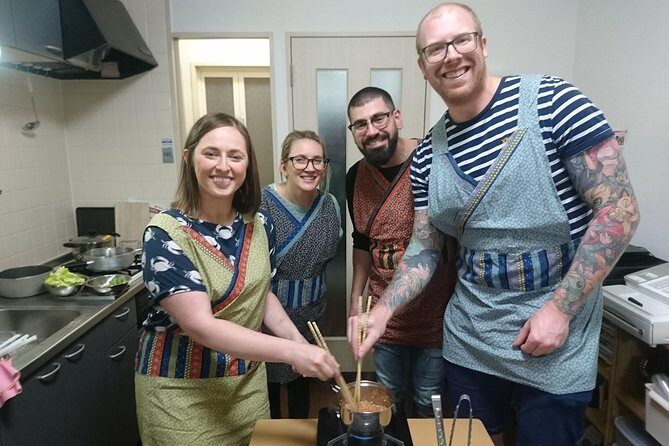
After the noodles are underway, you move into the “build your ramen” mindset: meats and vegetables, then toppings that match each broth style.
You’re not just chopping ingredients for decoration. The toppings are part of what makes each ramen type taste like itself. Think of this as learning how Japanese home cooking builds a bowl: base (noodles + broth) and then topping logic.
The Three Ramen You Make: Salt, Soy Sauce, Miso
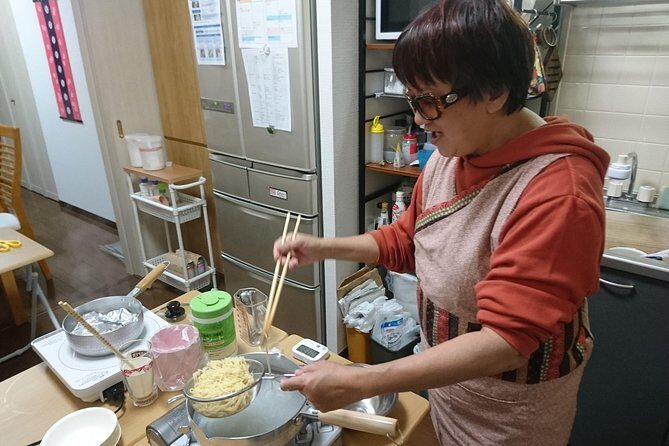
This class is designed so you can taste the differences clearly. You’ll make three bowls of ramen with different seasonings and topping combos, so you learn how ramen changes without changing the whole system.
You can also read our reviews of more tours and experiences in Osaka




Salt Ramen: Sweet Pork + Crunchy Veg
For salt ramen, your toppings include sweet pork, bean sprouts, and seaweed. Salt ramen tends to feel lighter than some other styles, but the pork and seaweed add real depth.
What I like about this part is the balance. If you’re the type who worries homemade broth will be bland, this gives you confidence because the toppings do meaningful work.
Soy Sauce Ramen: Cabbage, Greens, Corn
For soy sauce ramen, you’ll top with steamed cabbage, green vegetables, and sweet corn.
This one matters because it teaches you how soy sauce ramen leans into savory comfort. The cabbage and greens also help the bowl feel fresh rather than heavy.
Miso Ramen: Spicy Chicken + Eggs
For miso ramen, toppings include spicy chicken, boiled eggs, and green onion.
Miso ramen usually feels more “rounded” and bold. The eggs add richness, and the green onion gives a sharp, fresh finish.
One practical note from a review: there can be chili oil involved at the end step. If you’re sensitive to heat, it’s smart to start light.
What the Instructor Teaches (and Why It Works)
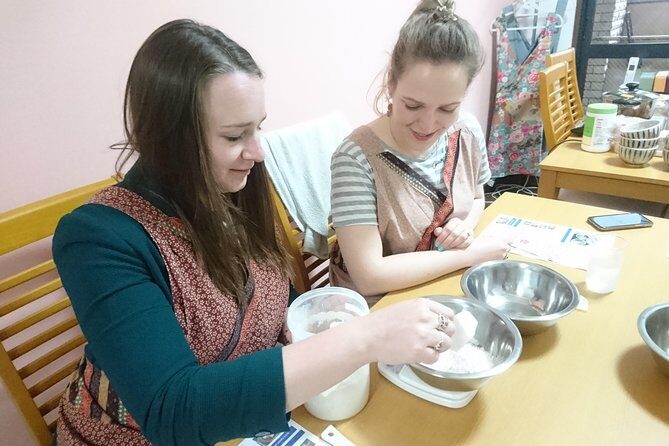
The best part of this class isn’t only that you cook three kinds of ramen—it’s that you learn how to do it in a sequence that actually makes sense.
You’ll get:
- Guidance on noodle-making and timing
- Clear direction while cooking proteins and assembling toppings
- Explanations tied to why each ramen type tastes different
This is also one reason beginners do well here. Multiple guests mention that even people who can’t cook were successful. A common theme is that the instructor doesn’t rush you, and the directions stay simple enough to follow while your hands are busy.
If you have dietary needs, ask when booking. One review highlights that the class can be made vegetarian without losing the fun of the experience, and the instructor was careful about ingredients and broth content.
Lunch/Dinner Moment: Eat What You Built
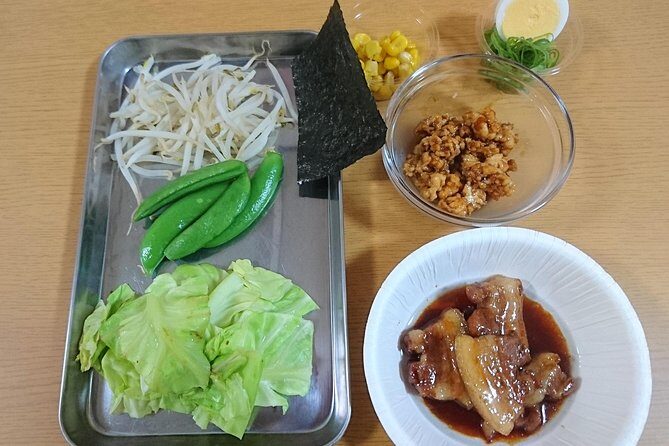
After cooking, you sit down and enjoy the ramen you made. You’ll also get dessert and green tea, plus seasonal fruits included as part of the overall meal.
This matters more than it sounds. Many cooking classes end with a quick taste and you’re out the door. Here, the structure is more like: cook → eat → reset. You get time to enjoy the flavors you created and compare the three styles side-by-side.
And yes, the noodles are a real portion. The class notes a total of 100g noodles, which is enough to satisfy. If you’re also eating dinner later, you may want to keep that in mind—but for most people, this is lunch-sized satisfaction.
Small Group Size: Why Eight People Feels Different
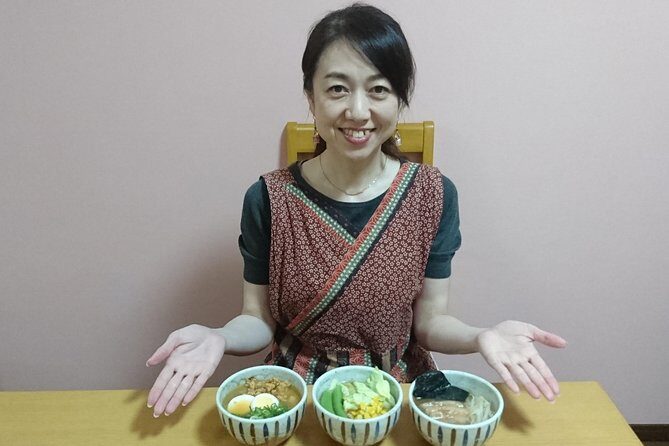
The class is described as limited to eight people for a more personalized experience, with a maximum of 12 travelers. In real terms, that usually means:
- You’re less likely to be lost in a crowd
- You can ask questions without waiting
- You get more chances for correction when something needs adjusting
A few guests mention it can be very intimate, even like a semi-private session depending on how many people book that day. If you love learning with direct attention, this is the format to look for.
Facilities and Pacing: 2.5 Hours That Doesn’t Drag
The total duration is about 2 hours 30 minutes. That’s long enough to make noodles and cook multiple components, but not so long that you feel stuck.
In practice, the pacing tends to follow a logical chain:
1) Noodles from scratch
2) Toppings and components
3) Broth prep and assembly for three styles
4) Eating together, then dessert and green tea
It’s also helpful that everything you need is provided: utensils and ingredients. You’re not showing up with mystery tools or substitutions.
Price and Value: Is $79.28 Worth It?
For $79.28 per person, you get:
- Ingredients for your lunch/dinner
- Kitchen utensils and equipment
- A printed recipe you can take home
- Seasonal fruits
- Dessert and green tea during the meal
When you compare that to doing ramen noodles and broths on your own, you’re paying for two things that are hard to DIY on a vacation: ingredient convenience and expert guidance. Plus you leave with practical notes you can actually use again at home.
You also get three ramen styles in one class, which is a big factor. If you only made one bowl, this price would be harder to justify. Here, your learning output is higher.
Who This Class Is Perfect For
You’ll probably have the best time if you fit one of these profiles:
- Ramen lovers who want more than eating—people who want to understand how it’s built
- Beginners who want structure, not a cookbook guessing game
- Foodies who like hands-on technique, especially noodle-making
- Families: reviews mention it works for kids too, including at least one participant whose child was around 10 and handled the steps well
If you’re on a super tight schedule, this is still realistic because it’s only 2.5 hours and includes the meal. If you want a deep cultural lecture, this is less that and more cooking practice with explanations—exactly what many visitors prefer.
Quick Practical Notes Before You Go
- No hotel pickup or drop-off, so plan your own transit to Banix 北堀江.
- The tour uses a mobile ticket.
- Confirmation is sent within 48 hours of booking (subject to availability).
- The activity ends back at the meeting point.
On the cooking side: bring the mindset that you’re there to learn a process. If you slow down and follow instructions, your ramen will come out way better than if you treat it like a race.
Should You Book This Ramen Class in Osaka?
I think you should book it if your idea of a great Osaka day includes hands-on cooking and a meal you can actually taste right away. The mix of noodle-making, three broth styles, and included dessert/green tea makes it a strong value. It’s also a smart choice if you want a skill you can repeat at home, because you’ll take home a printed recipe and your own noodle-making confidence.
Skip it if you only want to eat ramen and don’t want to cook at all. This class is active. You’ll be doing real steps, not just watching someone else cook.
If you’re ready to learn the ramen logic—base, toppings, and timing—this is one of the easiest “yes” activities to recommend in Osaka.