REVIEW · OSAKA
Osaka: Private Tea Ceremony Experience
Book on GetYourGuide →Operated by Japanese Culture Experience WA NO MA · Bookable on GetYourGuide
Matcha tastes better when you make it. This private Osaka tea ceremony in Namba is built for a slow, personal pace, and I love that you get hands-on matcha-making plus a guided lesson that keeps things relaxed. The second highlight I really liked is the chance to taste matcha alongside Japanese sweets twice during the ceremony. One thing to consider: you’ll need to come in socks, and the experience isn’t set up for wheelchair users.
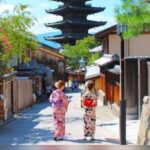
Because it’s private, you control the feel. Your guide will adjust timing, photo breaks, and pacing to your group, and that matters if you’re traveling with a child or you just want time to look closely. You’ll also find it easy to reach from Shinsaibashi, since the meeting point is right near Namba’s core visitor area and you’ll be spotted quickly in kimonos.
In This Review
- Key Things I’d Plan Around
- Why This Private Tea Ceremony Feels Different From a Group Lesson
- Getting Oriented in Namba: The Meeting Point That Actually Makes Sense
- The 1-Hour Schedule: What Happens During Your Tea Ceremony Hour
- 1) Learn the tea-making steps, then put your hands on it
- 2) Choose a tea bowl that reflects how you feel today
- 3) Taste matcha and Japanese sweets, then make more memories
- What You Actually Learn (and Why It Matters Beyond the Cup)
- You learn matcha through doing, not memorizing
- You see Japanese sweets as part of the ritual, not a separate dessert
- Photos, Timing, and Family-Friendly Pace Control
- Price and Value: Is $38 Reasonable for a Private Hour?
- Where This Fits Best in Your Osaka Itinerary
- What’s Included, What Isn’t, and the One Extra You Might Consider
- Practical Notes: Socks Required and Smoking Not Allowed
- Who Should Book This Private Tea Ceremony (and Who Might Prefer Something Else)
- Should You Book This Private Tea Ceremony in Osaka?
- FAQ
- How long is the Osaka private tea ceremony experience?
- Where do I meet for the tea ceremony?
- Is this experience private?
- What do you do during the ceremony?
- Is matcha included?
- Do I need any previous tea ceremony experience?
- What should I bring?
- Is it wheelchair accessible?
- FAQ
- Can I add Japanese calligraphy to this experience?
Key Things I’d Plan Around
- A private group format means you can take photos and move at your pace without feeling rushed
- You make matcha yourself after learning the steps, not just watch
- Choose a tea bowl that matches how you feel that day
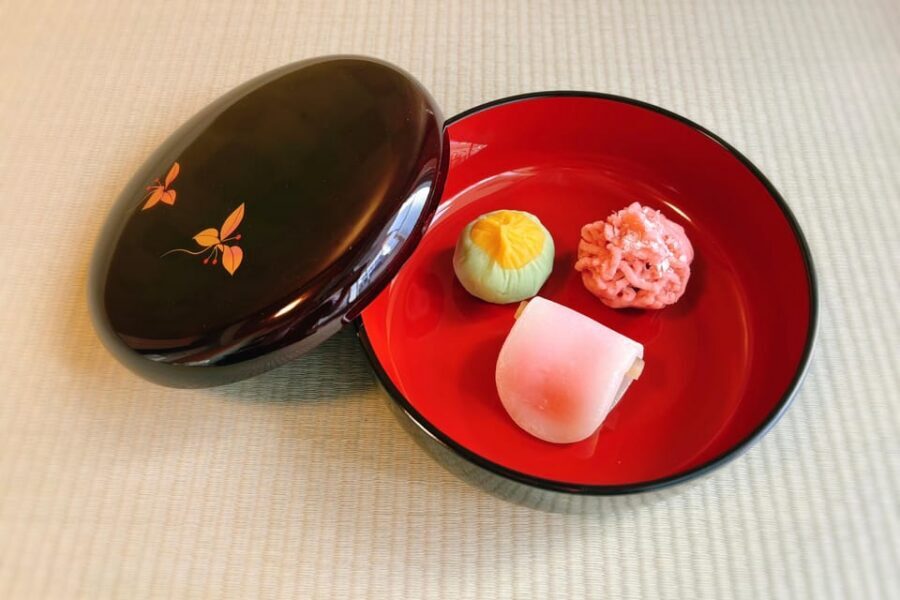
- Japanese sweets are served twice, so you get more than one tasty moment
- Namba location near Shinsaibashi keeps getting there simple
- Socks are required, so pack them with your day bag
Why This Private Tea Ceremony Feels Different From a Group Lesson
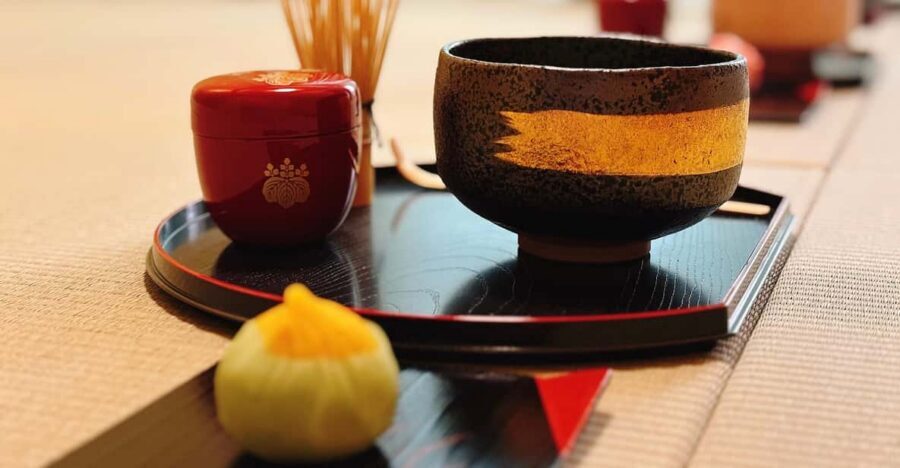
Tea ceremonies can be either educational or cinematic. This one aims for both, but the real difference is how it’s tailored to your group. You’re not sharing the space with strangers or waiting for someone else’s slow moments. Instead, the guide gives you a careful, friendly walkthrough and then stays close while you practice.
In practical terms, that private setup helps in two big ways. First, your questions don’t have to be squeezed into a short window. Second, the guide can match your group’s rhythm. If you want lots of photos, you can take them any time during the experience. If your child needs slower steps, the timing can bend.
That’s also why this format can feel calming. It isn’t a hurried stop on a sightseeing checklist. It’s one full hour focused on tea, sweet breaks, and the small etiquette details that make the whole ritual feel intentional.
You can also read our reviews of more private tours in Osaka

Getting Oriented in Namba: The Meeting Point That Actually Makes Sense
The ceremony meets at the entrance of New Osaka Hotel Shinsaibashi. Walk west for about 30 seconds from there, and look for a blue vending machine near the entrance. Plan to arrive about 5 minutes before your scheduled time. Your guide will wait outside the building with kimonos so you can spot them right away.
This is the kind of logistics that makes a big difference on a travel day. If you’ve been wandering in Osaka’s shopping streets, it’s easy to lose time to confusion. Here, the meeting spot is simple and close to the Shinsaibashi area.
Also, this location choice is smart for most itineraries. Shinsaibashi-suji is one of the main pedestrian shopping corridors, so you’re not fighting long transit times to start your cultural activity.
The 1-Hour Schedule: What Happens During Your Tea Ceremony Hour
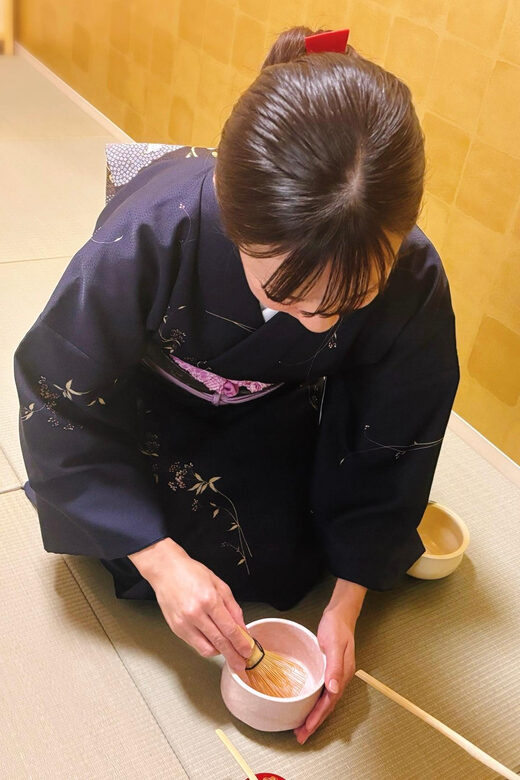
You’ll get a guided lesson that includes learning the basics, then trying making tea yourself. The experience is carefully timed so you’re not standing around waiting for the next step.
Here’s the core flow you can expect:
1) Learn the tea-making steps, then put your hands on it
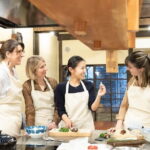
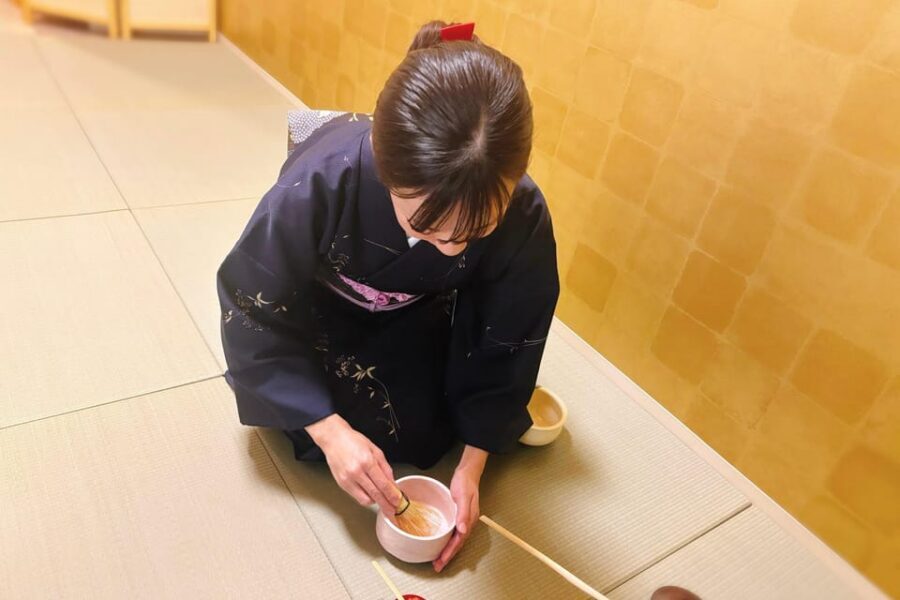
You start with instruction on how to make tea. The guide explains how to prepare and handle what’s needed for matcha. Then you get to try making it yourself. That hands-on part is the main reason this experience feels worth it, even if you’ve seen a tea ceremony before.
If you’ve never done anything like this, don’t worry. The format is built to be relaxing. The guide can slow down where needed so you feel comfortable doing the steps, not just completing them.
2) Choose a tea bowl that reflects how you feel today
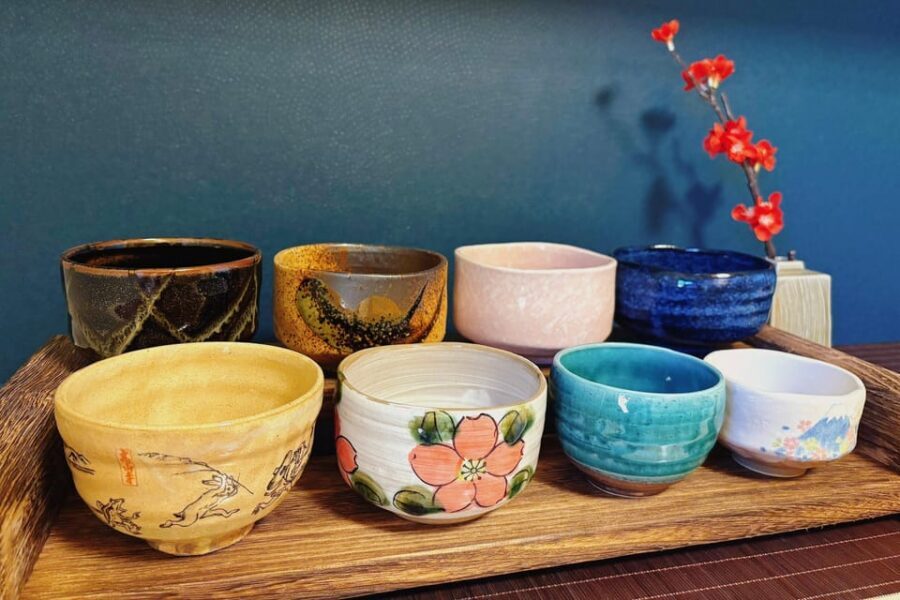
After the lesson begins, you select a tea bowl from several attractive options. The idea is simple but meaningful: pick the bowl that expresses your feelings today.
This isn’t just a gimmick. It adds a personal anchor to the ritual. You’re not experiencing a stranger’s table moment; you’re choosing your own tool for the experience, which makes the final cup feel more yours.



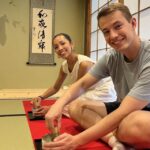
3) Taste matcha and Japanese sweets, then make more memories
Throughout the ceremony, you’ll enjoy matcha along with Japanese sweets. The sweets are served twice during the tea ceremony, so you get more than one taste moment and a couple chances to slow down and enjoy the flavors.
You’re not asked to rush from one bite to the next. You’ll be guided through the experience step by step, with time to taste, watch, and then participate.
What You Actually Learn (and Why It Matters Beyond the Cup)
Tea ceremony lessons can be split into two types: facts and feeling. This one covers both, but the best part is how the learning supports the experience.
You learn matcha through doing, not memorizing
You practice making matcha yourself, which means the lesson lands in your hands. You can’t fake that. When you’re whisking and preparing your own cup, you start noticing how small changes affect the final result.
That’s a practical skill you’ll carry with you. Even if you don’t become a tea expert, you’ll understand what makes matcha preparation different from ordering a drink. You’ll know what to look for next time you order matcha in Osaka.
You see Japanese sweets as part of the ritual, not a separate dessert
The sweets being served twice is a quiet but smart design. It creates a rhythm: sip, pause, taste something sweet, then continue. It keeps the hour from feeling like a lecture with food tacked on.
I also like that the sweets show up during the ceremony itself. You get to experience Japanese flavor pairings in the same flow as the tea, which helps you understand why these sweets are served alongside matcha.
Photos, Timing, and Family-Friendly Pace Control
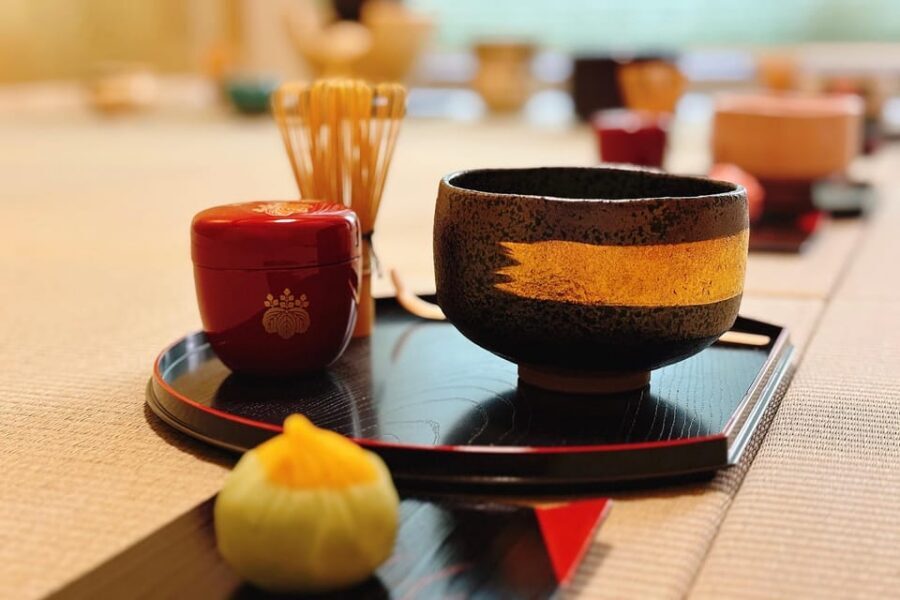
One of the most useful parts of this experience is the flexibility. Since it’s a private group, you can take photos anytime. That means you’re not timing your camera for someone else’s schedule.
You can also request pacing adjustments in a very real way. If you want to proceed slowly for a child’s comfort, your guide can accommodate. If you want to take time choosing your bowl and photographing it, there’s room to do that.
That’s also why this can work well for families of four. The format is designed around one group at a time, and the calm atmosphere helps everyone stay comfortable rather than feeling like they need to perform on cue.
Price and Value: Is $38 Reasonable for a Private Hour?
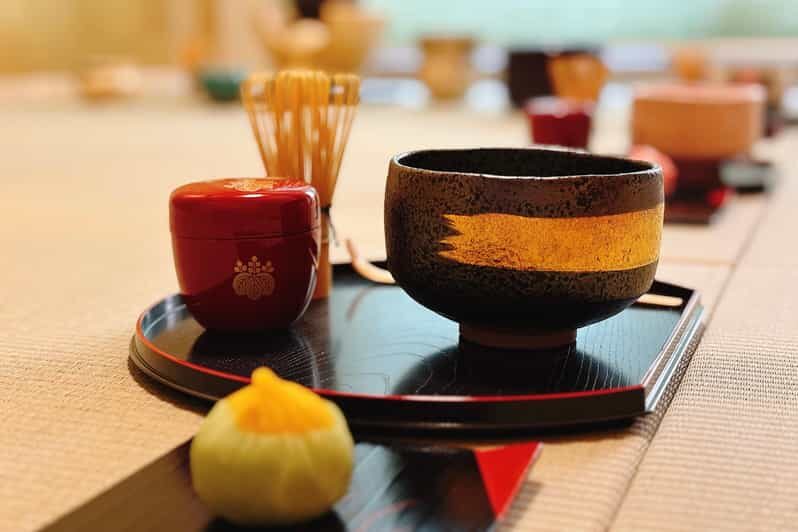
At $38 per person for a 1-hour private experience, this is priced in a way that can make sense for couples and small groups who care about quality more than quantity of activities.
Here’s how I think about the value:
- You’re paying for a private guide focused on your group.
- You get matcha and Japanese sweets included, not a basic tasting only.
- You actively make matcha yourself, which increases the value compared to watching alone.
- You’re also getting a structured, calming setting in a major tourist area where timing matters.
If your day already includes shopping and busy streets, a private tea ceremony can be a good reset. One hour is short enough to fit most itineraries, but long enough to feel like you did something real, not just checked a box.
Where This Fits Best in Your Osaka Itinerary
This is the kind of activity that pairs well with a day built around Shinsaibashi and Namba. You can go from browsing shops to settling into an hour of focused calm without a long commute.
I especially think it works well when:
- You want one cultural activity that’s genuinely interactive
- You’re traveling with kids and want a slower pace
- You plan to eat sweets anyway, so you’d like them folded into the experience
- You want photos without feeling rushed
It’s also a strong choice if you want something quieter after a day of transit and crowds.
What’s Included, What Isn’t, and the One Extra You Might Consider
Included in the plan is everything you need for the tea ceremony itself: all fees and taxes, matcha and various Japanese sweets, the matcha making experience, and the instructor.
Japanese calligraphy is not included. If you want calligraphy alongside tea, there’s a separate plan you can reserve for that add-on.
That matters because tea ceremonies and calligraphy both use time and focus. If you’re torn, consider your energy level. If you want one calm activity with less scheduling pressure, choose tea only.
Practical Notes: Socks Required and Smoking Not Allowed
Before you go, pack socks. The experience specifically asks for socks, so plan on changing or bringing a clean pair.
Smoking isn’t allowed during the activity. That’s standard for most indoor cultural experiences, and it helps keep the atmosphere comfortable and calm.
Also, the experience isn’t suitable for wheelchair users. If accessibility is a concern for your group, it’s worth looking for another format in Osaka that explicitly supports mobility needs.
Who Should Book This Private Tea Ceremony (and Who Might Prefer Something Else)
I’d steer you toward this experience if you want a calm, guided hour that includes participation, taste, and personal pacing. The private format makes it easier to relax and actually enjoy the details.
You might prefer a different activity if:
- You want a longer, multi-hour deep program
- You’re not interested in making matcha and would rather just sample and move on
- Accessibility needs apply for wheelchair users
But if you’re open to learning the basics of matcha prep, choosing a bowl that matches your mood, and enjoying sweets twice during the ceremony, this fits nicely.
Should You Book This Private Tea Ceremony in Osaka?
Yes, you should book it if your goal is a single, well-paced cultural hour where you actively participate. The big selling point isn’t just that it’s peaceful. It’s that you do the matcha steps yourself, and the sweets aren’t an afterthought—they’re built into the flow with two taste moments.
I’d book it especially if you’re staying in the Shinsaibashi/Namba area and you want something quieter after shopping and eating. At $38 per person, the value comes from the private attention plus the hands-on matcha making and included sweets.
If you want a flexible schedule, the experience also supports reserving now and paying later, and free cancellation is available up to 24 hours in advance.
FAQ
How long is the Osaka private tea ceremony experience?
The experience lasts 1 hour.
Where do I meet for the tea ceremony?
Meet at the entrance of New Osaka Hotel Shinsaibashi, then walk west for about 30 seconds. There is a blue vending machine near the entrance. The guide waits outside in kimonos about 5 minutes before your scheduled time.
Is this experience private?
Yes. It’s a completely private group experience, so the guide can closely attend to your group.
What do you do during the ceremony?
You learn how to make tea, then you try making it yourself. You can also choose a tea bowl and taste matcha and Japanese sweets during the ceremony.
Is matcha included?
Yes. Matcha and various Japanese sweets are included, along with the matcha making experience and an instructor.
Do I need any previous tea ceremony experience?
No. If you have no experience, you’ll still be guided through the steps in a relaxing way.
What should I bring?
Bring socks.
Is it wheelchair accessible?
No. It is not suitable for wheelchair users.
FAQ
Can I add Japanese calligraphy to this experience?
Japanese calligraphy is not included in this plan. If you want calligraphy as well, you’ll need to reserve the Osaka private tea ceremony and calligraphy experiences option.