REVIEW · OSAKA
Osaka Highlights: 4Hrs Guided Walking Tour with a Native Expert
Book on Viator →Operated by Japan Adventures · Bookable on Viator
Osaka hits different with a local guide. This 4-hour highlights walk strings together Osaka Castle and the city’s most photo-and-food stops, with short train hops between them. I love that you get major landmarks without feeling crammed, and I also love the guide-led context that turns random sights into clear stories. The one thing to plan around is the walking and trains: if you’re slower on your feet, you may find the pace a bit much.
You’ll start with the big, iconic stuff, then shift into older streets and temple customs before finishing in Dotonbori, where Osaka’s after-dark energy spills into the day. In small groups (max 12), guides such as Yuya, Tatsuya, or Aki bring a friendly, patient style and keep the route moving even when weather is messy. Just note: public transport isn’t included in the price, so budget the extra yen.
In This Review
- Key Highlights Worth Your Time
- A Tight 4 Hours That Still Feels Like Osaka
- Osaka Castle Main Tower: More Than Photos
- Hokoku Shrine Inside the Castle Park
- Tennoji Park Near Tennoji Station: Space to Breathe
- Tsutenkaku and Shinsekai: The View, Then the Street Flavor
- Hozen-ji Temple and the Mizukake Fudō Offering
- Dotonbori and the Ura-Namba Back-Aisle Walk
- Value, Timing, and the Extra Transport Budget
- How the Guide Changes the Experience (Even When You Think You Know the Sights)
- Who This Tour Fits Best
- Should You Book This Guided Highlights Walk?
- FAQ
- FAQ
- How long is the Osaka highlights guided walking tour?
- What is included in the price?
- What additional costs should I expect?
- Where does the tour start and end?
- How big is the group?
- Do I need tickets in advance?
- What happens if the weather is poor?
Key Highlights Worth Your Time
- Osaka Castle main tower entry included so you’re not scrambling for tickets or timing
- Short train rides between areas so you still cover a lot in only 4 hours
- Tsutenkaku + Shinsekai street atmosphere, including Janjan Yokocho-style alley vibes
- Hozen-ji Temple’s Mizukake Fudō offering ritual (water poured over a mossy statue)
- Dotonbori detours that help you “read” the area beyond the obvious neon signs
- Small group size (up to 12) means you can ask questions and keep a steady pace
A Tight 4 Hours That Still Feels Like Osaka
This tour is designed for one thing: getting you oriented fast. In about 4 hours, you’ll pass through Osaka’s most recognizable layers—power and history at the castle, playful old neighborhoods near Shinsekai, temple tradition at Hozen-ji, and the street-energy finish at Dotonbori.
The route also has a smart rhythm. You don’t just bounce point-to-point. There are real walking segments where the guide can explain what you’re looking at, then short train hops (about 10 minutes) that save your legs so you can actually enjoy each area.
Because the group is capped at 12, the pace stays human. You’re not being herded like luggage. Guides in previous groups—people like Yuya, Tatsuya, and Aki—are known for staying calm when questions pop up, and for keeping everything organized even with light rain.
You can also read our reviews of more walking tours in Osaka

Osaka Castle Main Tower: More Than Photos
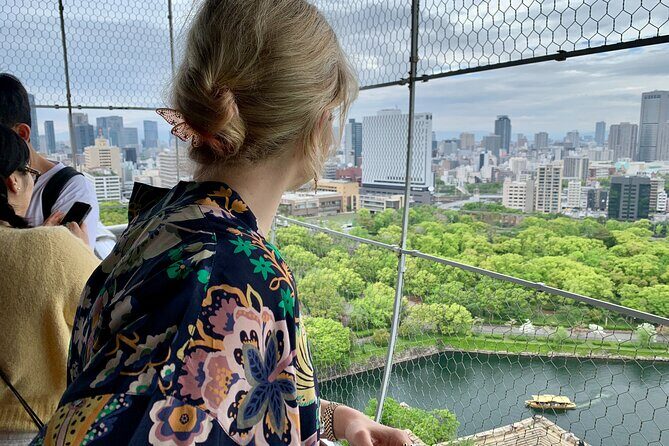
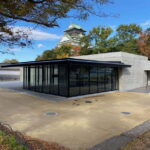
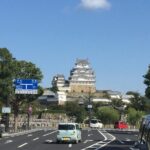
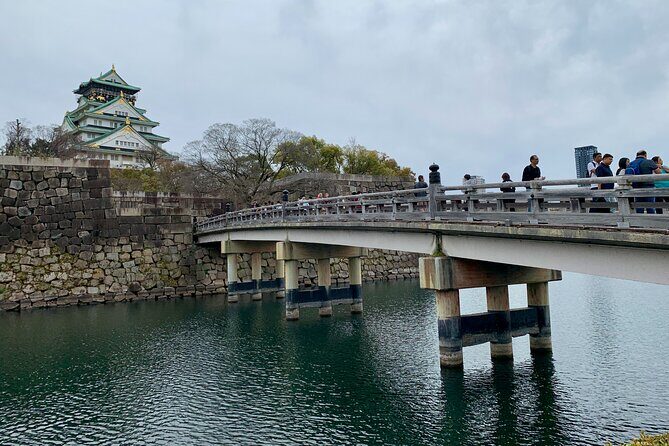
Your first big stop is Osaka Castle, starting with a walk toward the main tower. This isn’t just a “see it, snap it, move on” moment. The guide shares the castle’s relationship to Osaka and the wider story of how the city grew around power centers.
Then you enter the main tower with the guide. That matters because the views are the obvious part, but the meaning behind what you’re seeing is what makes it stick. From up top, you’re able to understand the geography of the city in a way a street-level walk can’t—where major districts sit, how the urban fabric spreads, and why Osaka became such a hub.
There’s also a practical win: Osaka Castle admission is included. That removes one common hassle for first-time visitors—time lost buying tickets or worrying about opening hours.
Hokoku Shrine Inside the Castle Park
Right after the castle experience, the route includes Hokoku Shrine, located in Osaka Castle Park. This shrine is dedicated to Toyotomi Hideyoshi, the late-16th-century figure known for helping unify Japan. You’ll spend around 15 minutes here.
This is a short stop, but it’s a good one because it adds depth without demanding more effort. The area already feels historical; the shrine gives you a person to connect to the story. It also gives you a quick reset after the main tower, so you’re not walking straight through the most crowded part of the castle complex.
Admission here is free, so it’s also a low-cost add-on to your day.
Tennoji Park Near Tennoji Station: Space to Breathe
Next comes Tennoji Park, a public green space near Tennoji Station. The timing is built for variety in your afternoon: you get a change of pace from towers and alleys into a more open setting.
Tennoji Park has a few notable parts. It’s been around since 1909 and includes Tennoji Zoo, the Osaka City Museum of Fine Arts, and Keitakuen Garden. There’s also the modern Tenshiba area nearby, which helps explain why Tennoji feels like a link between classic Osaka and what’s happening now.
If you’re the kind of traveler who likes a bit of breathing room in a packed day, this stop is a relief. You’ll get a scenic break and time to regroup, especially useful if you’ve already started the morning with castle climbs and lots of stairs.
Tsutenkaku and Shinsekai: The View, Then the Street Flavor
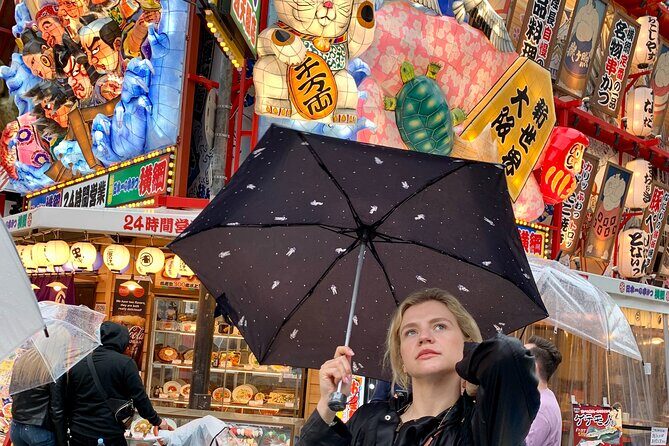
After Osaka Castle, you’ll take about a 10-minute train ride to the Tsutenkaku area. Then it’s a walk toward Tsutenkaku with guide commentary along the way.
Tsutenkaku is a symbol of resilience and invention, and the area around it is where Osaka’s more playful, everyday mood comes through. You’ll spend about 50 minutes here, and the pace is enough to cover the area without turning it into a marathon.
From there, the experience keeps you moving into Shinsekai, including the alley-style street-food atmosphere around Janjan Yokocho. The key is that you’re not only looking at a landmark—you’re seeing how people actually hang out in that part of the city.
If you’ve only seen Osaka from big-name shopping streets, this is the contrast you’ll appreciate. It’s more local, more casual, and more about snacks and street life than big-ticket sights. And because this portion is free, you can spend your money on food you want instead of fees you didn’t plan on.
You can also read our reviews of more guided tours in Osaka



Hozen-ji Temple and the Mizukake Fudō Offering
Hozen-ji Temple is one of those places that makes Osaka feel older and more ritual-driven. You’ll have about 15 minutes here, and the main attraction is the Mizukake Fudō—a moss-covered statue of Fudō Myōō.
The offering custom is simple and memorable: visitors pour water over the statue as a wish or prayer. The guide helps you understand what you’re looking at and the meaning behind the ritual, which keeps it from becoming a random “look, a statue” moment.
This stop is short, but it’s powerful. It gives your day a spiritual pause right in the middle of an urban sightseeing run. Also, admission is free, so it’s a high-experience, low-cost portion of the route.
Dotonbori and the Ura-Namba Back-Aisle Walk
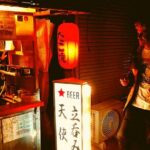
You finish at Dotonbori, which is the Osaka district most people recognize instantly—bright signs, louder crowds, and street-level food culture. Your time here is about 1 hour 10 minutes, and the guide walks you through the area while sharing its background.
What I like about the way this ending is built: you don’t just face the biggest neon wall and call it a day. You also detour through back alleys to introduce you to Ura-Namba, plus you’ll even be shown a temple during the walk.
That’s where the value kicks in. Dotonbori can feel like one big blur if you’re walking solo. With a guide, you learn how to spot the details—older lanes, smaller sacred corners, and the way Osaka’s identity changes block by block.
Your tour ends at Dotonbori near Ebisu Bridge, which is a convenient location because it’s easy to orient yourself afterward. If you want to keep eating and wandering, you’re already in the right pocket of the city.
Value, Timing, and the Extra Transport Budget
The price is $62.05 per person for a 4-hour guided highlights route, and it includes the Osaka Castle admission. For a first-time visitor, that’s meaningful because castle tickets can eat into time and patience if you’re trying to do everything independently.
The one extra line item you should plan for is transportation: ¥430 per person for public transit. The tour uses short train rides (around 10 minutes between major areas), so that cost is realistic. If you like keeping things easy, factor it in at booking time so you don’t get surprised mid-day.
Duration is about 4 hours. That’s long enough to feel like you did something substantial, but short enough that you can still have energy left for food stops afterward. The group cap of 12 also helps protect that “not rushed” feeling.
Weather matters too. This experience requires good weather, and if conditions are poor, you’ll be offered a different date or a full refund. In at least one rainy scenario from past groups, guides were prepared with shelter and handled the moment with calm practicality—exactly what you want when plans shift.
How the Guide Changes the Experience (Even When You Think You Know the Sights)
The biggest difference between doing Osaka highlights solo versus with a guide is not the landmarks—it’s the explanations. Guides featured in recent groups, including Yuya, Tatsuya, and Aki, are praised for being patient, friendly, and able to answer questions without brushing you off.
They also seem to manage the hard part of a highlights tour: packing a lot into limited time without turning it into a sprint. That’s especially important here because the route includes both indoor time (the castle tower) and outdoor walking across multiple districts.
If you care about context—how Hideyoshi ties into the castle grounds, what Tsutenkaku represents, what the temple offering ritual means—this tour does a good job translating “where you are” into “why it matters.”
And if you’re not super history-focused, the guide’s energy still helps you move with purpose. You spend less time guessing and more time enjoying.
Who This Tour Fits Best
I think this one is ideal if:
- You’re on a first trip to Osaka and want a fast orientation.
- You only have half a day and still want the city’s main identities: castle, temple, alleys, and Dotonbori.
- You prefer small-group walking tours over big bus-style sightseeing.
- You want someone to handle the connections so you can focus on the sights and the photos.
It may be less ideal if you have limited mobility. The tour expects moderate physical fitness, and while the train rides reduce walking time, you’ll still be walking enough to notice it after a while.
Should You Book This Guided Highlights Walk?
Yes, I’d book it if you want a smooth, well-paced Osaka sampler with clear value. The inclusion of Osaka Castle admission, the small group size, and the mix of major sights plus street-level atmosphere make it a smart use of time—especially if you’re trying to avoid juggling tickets and map logistics alone.
I would think twice only if you hate walking or you’re counting every yen for transportation, since the ¥430 public transport cost is on you. Also, if the weather is questionable, keep your plans flexible because good weather is required.
FAQ
FAQ
How long is the Osaka highlights guided walking tour?
The tour lasts about 4 hours.
What is included in the price?
A local tour guide and the admission fee to Osaka Castle are included.
What additional costs should I expect?
Public transportation is not included and costs ¥430 per person.
Where does the tour start and end?
It starts at 7-Eleven Osaka Tanimachi 3-chome (address provided by the tour) and ends in Dotonbori near Ebisu Bridge.
How big is the group?
The tour has a maximum group size of 12 travelers.
Do I need tickets in advance?
You’ll receive a mobile ticket, and Osaka Castle admission is handled as part of the included items.
What happens if the weather is poor?
This experience requires good weather. If it’s canceled due to poor weather, you’ll be offered a different date or a full refund.