REVIEW · OSAKA
Okonomiyaki or Ramen&Gyoza Class with Local Shop Tour
Book on GetYourGuide →Operated by Osaka Cooking Base · Bookable on GetYourGuide
Osaka comfort food starts with a shrine stop. This class pairs a local shop walk with a hands-on cook session, so you understand what you’re buying and why it matters. Two things I like right away are the English-speaking guidance step-by-step in the kitchen and the chance to get product know-how that actually transfers to your home cooking. One thing to consider: the activity is only about 2.5 hours, so it’s intense learning, not a slow meal where you hang out all day.
You’ll meet at Osaka Tenmangu Shrine, then follow your host through a few neighborhood shops to spot ingredients and learn their cultural meaning. Hosts like Yuki and Yumi also bring in extra context and tips beyond the skillet, including where to eat around Osaka, Kyoto, and Nara. The drawback is simple: if you’re hoping for a full-day food tour with lots of sightseeing time, this one is more focused on cooking and short stops than long wandering.
Key Points to Know Before You Go
- Start at Osaka Tenmangu Shrine: get oriented right where the tour begins, at the main gate.
- Shop tour with translation support: you’ll hear what each ingredient is for, not just what it costs.
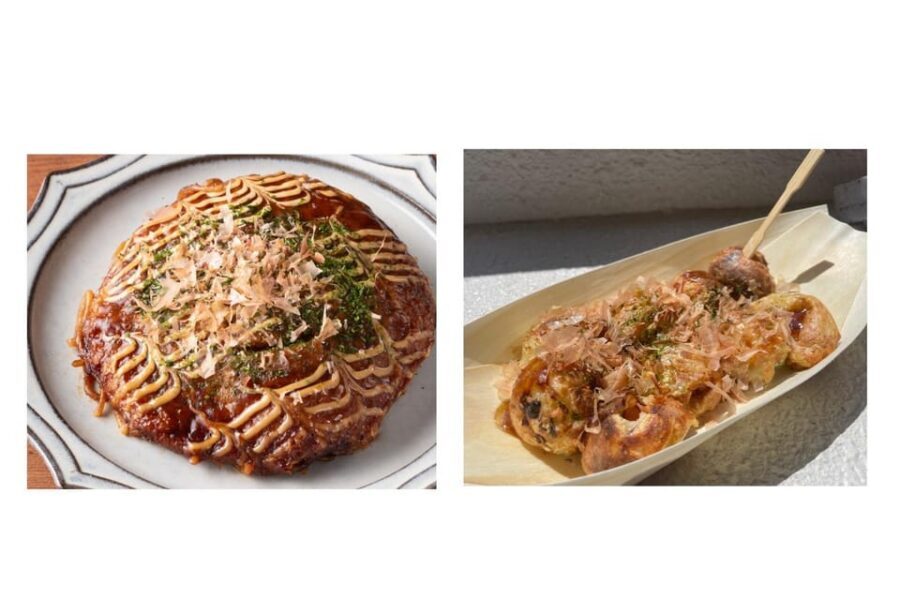
- Choose your cooking path: make okonomiyaki & yakisoba or takoyaki with clear guidance.
- Small group (up to 8 people): more chances to ask questions and talk sauce and technique.
- Recipe confidence for home: the goal is dishes you can recreate, not just a one-time meal.
- Cultural exchange by design: conversation is part of the class, not an afterthought.
In This Review
- Osaka Tenmangu Shrine to Kitchen: The Real-World Flow
- Local Shops: How Ingredients Explain Osaka Cooking
- Two Cooking Tracks: Okonomiyaki & Yakisoba vs Takoyaki
- If you choose Okonomiyaki & Yakisoba
- If you choose Takoyaki
- Lively Q&A Is Part of the Lesson
- What You’ll Learn to Recreate at Home (The Part That Matters)
- Price and Value: Is $83 a Good Deal?
- Timing, Logistics, and What You Should Plan For
- Who This Class Fits Best
- Should You Book Osaka Cooking Base’s Okonomiyaki or Takoyaki Class?
- FAQ
- FAQ
- Where do we meet for the tour?
- What can I cook during this class?
- Is the class taught in English?
- How long is the experience?
- How many people are in the group?
- What is included in the price?
- Do I need to book in advance?
- Can I cancel for a refund?
Osaka Tenmangu Shrine to Kitchen: The Real-World Flow
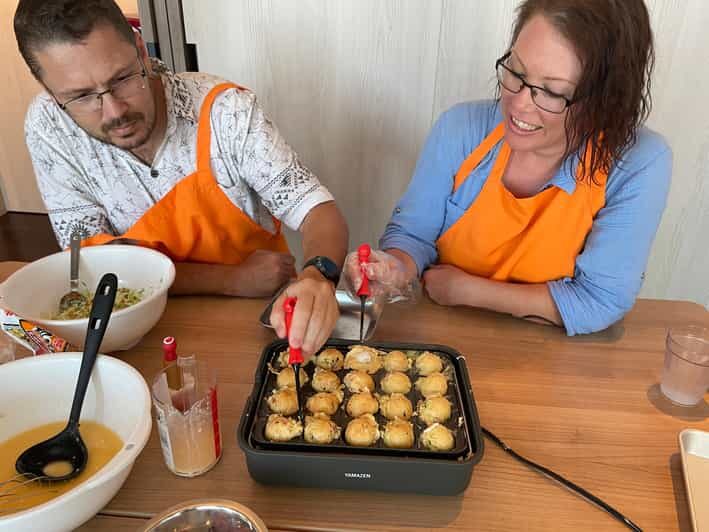
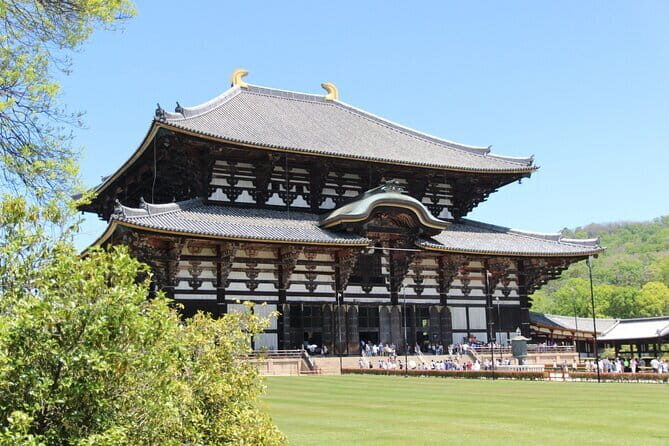
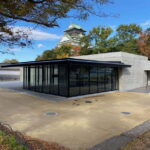
The class starts at Osaka Tenmangu Shrine. You’ll meet in front of the large main gate, not the small back gate, which matters because it’s easy to end up at the wrong entrance if you’re navigating on your own. Right from the start, you’re in a setting that feels connected to local life, not a themed studio.
From there, the schedule keeps a steady rhythm: a short walk, a few targeted shop stops, then straight into cooking. That sequence is smart. You don’t just learn a recipe in isolation—you see the ingredients first, ask questions, and then use them right away in the kitchen.
Local Shops: How Ingredients Explain Osaka Cooking
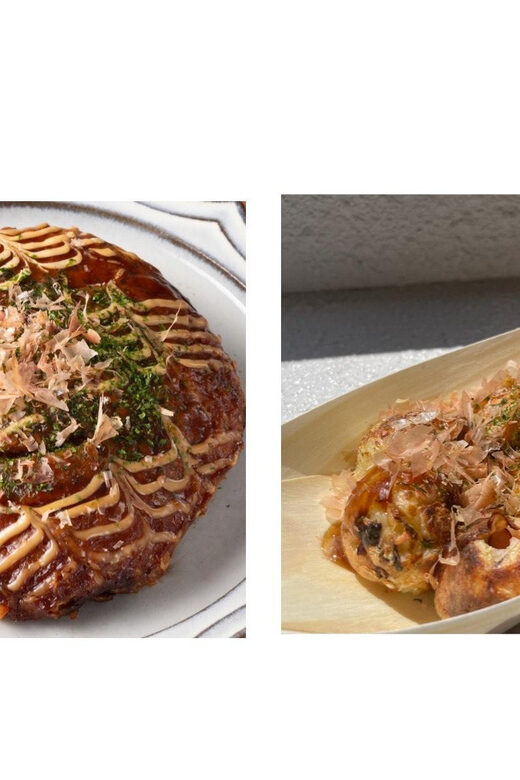
One of the best parts here is the shop component. You’ll visit a few local shops, and your host will point out unique Japanese ingredients and explain their significance. This is the part that helps you move from cooking-as-entertainment to cooking-as-skill.
In particular, the shop stops are where you’ll learn how items fit into Osaka-style dishes—things like how certain condiments and toppings change the flavor and texture. And because the tour includes translation assistance, you’re not stuck guessing what you’re looking at. You’re encouraged to understand what you’re buying and how it’s used.
I also like that the shop tour isn’t just browsing. It’s guided, purposeful, and built around what you’ll actually cook later. If you’ve ever followed a recipe at home but felt the results were off, this kind of ingredient context is what closes that gap.
You can also read our reviews of more tours and experiences in Osaka
Two Cooking Tracks: Okonomiyaki & Yakisoba vs Takoyaki
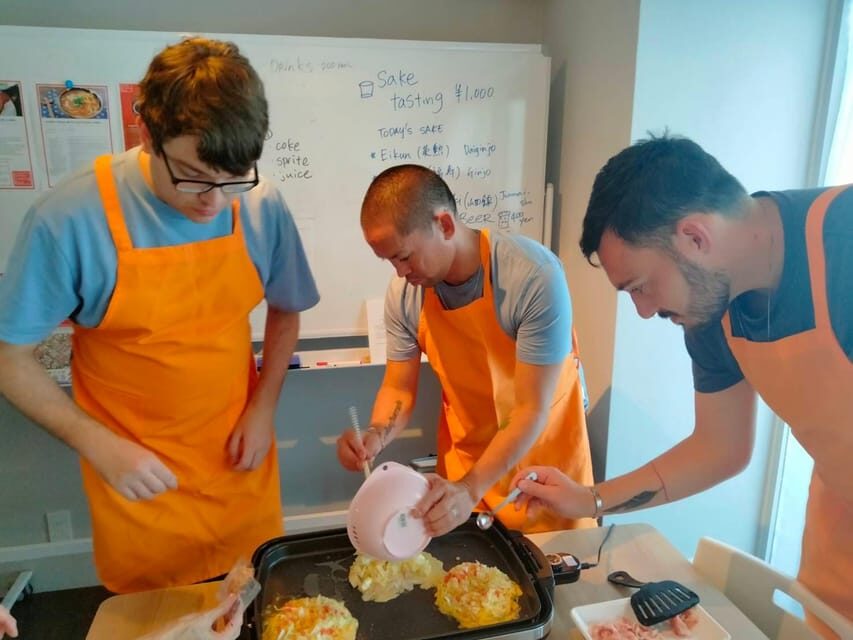
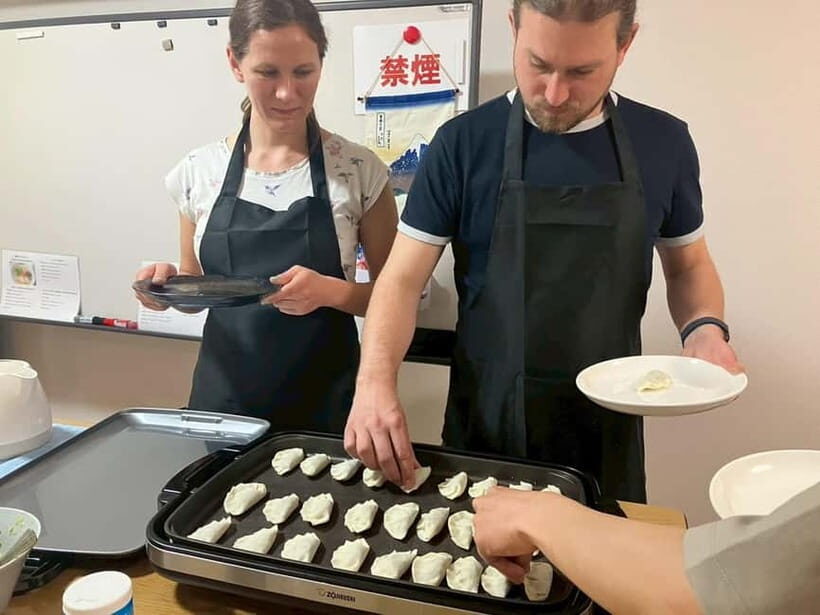
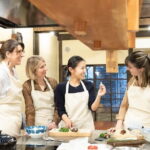
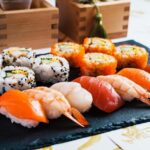
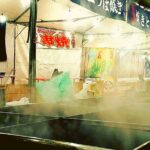
After the shopping, you’ll head to the kitchen where the main event happens. The class gives you two options:
- A: Okonomiyaki & Yakisoba
- B: Takoyaki
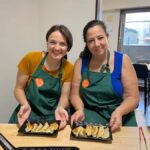
Both are classic Japanese comfort food, but they teach different techniques, and that’s why this structure works. If you love savory street-food flavors, okonomiyaki scratches that griddle-cooking itch. If you’re the type who likes bite-sized, crisp-on-the-outside results, takoyaki is a great fit.
If you choose Okonomiyaki & Yakisoba
You’ll learn how to build and cook okonomiyaki step by step, then pair it with yakisoba. The value here is technique plus timing. These dishes rely on heat control and assembly, so having instruction while you’re cooking matters far more than just having a recipe list.
If you choose Takoyaki
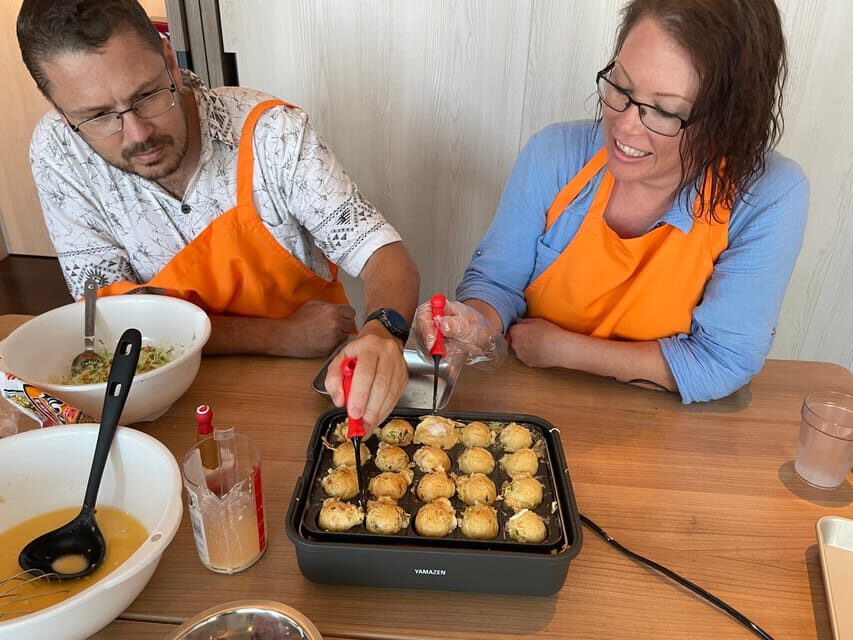
Takoyaki is all about getting that signature shape and texture as the batter cooks in the mold. The guidance is meant to prevent the most common home-cooking frustrations, like uneven doneness or missing the crisp exterior you want.
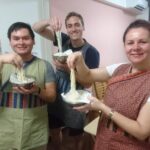
No matter which track you pick, the host doesn’t just tell you what to do. You get careful explanation at each stage, which is what turns this from watching food happen into learning how to reproduce it later.
Lively Q&A Is Part of the Lesson
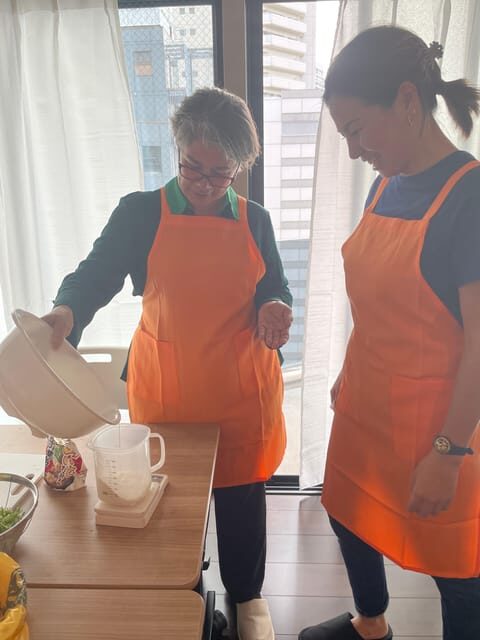
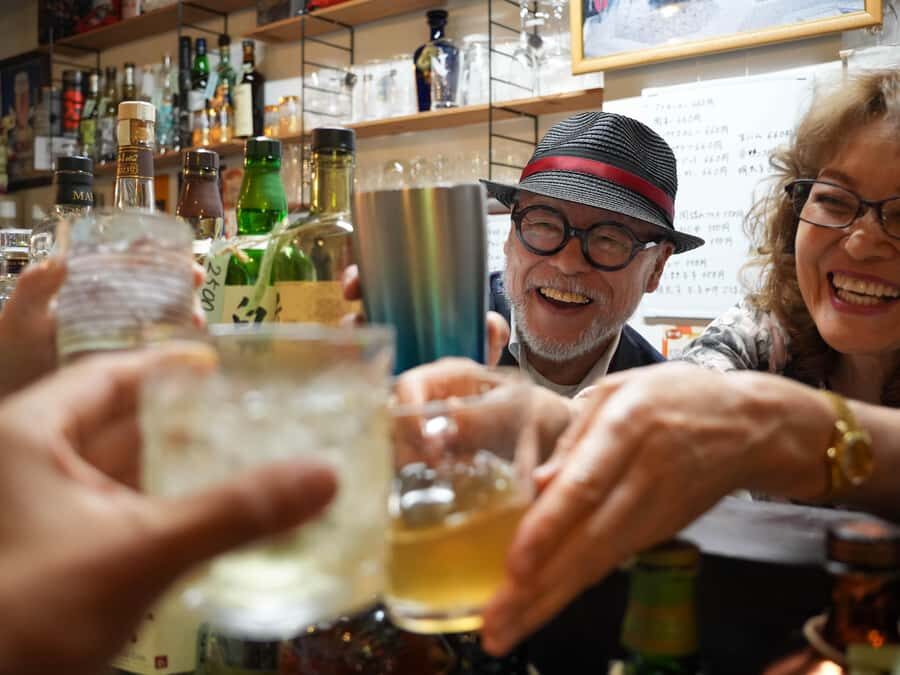
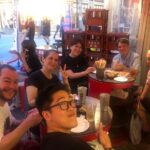
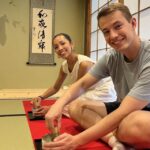
This isn’t a silent cooking class. Throughout the cooking process, you’ll talk with your host and can ask questions about Japan and Japanese life, not only food. In small-group settings, that difference is huge. It makes the class feel like a real conversation with someone who understands your curiosity.
Several guides have been described as extra welcoming and professional, with lots of Q&A. Names that come up in recent experiences include Yuki, Yumi, and hosts such as Rie and Tomo. The consistent thread is that they share culture nuances and practical cooking tips, then connect them back to the dishes you’re making.
If you’re traveling with kids, seniors, or a mixed-age group, the format is also designed to work across ages. The instruction style is built to keep everyone involved, not just the most confident cooks.


What You’ll Learn to Recreate at Home (The Part That Matters)
The biggest promise here is simple: the class is designed so you can make the dishes again at home. That’s worth taking seriously because many cooking classes end with you eating a great meal, then forgetting the technique.
Here, the teaching approach is meant to stick. You get step-by-step coaching through key stages, and your host explains traditions behind the dishes so you understand the why, not only the how. That makes it easier to substitute ingredients later when you’re shopping in your own country.
A few practical takeaways that stand out from people who’ve done it:
- You learn how to handle sauces and toppings so the final flavor matches what you expect.
- You get confidence around process, which is what makes home cooking less stressful.
- You learn where to find or how to think about ingredients, which helps you avoid flavor shortcuts.
Also, the small-group size (limited to 8 participants) tends to make instruction more personal. With fewer people, there’s more time for clarifying questions and for the host to correct small technique issues as you go.
Price and Value: Is $83 a Good Deal?
At $83 per person, you’re paying for more than a meal. You’re paying for a guided local shop walk plus a structured cooking session with English instruction, translation support during the market portion, and food included (what you cook, not just a tasting).
For me, the value comes from that pairing:
- You learn what ingredients mean before touching the stove.
- You cook immediately, with guidance through each step.
- You leave with a repeatable skill set for home recreation.
If your travel style is mostly “see a lot quickly,” you might feel the cost is too high for a short session. But if you like experiences that leave you with a usable takeaway, this is priced like that kind of experience for a reason. The difference is you’re not just consuming Osaka—you’re learning how to reproduce it.
Timing, Logistics, and What You Should Plan For
This is listed as a 1-day activity, with the hands-on class described as a 2.5-hour session. That’s a helpful fit when you want something meaningful without losing an entire day to commuting and long sightseeing blocks.
Because the meeting point is specific (front of the large main gate of Osaka Tenmangu Shrine), it’s smart to arrive a bit early and confirm your landmark. If you show up at the wrong gate, you may lose time before the group gathers.
Also note the language setup: English instruction is provided, and translation support is part of the shop exploration. That’s a big quality-of-life factor if your Japanese is limited but you still want to understand what you’re seeing.
Who This Class Fits Best
This is a great choice if you:
- want hands-on cooking, not a passive demonstration
- care about learning ingredients and not just following a recipe
- enjoy conversation and cultural exchange as part of your travel day
- want a small-group experience where questions are welcomed
It’s especially ideal for couples or small groups who want the host’s attention. Some experiences have included very small groups, which naturally leads to more dialogue and more time to focus on specific sauce and technique questions.
If you’re a hardcore ramen fanatic hoping for a full ramen-making tour or a deep gyoza-only workshop, you might find your expectations need adjusting, because the cooking options provided here focus on okonomiyaki/yakisoba or takoyaki.
Should You Book Osaka Cooking Base’s Okonomiyaki or Takoyaki Class?
I’d book it if you want a practical Osaka experience you can carry home. The combination of shop-to-kitchen structure, English guidance, and clear step-by-step cooking is exactly how you turn a meal into a skill. At $83, the value holds up best for people who care about technique, ingredients, and repeatable results.
I’d hesitate if you want a long sightseeing day or a very open-ended food crawl. This tour is designed to be focused: good conversations, a few ingredient stops, then serious cooking time.
FAQ
FAQ
Where do we meet for the tour?
You meet in front of the large main gate of Osaka Tenmangu Shrine. Be careful not to go to the small back gate.
What can I cook during this class?
You’ll cook either okonomiyaki & yakisoba or takoyaki, depending on the option you choose.
Is the class taught in English?
Yes. The instructor is English-speaking, and translation assistance is provided during the shop portion.
How long is the experience?
The cooking session is described as 2.5 hours.
How many people are in the group?
The class is limited to a small group of up to 8 participants.
What is included in the price?
The price includes a local tour (a few shops) and the food you cook (okonomiyaki & yakisoba or takoyaki).
Do I need to book in advance?
Yes. You are asked to make your reservation at least 24 hours in advance.
Can I cancel for a refund?
Free cancellation is available up to 24 hours in advance for a full refund.
—
If you tell me which option you prefer (okonomiyaki & yakisoba or takoyaki) and what days you’re in Osaka, I can suggest a smart pairing for the rest of your food day around that Tenmangu-area vibe.