REVIEW · OSAKA
From Osaka: Nara, Kiyomizu-dera & Fushimi Inari Trip
Book on GetYourGuide →Operated by AMIGO TOURS JAPAN GK · Bookable on GetYourGuide
Three temples, one long day. I like this trip because it packages Nara Park deer time, UNESCO Kiyomizu-dera views, and Fushimi Inari’s torii trails into one smooth route from Osaka. The day moves fast, but you still get meaningful stops like Otowa Waterfall and a stroll through Kyoto’s older streets.
Two things I especially like: you get hands-on time with the free-roaming deer in Nara Park, and you visit Kiyomizu-dera with access that lets you focus on the big sights like the wooden stage and Otowa Waterfall. One drawback to plan for: the schedule order can shift with traffic or weather, so the time split between Nara and Kyoto may feel uneven on some days.
You’ll be traveling with a bilingual English/Spanish guide from AMIGO TOURS JAPAN GK, meeting near Osaka Mode Gakuen. Just be ready for long walking legs and bus time, plus the usual reality that schedules can move around even when the tour aims to finish everything.
In This Review
- Key highlights that make this day trip worth it
- Meeting in Osaka and the bus reality check
- Nara Park: deer time, first impressions, and what to watch for
- Kiyomizu-dera: UNESCO views plus Otowa Waterfall rituals
- Sannenzaka and Kyoto’s old-street feel without the planning stress
- Fushimi Inari Taisha: torii gates and the walk up Mount Inari
- Price and value: why $49 can make sense (and where it doesn’t)
- What to bring so your day stays comfortable
- Timing issues: what flexible schedules mean for your priorities
- Who this Nara–Kyoto–Fushimi Inari trip is best for
- Should you book this tour?
- FAQ
- What is included in the tour price?
- Are meals included?
- Do I get picked up at my hotel?
- Where do we meet the guide?
- What time should I arrive before departure?
- What should I bring for the day?
- Is the tour accessible for wheelchair users?
- How late can I cancel for a full refund?
Key highlights that make this day trip worth it
- Bilingual guide support (English/Spanish) for clearer explanations at every stop
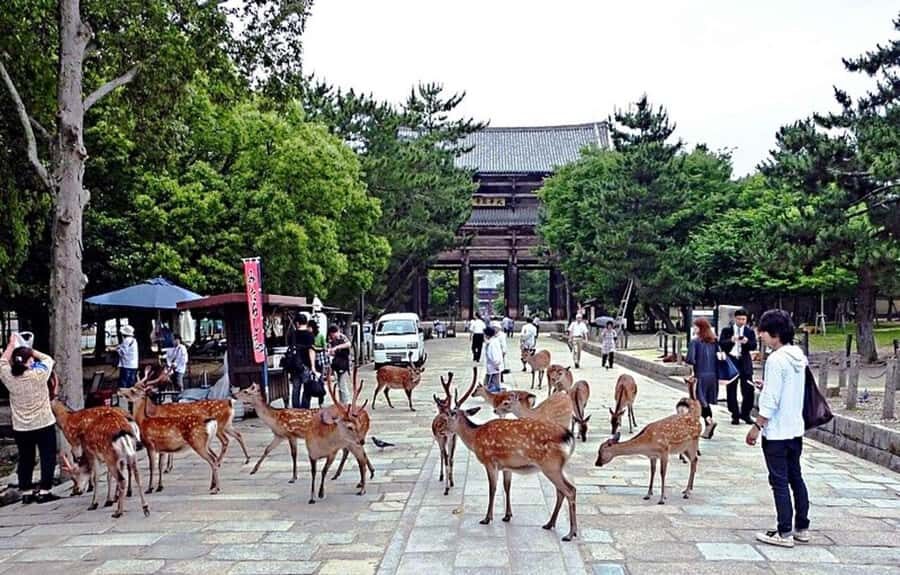
- Nara Park’s free-roaming deer that you’ll see up close as you walk the park
- Kiyomizu-dera access tied to the main sights, including Otowa Waterfall
- Sannenzaka street wandering through preserved, traditional-feeling lanes
- Fushimi Inari Taisha torii walk along the famous red gates up Mount Inari
- Long bus rides with flexible timing when traffic or weather changes the route order
Meeting in Osaka and the bus reality check
This trip starts in Osaka, with the meeting point at the corner of the building Osaka Mode Gakuen. Your guide will be holding a sign for Amigo Tours, and the most practical move is to arrive at least 10 minutes early so check-in doesn’t turn into a mini sprint.
From there, you’re on the bus for long stretches. The tour explicitly warns that distances are long and you’ll spend some time riding. That matters because this isn’t a “wander at your own pace” day. It’s more like a carefully timed day using transit so you can hit three major destinations without having to do the logistics yourself.
One more thing I appreciate: the order of stops and schedules may change due to traffic, weather, or local events, but the tour still aims to complete everything when possible. Translation: don’t panic if the day feels slightly rearranged; it’s usually the trade-off that makes this combo trip work from Osaka.
You can also read our reviews of more tours and experiences in Osaka.


Nara Park: deer time, first impressions, and what to watch for

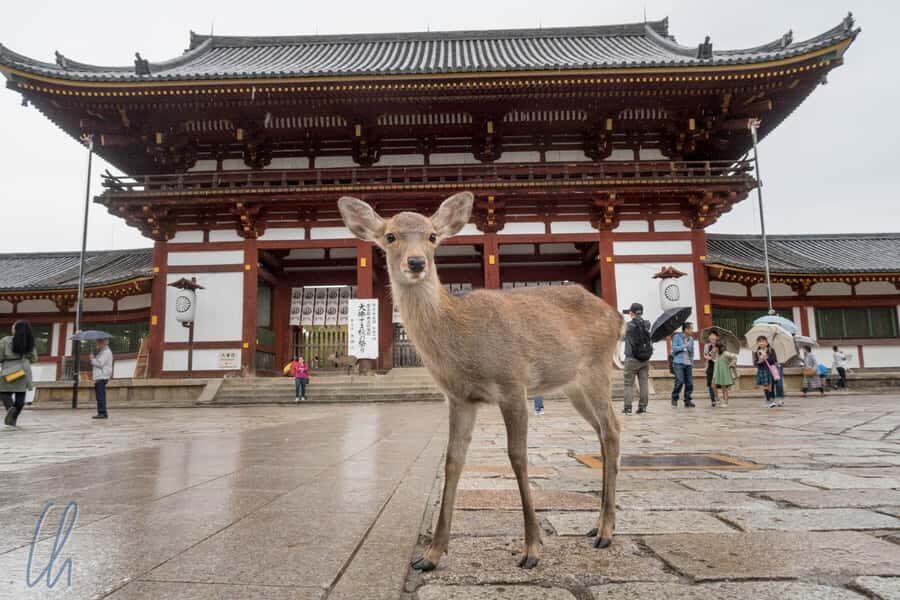
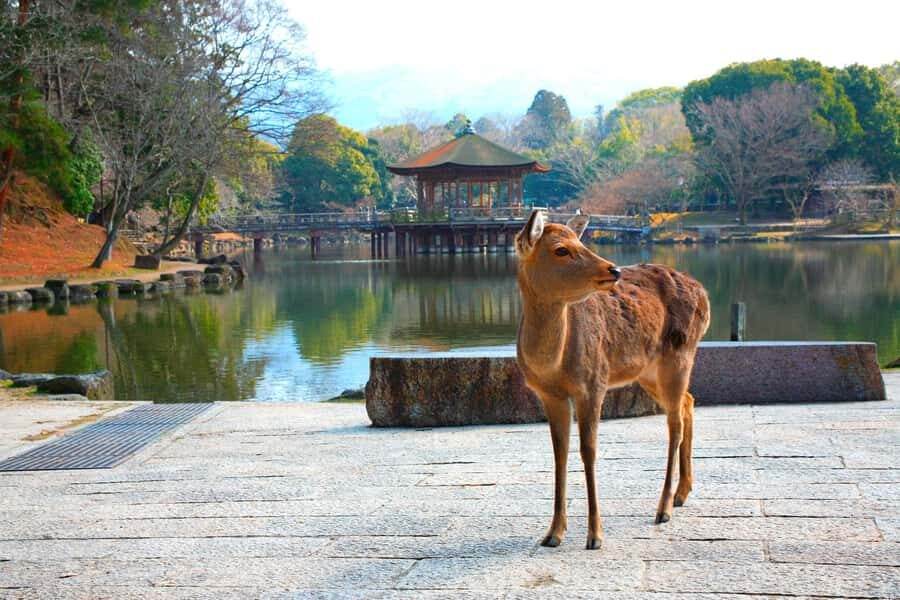
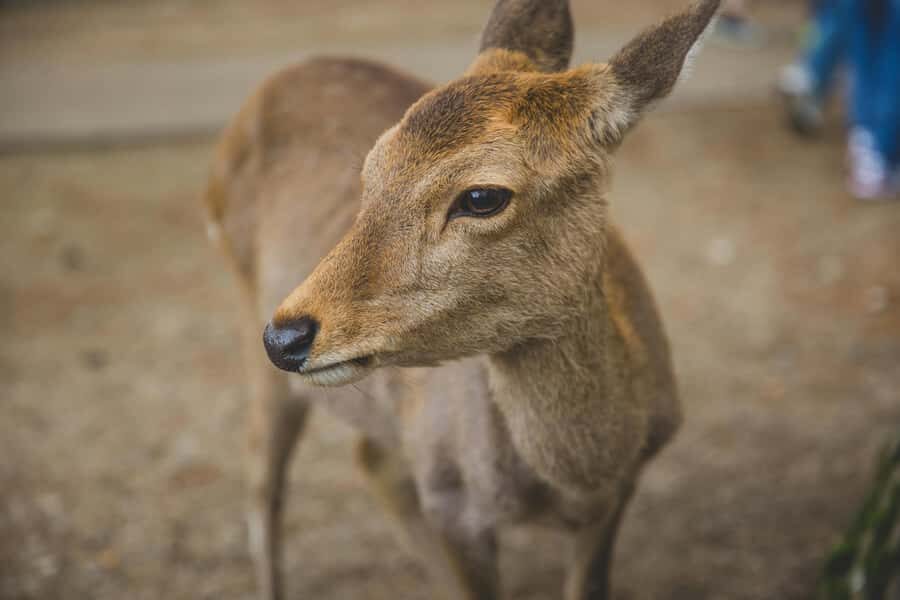
Your first major stop is Nara Park. This is the part of the day that tends to feel the most playful, because Nara Park is known for hundreds of free-roaming deer roaming around the grounds.
I love this stop because you’re not just looking at deer behind fences. You walk through the park while the deer move through it too, so the whole area feels alive in a gentle way. It’s a good breather after bus time, and it’s also one of the easiest places for first-time Japan visitors to feel comfortable quickly.
You’ll likely get time to feed and interact with the deer. The key practical point: wear comfortable shoes and stay aware of your footing. You’re walking on park paths with animals nearby, so good grip matters more than it does on a city sidewalk.
A timing note that’s worth paying attention to: because schedules can shift, you might end up with less time in Nara than you hoped on some departures, even though Nara Park is often the reason people sign up. If Nara is your top priority, I’d mentally plan for the possibility that your deer encounter window could feel shorter than expected, then treat that time as your “go mode” block—camera ready, focus on the deer and the park atmosphere, then move on when the group signals.
Kiyomizu-dera: UNESCO views plus Otowa Waterfall rituals
Next up is Kyoto, and specifically Kiyomizu-dera, a UNESCO World Heritage site. This is the stop that turns a “day trip” into something you remember. The temple complex is famous for a wooden stage, and you’ll get time to admire the impressive architecture and take in sweeping views of Kyoto from there.
I like Kiyomizu-dera for a simple reason: it’s both visual and experiential. You’re not only seeing a historic building; you’re standing in the place people came to look out over the city. That stage view is part of why the temple is so photographed, but the real value is how it changes your sense of space—Kyoto feels big even from inside this sacred viewpoint.
Then there’s Otowa Waterfall. This is where the trip gets extra cultural. Otowa Waterfall is famed for its sacred waters believed to grant wishes. Even if you don’t know the details of the practice, you can feel the importance of the spot because it’s treated as more than a scenic waterfall. It’s a ritual point, and you’ll see people approach it with intention.
One practical consideration: some days run a bit “heavy” here, because traffic and scheduling changes can rearrange the order and timing. On at least some departures, the Kiyomizu-dera window has been longer than expected—think around 2.5 hours—while Nara gets closer to about 1.5 hours. That doesn’t ruin the day, but it can mean you’ll have less time to enjoy Nara at an unhurried pace. If you’re the type who wants a balanced taste of both cities, be flexible.
And since this tour includes access to Kiyomizu-dera, you’re not left guessing how you’ll get into the main area. You can focus on walking the route inside the complex and spending your energy on the biggest moments: stage views and Otowa Waterfall.
Sannenzaka and Kyoto’s old-street feel without the planning stress
After Kiyomizu-dera, the schedule shifts toward Kyoto’s surrounding older streets, including time to walk Sannenzaka. This is one of those parts of Kyoto where the appeal is in the small scale. Narrow, cobbled-looking lanes and traditional wooden buildings give you that classic sense of stepping into the past.
What I like here is that it’s a break from the landmark checklist. Instead of only hitting major sights, you get street time—shops and tea houses that help you understand why Kyoto is more than temples. The best part is the slower vibe: you can wander, take photos, and just absorb the preserved architectural feel.
Also, it’s a good moment to reset after Kiyomizu-dera’s concentrated walking. If your legs are feeling it, think of Sannenzaka as your “walk and pause” zone. You might not need long stops. Short breaks work well when your day is packed.
A small practical tip: bring water and plan for sun. The tour suggests sunscreen and water, and it’s sensible on a long day where you’re out moving between districts.
Fushimi Inari Taisha: torii gates and the walk up Mount Inari
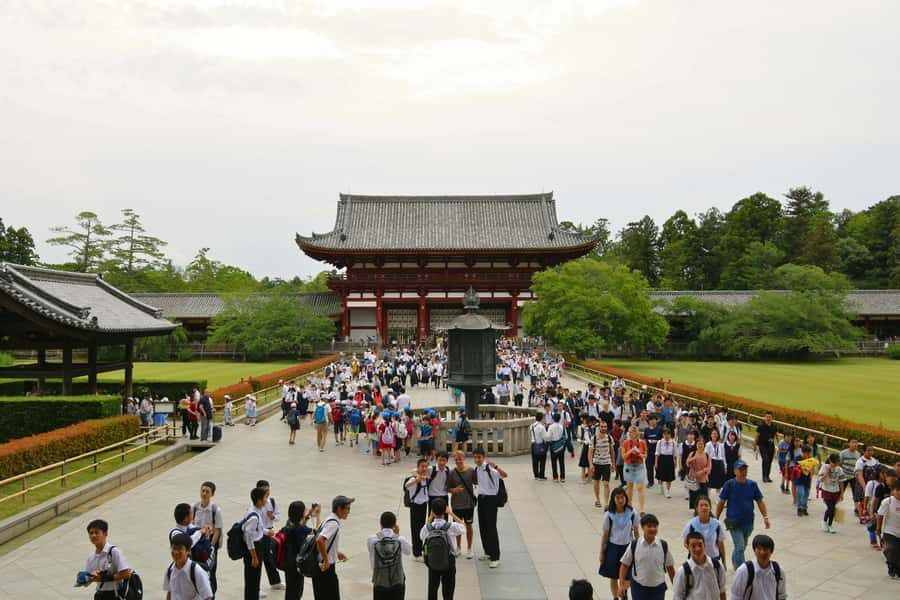
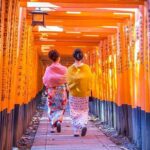
You end the day at Fushimi Inari Taisha, one of Japan’s most iconic shrine sites. The big star here is the endless pathway of red torii gates winding up Mount Inari. Even if you’ve seen photos before, the real experience is walking through rows of gates that keep going, turning a single viewpoint into a gradual climb.
I like Fushimi Inari because it’s not just “one photo spot.” You’re moving through it, step by step, and the gates create a rhythm you feel while walking. The spiritual energy is often what people talk about, but practically, it’s the physical design that makes it work: you can keep walking deeper until you decide you’ve had enough.
This is also a good place to slow down your pace and let the day settle. Earlier stops are about architecture and waterfalls. Fushimi Inari is about atmosphere and movement.
As with other stops, timing can vary. If your day gets rearranged, you might spend more or less time here. But even a shorter torii walk usually delivers that signature look people came for, because the gates stretch upward and sideways in a way that makes time feel flexible.




Price and value: why $49 can make sense (and where it doesn’t)
The listed price is $49 per person. For a day trip that strings together Nara Park, UNESCO Kiyomizu-dera (with access), and Fushimi Inari, that’s not bad at all—especially because the tour includes a bilingual guide and transportation from the meeting point.
Here’s how I think about value in plain terms:
- You’re paying for someone else to solve the route and timing between Osaka, Nara, and Kyoto.
- You’re also paying for guided explanations in English and Spanish, which helps you connect the dots at places like Kiyomizu-dera and Otowa Waterfall.
- You avoid the stress of figuring out transit connections while your legs are already tired.
The trade-offs are real too. Food and drinks are not included, and there’s no hotel pickup or drop-off. That means you’ll want to plan for purchasing meals on your own during stop time, and you’ll need to get to the meeting point area yourself.
Also, because distances are long, you’re paying for efficiency. If you hate bus time, you might feel the cost in fatigue. But if you’re the type who wants a high hit-rate day with minimal planning, this price can feel like a bargain.
One more value signal from past experiences: guides like Angeles and Alejandro have been praised for fascinating explanations—religion, architectural style, and even construction details. That kind of commentary can turn “I saw a temple” into “I understood why it looks like that.”
What to bring so your day stays comfortable
This is a walking-heavy, sun-exposed day trip, so pack like you actually plan to move. The tour recommends:
- Comfortable shoes (non-negotiable)
- Camera (you’ll want it at Kiyomizu-dera and Fushimi Inari)
- Sunscreen
- Water
I’d add a simple mindset: treat the day like a photo-and-walking route. If your shoes are even slightly off, you’ll feel it by the time you’re climbing through torii gates and uneven temple pathways.
Also, keep a basic power plan in mind. Your phone camera will drain fast when you’re stopping for photos at multiple iconic sites. That’s not “tour info,” but it’s just common sense for this exact kind of day.
Timing issues: what flexible schedules mean for your priorities
The tour sets expectations that the itinerary order and schedules may change due to traffic, weather, or local events. That doesn’t mean you lose stops, but it can affect how your time feels.
A practical example of the kind of imbalance that can happen: on some departures, Kiyomizu-dera has reportedly gotten around 2.5 hours while Nara Park got closer to 1.5 hours. Even if your day ends up close to balanced, it’s still smart to decide what you’d rather have more time on:
- If your must-see is deer and park wandering, be ready to treat that time as precious even if it feels shorter.
- If your must-see is the temple stage views and Otowa Waterfall, you’ll likely get a satisfying window at Kiyomizu-dera, even on days where the schedule shifts.
And remember: the tour notes that full completion is guaranteed whenever possible. That’s the safety net for the day’s big structure.
Who this Nara–Kyoto–Fushimi Inari trip is best for
This is a strong fit if you:
- Want an easy Osaka-based day trip without planning transit between cities
- Like big icons but also enjoy older neighborhood walking like Sannenzaka
- Appreciate guided explanations, especially at religious and architectural sites
- Are comfortable with a long day that includes bus time and standing/walking
It’s less ideal if you:
- Don’t handle long transit well
- Need step-free access. The tour states it’s not suitable for wheelchair users.
In other words, this trip is for people who can handle walking and want a full “Japan hits” day with a guide doing the heavy lifting.
Should you book this tour?
I’d book it if you want a single-day combination of Nara deer, Kiyomizu-dera stage views and Otowa Waterfall, and Fushimi Inari’s torii walk—without juggling routes and timing on your own. The price, the included transportation, and the bilingual guide make it a practical value.
I’d hesitate only if your dream day depends on getting perfectly balanced time between Nara and Kyoto. Because the schedule can shift with traffic or weather, you should be flexible on which stop gets your longest “just take it in” moment.
If that flexibility sounds like your style, this is the kind of trip that gives you real momentum. You come home with the big sights anchored in memory, and with enough guided context to make them feel more than just photo ops.
FAQ
What is included in the tour price?
The tour includes a bilingual English/Spanish guide, transportation from the meeting point, and access to Kiyomizu-dera.
Are meals included?
No. Food and drinks are not included.
Do I get picked up at my hotel?
No. Hotel pickup and drop-off are not included. You start and end at the meeting point.
Where do we meet the guide?
Meet at the corner of the building Osaka Mode Gakuen. The guide will be waiting with a sign of Amigo Tours.
What time should I arrive before departure?
Please arrive at least 10 minutes before the departure time for check-in.
What should I bring for the day?
Bring comfortable shoes, a camera, sunscreen, and water.
Is the tour accessible for wheelchair users?
No. The tour is not suitable for wheelchair users.
How late can I cancel for a full refund?
You can cancel up to 24 hours in advance for a full refund.