REVIEW · OSAKA
Osaka; Japanese Tea ceremony experience, Macha and Sencha
Book on GetYourGuide →Operated by Do co., Ltd · Bookable on GetYourGuide
Tea rituals in Osaka can feel like magic. This matcha and sencha experience pairs a traditional tatami-room ceremony with hands-on instruction from an English-speaking tea master, so you’re not just watching—you’re learning how to do it. The other big draw for me is the switch from ceremonial matcha to everyday sencha, with context on what makes each one special.
I especially like that you’ll get guided step-by-step etiquette while you make your own tea, then you’ll taste the sweets right alongside each pour. And the teaching style matters: in past sessions with the tea master Yuko, people noted how friendly she was and how clearly she explained the history and spirit of the ceremony.
One consideration: if you have food allergies, this experience isn’t a good fit because you’re expected to eat the provided Japanese sweets. The experience also isn’t suitable for wheelchair users, so check your needs before booking.
In This Review
- Key highlights worth your attention
- Finding the experience near Osaka’s Midosuji Line (Exit 3)
- Welcome in a tatami room and the rules that keep it respectful
- Matcha preparation: watch first, then learn by doing
- The etiquette lesson: small motions, big meaning
- Sweet pairings with matcha: taste what the ceremony frames
- Sencha tea tasting: the everyday side of Japanese tea culture
- Optional yukata and a photo: fun, but only if it fits your style
- Price and value: what $25 buys in one hour
- Who this Osaka matcha and sencha ceremony is best for
- Final verdict: should you book this tea ceremony?
- FAQ
- How long is the Osaka tea ceremony experience?
- What teas and sweets are included?
- Is the yukata included?
- What languages are the instructors?
- Where do I meet for the tour?
- Is it okay if I have food allergies?
Key highlights worth your attention
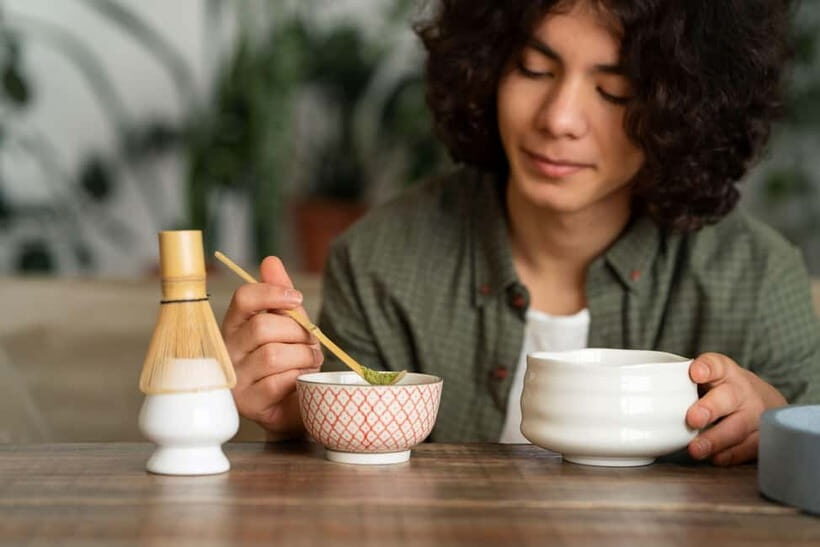
- A real tatami-room tea setup, not a lecture hall version
- Hands-on matcha etiquette, from watching to making tea yourself
- Two tea styles in one hour: ceremonial matcha, then modern-day sencha
- Tea master instruction in English (and Japanese), with history and spirit explained
- Sweets pairing included for both matcha and sencha stages
- Optional yukata plus photo, for a memorable souvenir
Finding the experience near Osaka’s Midosuji Line (Exit 3)
This is a one-hour experience, and you’ll meet at a clear transit access point: the Underground Midosuji Line, Exit 3, ground floor. That’s helpful because Osaka can be confusing when you’re walking with time pressure, and tea experiences move at a steady pace.
Plan to arrive a few minutes early so you can check in calmly and get settled. The ceremony itself happens in a traditional tatami room, so you’ll want to be ready to slow down the moment you walk in.
You can also read our reviews of more tours and experiences in Osaka.



Welcome in a tatami room and the rules that keep it respectful
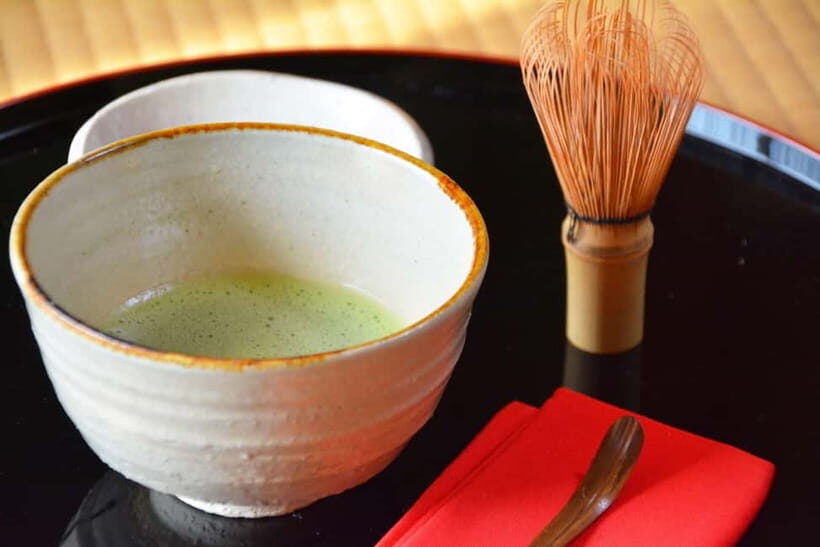
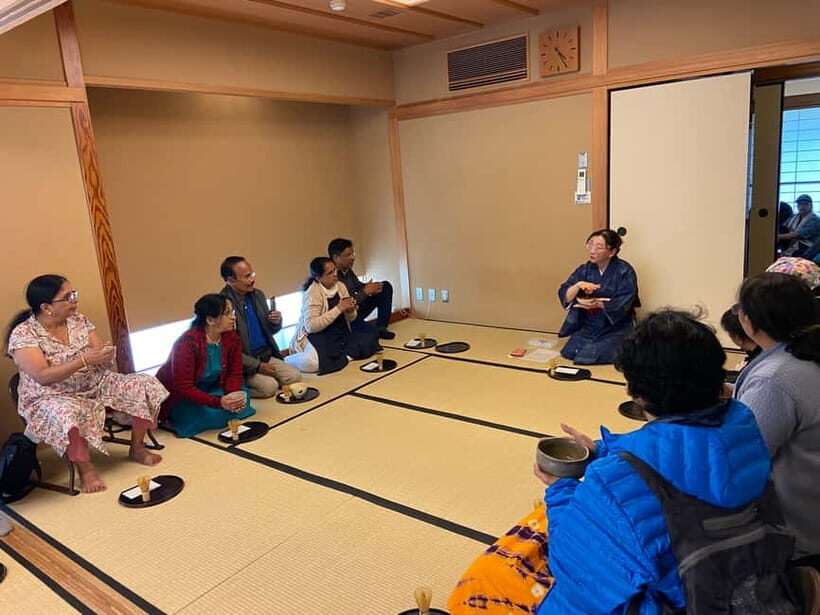
You’re welcomed by an English-speaking tea master and brought into the traditional setting. Right away, you’ll feel the difference between a typical tasting and a true tea ceremony: there’s an order to how people sit, handle utensils, and receive the tea.
The session also has clear behavior rules (no smoking, no intoxication, and no making noise). Chewing gum is also not allowed. These details may sound strict, but they’re actually part of why the whole experience feels calm and focused once it starts.
Matcha preparation: watch first, then learn by doing
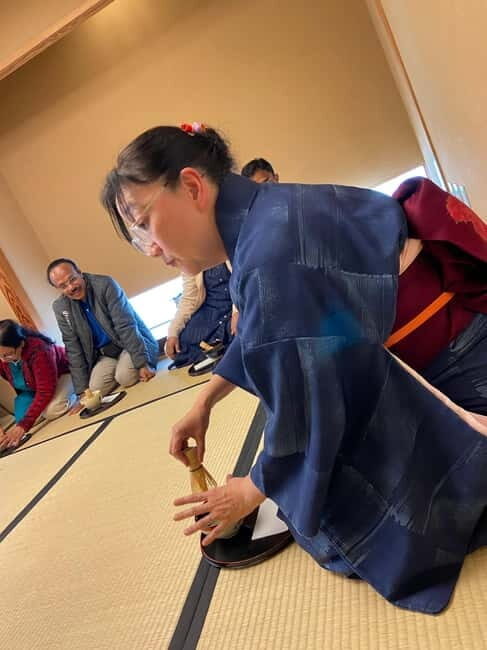
The first major segment is matcha. You’ll watch the tea master prepare matcha in the traditional way, so you can see the rhythm—how the utensils are used, how attention is paid to each step, and how the tea is presented.
Then you shift from observer to participant. You’ll learn how to make tea yourself following the etiquette of the tea ceremony. This is where the value really shows: even if you’ve never touched bamboo whisk tools before, you’ll get guided instruction while you practice.
What I like about this approach is that it lowers the intimidation factor. You’re not expected to know the ceremony to enjoy it. You’re expected to learn it as you go.
The etiquette lesson: small motions, big meaning
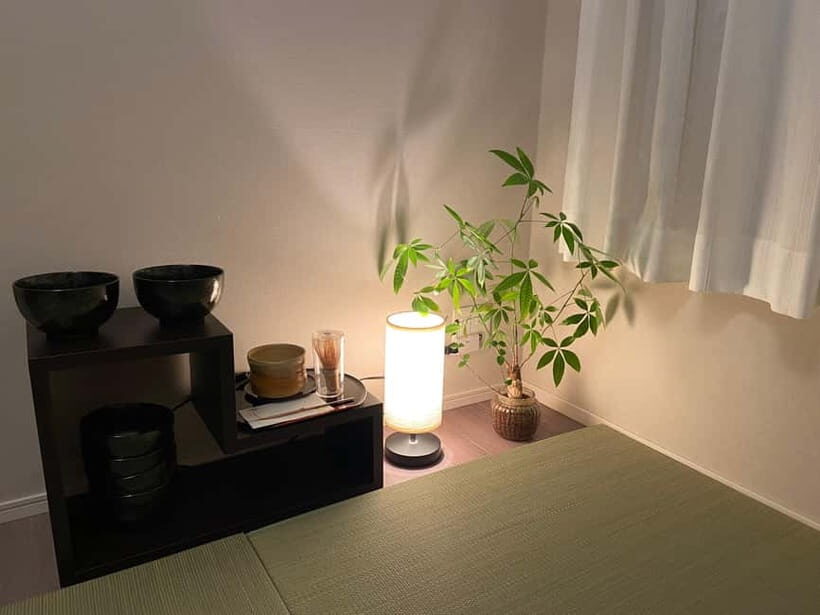
Tea ceremony etiquette isn’t about rules for the sake of rules. It’s about respect—toward the tools, toward the tea master, and toward the people sharing the moment.
In practical terms, you’ll learn how to handle the process in a way that feels deliberate rather than rushed. You also hear about the history and spiritual role of the ceremony during the making stage, so your actions connect to the story.
From what’s been shared about sessions with the tea master Yuko, the explanations land well for English speakers, and the tone tends to be warm and easy. That matters because tea etiquette can feel formal on paper, but it’s much more approachable once someone guides you step-by-step.
Sweet pairings with matcha: taste what the ceremony frames
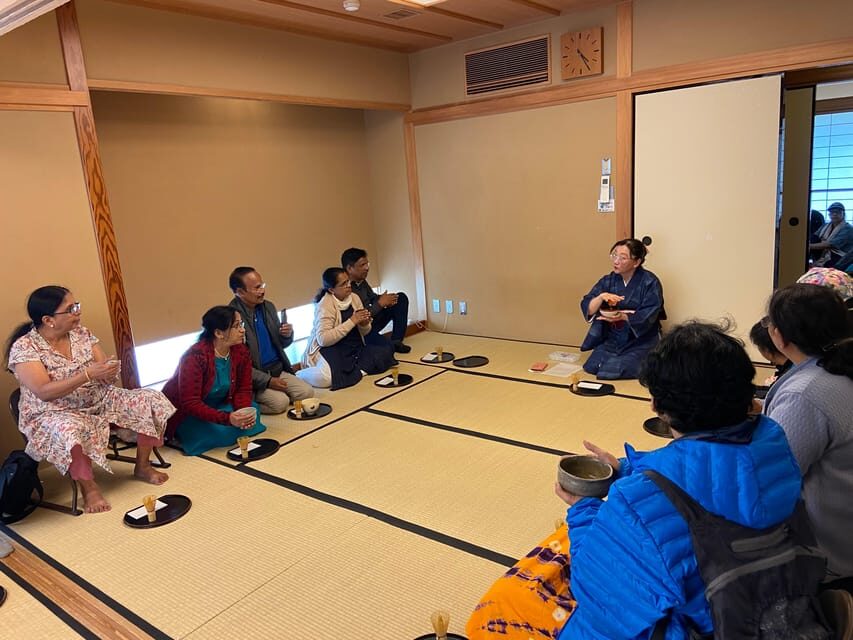
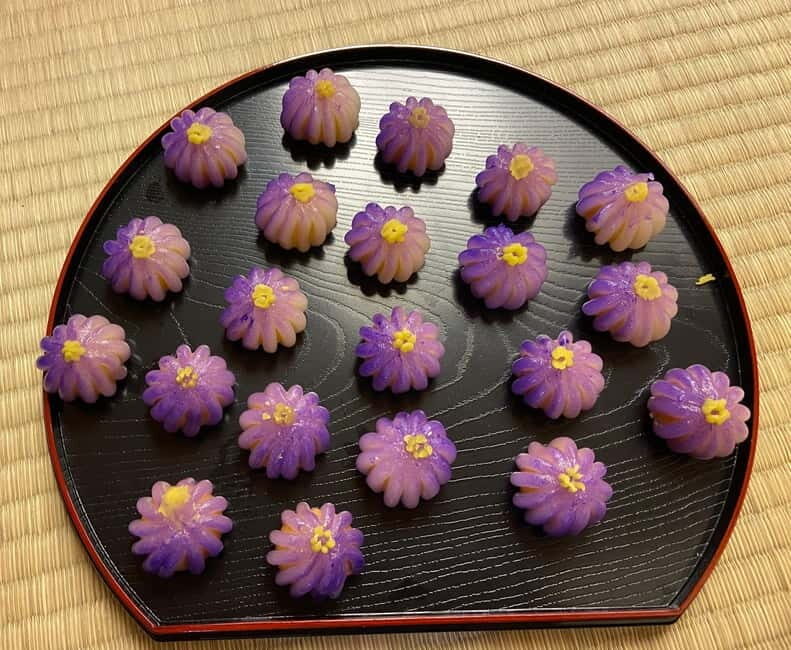
Once the matcha portion is underway and you’ve learned the process, you’ll taste traditional Japanese sweets. These sweets are not just a snack break. They’re part of how the experience balances flavor and texture so you can actually notice the tea.
Sweets can also affect how you perceive tea bitterness and aroma. That’s why the pairing matters here. If you only sip matcha without the sweet, you might miss one of the ceremony’s intended contrasts.
Important for your planning: if you have food allergies, this stage becomes a serious issue, since the session includes eating Japanese confectionery. The safest choice is to avoid booking if allergies apply to you.




Sencha tea tasting: the everyday side of Japanese tea culture
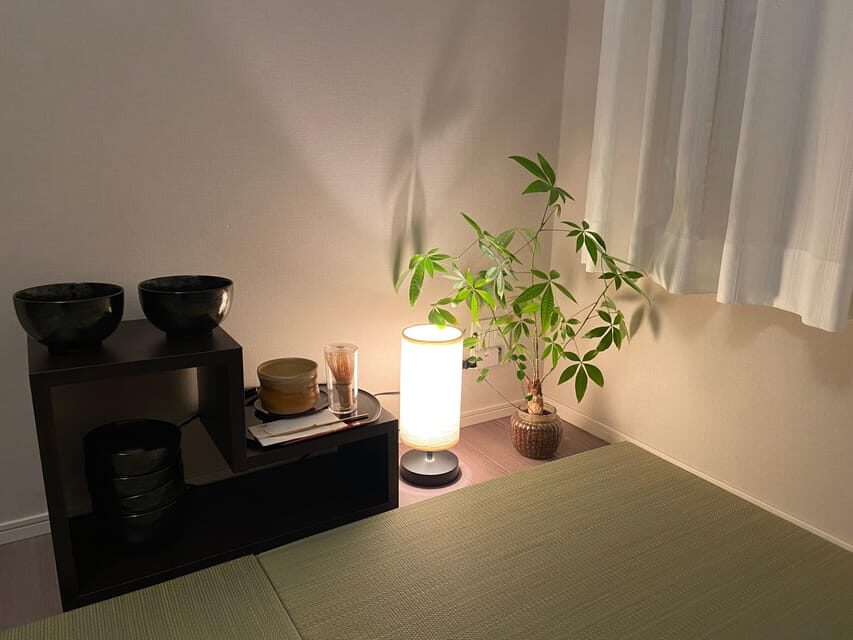
After matcha, you’ll move to sencha. You’ll taste sencha green tea along with current Japanese confectionery. This is a great “now vs. then” contrast: matcha is ceremonial, while sencha is widely drunk in Japan today.
The instructor explains the history of sencha and other aspects of how it fits into modern Japanese life. That context helps the tasting make more sense than a simple sip-and-go activity.
I like this second half because it keeps you from getting stuck in one mood. You start with the focused, traditional ceremony, then you end with something more familiar and everyday—still Japanese, but less formal in feel.
Optional yukata and a photo: fun, but only if it fits your style
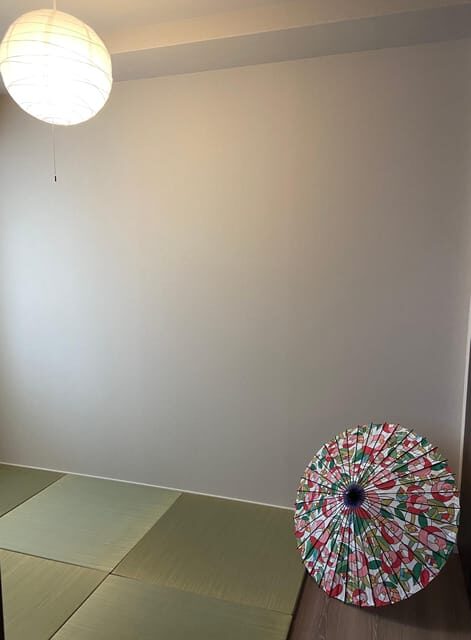
If you want, you can add an option to wear a yukata during the ceremony. You’ll also have an opportunity to have your photograph taken after the experience.
Here’s the practical take: this is a nice bonus if you want a visual memory tied to the setting. But the core value is still the tea instruction and tasting. If your goal is purely cultural learning, you don’t need the yukata add-on to have a meaningful hour.
Price and value: what $25 buys in one hour
At $25 per person for about 1 hour, this isn’t the cheapest food-and-drink option in Osaka. It is, however, one of the better “you’ll learn something real” values—because you get multiple components packed into a short time.
You’re not only tasting. You’re getting:
- Tea ceremony instructors guiding you through matcha etiquette
- Matcha tea plus traditional sweets
- Sencha tea plus current Japanese confectionery
- Explanation of history and spirit for both tea styles
If you compare it to paying separately for a basic tasting plus a cultural talk, the bundled format is where the money makes sense. One hour is also a sweet spot. You don’t have to commit to a half-day tour to get a grounded, hands-on cultural experience.
Who this Osaka matcha and sencha ceremony is best for
This is a strong fit if you want a cultural activity that’s more than a photo stop. You’ll probably enjoy it most if you like:
- Hands-on learning (not just watching)
- Clear, friendly instruction in English
- Tea and flavor pairings with sweets
It’s also a good option for visitors who want a calm indoor experience in a city that can feel hectic outside. The pace is controlled, and the tatami setting helps you settle into the moment.
On the other hand, it’s not suitable for:
- People with food allergies (because sweets are part of the experience)
- Wheelchair users (not suitable)
Final verdict: should you book this tea ceremony?
Yes, I’d book it if your priority is learning real tea etiquette and tasting both matcha and sencha with guided context. The combination of hands-on practice, two tea styles, and a teacher-led explanation is exactly what makes this kind of experience worth it.
Skip it if food allergies apply, because eating the included sweets is built into the session. Also think twice if you need wheelchair accessibility.
If you’re in Osaka for a short stay and want something genuinely Japanese that you can’t fully replicate at home, this is one of the clearest ways to get there in an hour.
FAQ
How long is the Osaka tea ceremony experience?
It lasts 1 hour.
What teas and sweets are included?
You’ll have matcha green tea with traditional Japanese sweets, then sencha green tea with current Japanese confectionery.
Is the yukata included?
A yukata is not included. You can rent it separately, and there is an option to wear it and get a photo.
What languages are the instructors?
The experience is offered in English and Japanese.
Where do I meet for the tour?
Meet at the Underground Midosuji Line, Exit 3, ground floor.
Is it okay if I have food allergies?
No. People with food allergies should not eat the Japanese sweets and confectionery, and the experience is listed as not suitable for people with food allergies.