REVIEW · OSAKA
Sumo Tournament Experience in Osaka
Book on Viator →Operated by Japan Awaits · Bookable on Viator
Sumo hits different when you understand the rules. This Osaka experience gives you English commentary while you watch the real March basho, plus reserved seats with great sightlines. My favorite parts are the guide-led traditions talk and the chance to see wrestlers entering the arena, though you should plan for some waiting before you’re seated.
You’re not just buying a ticket and hoping you figure it out. You get an audio headset, a sumo info pamphlet, and a banzuke-hyo ranking table, so the action makes sense even if sumo is new to you.
One practical consideration: the tour meets at 2:00 pm, and seating can come after all matches finish, plus you might deal with crowds around nearby areas like the Sumo Museum. Still, the setup is built for clarity and comfort during the show.
In This Review
- Key Highlights You Should Know Before You Go
- March In Osaka: The Once-a-Year Basho Timing You Need
- EDION Arena Osaka: How the 4-Hour Match Viewing Works
- Your Sumo Guide and Headset: Getting Meaning from Every Bout
- Seat Classes and Binocular Math: Where You’ll Actually Watch
- Chanko Nabe Dinner Options: What Happens If You Add Food
- Value for $142.40: What’s Included and What You Should Budget
- Who This Tour Suits Best in Osaka (and Who Might Feel Stressed)
- Should You Book the Sumo Tournament Experience in Osaka?
- FAQ
- When does the Osaka sumo tournament happen for this experience?
- How long is the Sumo Tournament Experience?
- Where is the tournament held?
- What time does the tour start?
- What seat options are available?
- Is a guide and audio included?
- Can I bring food into the arena?
Key Highlights You Should Know Before You Go
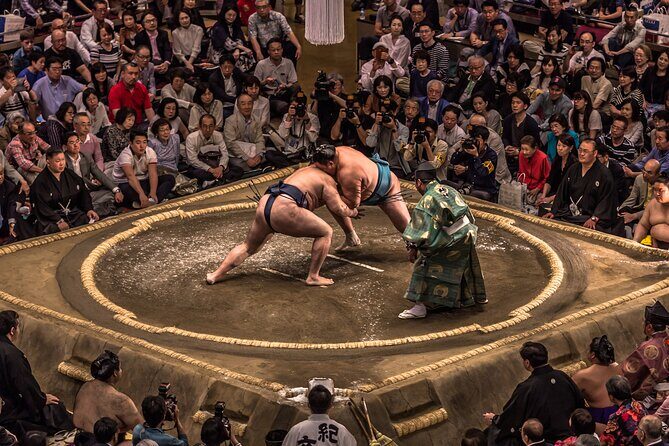
- English-speaking sumo guide: local expert explanations tied to what’s happening in the ring
- Reserved seating that matches your ticket tier: D, B/C, or front A/S sections (binoculars recommended)
- Audio headsets included: you can hear the guide clearly during key moments
- Banzuke-hyo ranking table and pamphlet: helps you follow wrestlers and matchups
- Optional chanko nabe dinner: add the meal sumo wrestlers are famous for
- March-only Osaka basho timing: this is a once-a-year chance, so booking early matters
March In Osaka: The Once-a-Year Basho Timing You Need
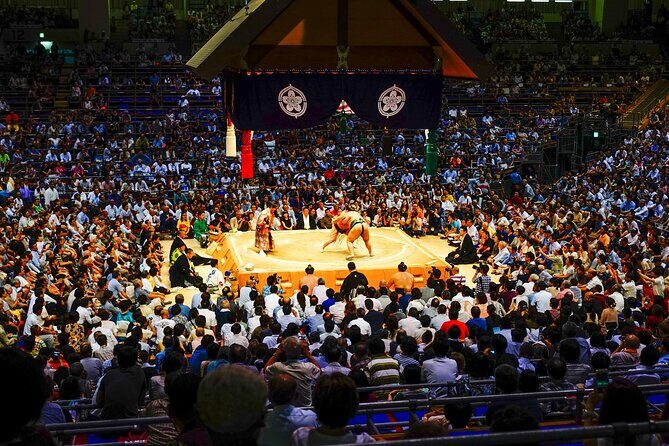
This tour is built around the official Grand Sumo Tournament in Osaka, held only once a year in March. The big basho happens six times a year across Japan, with each tournament running 15 days, and Osaka is the stop for March.
That timing matters because sumo isn’t a year-round “drop in and watch” sport. If you’re traveling to Osaka outside March, this exact experience won’t line up with the venue’s event schedule.
Also, because it’s a real tournament with real match flow, the day has natural rhythm and crowd control. You’re there for the matches, and everything else is arranged around that.
You can also read our reviews of more tours and experiences in Osaka.


EDION Arena Osaka: How the 4-Hour Match Viewing Works
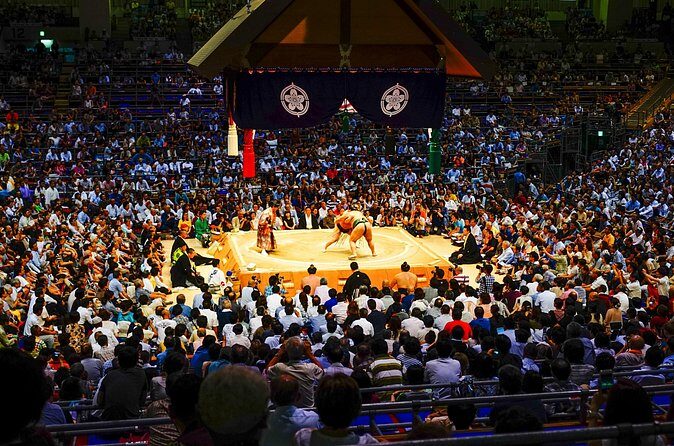
The main event takes place at EDION Arena Osaka, with the experience lasting about 4 hours. It’s designed for a small-to-medium group, up to 24 people, and the operator needs a minimum group size to run the tour.
Before you even sit down, expect a bit of waiting. The group must wait for the sumo matches to end before entering, and there can be congestion near the Sumo Museum area. In those moments, your guide may ask you to visit on your own because moving a large group through crowds gets difficult.
Once you’re inside, you’ll get the good stuff: learning about traditions and seeing the show up close. The experience includes the chance to cheer for and greet some of the famous wrestlers as they enter the stadium for their matches.
That “entrance moment” is one of those things you might miss if you’re only focused on your seat. Here, you’re guided toward the moments that feel ceremonial and loud, not just the bout itself.
Your Sumo Guide and Headset: Getting Meaning from Every Bout
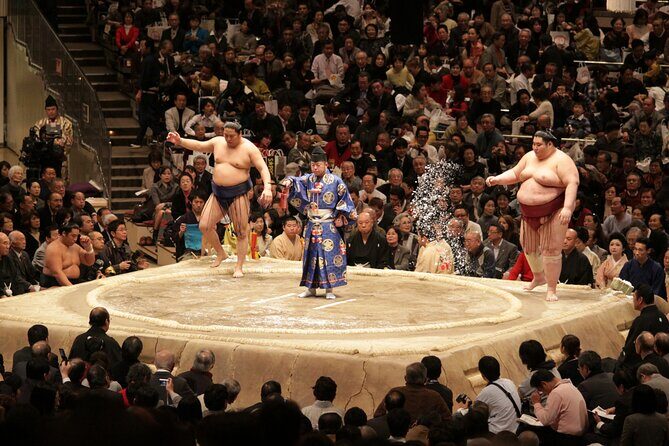
What makes this experience click is the guide pairing with the event. You’ll have an English-speaking tour guide who’s an expert in sumo wrestling, and you’ll hear explanations through an audio headset.
The guide does more than give background. You learn about the sport’s long-standing traditions and the strict rules and rituals that shape what wrestlers do. Even small details like salt purification get explained in context, so it stops feeling random and starts feeling intentional.
You also receive an information pamphlet and a banzuke-hyo, which is a table of rankings. That combination helps you understand who matters in the tournament and why certain wrestlers get attention.
One more practical win: the audio headset means you’re not stuck at the mercy of noise level in the arena. When the crowd gets loud, you can still follow what the guide is saying about the match happening right then.
If you’re lucky, you’ll have a guide who keeps things friendly and easy to follow. Names like Yuka come up in people’s memories for being easy to spot near the arena and for mixing clear information with a relaxed tone.
Seat Classes and Binocular Math: Where You’ll Actually Watch
Your ticket tier controls where you sit, and it changes the whole viewing experience.
Basic seats (D-class) are in the upper corners of the arena. You’ll have a full view, but it’s farther from the ring, so binoculars are recommended if you want detail. Standard seats (B/C-class) are chair seating with better ring visibility and good overall atmosphere.
Premium tickets (A or S-class) put you front-ish, closest to the ring. If your top goal is to feel the match instead of just watching it, this tier is the one that tends to satisfy people most.
Here’s the simple decision rule: if you like reading the finer points of movement and technique, choose higher tiers. If you mainly want the atmosphere and the ceremony, D or B/C can still work well.
Also remember: since seating is reserved in advance based on your selected option, you’re not playing the waiting-game puzzle of finding a good view once you get there.
Chanko Nabe Dinner Options: What Happens If You Add Food
You can add dinner if you want, but it’s optional. The tour notes that if you select it, you’ll eat at a local chanko hot pot restaurant to experience what sumo wrestlers eat.
Chanko nabe is a hot pot that uses chicken stock as the base, with vegetables and other ingredients. It’s tied to sumo culture because it’s practical for feeding many people, and the meal matches the heavy training workload.
If you choose dinner, the default is chanko hot pot without drinks. There are also options for sukiyaki or vegetarian versions if you request them on checkout, with timing that matters: the request needs to be made at least one week in advance.
One more consideration: traditional chanko broth is typically made with pork or chicken, and the restaurant may substitute broth for vegetarian diets. So if you have strong dietary needs, you’ll want to use the special requirements field at booking and follow the operator’s instructions.
If you’re hungry after the matches, this option is a clean way to keep the day feeling like a full sumo experience rather than just a stadium event.


Value for $142.40: What’s Included and What You Should Budget
At $142.40 per person, you’re paying for more than entry. The price includes an English-speaking guide, admission ticket, reserved seating based on your selected tier, and the tools to make sense of the show: audio headset, pamphlet, and the banzuke-hyo ranking table.
There’s also a service fee included for getting the ticket, plus group-discount pricing is available. That’s relevant if you’re traveling with friends or want to line up multiple bookings.
What’s not included is equally important for budgeting. Hotel pickup and drop-off aren’t included, and meals and drinks are not included unless you select the optional dinner. Inside the arena, outside food or drinks aren’t allowed, but vendors sell food on-site.
So your realistic day budget comes down to transit to the meeting point and whether you add dinner. If you skip dinner, plan for stadium snacks or a later meal nearby (you’ll find options in Osaka, but you’ll need to handle that part on your own).
In short: the value is strongest if you want the guide-led cultural context and the reserved-seat certainty, not just a seat in the building.
Who This Tour Suits Best in Osaka (and Who Might Feel Stressed)
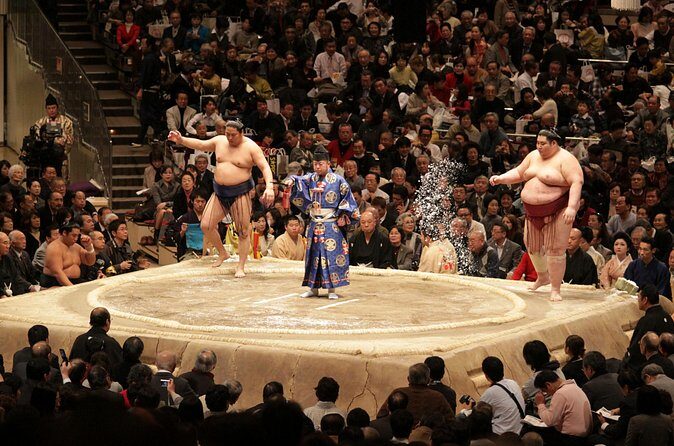
This is a great fit if you’re the type of person who likes structure and meaning. If sumo feels intimidating at first—rules, rituals, rankings—this tour gives you the map so you can follow along while the action is happening.
It also works well for first-timers who want a clear viewing plan. The reserved seating categories take guesswork out of the equation, and binocular guidance helps you choose wisely.
You might feel frustrated if you hate waiting and crowds. Because the group can’t enter until matches conclude, and because congestion can build around nearby areas, you’ll spend some time standing around. You’ll also need to arrive at least 10 minutes early because it’s a group tour and late arrivals may not be waited for.
Finally, it’s worth knowing the group minimum requirement. The tour only runs if enough people book, and if it doesn’t meet that threshold, you’ll be offered another date or a full refund.
Should You Book the Sumo Tournament Experience in Osaka?
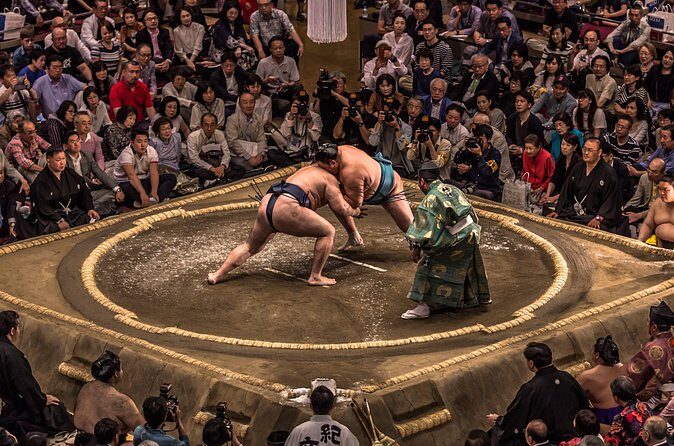
Book it if you’re traveling in March and you want more than a sports ticket. This is one of those rare activities that treats the sport as culture: guided rules, rank context, and traditions you can actually recognize while you watch.
Skip it if your priority is maximum flexibility and you dislike any waiting around. The tournament flow controls the schedule, and there’s no option for outside food in the arena—vendors are your alternative.
One last practical thought: seats matter here. If you can swing the higher tier, you’ll likely enjoy the match more because you’re closer to the action.
If you like sports with ritual, this is the kind of Osaka day that sticks with you long after the final bout.
FAQ
When does the Osaka sumo tournament happen for this experience?
The Grand Sumo Tournament in Osaka takes place only once a year in March.
How long is the Sumo Tournament Experience?
It runs for about 4 to 5 hours.
Where is the tournament held?
The experience takes place at EDION Arena Osaka.
What time does the tour start?
The start time is 2:00 pm.
What seat options are available?
You can choose Basic (D-class seats), Standard (B- or C-class seats), or Premium (A- or S-class seats). Binoculars are recommended, especially for Basic seats.
Is a guide and audio included?
Yes. The tour includes an English-speaking tour guide, a sumo information pamphlet, and an audio headset.
Can I bring food into the arena?
No. Outside food or drinks aren’t allowed in the arena, but food is available for purchase from vendors inside.