REVIEW · OSAKA
Kyoto Day Trip from Osaka Port – Private Shore Excursion
Book on Viator →Operated by City Unscripted · Bookable on Viator
Kyoto in one day sounds wild, but it works. This private shore excursion is built around public-transport navigation and a personalized plan, so you’re not stuck figuring out trains while everyone else gets the photos. You’ll spend about 8 hours with your host, moving from Osaka Port to Kyoto sights like Gion, Fushimi Inari, and Arashiyama.
I especially like two things: first, the way your host can adjust the day based on your interests, since you fill out a short questionnaire and get matched with a like-minded guide. Second, I like that return train tickets are handled (from Bentencho to Kyoto), which removes the biggest stress for a port day.
The main drawback to plan for is simple: it’s still a day of walking and train segments. If your group has mobility limits, tell your host early, and be ready for a tiring schedule even with a great guide and smart pacing.
In This Review
- Key highlights worth planning for
- Osaka Port to Kyoto Station: the real value is the rail brain
- Meeting your host: matched interests, flexible pacing, real control
- Gion lantern streets: the easy win for first-time Kyoto vibes
- Fushimi Inari: the tunnel walk and how to keep it fun
- Kyoto Imperial Palace: old architecture when your time is tight
- Fushimi sake district: what it adds beyond the shrine photo
- Nishiki Market wagashi or a tea ceremony: choose your mood
- Arashiyama bamboo grove: the one that can feel magical, if paced right
- What else your host may swap in during your day
- Price and logistics: does $313.37 per person feel fair?
- Who should book this Kyoto day trip, and who should think twice
- Should you book this Kyoto Day Trip from Osaka Port?
- FAQ
- How long is the Kyoto day trip from Osaka Port?
- Where does the tour start and where do you end?
- Is transportation included from Osaka to Kyoto?
- Is the itinerary fixed?
- What’s included in the tour price?
- Are food, drinks, and entrance tickets included?
- Can you cancel for a full refund?
- Is the tour private for my group?
Key highlights worth planning for
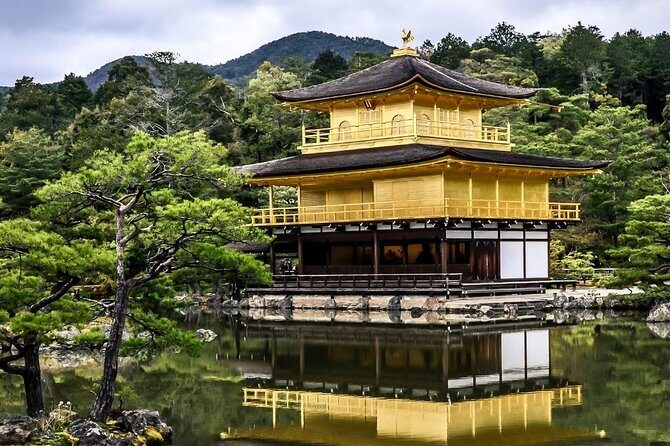
- Private, personalized itinerary based on your questionnaire and real-time decisions during the day
- Gion at lantern time, including a good chance for quiet, photo-friendly street moments
- Fushimi Inari’s flame-colored tunnel, a Kyoto must for first-timers and repeat visitors alike
- Arashiyama bamboo grove access, sometimes with options like a rickshaw ride to cut walking
- Fushimi sake district stop with a chance to sample at a historic brewery
- Nishiki Market or tea ceremony as a classic food-and-culture finish, depending on your vibe
Osaka Port to Kyoto Station: the real value is the rail brain
This trip’s biggest “why it’s worth it” is how much thinking your host does for you. Kyoto by train from Osaka isn’t hard once you understand it, but doing it with ship timing, crowds, and limited day length can turn into a stress test. Your host leads you from the Osaka Port International Ferry Terminal and handles the public transport logistics so you can focus on getting to the right places at the right time.
The included transport is also a big help: you get return train tickets from Bentencho to Kyoto. That matters because Kyoto is a grid of rail lines and station transfers. Having your day anchored to one working transit plan reduces the chances you’ll waste time later bouncing between stops.
One more practical perk: your host drops you at Kyoto Station at the end. That’s a smart move for most cruise schedules, because it’s one of the easiest places to regroup, grab a snack, and follow your next instructions without extra detours.
If you’re the kind of traveler who likes a clean start, this is built for you. Just do one small thing beforehand: confirm the meeting details you get from your host, especially at busy port terminals where it can be hard to spot someone at first glance.
You can also read our reviews of more private tours in Osaka

Meeting your host: matched interests, flexible pacing, real control
This excursion isn’t just a checklist. It starts with a short personality and interests questionnaire you receive within 24 hours of booking. Based on your answers, you’re assigned a like-minded host, and you’ll communicate directly to shape an itinerary.
That direct back-and-forth is what makes the day feel “yours.” If you’re more into temples and quiet streets, your day can lean that way. If you want food, your stops can tilt toward markets and tastings. And because the tour is private, you can pause, switch priorities, or move at a pace your group can actually handle.
The flexibility matters because Kyoto changes mood by the hour. Gion at morning feels different from Gion at dusk, and Fushimi Inari doesn’t have the same flow at noon as it does later in the afternoon. A flexible plan means you’re not locked into a rushed schedule just because a bus wants to move on.
You’ll also notice this style in the way guides talk about details. In past days like this, hosts such as Mayura have helped arrange extras like kimono rental, then used that context to guide the next temple stops and photo moments. Others, like Wei, have focused on helping people get comfortable with Kyoto’s train logic. That’s the practical side of personalization: not just where you go, but how you get there calmly.
Gion lantern streets: the easy win for first-time Kyoto vibes
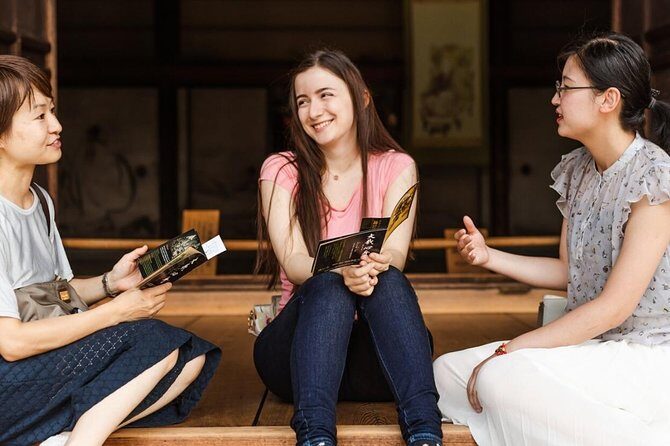
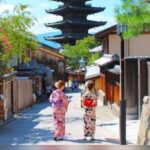
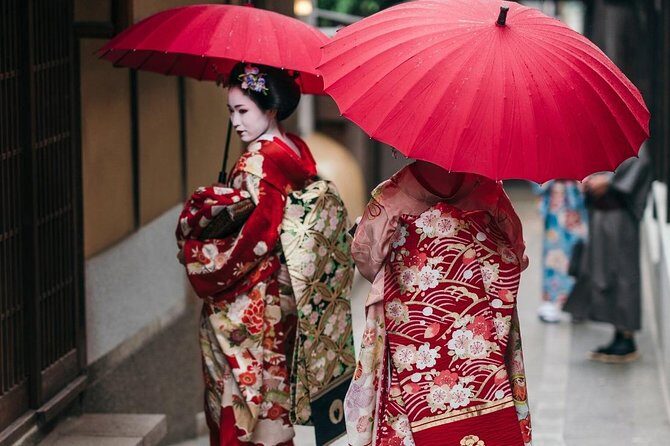
One of the scheduled anchors is Gion, the classic entertainment district with cobbled streets and old-town atmosphere. The plan includes an amble through lantern-lit lanes, and the goal is to help you see it in a way that feels more local and less like an obstacle course.
Why it’s a great fit for a shore excursion: Gion is compact enough to experience without needing to “crisscross” the city all day. You can also time your wandering. If your host builds in dusk, lanterns start glowing and the streets soften in tone. That’s when your photos look like Kyoto instead of like a crowded street near a tourist map.
Your guide will likely share context as you walk, including how this district works and what to look for in the scenery. If you’re hoping to spot a geisha, the day description hints it’s possible around dusk. It’s not guaranteed, and you don’t want to force it. But the timing and street approach put you in a good position to notice glimpses without chasing.
A smart tip for this part: wear shoes you can keep on for a few hours. Gion is scenic partly because it’s not designed for speedy walking. You’ll want time to look up, slow down, and enjoy the small details.
Fushimi Inari: the tunnel walk and how to keep it fun
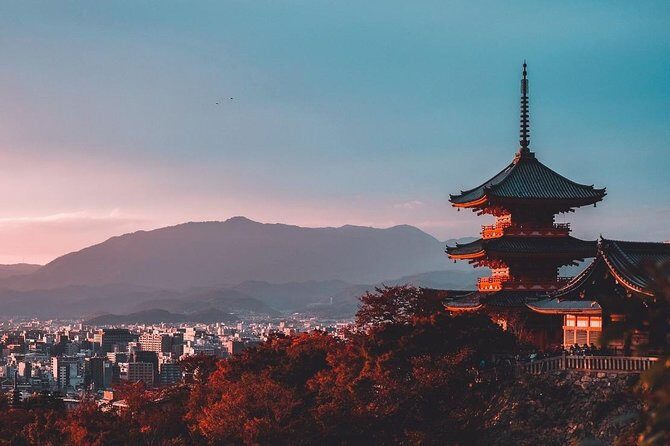
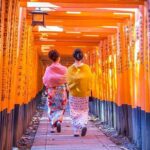
Then there’s Fushimi Inari Shrine, famous for its flame-colored torii gates that form that tunnel-like walk. This is the Kyoto stop people remember. The colors photograph well, yes, but the real magic is the feeling of walking through the gates as the route narrows and the shrine atmosphere changes with each turn.
The challenge is energy. Even if you don’t walk all the way to the top, the entrance area still involves steady walking on uneven stone. With limited time, you’ll want a guide who helps you decide how far to go without burning the day.
This is where a private host pays off. A flexible itinerary means you can trade depth for pace. If you want the full atmosphere without exhausting yourself, your host can help you pick a route that matches your group’s stamina.
Also, this stop works best when you treat it as a slow walk, not a sprint for the perfect picture. The gates are repetitive in the best way, like a visual rhythm. If you rush, you’ll miss the best moments and end up taking the same shot from the same angle over and over.
Kyoto Imperial Palace: old architecture when your time is tight
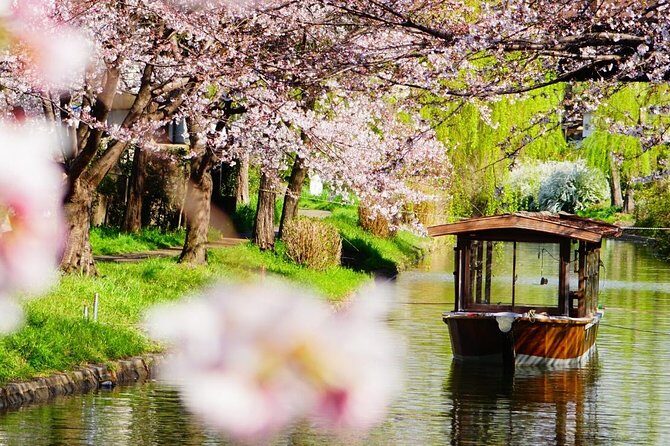
The day can include the Kyoto Imperial Palace, known for centuries-old architecture and an official, structured feel that contrasts with the softer neighborhoods like Gion. This is one of those stops that can be hit well in a limited day if you don’t try to overpack the route.
What you should expect: palace grounds and historic buildings tend to be calm, but they’re still a lot of walking, and you’ll want time to read and look closely. Because entrance tickets are not included, plan for the possibility that you’ll need to pay separate admission depending on what you choose to enter.
This is also a good place to take a breather. If the earlier parts of the day feel crowded or energy-heavy, the palace stop can act like a reset. Your host can also adjust this based on your interests: if you’re more into gardens, you might find the day includes a zen-garden style moment instead of only palace architecture.
You can also read our reviews of more tours and experiences in Osaka

Fushimi sake district: what it adds beyond the shrine photo
Another scheduled stop is the Fushimi sake district and a chance to sample fresh sake at a historic brewery. This is a smart pairing with Kyoto’s shrine-heavy blocks because it adds a sensory, human-scale break.
Why it’s valuable: it’s not just drinking. It’s learning how sake is tied to the area’s identity, and it often comes with small stories about brewing traditions. If you’re a fan, you’ll appreciate the effort that goes into tasting properly. If you’re not, it still works as a cultural palate cleanser.
Food and drinks aren’t included, so you should budget for the tastings and any snacks you want there. But you can treat this stop as a controlled “spend a little, enjoy a lot” moment instead of a costly detour. And because you’re with a host, you’re not stuck guessing what’s worth trying.
Nishiki Market wagashi or a tea ceremony: choose your mood
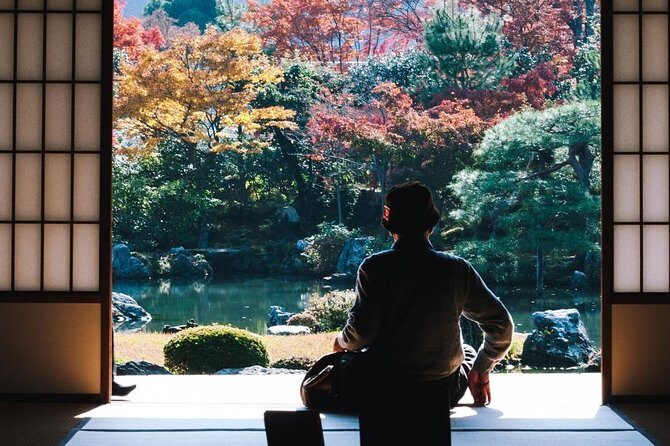
For a food-and-culture finish, you have two common options built into the plan: Nishiki Market with wagashi confections, or a Japanese tea ceremony.
Nishiki Market is ideal if you want variety in a short time. You can sample sweets and snack-sized treats while watching how people move through a lively downtown food street. It’s the kind of stop where you feel Kyoto through everyday food habits, not staged entertainment.
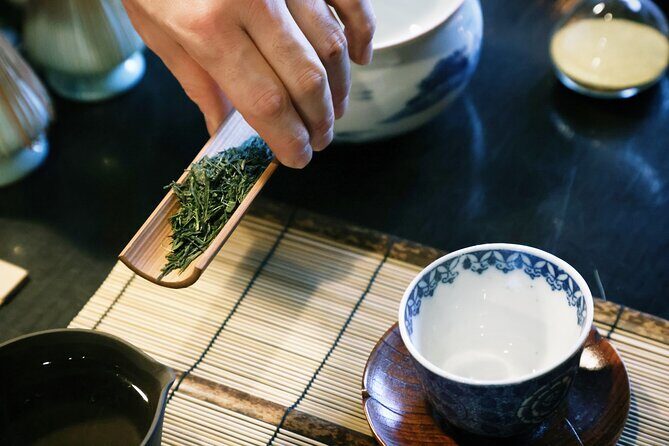
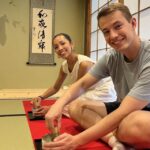
A tea ceremony, on the other hand, is about pace and attention. Even though it’s a structured experience, it can feel surprisingly personal when your host explains what you’re seeing and what to do. If your day has been lots of outdoor walking, this can also help your group slow down.
Because entrance tickets aren’t included, and food and drinks aren’t included, you’ll want to treat this as part of your budget planning rather than an automatic freebie. The upside is that both choices are very Kyoto in a way you’ll remember long after the photos.
Arashiyama bamboo grove: the one that can feel magical, if paced right

The tour overview highlights Arashiyama bamboo grove in western Kyoto, and it’s a stop that can be spectacular in the right light. Tall stalks create that “you’re inside the scene” feeling, and it’s one of the most recognizable Kyoto visuals.
The practical catch is walking density. Bamboo areas can be busy and can involve a fair bit of movement depending on where you enter and how your route is shaped. This is exactly where private guidance helps.
In one example of how hosts tailor pacing, a guide named Kalid suggested an itinerary for a group with mobility issues and even arranged a rickshaw through the bamboo forest, which helped reduce walking strain. That’s the kind of flexibility you should ask for if your group needs a lighter approach.
If you care about comfort, tell your host in advance. Don’t wait until you’re already at the gates. The best adjustment happens when your guide has time to shape the day and choose the least exhausting route.
What else your host may swap in during your day
Kyoto changes block by block, and this tour is explicit that your itinerary can adjust. That can be a plus, because it means you can follow your interests and avoid wasted time.
In past versions of days like this, guides have included additional culture stops beyond the headline list. For example, Loys Le Goff led a route that included Nijo Castle, plus time for casual local lunch and more conversation-based sightseeing. Other guides have mentioned time for things like a zen garden moment and a calmer river-side snack break.
Here’s the takeaway for your planning: don’t treat this as only five fixed dots on a map. Treat it as a guided Kyoto outline that can flex.
If you have strong preferences, say them early. If you want lots of photos in older streets, tell your host. If you want fewer transitions and more time in one neighborhood, tell them that too.
Price and logistics: does $313.37 per person feel fair?
At $313.37 per person for an 8-hour private shore excursion, the value comes from what’s included and what it saves you.
You’re paying for:
- A private host who speaks English or Japanese
- Personalized itinerary planning plus in-day flexibility
- Return train tickets from Bentencho to Kyoto
- A full day of transport coordination from the port area
- A guided experience that reduces decision fatigue
You’re not paying for:
- Food and drinks
- Entrance tickets
- Extra transportation beyond what’s listed
- Gratuities (optional)
So the real question is whether you’d otherwise pay for a guide plus the time to organize trains while your day clock is ticking. For many people on a cruise timetable, that’s where the money goes. You’re not just buying sights. You’re buying less hassle.
One more angle: private tours can feel pricey if you’re only chasing big photo spots. If you care about timing, comfort, and learning context (why a place feels a certain way, what to look for, how to avoid common mistakes), this price becomes easier to justify.
The guides named in past experiences, such as Shu when time in the cruise port is limited, show that the plan can be tighter and smarter when schedules are tight. That’s where a dedicated host earns their fee.
Who should book this Kyoto day trip, and who should think twice
This is a strong match if:
- You want a first-timer-friendly Kyoto day without fighting the rail system
- You like the idea of Gion + Fushimi Inari + Arashiyama in one day
- You enjoy learning details from a person who can explain as you walk
- Your group wants a flexible pace rather than a rigid bus itinerary
It might be a less ideal fit if:
- Your group expects a low-walking, low-stairs day. This is public transport and sightseeing walking.
- You want everything to be fully pre-paid. Entrance fees and food aren’t included.
- You’re highly sensitive to meeting-point confusion at busy terminals. You’ll want to confirm your exact meeting details.
Should you book this Kyoto Day Trip from Osaka Port?
If you want Kyoto with less hassle, I think this is the kind of private shore excursion that makes sense. The biggest win is the combination of rail help, personalized planning, and the ability to adjust when the day changes. If your group cares about getting to top sights like Gion lantern streets and Fushimi Inari’s torii tunnel without wasting time, this is a very practical way to spend a short stop in Japan.
Book it if you’re willing to do some walking and if you’ll communicate needs clearly to your host. Skim a basic plan in your head, then let your guide shape the day to your energy level. That’s how you end up with Kyoto that feels lived-in, not just collected.
FAQ
How long is the Kyoto day trip from Osaka Port?
It’s about 8 hours, including travel time.
Where does the tour start and where do you end?
It starts at the Osaka Port International Ferry Terminal. It ends with your host dropping you off at Kyoto Station.
Is transportation included from Osaka to Kyoto?
Your host leads you to Kyoto using public transport, and return train tickets from Bentencho to Kyoto are included.
Is the itinerary fixed?
No. The itinerary is flexible and personalized, and during the experience you can change your mind about what you want to do.
What’s included in the tour price?
Included features are a personalized itinerary based on your interests, a private experience with a local English- or Japanese-speaking host, about 8 hours with your host (including travel time), return train tickets from Bentencho to Kyoto, and local recommendations.
Are food, drinks, and entrance tickets included?
No. Food and drinks are not included, and entrance tickets are also not included.
Can you cancel for a full refund?
Yes. You can cancel up to 24 hours in advance for a full refund.
Is the tour private for my group?
Yes. This is a private experience with only your group participating.