REVIEW · OSAKA
Kyoto Full-Day Private Tour (Osaka departure) with Government-Licensed Guide
Book on Viator →Operated by Japan Guide Agency · Bookable on Viator
Kyoto, in one efficiently guided day. This Osaka-to-Kyoto private outing focuses on the big classics with a government-licensed English guide and a custom itinerary chosen from 35 Kyoto options, so you spend time seeing rather than guessing. Guides such as Rie, Andy Murao, and Ichiro are repeatedly praised for clarity and smart pacing, especially when you’re short on time.
I love how the tour is built around your priorities (not a generic checklist). The main catch is that it’s a walking tour, and even when individual stops are short, Kyoto adds up fast—heat, rain, and lots of stairs can wear you down if you’re not ready.
In This Review
- Key things that make this tour work
- Kyoto with a licensed guide: what you’re really buying
- The custom itinerary is the real engine
- Getting from Osaka to Kyoto without losing your day
- East Kyoto classics: Fushimi Inari, Kiyomizu, Gion, and the food streets
- Fushimi Inari-taisha Shrine: the shrine that changes the way you walk
- Kiyomizu-dera: temple views plus the reason people queue
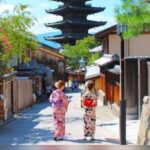
- Gion: geisha district without the confusion
- Nishiki Market and Pontocho: where Kyoto tastes like Kyoto
- Higashiyama Ward and Kennin-ji: old Kyoto streets with Zen context
- Castles and imperial Kyoto: Nijo, Kyoto Gosho, and the villa world
- Nijo Castle: UNESCO-level history that feels real
- Kyoto Imperial Palace (Kyoto Gosho): the move from Kyoto to Tokyo in one place
- Shugakuin Imperial Villa and Katsura Imperial Villa: garden-minded architecture
- Zen temples and the famous names: Silver, Golden, rock gardens
- Ginkakuji (Silver Pavilion): the quiet showpiece
- Nanzenji and Tofuku-ji: major temple energy
- Tofuku-ji: autumn fame, spring proof
- Kinkakuji (Golden Pavilion): a visual punch
- Ryoan-ji: the rock garden and the art of looking
- Ninna-ji and other world-heritage temple options
- Arashiyama: bamboo, river views, and the day trip that feels different
- The Togetsukyo Bridge: the iconic frame
- Bamboo groves: when walking becomes the point
- Tenryu-ji and Daikaku-ji: top Zen stops in the Arashiyama orbit
- Okochi Sanso Garden: the actor’s garden behind the bamboo
- Kyoto mountains and quieter corners: Kibune, Kurama, and the hillside temple chain
- Kibune and Kurama: valley mythology and temple stops
- Yoshimine-dera: a Tendai temple with hillside access
- The hillside “stone-and-moss” temples: Jojakkoji, Nisonin, Gio-ji, and more
- Pacing, walking, and what to do so you don’t hate Kyoto by hour six
- When the tour feels fast (and when it doesn’t)
- Price and value: is $201.46 a fair deal?
- How to judge value for your travel style
- Should you book this Osaka-to-Kyoto private tour?
- FAQ
- How long is the Kyoto private tour from Osaka?
- Is this tour walking-based?
- What does the price include?
- What is not included in the price?
- Can I choose which Kyoto sights to visit?
- Are entrance fees included for temples and attractions?
- Will this be just my group?
- Is pickup available from Osaka?
- Are service animals allowed?
- Is there free cancellation?
Key things that make this tour work
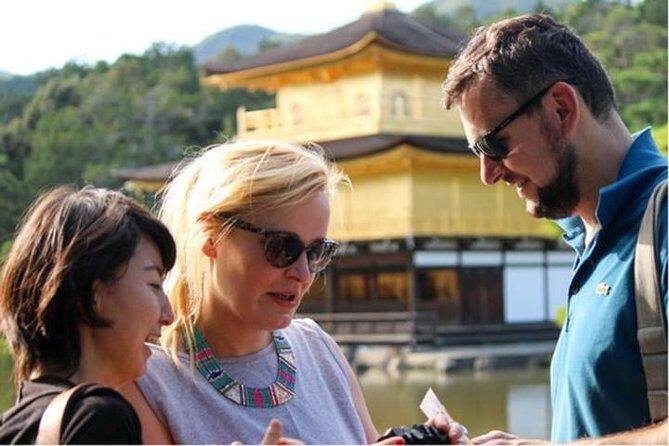
- Government-licensed, English-speaking guidance that helps you understand what you’re looking at and where you’re going next
- Pick 3–4 Kyoto stops from 35 options, so you get depth without sprinting through 15 places
- Osaka meet-up with on-foot pickup in designated Osaka areas, helpful if you’re arriving by transit or cruise
- Frequent route help with trains/buses so navigating Kyoto doesn’t eat your day
- High-touch flexibility noted in reviews, including tailoring pace for kids and adjusting when time gets tight
- A “Kyoto highlights” mix of shrines, castles, markets, gardens, and Zen temples—easy to build around your interests
Kyoto with a licensed guide: what you’re really buying
On paper, this tour looks like a simple day trip. In real life, you’re buying two things that matter a lot in Kyoto: interpretation and logistics.
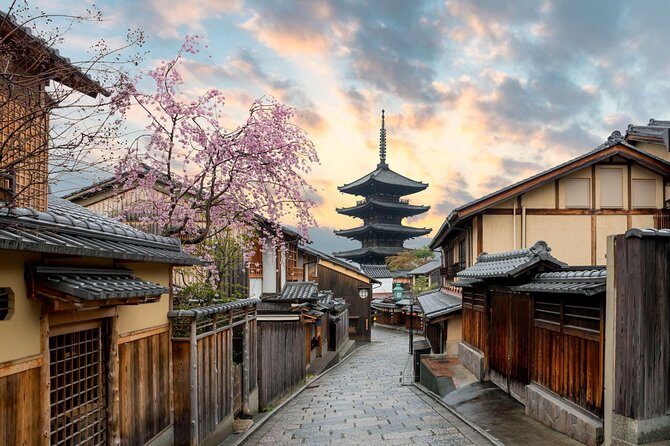
Kyoto is not just famous sites. It’s thousands of small streets, layered history, and etiquette that changes by temple, shrine, and neighborhood. A licensed local guide helps you connect the dots fast—why Fushimi Inari matters beyond the photo-op, how a castle’s design reflects its era, and what a Zen garden is trying to teach you about attention.
Then there’s the logistics side. This is a private tour from Osaka with a meet-up in designated areas, and you’re traveling by public transport (transport and entrance fees are not included). The guide is the difference between feeling lost and getting your bearings fast—especially if you’re arriving from an Osaka hotel or a cruise terminal. Several guides on this experience (including Andy Murao, Tatsuya Ito, and Haru) are specifically praised for getting people onto the right trains and back on time.
You can also read our reviews of more guided tours in Osaka

The custom itinerary is the real engine
You don’t have to see everything. The included format is a customizable walking tour where you choose 3–4 Kyoto sites. That detail is huge for value. It means:
- You can aim for one “theme” day (shrines/old streets, castles/imperial, Zen gardens, Arashiyama nature).
- You’re less likely to burn hours in transit and more likely to actually enjoy what you came for.
- Your guide can adjust the route to fit your group’s stamina.
That also explains why some stops can seem brief in the plan. It’s not meant to be a half-hour lecture everywhere—it’s meant to deliver enough context that the places feel meaningful, while leaving room for walking and photos.
Getting from Osaka to Kyoto without losing your day
This tour starts in Osaka and runs about 8 hours. Pickup is offered, and it’s a walking tour style pickup (on foot) within designated Osaka areas. Since transport to and within Kyoto isn’t included, the big practical win is how your guide plans the movement—which line to take, where to exit, and how to keep the group together.
From reviews, I’d pay special attention to this if you’re traveling on a tight schedule:
- People who booked for Kyoto from an Osaka cruise terminal praised guides for meeting them promptly and helping them navigate back in time.
- Several guides were praised for helping families manage energy levels (including one guide who worked around a young daughter’s stamina).
If you want the day to feel smooth, do one small thing in advance: tell your guide your limits. Examples that have helped in real tours include asking for a slower pace, choosing fewer sites, or swapping one long stretch for another nearby option.
East Kyoto classics: Fushimi Inari, Kiyomizu, Gion, and the food streets
When most people picture Kyoto, they’re picturing this side of town.
Fushimi Inari-taisha Shrine: the shrine that changes the way you walk
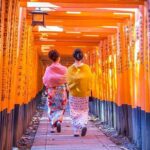
Fushimi Inari is famous for a reason. The route through the torii gates turns your walk into a slow rhythm: keep moving, look up, then notice how the scene changes as you go deeper. The tour highlights a short stop here (admission ticket is free for this stop in the plan), and that’s realistic—so you can see the main experience without spending all day climbing.
What I like about a guided stop at Fushimi Inari is the “why” behind it. A guide can point out patterns and meaning that you’d otherwise miss while you’re busy photographing.
Possible consideration: it’s popular, and even short visits can feel crowded in peak hours. If your group hates standing still, ask your guide to steer you toward calmer moments.
You can also read our reviews of more private tours in Osaka
Kiyomizu-dera: temple views plus the reason people queue
Kiyomizu-dera is one of Kyoto’s headline temples. In this tour format, you get a guided visit for a short window. Admission is not included for this stop, so you’ll likely pay on the day if it’s part of your chosen plan.
Kiyomizu’s appeal isn’t just the main hall—it’s the setting and the views, plus the fact that you’re surrounded by old Kyoto streets nearby (depending on how your day flows).
Gion: geisha district without the confusion
Gion’s maze of narrow alleys can overwhelm a first-timer. A guided walk helps you understand what you’re looking at and how to move through the neighborhood without ending up in the wrong direction.
In reviews, I saw a very common theme: guides made Gion feel manageable, and one highlight was getting lucky with a geisha sighting in full makeup while walking the main street. That’s not something you can schedule, but smart timing and good route choices help.
Nishiki Market and Pontocho: where Kyoto tastes like Kyoto
Nishiki Market is described as Kyoto’s Kitchen—over a hundred shops and restaurants packed into a short street. The tour includes it as a short stop (admission ticket is free here in the plan). Even if you only snack, it’s a great way to learn what’s local right now.
Then you have Pontocho, an alley dining area by the Kamogawa River. It’s mostly atmosphere. If you choose it, go with one goal: wander, notice the street energy, and maybe plan a meal back here later.
If you’re food-minded: pair Nishiki with a historic neighborhood stop. The market gives you a sensory anchor for the day.
Higashiyama Ward and Kennin-ji: old Kyoto streets with Zen context
Higashiyama is one of Kyoto’s best-preserved historic districts, especially around the lower slopes of the eastern mountains. This tour includes it as a short, free admission-style stop in the plan.
Kennin-ji is near the hustle of Hanamikoji and Shijo. It’s a nice reminder that Kyoto is never only temples or only shopping—it mixes both, and that’s the magic.
Castles and imperial Kyoto: Nijo, Kyoto Gosho, and the villa world
If you want government-era context and architecture, this is your lane.
Nijo Castle: UNESCO-level history that feels real
Nijo Castle was built in 1603 and connects to the Tokugawa era. It’s included as a short stop with admission not included in the plan.
In a guided format, Nijo works well because you can understand the palace layout and defensive design language. Left unguided, you may enjoy the buildings, but you might miss why the place was built the way it was.
Consideration: castle visits can involve stairs and walking across uneven grounds. If your group has mobility limits, choose fewer stops and ask your guide to shorten transitions.
Kyoto Imperial Palace (Kyoto Gosho): the move from Kyoto to Tokyo in one place
This stop is about what changed in Japan’s political center. The palace used to be where Japan’s imperial family resided until 1868, when the capital moved to Tokyo.
Admission is not included in the plan. Still, it’s valuable if you want a bigger-picture view of Japanese history—not only religious sites.
Shugakuin Imperial Villa and Katsura Imperial Villa: garden-minded architecture
These villa stops signal a different side of Japan: controlled spaces made for refined viewing and seasonal change. Admission is not included in the plan.
If you love gardens, you’ll get more from these with a guide because you can connect:
- what you’re seeing now (paths, ponds, structures),
- with how designers intended visitors to move and notice details.
It’s also a good choice for people who don’t want another shrine climb but still want something Kyoto-specific.
Zen temples and the famous names: Silver, Golden, rock gardens
Zen temples in Kyoto are like a condensed course in how to slow down.
Ginkakuji (Silver Pavilion): the quiet showpiece
Ginkakuji is a Zen temple in Higashiyama. The tour includes it as a short stop (admission not included here). It’s called the Silver Pavilion, and while it’s not literally “silver” in the way people assume, it’s still famous for how the buildings and grounds create a mood.
Nanzenji and Tofuku-ji: major temple energy
Nanzenji Suirokaku is part of Nanzenji’s broader temple complex, described as important Zen territory with spacious grounds. Tofuku-ji is a large Zen temple known for autumn colors. Both are in the options and both are listed with admission not included.
Even for short stops, these work because they can feel “bigger” than you expect. The grounds give you room to breathe compared with street-level sights.
Consideration: if you hate crowds, time these right. Zen temples can be lively at peak hours.
Tofuku-ji: autumn fame, spring proof
If you’re visiting outside autumn, you can still appreciate Tofuku-ji for the temple size and the sense of structure. The autumn reputation just means people know where to find the best color later.
Kinkakuji (Golden Pavilion): a visual punch
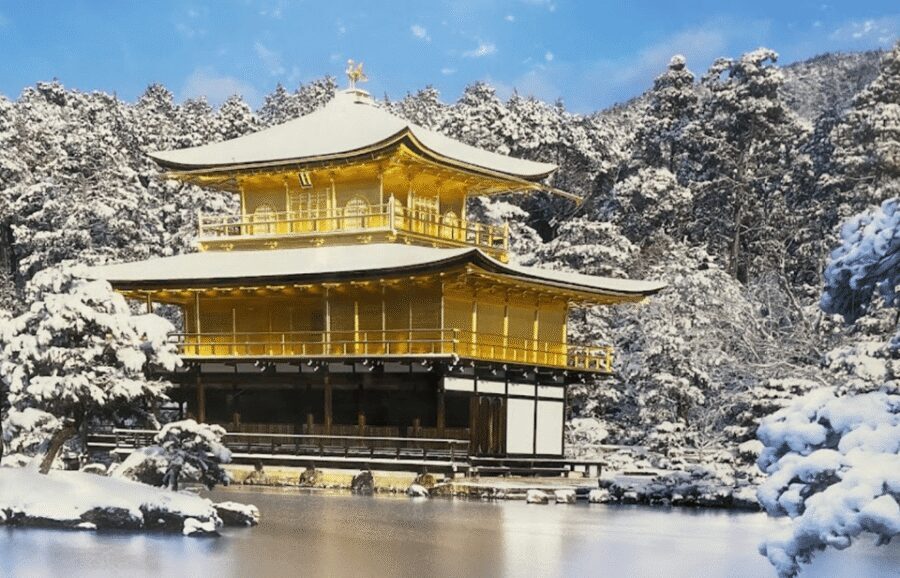
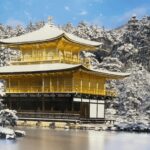
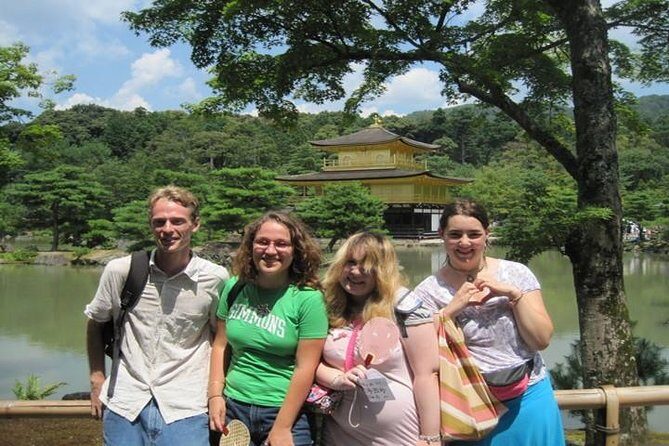
Kinkakuji is one of Kyoto’s most photographed temples because the top floors are covered with gold leaf. The tour includes it as a short stop (admission not included). In guided time, it’s not just the view; it’s the story of Ashikaga Yoshimasa and how retirement villa culture shaped temple grounds.
Ryoan-ji: the rock garden and the art of looking
Ryoan-ji is the famous rock garden temple. It’s a strong pick if you like art that asks questions. The tour lists it as a short stop with admission not included.
One thing that helps: a guide can explain why people approach the garden the way they do—so you don’t just stare at rocks and wonder what you’re supposed to notice.
Ninna-ji and other world-heritage temple options
Ninna-ji is listed as a World Heritage site and is the head temple of the Omuro School of Shingon Buddhism. Shugakuin, Ninnaji, and other temple options show how Kyoto’s spiritual map isn’t one single flavor.
If you pick these, ask your guide to connect the temple type to the vibe of what you’re seeing.
Arashiyama: bamboo, river views, and the day trip that feels different
Arashiyama is the “west Kyoto breath of air” choice. It’s more nature-forward than many other stops.
The Togetsukyo Bridge: the iconic frame
The tour includes the Togetsukyo Bridge in the Arashiyama area (Moon Crossing Bridge). The history matters here: it’s an iconic landmark associated with the Heian Period and has been reconstructed.
It’s a short stop, but it’s a good anchoring moment for photos and for understanding where the district’s energy comes from.
Bamboo groves: when walking becomes the point
The bamboo grove paths are included as a walking segment in the plan. Admission is not included, and that’s typical—nature zones often run that way.
In Kyoto, bamboo isn’t just a background. It changes your hearing and your sense of rhythm as you walk.
Practical tip: if it’s hot or humid, you’ll appreciate the slower walk and shade. If it rains, bamboo groves can be slippery—wear grippy shoes.
Tenryu-ji and Daikaku-ji: top Zen stops in the Arashiyama orbit
Tenryu-ji is described as the most important Zen temple in Arashiyama and part of a World Heritage registration. Daikaku-ji is also included as a temple option in the north Sagano district, with imperial detached palace roots.
These are strong picks if you want Arashiyama to feel more than scenery—when you pair the nature with temple history, the day feels complete.
Okochi Sanso Garden: the actor’s garden behind the bamboo
Okochi Sanso is the former villa of actor Okochi Denjiro, located behind the bamboo groves. Admission is not included here in the plan.
This is your choice if you want a more “designed for walking” garden experience rather than only famous temple grounds.
Kyoto mountains and quieter corners: Kibune, Kurama, and the hillside temple chain
This tour’s list includes a lot of northern mountain options. You won’t pick all of them on one day, but you can build a calm Kyoto day if you choose right.
Kibune and Kurama: valley mythology and temple stops
Kibune is a small town in a forested valley around Kifune Shrine. Kurama is a rural town in the northern mountains known for Kurama-dera and a hot spring.
Admission is not included for these options in the plan. They can be excellent if you want a break from dense city streets.
Consideration: mountain time can be slower time. Even if the stops are short, you’ll want to give the day breathing room.
Yoshimine-dera: a Tendai temple with hillside access
Yoshimine-dera is included as a Tendai sect temple in Kyoto’s western mountains. Admission is not included.
If you like your temples quieter and slightly less headline-famous, this kind of option can be satisfying.
The hillside “stone-and-moss” temples: Jojakkoji, Nisonin, Gio-ji, and more
A whole chain of smaller hillside temples is listed:
- Jojakkoji
- Nisonin
- Gio-ji
- Adashino Nenbutsu-ji
- Otagi Nenbutsu-ji
These are the places where you notice moss, stone steps, and gentle atmosphere more than crowds. One of the big practical benefits of having a guide here is route sense: you get from stop to stop without accidentally wasting time on the wrong turns.
If your group likes quiet and texture over photo-famous landmarks, these are the options to build around.
Pacing, walking, and what to do so you don’t hate Kyoto by hour six
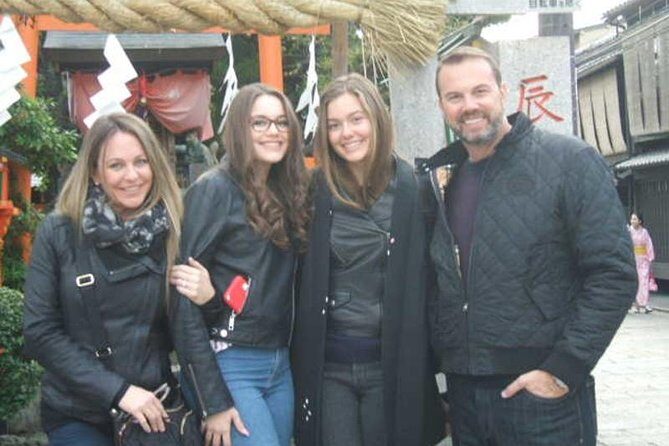
This tour is built as a walking day. That’s a feature, not a bug—Kyoto rewards moving on foot. But I’m going to say the quiet part out loud: it can be a lot.
Reviews repeatedly recommend coming prepared:
- Bring a snack.
- Expect a lot of walking.
- Be ready for heat or rain.
- If someone has a foot issue, talk to the guide early so the pace can change.
Here’s how I’d plan your side of the deal:
- Wear comfortable shoes. Kyoto sidewalks and temple paths aren’t made for tired sneakers.
- Bring water and a small snack. Lunch is not included.
- If your schedule is tight (cruise day), make sure your guide understands your return-time pressure from the start.
When the tour feels fast (and when it doesn’t)
Some reviews praise “so much walking” with a “we managed to do it” vibe. One negative experience also mentions rushing and lack of communication. That tells me something important: if you want a calmer pace, you must ask for it.
A private guide can adjust. But you have to communicate what you want before you’re already halfway through the day.
Price and value: is $201.46 a fair deal?
At $201.46 per person for an ~8-hour private tour, you’re paying for:
- a licensed local English-speaking guide,
- custom itinerary planning (choose 3–4 Kyoto stops),
- and time saved from figuring out transportation and routing on your own.
The tour does not include transportation or entrance fees, and lunch isn’t included either. That’s normal for guided walking tours, but it changes value depending on your choices.
How to judge value for your travel style
This price makes the most sense if:
- You’re seeing Kyoto for the first time and want fewer mistakes.
- You want interpretation (history, culture, temple meaning), not just pictures.
- You have a time constraint from Osaka (cruise port schedules are a common case).
- You prefer a private group over crowded group tours.
It’s less of a win if:
- You already love navigating transit and reading temple signs on your own.
- You plan to pick very few paid-entry sites and mainly free street sights.
Still, even for experienced travelers, the “licensed guide + route help” part is often worth it because Kyoto can be confusing fast.
Should you book this Osaka-to-Kyoto private tour?
I’d book if you want Kyoto in a controlled, human-paced day. It’s especially strong for:
- first-timers who want the right mix of Fushimi Inari + Gion + a temple/castle choice,
- families who need flexibility (several guides were praised for handling kids’ stamina),
- cruise or tight-schedule travelers who need accurate timing,
- anyone who would rather understand a place than just rush through it.
I’d think twice if:
- your group hates walking and stairs,
- you need a super slow, sit-down day,
- you prefer to plan transportation yourself and don’t care much about guided explanation.
If you do book, give your guide two clear preferences before you start: your ideal pace and the 3–4 stops you want most. That’s where this tour tends to become excellent rather than just busy.
FAQ
How long is the Kyoto private tour from Osaka?
It runs for about 8 hours.
Is this tour walking-based?
Yes. It’s described as a walking tour, with pickup on foot.
What does the price include?
The included items are a licensed local English-speaking guide and a customizable walking tour where you choose 3–4 Kyoto sites, plus meet-up within designated Osaka areas. A mobile ticket is also mentioned.
What is not included in the price?
Transportation and entrance fees, lunch, and personal expenses are not included. A private vehicle is available on request but must be pre-booked at least 5+ days in advance.
Can I choose which Kyoto sights to visit?
Yes. You can choose from 35 points of interest to create a custom itinerary, and the tour format supports choosing 3–4 Kyoto sites.
Are entrance fees included for temples and attractions?
No. Entrance fees are not included, even though some stops in the plan note free admission.
Will this be just my group?
Yes. It’s a private tour/activity, so only your group participates.
Is pickup available from Osaka?
Pickup is offered, and the meet-up is within designated Osaka areas. Pickup is on foot.
Are service animals allowed?
Yes, service animals are allowed.
Is there free cancellation?
Free cancellation is available. You can cancel up to 24 hours in advance for a full refund.