REVIEW · OSAKA
Osaka: Daytime Hanami (Cherry Blossom) and Food Tour
Book on GetYourGuide →Operated by Arigato Travel KK · Bookable on GetYourGuide
Cherry blossoms and snacks sounds like a good plan. This 3-hour Osaka Hanami food tour takes you through the quieter Karahori area, where you trade crowds and neon for backstreets, wooden houses, and seasonal cherry-petal atmosphere. You’ll also taste sakura-inspired treats at multiple stops, with plenty of time to actually enjoy a stroll—not just rush to photos.
Two things I especially like: the way the route stays focused around Karahori (not generic sightseeing), and the fact that the food is built around spring flavors you can’t easily find on your own. One thing to consider: you’ll be on your feet a good chunk of the time, and cherry blossoms are weather-dependent—rain can affect what’s in full view.
In This Review
- Key points worth knowing before you go
- Karahori in daylight: the real point of this Osaka cherry blossom tour
- Where you meet near Matsuyamachi Station (and how to find it fast)
- What 3 hours feels like on foot (and what to wear)
- Your Hanami-food route: how Karahori tasting actually works
- Backstreets first: old Osaka texture before you eat
- Multiple food stops: seasonal street snacks plus more than one style
- A tea ceremony stop: calm pace in the middle of walking
- A seaweed shop visit: everyday Osaka flavor, not just sweets
- Drinks included: tea, sake, beer, and how to plan around it
- The Hanami ending: where you slow down for petals and photos
- Guide impact: why small-group and English narration matters
- Price and value: is $161 per person fair for Osaka spring?
- Weather and expectations: what to do if sakura doesn’t cooperate
- Who this tour suits best (and who might want a different plan)
- Should you book this Osaka Hanami food tour?
- FAQ
- FAQ
- How long is the Osaka daytime Hanami and food tour?
- Where do I meet for the tour?
- What is the easiest train route to the meeting point?
- What’s included in the tour?
- Do I have to pay extra for drinks or food?
- Is it wheelchair accessible?
- What should I bring?
Key points worth knowing before you go
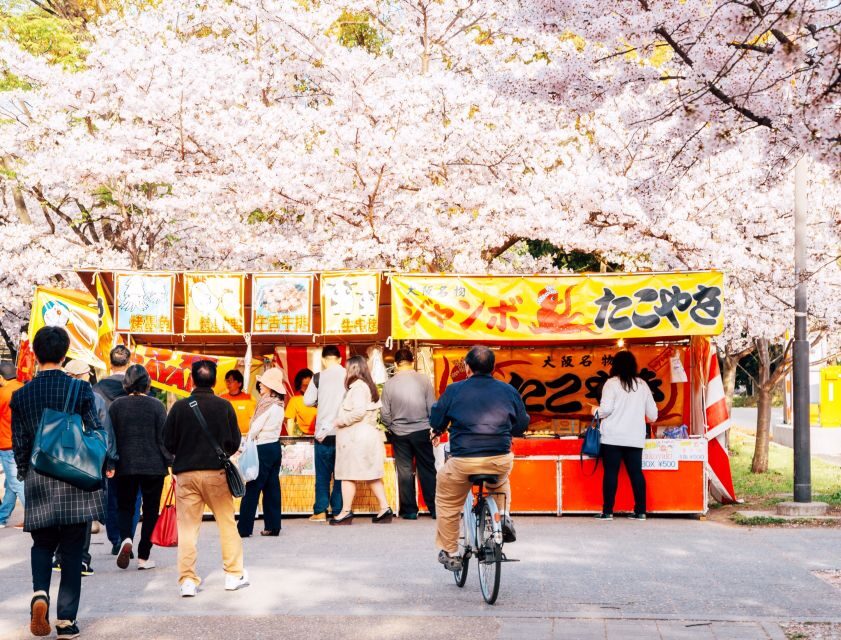
- Karahori backstreets, not the big-city crowd circuit: You start near Matsuyamachi and spend the walking time in a more local pocket of Old Osaka.
- Seasonal snack stops with real variety: Expect multiple bites from seasonal street-food style stalls plus other small places along the way.
- Beverages included: Your tour includes tea, sake, beer, or other beverages—handy if you want to sample without planning.
- A guide who adjusts when conditions change: Guides (like Sanae and Miki) have helped tailor the pace and made the best of rain.
- Hanami time at the end: The tour finishes at a quieter spot where shrines and cherry trees mix, and you snack while you slow down.
- Small group size (max 10): It’s easier to ask questions, hear explanations clearly, and keep the flow from feeling like a conveyor belt.
Karahori in daylight: the real point of this Osaka cherry blossom tour
Osaka in spring can be chaotic fast. The moment you start hunting for blossoms, you’re surrounded by photo lines and day-tripper traffic. This tour’s biggest strength is that it shifts your attention to a smaller, older part of the city where the experience feels more like walking with locals than checking boxes.
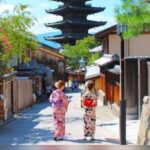
Karahori is the star. Expect maze-like backstreets with traditional wooden houses and artisan shops. That matters because Hanami isn’t only about a famous tree. It’s about the whole spring mood—smells in the air, side streets opening up, and the slow drift from snack stop to snack stop.
The food angle is also practical. Instead of “sakura-themed dessert, then leave,” you get several stops, plus tea and alcohol options (tea, sake, beer, or other beverages). That means you’re not just looking at spring—you’re tasting it as you go.
You can also read our reviews of more food & drink experiences in Osaka

Where you meet near Matsuyamachi Station (and how to find it fast)
You meet in front of the doll shop Masumuraningyoten Sueyoshibashiten right outside Matsuyamachi Station. The address is 2-8 Matsuyamachi, Chuo Ward, Osaka, 542-0067 (〒542-0067 大阪府大阪市中央区松屋町2−8).
Train is the simplest approach:
- Take the Osaka Metro Nagahori Tsurumi Ryokuchi Line to Matsuyamachi Station
- Use exit 2
This is one of those details that saves you stress. Doll shops are easy landmarks when you’re arriving in a new neighborhood. And since the tour ends back at the meeting point, you don’t have to plan a complicated end-of-day pickup.
What 3 hours feels like on foot (and what to wear)

This is a 3-hour daytime walking tour with a small group (up to 10 participants). The exact starting time varies, so check availability for the schedule that matches your day.
What matters most is comfort. You’ll want comfortable shoes because you’re moving through backstreets and getting between food stops. If you arrive with shoes that hurt, you’ll spend your time focusing on your feet instead of spring.
It’s also not suitable for wheelchair users. So if you use mobility support, you’ll need to choose a different option.
Your Hanami-food route: how Karahori tasting actually works
The tour is designed so walking and eating work together. You’re not doing long empty stretches just to “earn” food. Instead, your guide leads you from one seasonal moment to the next.
Backstreets first: old Osaka texture before you eat
Right after meeting, you’re guided into the older side of the area—traditional wooden houses, quiet lanes, and artisan shops. This early part sets the tone. It also helps you find your bearings fast, so the later blossom spot feels more intentional than “we wandered until we found trees.”
This is a good sequence for your brain. You get context first, then you start sampling. By the time you reach the places where you sit and snack, you’ll understand why the neighborhood looks the way it does.
You can also read our reviews of more tours and experiences in Osaka


Multiple food stops: seasonal street snacks plus more than one style
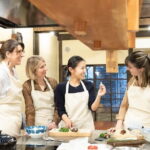
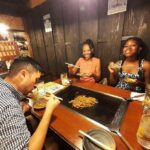
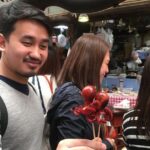
The tour includes local snacks from seasonal street-food style stalls, and it uses multiple food stops so your meal doesn’t feel repetitive. You should expect a variety of dishes rather than one big highlight.
One big plus: the bites are seasonal and linked to spring flavors. Cherry blossom-inspired specialties are part of the experience, and you may also encounter ume (plum blossom) when conditions for sakura aren’t perfect. That flexibility matters because bloom timing isn’t always perfectly on schedule.
Practical takeaway for you: go hungry enough to enjoy the full run, but don’t expect restaurant-size portions. This tour is about sampling and learning what locals like to eat while doing Hanami.
A tea ceremony stop: calm pace in the middle of walking
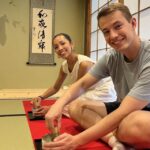
One of the stand-out elements from the experience is a tea ceremony moment, described as magical. Even if you’ve never seen one before, this kind of pause helps break the rhythm of eating and walking.
It also fits the theme. Hanami is a slow seasonal ritual. A tea ceremony mid-tour gives you that “spring breathing room” so your senses reset before you head to the final blossom viewing area.
A seaweed shop visit: everyday Osaka flavor, not just sweets
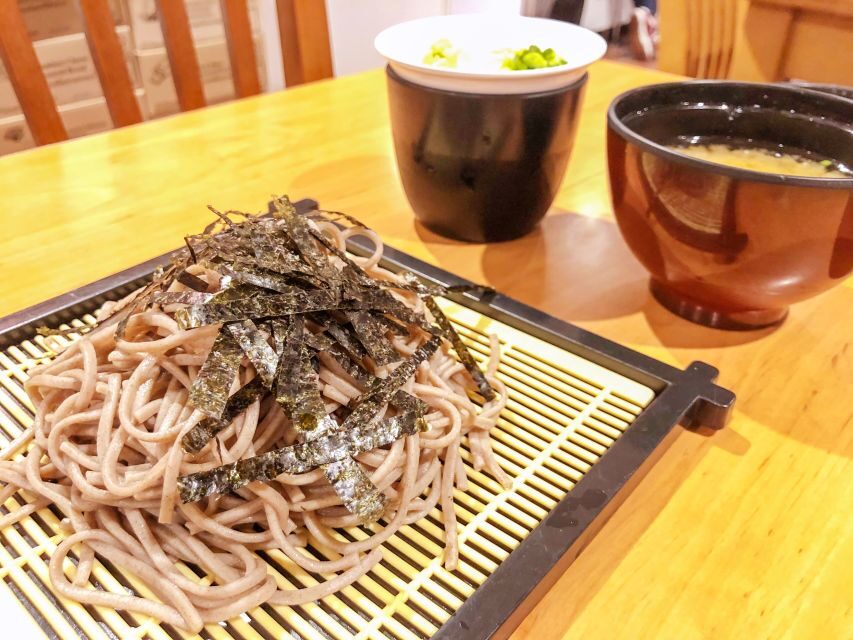
Another stop that gets attention is a seaweed shop visit. That’s a smart choice because it keeps the food tour grounded. Osaka food culture isn’t only sugary treats and desserts. Seaweed shows up in lots of everyday flavors, and it’s the kind of shop you’d rarely stumble into by accident if you’re sticking to the main tourist lines.
If you like learning what goes where in real Japanese eating habits, this stop adds value.
Drinks included: tea, sake, beer, and how to plan around it
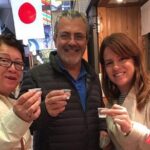
Your tour includes beverages: tea, sake, beer, or other options. That’s one of the better “value” parts of this experience, because you’re not paying extra every time you want to try something.
If you’re sensitive to alcohol or want to pace yourself, tea or non-alcohol options are part of what’s included. And since this is a walking tour, you’ll probably feel best if you match your sip pace to the route—especially if you’re in a warm spring day mood and moving through streets.
The Hanami ending: where you slow down for petals and photos
The tour ends back at the meeting point, but the final phase is meant to feel like a real Hanami moment. You’ll reach a secluded spot where shrines and cherry trees intertwine. Then you sit, snack, and savor the moment like locals do.
That’s an important detail. Many food tours treat the “viewing” as a quick stop. Here, the structure gives you time to enjoy the season. It also gives you a better sense of the neighborhood’s atmosphere than rushing through a landmark with strangers.
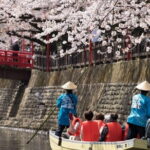
In the ideal spring scenario, you get a strong sakura experience. When bloom isn’t perfect, the guide can still point you toward what’s blooming—there are mentions of both sakura and ume blossoms when conditions weren’t fully cooperative. Rain can also change what you see, but the goal stays the same: you leave with a real Hanami stroll feeling, not just a plate count.
Guide impact: why small-group and English narration matters
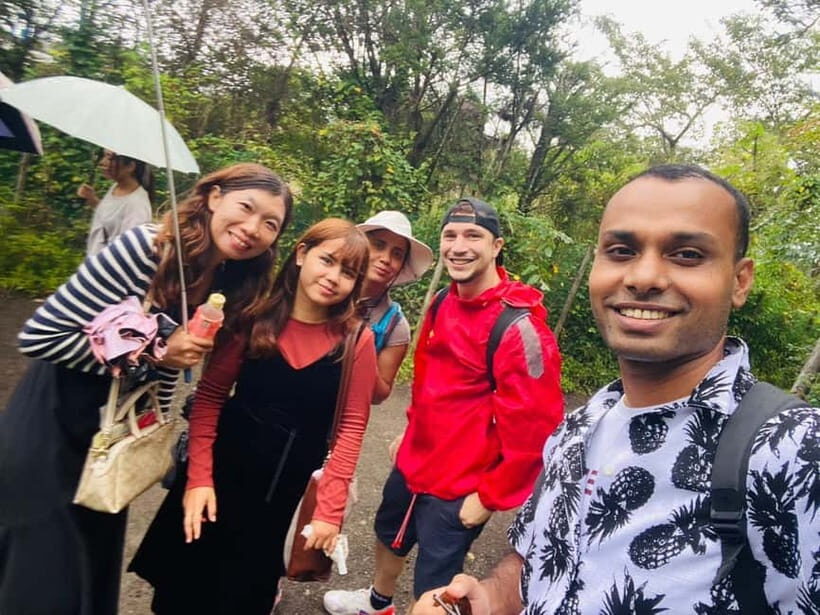
This tour is led by an English-speaking guide, and the group is limited to 10 participants. That setup makes a difference. You can actually hear explanations, ask follow-ups, and get help adjusting the pace.
The experience seems to shine when the guide reads the room. One example shared is a guide who was very accommodating and helped customize the experience when it rained. Another highlights a guide (Sanae) for bringing people through the old part of Osaka with strong English and a smooth sense of what to show. Another mentions Miki sharing Osaka food secrets and finding blossoms even when the weather and trees didn’t fully cooperate.
For you, that means: if you want the tour to feel like a conversation rather than a script, this group size helps. And if you’re nervous about eating unfamiliar foods, a good guide can guide you through the what/why without making it awkward.
Price and value: is $161 per person fair for Osaka spring?
At $161 per person, you’re paying for a guided experience with included food and drinks—plus the extra value of having someone navigate a specific seasonal focus in a specific neighborhood.
Here’s how I judge value on a tour like this:
- 3 hours with a local guide: You’re not just buying snacks; you’re buying direction, explanations, and timing.
- Multiple food stops: If it were only one or two bites, the price would feel steep. Multiple stops help justify it.
- Beverages included: Tea and options like sake or beer take away guesswork and extra spending.
- Small group size: Up to 10 people is a real quality factor for comfort and question time.
Could you eat this kind of meal on your own for less? Probably. But you’d also lose the spring-season context, the shortcut through the “right” small places, and the Hanami pacing the guide builds in.
So for me, it’s worth considering if you want spring flavor plus local context in a tight time window. If you’re on a strict budget and you enjoy planning your own food crawl, you might choose a cheaper self-guided approach. But if your priority is convenience with authentic neighborhood time, this is priced like a “buy back your time” tour.
Weather and expectations: what to do if sakura doesn’t cooperate
Cherry blossom season is famous, and it’s also unpredictable. Even when the calendar says spring, rain and bloom timing can change what you see.
The good news is that the tour is built around the day’s reality. Guides have helped make the best of it in rain, and they’ve found some blossoms (including ume) even when sakura wasn’t at the level people hoped for. That flexibility is more valuable than people realize, because it means you’re not stuck with a plan that only works in perfect conditions.
My advice to you:
- Keep your mindset on the overall experience—spring streets, snack stops, and a Hanami moment—rather than expecting one specific tree to be perfect.
- Bring a light layer or rain cover if the forecast looks iffy. You’ll still walk.
Who this tour suits best (and who might want a different plan)
This is ideal if you:
- Want a daytime Hanami experience without dealing with major crowds
- Like food tours that include explanations and aren’t only about sweets
- Prefer a small group and a guide who can adjust pace or route when needed
- Enjoy seasonal sampling—especially when it includes tea, sakura-inspired dishes, and spring drinks
It’s less ideal if you:
- Need wheelchair access (it’s not suitable)
- Hate walking and want mostly seated time
- Want a classic “stroll among the biggest famous blossoms” sightseeing day. This is more about Karahori’s seasonal charm than sweeping citywide icons.
Should you book this Osaka Hanami food tour?
I’d book it if you want a smart spring plan: neighborhood wandering in Karahori, multiple seasonal snack stops, and time to actually do Hanami instead of just passing by. The included beverages and the tea ceremony add real texture beyond food alone.
If you’re flexible about blossom conditions and you’re comfortable walking, this is a strong way to spend a few hours in Osaka during cherry blossom season. If you want a purely major-park-style flower hunt with minimal eating, then a different Hanami option might fit better.
FAQ
FAQ
How long is the Osaka daytime Hanami and food tour?
It lasts 3 hours.
Where do I meet for the tour?
Meet in front of the doll shop Masumuraningyoten Sueyoshibashiten right outside Matsuyamachi Station. The address is 2-8 Matsuyamachi, Chuo Ward, Osaka, 542-0067.
What is the easiest train route to the meeting point?
Take the Osaka Metro Nagahori Tsurumi Ryokuchi Line to Matsuyamachi Station, then use exit 2.
What’s included in the tour?
You get tea, sake, beer, or other beverages, plus local snacks from seasonal street food stalls, a variety of dishes at multiple food stops, and an expert English-speaking guide.
Do I have to pay extra for drinks or food?
Additional drinks or food are not included, though you may be able to purchase them at your expense.
Is it wheelchair accessible?
No, the tour is not suitable for wheelchair users.
What should I bring?
Wear comfortable shoes, since the experience involves walking.