REVIEW · OSAKA
Beautiful Wagashi (Japanese Sweet) Making Class
Book on Viator →Operated by Sakura Cook · Bookable on Viator
Wagashi gets personal fast. In this Osaka wagashi-making class, you’ll learn how to shape and decorate nerikiri, a top-tier sweet closely tied to Japan’s tea ceremony tradition. It’s a short, hands-on session that also teaches the why behind the craft, not just the how.
What I like most is the step-by-step focus: you’ll make the dough from scratch, color it delicately, then form decorative flower details. I also love the payoff. You finish with sweets you can photograph, eat right away, or take away—and you get recipes so you can try again at home. One thing to consider: the shaping and flower work takes patience, so if you want zero hassle and zero fine-motor effort, this might feel like more work than you expected.
In This Review
- Key Things to Know Before You Go
- Why Osaka Wagashi Class Feels Like Tea-Ceremony Practice
- Nerikiri from Scratch: Exactly What You’ll Make in 60 Minutes
- Coloring and Flower Shaping: The Tiny Skills That Actually Make It Pretty
- What You Do After Class: Eat, Photograph, or Take Home
- The Recipe Advantage: Learning What to Recreate at Home
- Meeting at Banix 北堀江: Finding the Door Fast
- Small-Group Osaka Instruction: Personalized, Not Chaotic
- Dietary-Friendly Wagashi: Veg Options Without Feeling “Substituted”
- Price and Value: What $45.53 Buys You (and What It Doesn’t)
- Who Should Book This Wagashi Class in Osaka?
- Quick Tips to Get Better Results (Without Overthinking)
- Should You Book Beautiful Wagashi Making in Osaka?
- FAQ
- How long is the Beautiful Wagashi making class in Osaka?
- Where does the class meet in Osaka?
- Is it a small-group experience?
- What wagashi will I learn to make?
- What ingredients are used for the wagashi dough?
- Is wagashi from this class suitable for vegans or vegetarians?
- Do I get to eat what I make?
- Are recipes included?
- What kind of ticket will I receive?
- Can I cancel for free?
Key Things to Know Before You Go
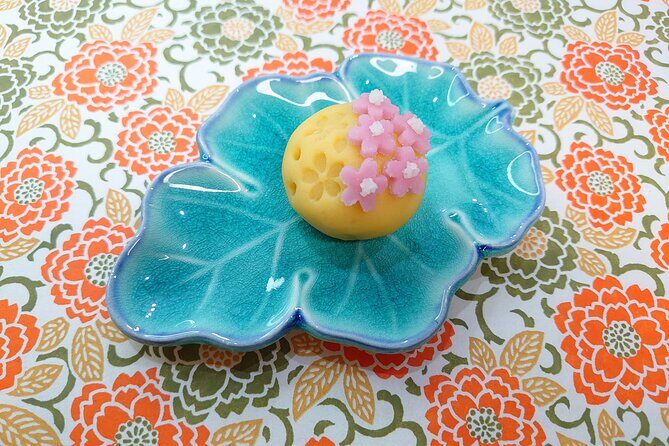
- Nerikiri technique: you’ll make dough, color it, and form decorative flower shapes
- Small group (max 8): you can get more direct guidance when you get stuck
- Simple ingredient base: white bean paste and glutinous rice flour
- Tea-ceremony connection: nerikiri is described as a high-quality style used in the ceremony
- Photos and take-away option: you’re encouraged to snap pictures before eating
- Recipes included: you leave with instructions to make wagashi again at home
Why Osaka Wagashi Class Feels Like Tea-Ceremony Practice
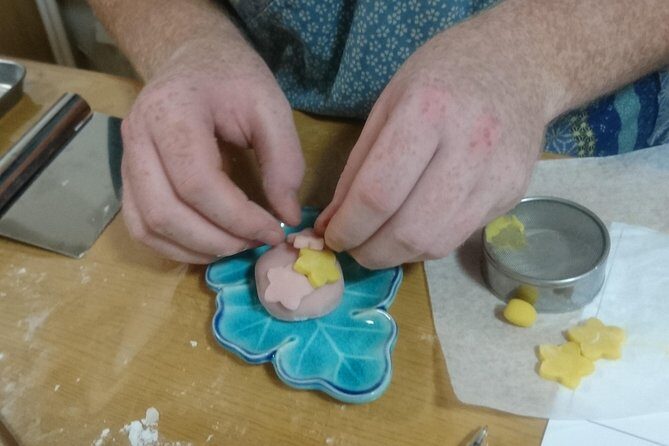
If you’ve only seen wagashi in photos, you might think it’s mostly about looks. This class nudges you in a better direction: you learn how nerikiri’s shape and texture come from real technique and real ingredients. And in Osaka—where food culture is taken seriously—you get to treat a sweet like a craft, not just dessert.
You’ll work with a dough built from glutinous rice flour plus white bean paste. That matters, because this isn’t “instant cookie” energy. The dough is meant to be pliable and shapeable, so your hands become part of the lesson. Then you’ll color it and build decorative details, flower by flower, so you can see how small changes change the final look.
The timing also helps. The session is about 1 hour, which is long enough to learn the core steps but short enough that you’re not stuck for half the day. That makes it a great fit on a food-focused itinerary day.
You can also read our reviews of more tours and experiences in Osaka


Nerikiri from Scratch: Exactly What You’ll Make in 60 Minutes
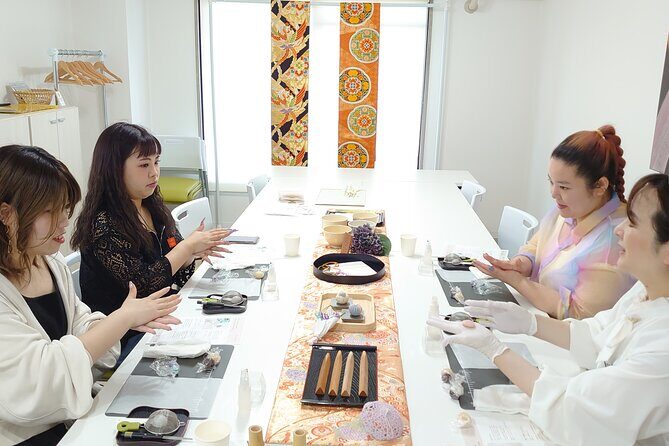
The central project is nerikiri, one of the higher-quality wagashi styles. The class is built around a clear sequence, and that’s what makes it feel manageable even if you’ve never done anything like it.
Here’s the flow you can expect:
First, you’ll make the dough from scratch. You start with the core ingredients—white bean paste and glutinous rice flour—and learn how to work the dough into something workable for shaping. This is where the class becomes real skill practice, because dough consistency affects everything that comes after.
Next comes the color stage. You’ll color the dough in delicate colors. This part is more than decoration. In wagashi, the colors help communicate mood and form, and in nerikiri they’re often used to highlight flower details and gentle transitions.
Then you’ll create decorative elements from the dough. The class specifically mentions making beautiful decorative flowers from the colored dough. This is the step where you move from “I’m making a sweet” to “I’m building a design.”
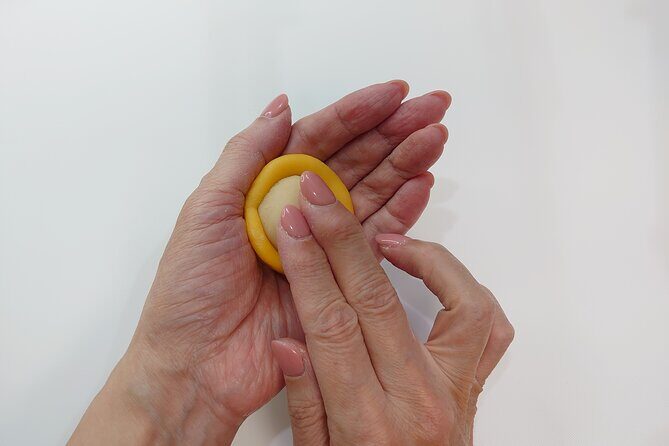
Finally, you shape the pieces. You’ll form balls and then garnish them with the decorative flower parts. At the end, you’ll have finished sweets ready to admire and eat.
Coloring and Flower Shaping: The Tiny Skills That Actually Make It Pretty
The most satisfying part of this kind of class is the moment your hands can follow the instructions without fighting the dough. You’ll probably feel that shift during the flower work. It’s not complicated in theory, but it is precise in practice.
A few practical notes based on how the class is described:
- Take your time with color. If you mix carelessly, the dough won’t look as clean in the final design.
- Think texture, not just shape. Flower details are about edges and form, not only rounding.
- Plan for imperfect first attempts. Even if your flowers aren’t museum perfect, you’ll still get a finished sweet you can be proud of.
Also, this class is described as requiring some skill—but you’ll feel the payoff when you finish. That’s important. Many “tour activities” are mostly watch-and-snack. This one asks you to do the work, and that turns your finished wagashi into a souvenir that’s actually meaningful.
What You Do After Class: Eat, Photograph, or Take Home
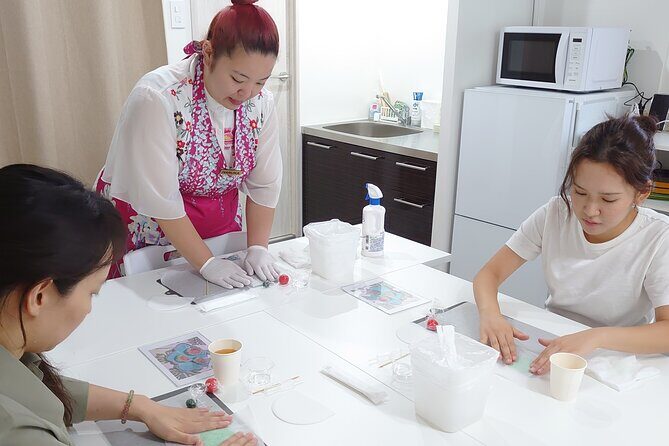
You’ll get to enjoy your wagashi at the end of class. Before you eat, you should take photos of what you made. Don’t skip this. The design is the whole point, and it’s easy to want to start eating immediately.
Then you have a choice:
- Eat on-site (right away while it’s fresh and at the right texture)
- Take it away if you want to enjoy it later
That flexibility is surprisingly useful if your Osaka day has back-to-back plans. You can fit this class into your schedule without feeling like you’ve committed to a sit-down meal afterward.
The Recipe Advantage: Learning What to Recreate at Home
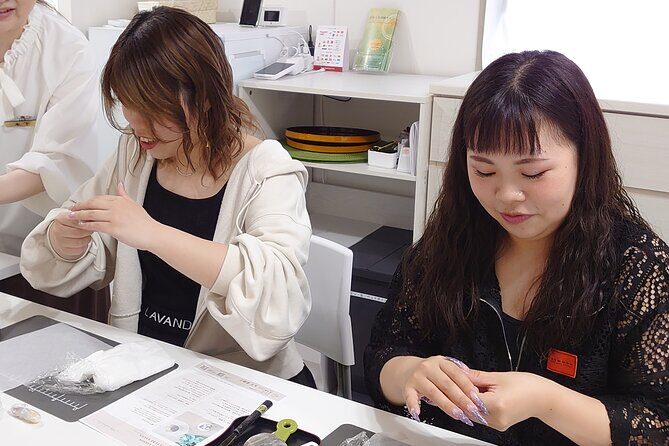
The class isn’t just about the hour in front of you. You also receive recipes for Japanese sweets to make at home. That’s where the value gets real, because wagashi can be hard to recreate unless you have a guide.
Since the lesson is built around specific steps—dough from scratch, delicate coloring, decorative flower shaping, and final assembly—you’re not only getting a recipe list. You’re getting a mental model for how the craft is put together.
If you like baking, this is a win. If you’re food-curious, it’s still a win, because it helps you move beyond eating desserts and into understanding how Japanese sweets are constructed.




Meeting at Banix 北堀江: Finding the Door Fast
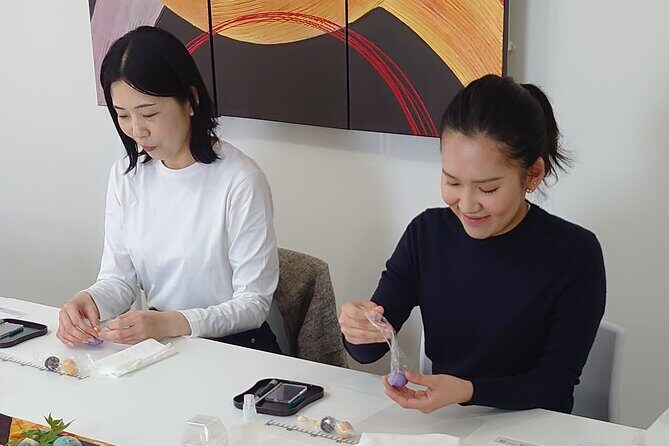
The meeting point is at Banix北堀江 in Nishi Ward, Kitahorie:
3-chōme62 システマギャラリー
Osaka, 550-0014 Japan
Two things to keep in mind:
- Arriving a few minutes early makes the difference between calm and sprinting.
- The entrance can be tricky to spot. A practical tip is to have your map view ready and cross-check the exact building name.
The good news: it’s near public transportation, so you’re not locked into taxis. Once you find the spot, the class itself runs back to the meeting point at the end—so you don’t have to worry about transfers or complicated drop-offs.
Small-Group Osaka Instruction: Personalized, Not Chaotic
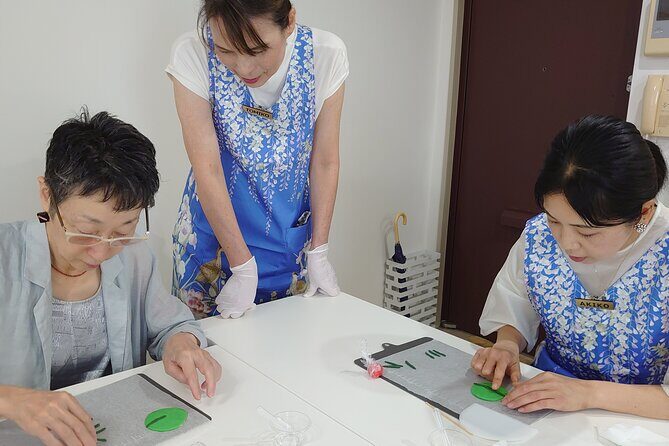
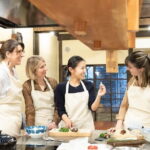
This experience caps at 8 travelers. That small number changes the feel of the class. You’re not one of twenty people doing the same step while someone yells over the room. It’s more like a focused workshop.
You’ll also benefit from clear guidance and translation support. One instructor named Fumi was specifically mentioned as leading an experience with strong English translations. Even if you don’t have the same instructor, the overall structure is described as organized and easy to follow, which matters when you’re working with dough and timing.
If you like talking while you work, this kind of class can be a great social fit. Because it’s hands-on and the group stays small, you usually have real chances to ask questions rather than just nod along.
Dietary-Friendly Wagashi: Veg Options Without Feeling “Substituted”
The class notes that wagashi made in this style can be enjoyed by vegans and vegetarians. That’s a meaningful point in Japan, where “food culture” can sometimes tilt toward seafood-broth thinking for certain dishes.
Here the ingredients are clear: white bean paste and glutinous rice flour. So you’re not guessing about hidden meat or complicated substitutions. That makes it easier to plan your Osaka eating day without worrying you’ll miss out on a traditional sweet craft.
Price and Value: What $45.53 Buys You (and What It Doesn’t)
At $45.53 per person, this class isn’t cheap like a street snack. But for a 1-hour workshop with hands-on instruction, it’s also not wildly priced.
Here’s what you’re paying for:
- Expert guidance on making nerikiri dough and shaping details
- A small group setup (max 8 travelers), which usually means more attention
- The chance to leave with something you made—plus the option to take it away
- Recipes so the learning doesn’t end when the class ends
- A tea-ceremony-linked sweet style, which adds cultural weight beyond generic dessert
What you’re not paying for:
- A full meal
- Extra sightseeing stops
- Long-duration entertainment
So I’d think of this as a “do the craft” experience, not a day-tour. If you’re the kind of person who enjoys cooking classes, pastry workshops, or cultural food crafts, this price starts to make sense fast. If you only want one quick bite, you might prefer a wagashi tasting instead.
Who Should Book This Wagashi Class in Osaka?
This class is especially good for:
- Foodies who want something more educational than a tasting counter
- Baking enthusiasts who like learning techniques you can repeat
- People who want a hands-on cultural activity that fits into an hour
It can also be a great fit for couples or solo travelers, because the format is designed around guided steps and small-group interaction.
One caution: the shaping and decorative flowers do take some skill. If you’re expecting an effortless craft where everything looks perfect instantly, you might get annoyed with the learning curve. But if you’re okay with that (and you like the satisfaction of finishing something yourself), you’ll probably have a lot of fun.
Quick Tips to Get Better Results (Without Overthinking)
To get the best experience, focus on these simple habits:
- Bring a phone with storage so you can take photos right before eating.
- Expect delicate work. Rushing the colored and floral steps shows in the final look.
- Wear something you don’t mind getting a tiny bit of dough residue on.
- If you get stuck, ask. Small group size is your advantage.
This is also the kind of activity where your first attempt doesn’t need to be perfect. The goal is learning the technique and making a finished nerikiri you can actually enjoy.
Should You Book Beautiful Wagashi Making in Osaka?
I’d book it if you want a real cultural craft in Osaka, not just a snack stop. The strongest reasons to go are the nerikiri focus, the small-group support, and the fact that you’ll leave with recipes—so it can turn into something you do again at home.
I’d skip it if you dislike hands-on food work or if you’re looking for a short activity with no skill practice. Since the flower details and dough shaping are part of the lesson, you’ll get the most value if you’re willing to slow down for about an hour.
If that sounds like you, this class is a solid bet.
FAQ
How long is the Beautiful Wagashi making class in Osaka?
The class lasts about 1 hour.
Where does the class meet in Osaka?
It meets at Banix北堀江, 3-chōme62 システマギャラリー, Nishi Ward, Kitahorie, Osaka 550-0014.
Is it a small-group experience?
Yes. The class has a maximum of 8 travelers.
What wagashi will I learn to make?
You’ll learn to make nerikiri, a high-quality wagashi style used in the tea ceremony.
What ingredients are used for the wagashi dough?
The class uses simple ingredients such as white bean paste and glutinous rice flour.
Is wagashi from this class suitable for vegans or vegetarians?
The class notes that wagashi made with these ingredients can be enjoyed by vegans and vegetarians.
Do I get to eat what I make?
Yes. You can enjoy your wagashi at the end of class, and you may also take it away.
Are recipes included?
Yes. You’ll receive recipes for Japanese sweets to make at home.
What kind of ticket will I receive?
You’ll receive a mobile ticket.
Can I cancel for free?
Yes. You can cancel up to 24 hours in advance for a full refund. If you cancel less than 24 hours before the experience starts, the amount paid is not refunded.