REVIEW · OSAKA
Osaka: Traditional Japanese Ceramics Private Experience
Book on GetYourGuide →Operated by Tocoton LLC · Bookable on GetYourGuide
Clay sticks to your fingers. That’s the point. In Osaka, you can turn that mess into something real: a hands-on traditional Japanese ceramics workshop with local guidance, plus a culture chat that doesn’t feel like a lecture. You meet at Teradachō Station, walk into a century-old two-story house, and get step-by-step help shaping one gastronomy-themed piece.
What I really love is that you don’t just watch from the sidelines. With Anna, you make the form with your own hands, then get clear coaching on shaping and finishing so a beginner can keep up and an experienced potter still learns something. Another big win: the class connects the craft to Japanese everyday life, so when you choose between a sake set, sushi set, or chawan for tea, you understand what you’re making and why it fits Japanese table culture.
One thing to consider: the piece you make is fired and finished after your session, and shipping home takes about 1.5 months (shipping costs aren’t included). If you’re short on time, plan to either bring it with you or budget for shipping.
In This Review
- Key highlights at a glance
- Meeting at Teradachō Station, then heading to everyday Osaka
- Your choices: sake set, sushi set, or chawan for tea
- Sake set (small bottle and glass)
- Sushi set (sushi plate and chopstick holder)
- Chawan for tea
- Shigaraki clay and Japanese glazes: where the authenticity comes from
- Anna’s private coaching: step-by-step, with room for questions
- A two-hour workshop that doesn’t feel rushed
- The included gift: small, thoughtful, and truly handmade
- Shipping your pottery: when to plan ahead
- Price and value: is $96 for Osaka ceramics fair?
- Language options that actually matter
- Who should book this workshop (and who might skip it)
- Quick practical tips before you go
- Should you book this Osaka ceramics class?
- FAQ
- What ceramic item can I make in this Osaka workshop?
- How long is the private ceramics experience?
- Where do I meet the guide?
- Does the price include materials and the final product?
- Can I choose the language for the class?
- Can I ship my finished pottery to my home?
- Is it suitable for young children?
Key highlights at a glance
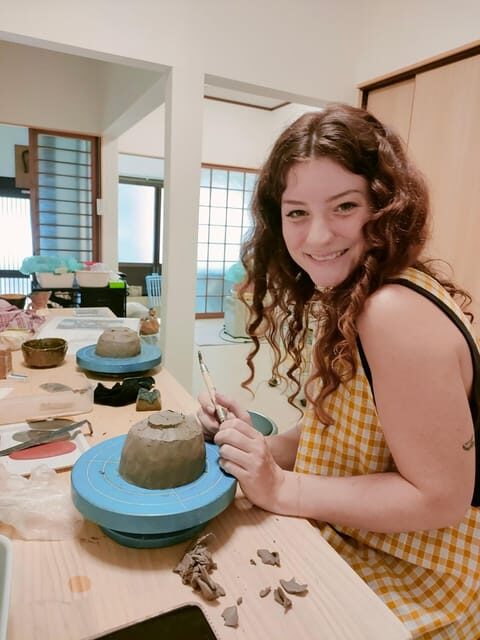
- Private, hands-on class in a century-old studio, with patient coaching from Anna
- Choose your project: sake set, sushi set, or a chawan for tea
- Shigaraki clay + typical Japanese glazes, so the look feels authentically Japanese
- Language options include English, Spanish, Catalan, and Japanese
- Included pickup from JR Teradachō Station and a handcrafted take-home gift
- Optional home shipping takes about 1.5 months, but fees are extra
Meeting at Teradachō Station, then heading to everyday Osaka

Osaka has a very showy face for visitors. This workshop takes you past that. You start at JR Teradachō Station’s north exit, looking for the studio sign for Ceramics Tocoton and meeting your guide. From there, you head out on foot into a neighborhood that feels more lived-in than tourist-centered.
The walk matters. It helps you shift gears from “sightseeing mode” to “slow down and make something” mode. Along the way, the studio is beside a street lined with local food shops, so you can get a sense of the city’s everyday rhythms rather than only the landmarks.
The best part is that this isn’t a giant group bus-and-camera stop. It’s a private session, and the meeting point is clear enough that you don’t have to play guesswork games with your phone.
You can also read our reviews of more private tours in Osaka



Your choices: sake set, sushi set, or chawan for tea
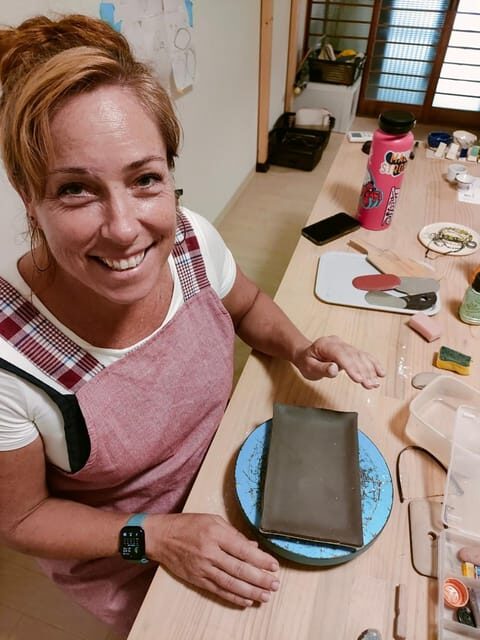
This workshop is built around one core idea: make a piece tied to Japanese gastronomy. During your two hours, you’ll work on one item from the following options.
Sake set (small bottle and glass)
If you like the idea of something that feels instantly celebratory, the sake set is a fun pick. It’s compact, table-ready, and makes a great “show-and-tell” souvenir. You’re not just making random pottery; you’re shaping objects that belong to how Japanese people serve and enjoy drinks.
Sushi set (sushi plate and chopstick holder)
This one is for anyone who eats with their eyes first. You’ll form a sushi plate plus a chopstick holder, which is a practical pairing you can actually use at home. There’s also a certain satisfaction in making tableware that works as a matching set instead of a single random bowl.
Chawan for tea
For a quieter, more meditative option, go with the chawan. A tea bowl is personal, expressive, and a little more “craft-forward” than a flat plate. If you enjoy the idea that form and texture matter, this choice tends to click with people who like handmade objects and calm routines.
A practical note: you’ll get an explanation of your chosen piece and construction steps. So even if you’ve never worked with clay, you’re not left to figure it out alone.





Shigaraki clay and Japanese glazes: where the authenticity comes from
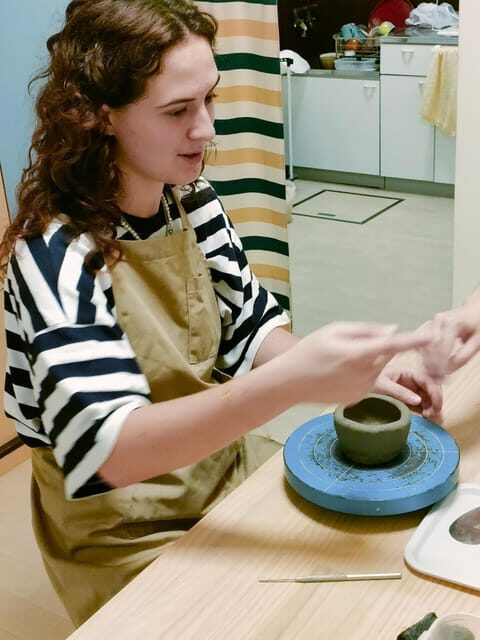
The ingredients are part of the story here. Your clay comes from the Shigaraki area, one of Japan’s traditional pottery production regions. That matters because it gives your piece the right kind of feel and character, not just the right shape.
Then you work with typical Japanese glazes and decoration colors that fit the style. This is one of those details that’s easy to overlook when you book a souvenir workshop. But when the final look matches Japanese ceramic traditions, your object doesn’t feel like a generic “tourist craft.” It looks like it belongs to Japanese table culture.
Also, your instructor talks through design choices while you’re working. That helps you understand what you’re doing and why certain colors or finishes make sense for the object you chose.
Anna’s private coaching: step-by-step, with room for questions
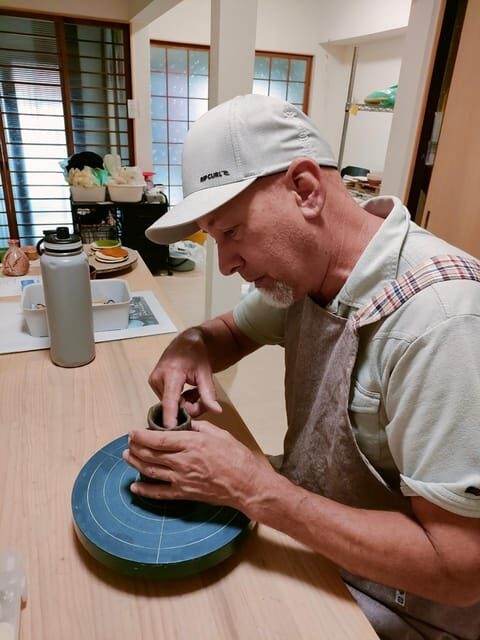
In a private workshop, the instructor can pace to you. That’s a big deal for ceramics, because hand skills don’t transfer through photos well. Here, you get direct, step-by-step guidance, and you can ask questions while you’re shaping the clay.
Anna has studied ceramic-making in Osaka and Barcelona, and that shows up in how she explains techniques and the cultural logic behind them. The class isn’t just “do this, then that.” You’re also getting conversation that links pottery to Japanese culture and food.
From the way the class runs, you can tell it’s designed for a wide range of skill levels. Beginners get support and clear instructions. People with prior pottery experience still have something to work with because the techniques and shaping choices are taught in a structured way.
One nice practical touch: the studio setting feels clean and well kept, and in colder seasons the workshop space is heated, so you’re not fighting the weather while your hands get busy.
A two-hour workshop that doesn’t feel rushed
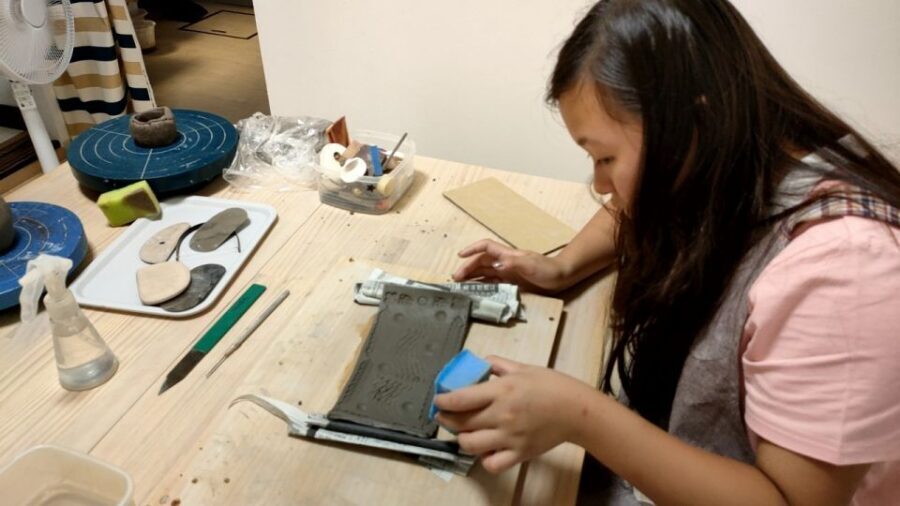
The duration is 2 hours, private. That might sound short until you realize how much time ceramics takes in real life. You’re doing the “build the form” work, then deciding on the glaze finish so the piece can be fired and finalized after your visit.
A common mistake in souvenir workshops is rushing the important parts. This one tries not to. You get enough time to actually shape, adjust, and understand the steps rather than only copy a final sample.
By the end, you’re not leaving with a raw wet project. You’re leaving with something already chosen and built to be finished properly.
The included gift: small, thoughtful, and truly handmade
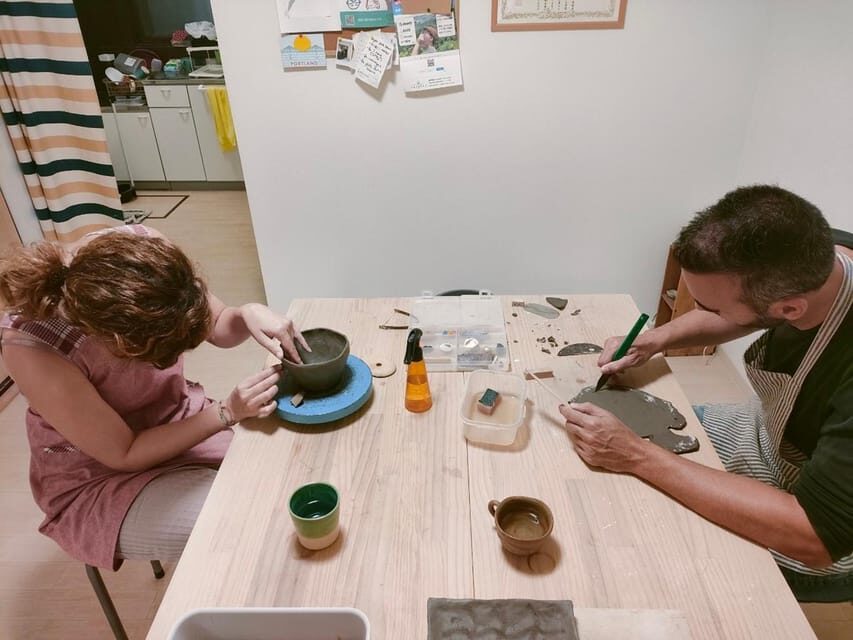
This workshop doesn’t end when you finish shaping your main project. You also receive a parting gift: a small dish decorated with a traditional Japanese pattern and a Sakura-shaped chopstick holder made by your instructor.
It’s the kind of souvenir that feels personal because it’s not just store-bought branding. It’s a handmade item tied to Japanese motifs you’ll actually recognize as part of everyday culture.
And because it’s small, it’s easy to bring home without turning your suitcase into a pottery warehouse.
Shipping your pottery: when to plan ahead
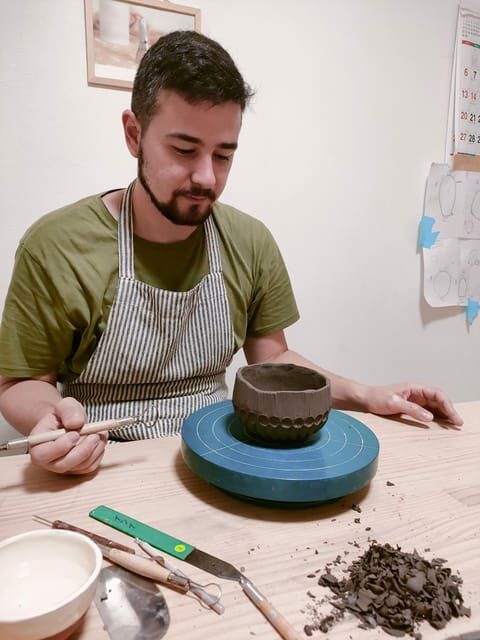
If you want the best of both worlds—make it in Osaka and travel light—you can ship your finished piece home. The workshop says it takes about one month and a half to ship your pottery, and shipping costs are not included.
So the decision is really timing:
- If you’re okay waiting and you want to travel lighter, shipping is a good option.
- If you need the piece in hand before you leave Japan, you’ll want to plan around that firing and completion timeline.
Also, allow extra time for the workshop’s finishing and post-work formalities. You’ll choose glazed finish during the session, and then the rest is handled afterward so your piece comes out the way it’s supposed to.
Price and value: is $96 for Osaka ceramics fair?
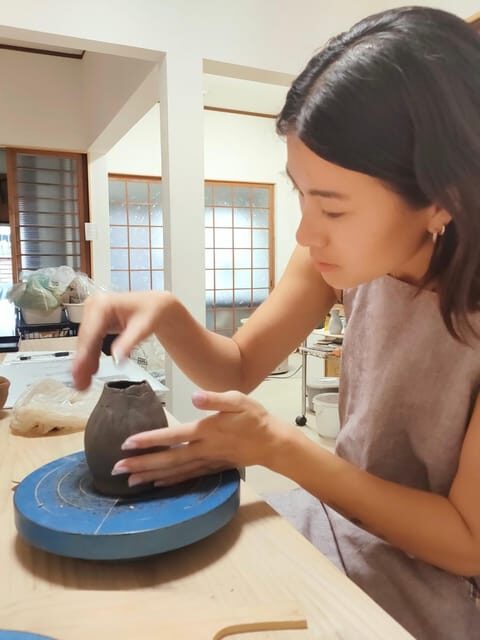
At $96 per person for a private, two-hour ceramics class, this is priced like a quality workshop, not a budget craft stop. The value comes from what’s included:
- Instructor guidance during the session
- Materials, including Shigaraki clay and typical glazes
- Your finished ceramic product
- Pickup from Teradachō Station
- A handcrafted take-home gift (the small dish and Sakura chopstick holder)
What you’re not paying for here is shipping (if you choose it), and your transportation to the meeting point is on you. But compared to workshops that feel like “pay for instruction, then pay extra for everything,” this one bundles the main essentials.
It’s also worth thinking of it as buying time with a craft teacher. A good pottery session is hard to replace on your own schedule once you leave the city.
Language options that actually matter
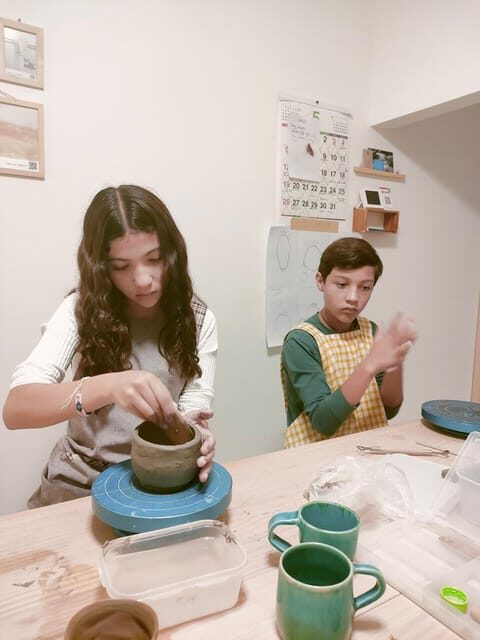
The workshop offers instruction in English, Catalan, Spanish, and Japanese. That’s a practical advantage, because ceramics instruction is visual and hands-on, but it also benefits from explanations.
If you’re comfortable in English or one of the other listed languages, you’ll still get the cultural context around Japanese design and gastronomy. If you want the cultural chat component to land, language support is a real plus.
Who should book this workshop (and who might skip it)
This is a strong fit if you want:
- A hands-on Osaka activity that creates a meaningful souvenir
- A private format where you can ask questions and go at your own pace
- A ceramics class with cultural context tied to food and table objects
- An instructor who supports both beginners and more experienced makers
You might consider skipping if:
- You need your finished pottery immediately to take home and use during the rest of your trip
- You’re not interested in making one specific item and learning the process behind it
- You’re traveling with very small kids (it’s not suitable for children under 5)
Quick practical tips before you go
- Plan to arrive on time at Teradachō Station north exit. If you’re more than 15 minutes late, it’s treated as a no-show unless you contact them.
- Choose your item based on how you want to use it later: sake set for drinks, sushi set for serving, chawan for tea rituals.
- If you’re shipping, remember the timeline is around 1.5 months, and shipping fees are extra.
- If you’re sensitive to cold, note the studio is heated in winter, but you’ll still feel more comfortable in layers.
Should you book this Osaka ceramics class?
Yes, if you want something you can’t fake with photos. This workshop is one of the better ways to spend a couple of hours in Osaka because you leave with:
1) a piece made by your own hands from Shigaraki clay,
2) a matching gastronomy-themed design choice (sake, sushi, or tea), and
3) a small handmade gift (Sakura chopstick holder included).
It’s also a smart pick for people who don’t want a stiff “museum talk.” The class format supports conversation about Japanese culture and food while you work.
Book it if you can plan around the firing-and-finish process. If you’re okay waiting for shipping (or you can bring the piece with you), the $96 price makes more sense as a craft experience you’ll actually remember.
If you want a souvenir that looks like it belongs in your home, not your junk drawer, this is the one to choose.
FAQ
What ceramic item can I make in this Osaka workshop?
You choose one: a sake set (small bottle and glass), a sushi set (sushi plate and chopstick holder), or a chawan for tea.
How long is the private ceramics experience?
It lasts about 2 hours.
Where do I meet the guide?
Meet at JR Teradachō Station’s north exit. Look for the guide carrying a sign for the studio, Ceramics Tocoton.
Does the price include materials and the final product?
Yes. The workshop includes the instructor, materials (Shigaraki clay and typical Japanese glazes), your finished ceramic product, pickup from Teradachō Station, and a gift (small dish with a traditional Japanese pattern plus a Sakura-shaped chopstick holder).
Can I choose the language for the class?
Yes. The workshop is offered in English, Catalan, Spanish, or Japanese.
Can I ship my finished pottery to my home?
Yes. The pieces can be sent to your home, and it takes about 1.5 months. Shipping costs are not included.
Is it suitable for young children?
No, it’s not suitable for children under 5 years old.