REVIEW · OSAKA
Osaka After Dark: Small-Group Night Food Tour (Max 6)
Book on Viator →Operated by Pinpoint Traveler, Inc · Bookable on Viator
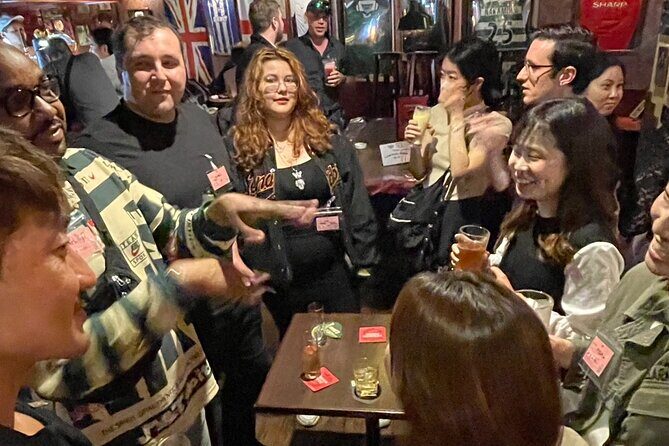
Osaka at night has a special rhythm, and this tour taps into it. I love the small-group vibe (max 6) and the way you get dinner plus three drinks while moving through real neighborhoods. One thing to plan for: it is not a pure food-only binge. You’ll also get culture, history, and walking between spots, and some dishes may feel adventurous to picky eaters.
What makes it interesting is the choice of districts. Instead of centering your evening on the most obvious tourist strip, you’re guided through Tenma and Kyobashi—where the street life feels more everyday, and where it’s easier to learn what to order without guessing.
You start at 6:00 pm, walk at a balanced pace, and finish near Kyobashi Station. Comfortable shoes matter, because “night stroll” in Osaka is still real walking—even with frequent chances to sit, sip, and eat.
In This Review
- Key Things to Know Before You Go
- Why Tenma and Kyobashi at Night Beats the Usual Osaka Circuit
- Small-Group Format: Better Conversations, Better Ordering, Better Flow
- The 6:00 pm Start and How to Think About a 3-Hour Night
- Pulala Tenma: The First Stroll and the Neighborhood Story
- Ogimachi Park: A Short Green Break Mid-Evening
- Tenjimbashisuji Covered Shopping Street Without the Tourist Trap
- Kyobashi Station and the Key Shift to Evening Dining
- What You Actually Eat: Dinner, Three Drinks, and the “Local Order” Skill
- Alcohol Rules in Japan and How This Tour Handles Drinks
- Price and Value: What $116.93 Buys You at Night
- Practical Tips So You Enjoy Every Stop
- Who This Tour Fits Best (And Who Might Want a Different Night)
- Final Call: Should You Book Osaka After Dark?
- FAQ
- How long is the Osaka After Dark night food tour?
- What is the maximum group size?
- What’s included in the price?
- Are alcoholic drinks included, and is there an age requirement?
- Where do you meet and where do you end?
- Do I need to pay for train fare during the tour?
- What is the cancellation policy?
Key Things to Know Before You Go
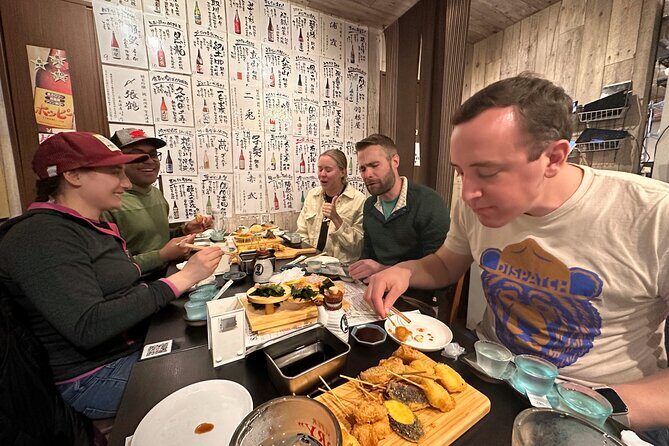
- Max 6 people for a more personal pace and easier conversation with your guide
- Three drinks included (alcoholic or non-alcoholic, depending on age and preference)
- Dinner is included, not just small bites
- Tenma + Kyobashi neighborhoods instead of the usual tourist circuit
- Public transport is included while moving between areas
- Moderate walking with multiple sit-down stops across about 3 hours
Why Tenma and Kyobashi at Night Beats the Usual Osaka Circuit
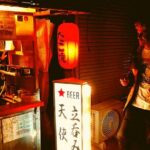
Osaka after dark can feel like one big food court, but the best nights happen when you slip into the side streets. This tour keeps you out of the loudest tourist magnets and instead leans into Tenma and Kyobashi, two areas where you’ll see how locals actually eat and drink.
Tenma is where the evening energy feels layered—older streets, small alley patterns, and a lot of everyday motion. Kyobashi adds a different mood: more station-adjacent convenience, with easy access to other parts of Kansai if you want to extend your night.
You also gain something that’s hard to replicate on your own: you’re not just eating. You’re getting context for what you’re seeing—so the places start to make sense as part of Osaka’s food culture.
You can also read our reviews of more food & drink experiences in Osaka

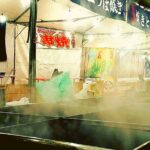
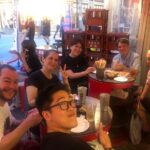
Small-Group Format: Better Conversations, Better Ordering, Better Flow
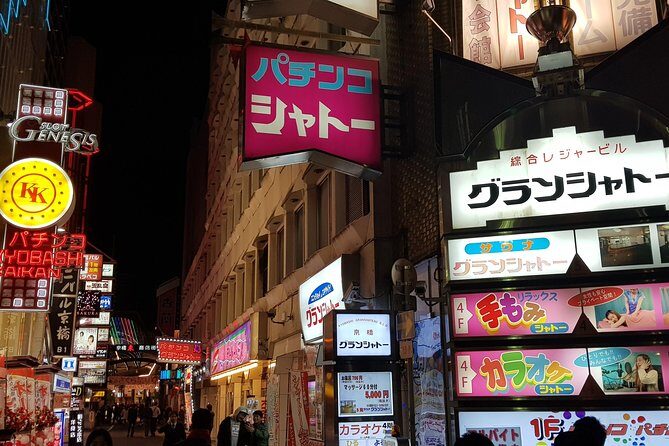
With a maximum of six people, the tour doesn’t feel like a conveyor belt. The best part of small groups is simple: you get time. That matters in Osaka, because ordering can be stressful when menus are fast, posters are dense, and staff move at their own pace.
The group size also helps with variety. This tour includes three food stops spread across the evening, plus dinner, and a mix of drinks. In practice, that usually means you get a broader picture of Osaka dining than you would by doing one big meal and calling it a day.
There’s also a pacing benefit. You’ll walk between venues, but you won’t spend the entire 3 hours trudging. Expect a mix of movement and time sitting down with your guide guiding you through what you’re eating and why it fits the neighborhood.
The 6:00 pm Start and How to Think About a 3-Hour Night
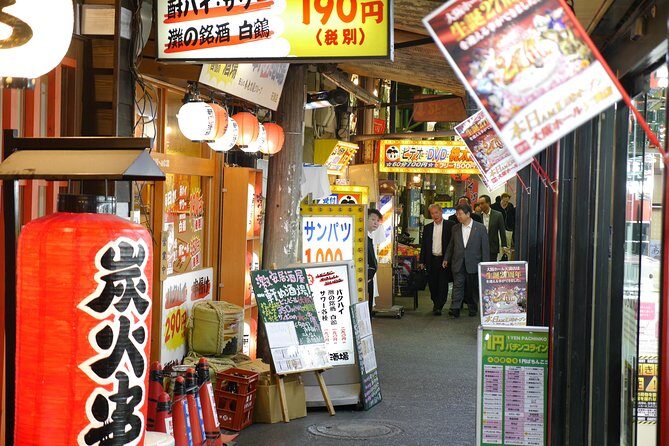
This experience starts at 6:00 pm and runs about 3 hours. That timing is great because you’re catching Osaka right as restaurants fill in and alley food scenes become fully alive.
If you’re the type who likes to plan every minute, you’ll probably still feel comfortable here. The itinerary has clear stops, but the route and timing can vary based on local conditions. That flexibility is normal for a nighttime neighborhood walk.
One practical note: this is a night tour with comfort rules. The tour involves a moderate amount of walking, so pack for feet, not just photos. I’d plan on wearing shoes that you trust on uneven pavement.
Pulala Tenma: The First Stroll and the Neighborhood Story
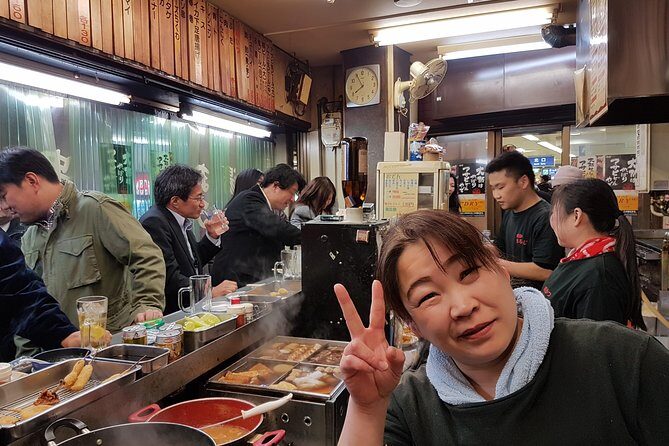
Your evening begins in the Temma area near Temma Station, starting at McDonald’s in front of Temma Station. From there, you head into the historic-feeling streets of Tenma and get a guided walk that’s not only about food.
You’ll spend about 35 minutes strolling and learning about the history and present of this part of Osaka. It’s the kind of intro that helps you spot what matters as you later eat—why certain streets feel the way they do, and how the neighborhood identity shapes the dining scene.
This is also one of the only stops on the plan that includes an admission ticket. The exact venue details aren’t spelled out here, so treat it as a small built-in “do something besides walk” moment.
A lot of the enjoyment from this first phase comes from tone. You’re not rushing. You’re being oriented, so when you hit restaurants later, you understand the logic behind the choices.
Ogimachi Park: A Short Green Break Mid-Evening
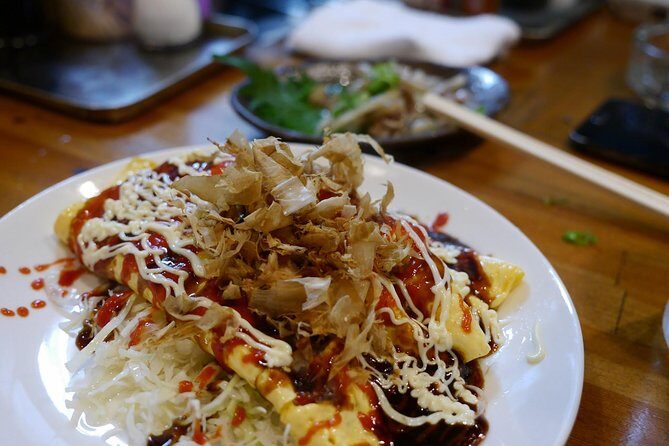
After the first chunk of Tenma, you get a breather at Ogimachi Park. This stop is brief—about 15 minutes—and it’s mostly about resetting your senses for the next phase of the night.
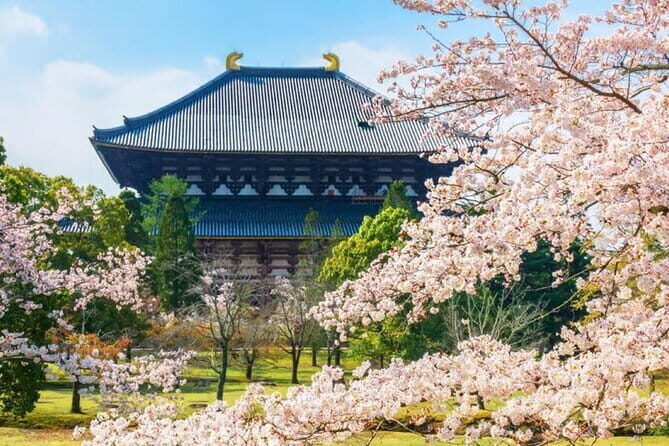
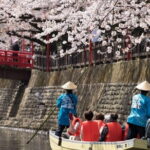
The park also has a seasonal angle: during spring, you can catch cherry blossoms here. Even if you aren’t traveling in cherry-blossom season, it’s a nice break from the density of covered streets and dining alleys.
Why this matters for your experience: a short pause keeps the tour from feeling like a nonstop food relay. You’ll be more ready to enjoy the next tasting without feeling rushed.
You can also read our reviews of more tours and experiences in Osaka
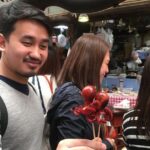

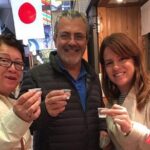
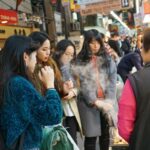
Tenjimbashisuji Covered Shopping Street Without the Tourist Trap
Next up is Tenjimbashisuji, the famous long covered shopping street in Japan. The tour doesn’t turn this into a shopping spree. Instead, you’ll walk down a short portion to get the feel of the scene.
This is a clever move if you’ve ever done a neighborhood walk that derailed into hard selling. Here, the focus is orientation: what the street looks like at night, what kinds of everyday places line it, and how Tenjimbashisuji fits into local life.
You also get a visual contrast. Tenma streets and back alleys have one texture. A covered shopping street has another—more continuous, more protective from weather, and easier to read as a “system” of commerce.
If you’re traveling with someone who doesn’t love shopping, this stop is still worth it. It’s short and purpose-built for atmosphere rather than spending.
Kyobashi Station and the Key Shift to Evening Dining
After Tenma, the tour makes a move. You take a short train ride to Kyobashi, and the transport fee is included while you’re on tour.
That shift matters because it changes the dinner energy. Kyobashi is a practical station hub, with the dining world right next door. You get the benefits of transit access without turning the tour into a rail schedule.
The plan indicates a longer block here, around 1 hour, and this is where your evening settles into its second neighborhood rhythm. Since the tour includes multiple sit-down food stops, you should expect at least one of your tastings to feel Kyobashi-specific rather than just a repeat of Tenma.
One theme that shows up in the tour experiences people talk about is variety in dining style. You might be in small rooms where ordering happens fast, or in spots that lean toward standing-style eating. Either way, the value is that your guide helps you figure out what to order and how much to expect.
What You Actually Eat: Dinner, Three Drinks, and the “Local Order” Skill
This tour is built around dinner plus three alcoholic or non-alcoholic drinks. That alone makes it feel more substantial than tours that only offer tiny samples.
It also helps you avoid a common nighttime problem in Japan: you end up hungry after the tour because you didn’t eat enough at the stops. Here, the structure is supposed to leave you satisfied rather than just curious.
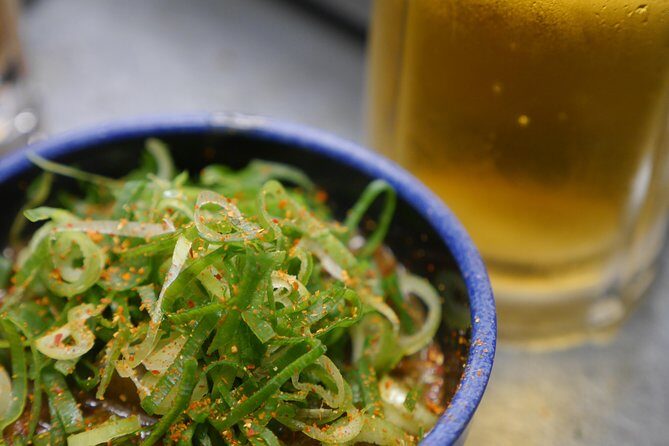
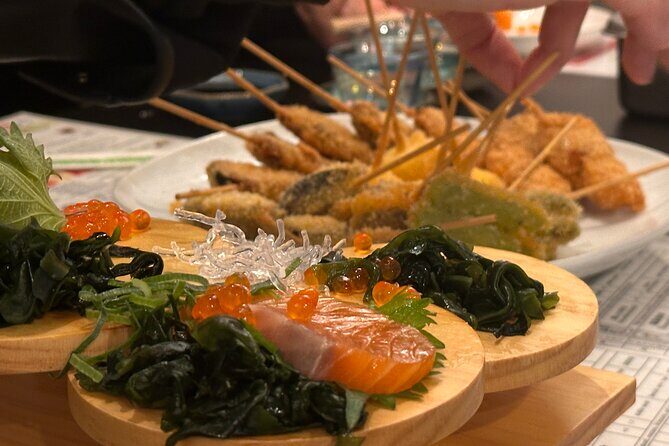
From what’s described in the experiences tied to this tour, the tastings can include both familiar and more adventurous items. One person specifically called out sashimi as very good, while others mentioned a mix that can include fried items or less predictable dishes. That means your best bet is to arrive ready for some variety.
The tour isn’t trying to be a fine-dining tasting menu. It’s more like: Osaka’s real night food, in the way locals actually eat it—small places, local choices, and guided ordering.
If you don’t drink alcohol, you’re covered: the tour includes non-alcoholic drink options as well. And if you’re a lawful adult traveler, the guide can serve alcohol depending on eligibility (more on that below).
Alcohol Rules in Japan and How This Tour Handles Drinks
Japan’s legal drinking age is 20. If you book as an adult 20 and over, you can be served alcohol. If you’re under 20, you should expect non-alcoholic drinks on the tour.
That detail matters because alcohol is part of the experience here—three drinks are included. You’ll still get a full drinks program even if you choose not to drink, but the exact serving style will depend on your eligibility and your preferences.
A good way to think about the drinks: they’re not just “extras.” They’re tied to the dining stops. In Osaka, pairing food with the right drink is part of the culture, so having drinks built into each phase makes the meal transitions smoother.
Price and Value: What $116.93 Buys You at Night
At $116.93 per person, this isn’t a cheap snack-and-walk. But you’re paying for more than food.
Here’s what’s included:
- Dinner
- Three drinks
- A native English-speaking guide
- Public transportation fees while moving between areas
When you price those elements separately—especially the guide time and the transit—you start to see the value. A solo “find three local places” night usually costs you more in time and confidence. This tour compresses the planning into a guided evening with fewer mistakes.
That said, the tour also has a balanced pacing that includes culture and walking, not only constant eating. If your goal is to maximize calories and skip context, you might feel slightly underfed compared to an all-food binge plan. If your goal is to leave Osaka understanding how local night food works, the price starts to make more sense.
Practical Tips So You Enjoy Every Stop
A few things will make or break your comfort.
Wear comfortable shoes. You’ll be walking moderate distances across neighborhoods, including nighttime streets and station-adjacent areas.
Be ready for variety. Some dishes can be surprising even if they’re standard local items. If you’re a picky eater, it helps to tell your guide what you truly won’t eat at the start.
Come with a light appetite for texture. This tour is structured around multiple places, not one giant restaurant meal. The tastings add up, and dinner is included, but it’s still different from doing one long sit-down course.
Use the guide for ordering confidence. One of the smartest parts of this tour is that you don’t have to guess. You’ll be in small local venues where ordering without help can feel like an obstacle.
Bring your stamina. A few people mention the tour feeling longer than scheduled when groups move at different speeds. If you’re traveling with limited mobility, keep that in mind and consider a slower-paced plan.
Who This Tour Fits Best (And Who Might Want a Different Night)
This experience is a strong match if you want:
- Local neighborhoods instead of the usual tourist route
- A guided night where food is paired with street-life context
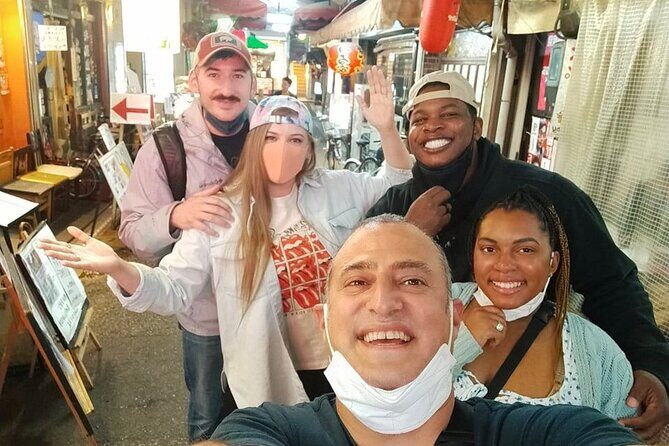
- A small group for conversation and ordering help
- Dinner plus drinks, not just sample bites
It’s less ideal if you want:
- A strict gourmet-only menu with only restaurant-level dishes
- An all-food event with minimal walking or minimal culture talk
- A predictable, kid-friendly variety that only includes safe items
The tour’s sweet spot is people who like learning while eating—and who enjoy backstreet atmosphere as much as the plates themselves.
Final Call: Should You Book Osaka After Dark?
If you’re trying to get a real feel for Osaka at night, this is an easy “yes.” The small group size, dinner and drink inclusions, and the focus on Tenma and Kyobashi make it a practical way to eat well without spending your whole evening lost or stuck in the obvious areas.
I’d recommend booking when you want both food and context, and when you’re comfortable with a moderate walking pace. If you’re extremely picky, or you only want restaurant-quality food with very little local street culture, you might be happier with a different style of food tour.
FAQ
How long is the Osaka After Dark night food tour?
It runs for about 3 hours.
What is the maximum group size?
The tour is limited to a small group with a maximum of 6 guests.
What’s included in the price?
Dinner is included, along with three alcoholic or non-alcoholic drinks. You also get a native (or equivalent) English-speaking guide and the public transportation fee while on tour.
Are alcoholic drinks included, and is there an age requirement?
Alcoholic drinks are included if you are booked as an adult aged 20 and over. The legal drinking age in Japan is 20. The tour also requires participants to be 13+.
Where do you meet and where do you end?
You meet at McDonald’s in front of Temma Station (Tenjinbashi, Kita Ward). You end at the plaza in front of Kyobashi Station (Higashinodamachi, Miyakojima Ward). Kyobashi Station has JR, subway, and the Keihan line.
Do I need to pay for train fare during the tour?
No. The public transportation fee while on tour is included, including the train ride between neighborhoods.
What is the cancellation policy?
You can cancel for a full refund up to 24 hours before the experience’s start time.
If you want, tell me your dates and whether you’re a heavy drinker, light drinker, or non-drinker. I’ll help you judge if this timing and format fits your style.