REVIEW · OSAKA
Nara Private Tour by Public Transportation from Osaka
Book on Viator →Operated by Fulfilling Inc. · Bookable on Viator
Nara feels close, but getting there can be tricky. This private full-day trip handles the hardest part: you meet in your Osaka hotel lobby and a guide helps you ride the trains to Nara with ticket and route support. I love that hotel lobby meeting keeps you from hunting for platforms, and I love that public-transport navigation means you can focus on temples instead of timetables.
You’ll spend about seven hours touring Todai-ji, Kasuga Grand Shrine, Nara Park, and Kofuku-ji, with the deer park moments built in. The one possible drawback is that English clarity can vary by guide, so if language comfort is a must, it’s smart to be upfront about that.
In This Review
- Key things I’d focus on before you go
- Why riding public transportation to Nara can be the smart choice
- Hotel lobby pickup, mobile ticket, and what this means for your day
- Todai-ji Temple: Great Buddha Hall and what to watch for in one hour
- Kasuga Grand Shrine: red shrine scenes and the National Treasure Hall
- Nara Park and the deer park moment: walking, spotting, and pacing yourself
- Kofuku-ji: the Fujiwara story that explains why Nara looks the way it does
- English guide support: what works well, and what to consider
- Pricing and value: is $175.58 a fair deal for a 7-hour private day?
- A realistic plan for your day in Nara
- Who this Nara day trip fits best
- Should you book this Nara Private Tour by Public Transportation?
- FAQ
- How long is the Nara private tour from Osaka?
- What’s included in the tour price?
- Are admission tickets included for Todai-ji, Kasuga, and the other stops?
- Are food and drinks included?
- Is public transportation to and from included?
- Is this tour really private?
- What is the cancellation policy?
Key things I’d focus on before you go
- Hotel-lobby start in Osaka: less time spent figuring out where to meet and when to board
- Ticket-and-route help on public transit: you avoid the common stress of cross-city transfers
- Todai-ji Great Buddha Hall time: a major highlight with national treasures in the mix
- Kasuga Grand Shrine and its National Treasure Hall: classic shrine scenery, plus important indoor exhibits
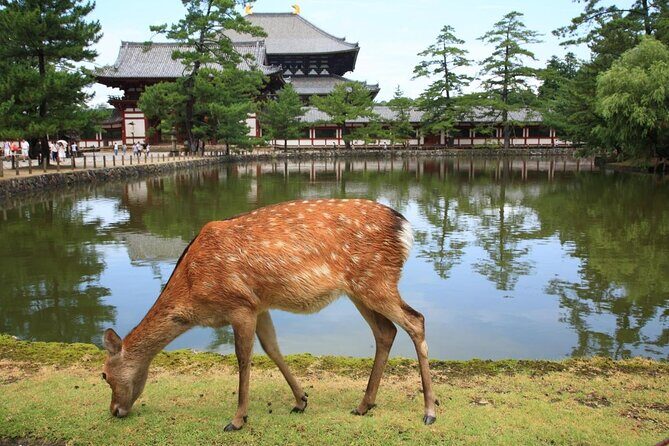
- Nara Park stop with deer-park vibes: a natural break between temples, with famous grounds to wander
Why riding public transportation to Nara can be the smart choice
Osaka to Nara is one of those routes where the basics are easy… until you’re staring at station signs, then it suddenly feels harder than it should. This private tour is built around the idea that Japanese public transportation is very good, but it still helps to have a guide who knows the right way to stitch it all together.
What you get is not just someone pointing directions. You get support while you move: choosing routes, handling what tickets to get, and keeping the day running on schedule. That matters because Nara can be very walk-and-wander. If you’re the type who wants to see multiple major sites without turning the trip into a navigation project, this format fits well.
The day is listed as about 7 hours. That length is a sweet spot for a first-time Nara outing: long enough to see the big names, not so long that you feel completely cooked by the end.
You can also read our reviews of more private tours in Osaka

Hotel lobby pickup, mobile ticket, and what this means for your day
The tour includes meeting in the hotel lobby, and pickup is offered. In practice, this is the difference between starting calm and starting frazzled. You’re not trying to match a time slot to a station platform while you’re juggling suitcases, phones, and the usual Japan-transfer questions.
You’ll also get a mobile ticket. Keep your phone charged and ready, and treat it like your day pass. If your battery is always at 20% by midday, bring a small power bank. It’s a tiny thing, but it can save you from last-minute stress.
This is a private tour, so only your group participates. That sounds obvious, but it changes the feel of Nara. You can ask questions, slow down when something catches your eye, and don’t have to stay glued to a larger group rhythm. If you’re traveling with kids, older family members, or anyone who hates sprinting between stops, private is often worth it.
One more small note: food and drinks are not included. So plan for your own snack breaks and meals. With a day like this, you’ll be happier if you treat meals as scheduled energy, not something you hope to find between gates.
Todai-ji Temple: Great Buddha Hall and what to watch for in one hour
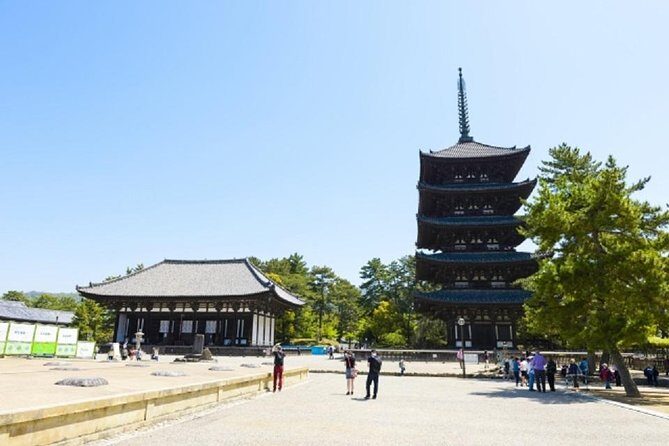
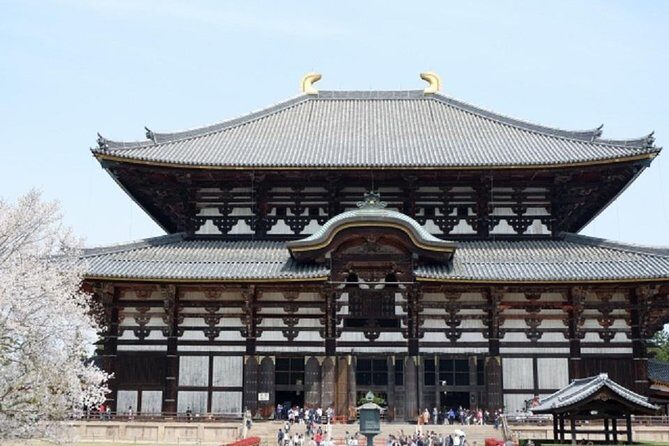
Todai-ji is a headline stop for good reason. The Great Buddha Hall is one of the largest wooden buildings in the world, and it’s where you’ll run into the famous Great Buddha. You also get time focused on temple treasures, since the grounds include national treasures.
Expect this stop to be about 1 hour. That’s not a long sit-down visit. It’s enough time to see the key structures and take in the overall layout, but you’ll want to decide early what matters most to you: the grand hall view first, then details and surrounding temple areas.
A practical drawback: admission tickets are not included. So budget for entrance fees separately. Also, if you’re trying to squeeze photos and reading and quiet reflection into the same hour, you might feel rushed. This stop works best when you treat it like a highlight sprint: see the hall, then slow down only if your timing allows.
Kasuga Grand Shrine: red shrine scenes and the National Treasure Hall
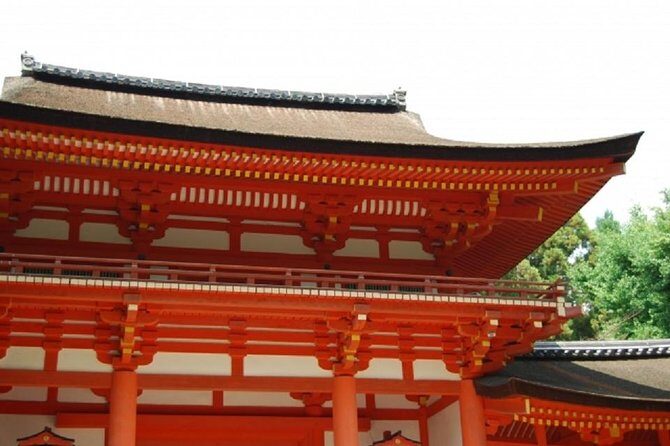
After Todai-ji, Kasuga Grand Shrine gives you a different mood. The shrine precinct is known for a red-painted, elegant shrine, with a long history of fame (including its reputation related to wisteria). If you like visual variety, this stop delivers it.
You’ll also have about 1 hour at Kasuga. Time here matters because Kasuga has both outdoor shrine scenery and an indoor highlight: Kasuga Taisha National Treasure Hall. The inclusion of the National Treasure Hall is a big deal because it shifts the experience from open-air sightseeing to important artifacts and structured displays.
Admission tickets are not included here either, so plan to pay entry separately. Another small consideration: if your main goal is outdoor shrine atmosphere, indoor time can feel like less of a payoff. If you care about the artifacts behind the scenes, you’ll probably feel glad the schedule includes both.
Nara Park and the deer park moment: walking, spotting, and pacing yourself
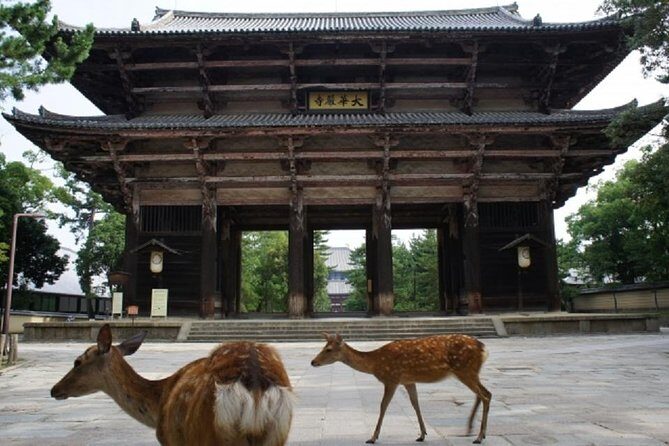
Nara Park is where the day becomes more than temples on a checklist. The park includes Mt. Kasuga and Mt. Wakasa, and it connects to other major sites like Kofuku-ji, Todai-ji, and Kasuga Taisha. That cluster is a big part of the magic: it’s not just one building, it’s a whole temple-and-nature landscape.
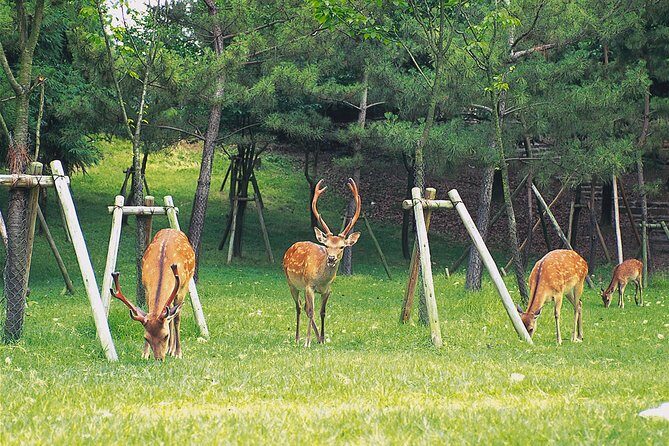
You’ll spend around 1 hour here, and it includes the famous deer park element from the trip highlights. There’s even a sense of playful chaos around the deer—close enough that you’ll notice them quickly once you’re in the thick of the grounds. I’d treat it like a walking environment where you keep your balance and your belongings secure while you enjoy the scenery.
The park area is also tied to UNESCO listing and includes many buildings designated as national treasures and world heritage. Translation: you’re getting a lot of meaning per step, even if you’re not reading every plaque.
This stop can be a little tricky for timing. It’s easy to get distracted because the park is interesting. If you want photographs, plan a quick route through first, then wander only after you’ve hit your priority shots.




Kofuku-ji: the Fujiwara story that explains why Nara looks the way it does
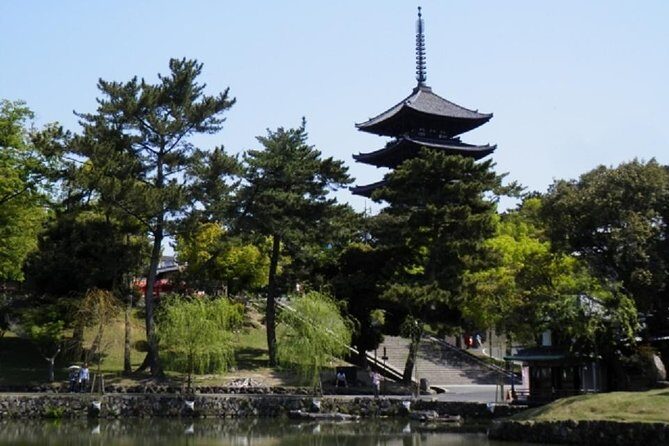
Kofuku-ji rounds out the day with a sharper historical angle. You’re told it was originally built as a private residence of Fujiwara Kamatari in Yamashina, Kyoto. Later, it was moved to its current location by Fujiwara nofuhito during the Heijo shift of the capital in 710.
That background changes how you look at the site. Instead of seeing a temple as a single moment in time, you see it as a story that moved with political power. It’s also a nice contrast to the big spectacle feel of Todai-ji and the shrine elegance of Kasuga. Kofuku-ji feels like a historical anchor that connects the dots.
You’ll have about 1 hour here. Again, admission tickets are not included, so budget for entry. This is a good stop for visitors who like context—who don’t just want a photo, but want to understand what they’re looking at while the day is still fresh.
English guide support: what works well, and what to consider
This is the core feature of the whole trip: an English-speaking professional guide who accompanies you the entire time on public transportation. When the guide is a strong fit, the tour feels effortless. People have praised guides such as Emiko for being warm, attentive, and making sure the plan hits all the promised stops. Others have highlighted Makino (Mike) for kindness, generosity, early arrival, and clear English.
That said, there’s one caution you should take seriously: English clarity and tone can vary. At least one past booking described an experience with poor English clarity—spoken quickly, quietly, and in a way that made it hard to follow—plus negative attitude. That doesn’t mean it’s the norm, but it does mean you shouldn’t treat “English-speaking guide” as automatically perfect for every scenario.
What I recommend before you go: think about how you prefer to travel and ask yourself what you need from your guide. If you enjoy asking questions and want explanations in detail, clarity matters. If you’re fine with a more straightforward flow, you can still enjoy the day even if the guide is less talkative.
Pricing and value: is $175.58 a fair deal for a 7-hour private day?
At $175.58 per person, this is not the cheapest way to do Nara. The value comes from what’s included versus what you handle yourself.
Included:
- English speaking professional guide
- Private tour (only your group)
- Meeting in the hotel lobby
Also provided:
- Pickup is offered
- Mobile ticket
Not included:
- Food and drinks
- Public transportation to/from (the customer handles transit costs)
- Admission tickets (not included at the stops)
So what are you paying for? You’re paying for reduced friction. Instead of figuring out how to get across cities, which tickets to buy, and which routes make sense, you get a guide managing the flow. For many visitors, that saves real time and reduces the mental load that comes from switching trains with limited Japanese.
This price can feel extra reasonable if:
- you’d rather spend your time looking at temples than learning train transfers
- your group benefits from private pacing
- you value English explanations during the day
It might not feel as worth it if:
- you’re a confident independent traveler
- you don’t need explanations and can handle transit on your own easily
A realistic plan for your day in Nara
Even with a guide, you’ll get the best results if you travel like a pro: simple priorities, good timing, and flexibility.
A smart approach:
- Wear comfortable shoes. You’ll be walking between major sights.
- Treat each stop as a highlight moment, not a long study session.
- Bring a plan for meals and snacks, since food and drinks are not included.
Also, keep your expectations tuned to the stop lengths. Each featured stop is about 1 hour, so you’ll get a focused sample of each place. If your main goal is deep, slow museum-style attention, this itinerary style may feel a bit compressed. If your goal is to see the best-known sites in a single day without travel stress, it fits well.
Who this Nara day trip fits best
This tour is a strong match if you:
- want a private format with only your group
- prefer public transportation but don’t want it to become a translation-and-transfer project
- care about guided context while moving through major UNESCO-listed sites and historic buildings
It’s also appealing if you’re traveling with someone who values structure. A guided day keeps the momentum. You’re not guessing which order makes sense or how long you can linger.
If your group loves doing things entirely on your own and doesn’t care about English explanations, you can likely build a cheaper DIY plan. But you’ll spend more time managing logistics and less time letting someone else handle the flow.
Should you book this Nara Private Tour by Public Transportation?
I’d book it if you want a straightforward, guide-led Nara day that starts in your Osaka hotel lobby and keeps you moving by train without turning your trip into logistics work. The temple lineup is clear—Todai-ji, Kasuga Grand Shrine, Nara Park, and Kofuku-ji—and the private format makes the schedule feel manageable.
I would hesitate only if you know you need consistently clear English and you’re sensitive to communication issues. In that case, I’d make sure your expectations are aligned and you’re comfortable with the possibility of variation by guide.
If you want a day that feels organized, photo-friendly, and rich in seeing without constant navigation stress, this is a solid way to do Nara.
FAQ
How long is the Nara private tour from Osaka?
The tour duration is listed as about 7 hours.
What’s included in the tour price?
Included items are an English-speaking professional guide, a private tour, and meeting in the hotel lobby. Pickup is offered as well.
Are admission tickets included for Todai-ji, Kasuga, and the other stops?
No. Admission tickets are not included at the stops.
Are food and drinks included?
No. Food and drinks are not included.
Is public transportation to and from included?
No. Public transportation to/from is not included, so you’ll cover those transit costs.
Is this tour really private?
Yes. Only your group will participate.
What is the cancellation policy?
You can cancel for free up to 24 hours in advance for a full refund. If you cancel less than 24 hours before the start time, the amount you paid is not refunded.