REVIEW · OSAKA
Osaka Japanese Cooking And Matcha Class near Osaka Castle
Book on Viator →Operated by Japanese home cooking class in Osaka · Bookable on Viator
Matcha starts in a neighborhood classroom, not a factory. I really like the small-group coaching and the chance to learn authentic matcha you can make at home. One consideration: it’s run by a family team, and English support can be limited, so you’ll get the best experience if you ask questions slowly and patiently.
Ikuko’s the host, and her son Takumi helps with translating. That family-style setup keeps the class friendly and low-pressure, especially when you’re focused on cooking and taste-testing rather than perfect conversation. Before the lesson starts, you can also relax with coffee since the space operates as a cafe.
The location is handy if you’re sightseeing near Osaka Castle, with the area just one JR stop from Osaka Castle Station and a 7-minute walk from Morinomiya Station. It’s also reachable from Shinsaibashi and Namba, which makes this a smart food stop before or after your main plans.
In This Review
- Key things you’ll notice right away
- A Small-Group Cooking Class Near Osaka Castle Station
- Lunch or Dinner, Then Choose One Dish Style
- Matcha Isn’t Just a Drink Here
- What You’ll Cook in Osaka: Home-Cooked, Okonomiyaki, or Bento
- If you choose okonomiyaki
- If you choose bento-style cooking
- If you choose home-cooked dishes
- Pairing It Right: Optional Sake Tasting
- Ikuko and Takumi Run It Like a Friendly Family Workshop
- Price and Value: About $65 for Two Hours of Skills
- How to Time This With Your Osaka Food Day
- Who This Class Fits Best (and When It Might Not)
- Should You Book This Osaka Cooking and Matcha Class?
- FAQ
- Is lunch or dinner available for this cooking and matcha class?
- What dishes can I choose to cook?
- How long does the class last?
- Is there an option to include sake tasting?
- How big is the group?
- What is the refund policy if I need to cancel?
Key things you’ll notice right away
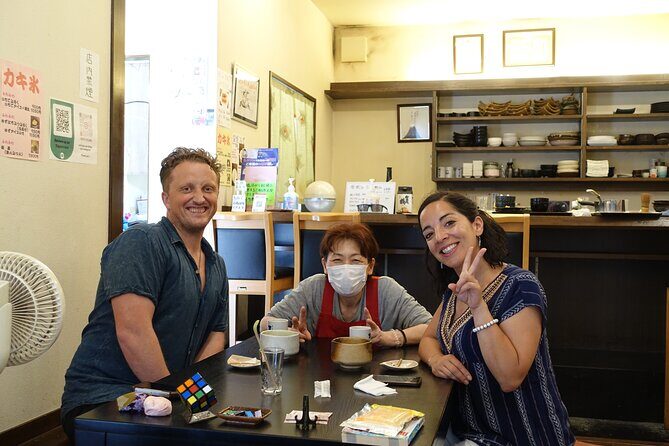
- Small group size (max 10) for real hands-on feedback, not just watching
- Lunch or dinner options so you can fit it around your day near Osaka Castle
- Pick one of three dish styles: home-cooked dishes, okonomiyaki, or bento
- Matcha lesson built for home so you can recreate the flavor later
- Optional sake tasting upgrade to pair with what you make and eat
- Family hosts (Ikuko and Takumi) that keep the vibe warm and personal
A Small-Group Cooking Class Near Osaka Castle Station
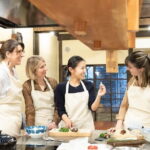
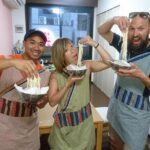
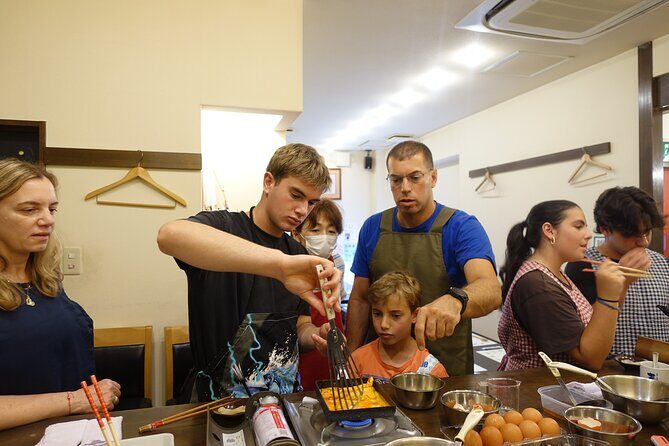
This class is built for people who like food, hands-on work, and small-room attention. With a maximum of 10 travelers, you’re not stuck waiting your turn. You’ll have time to ask questions and get correction on technique, which matters in cooking classes where one small step can change everything.
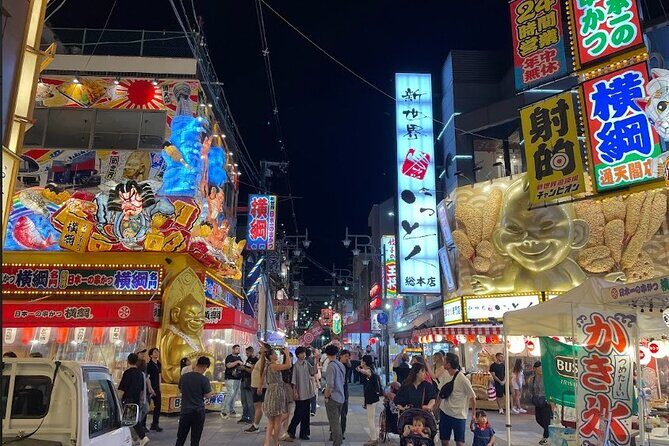
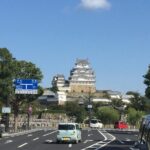
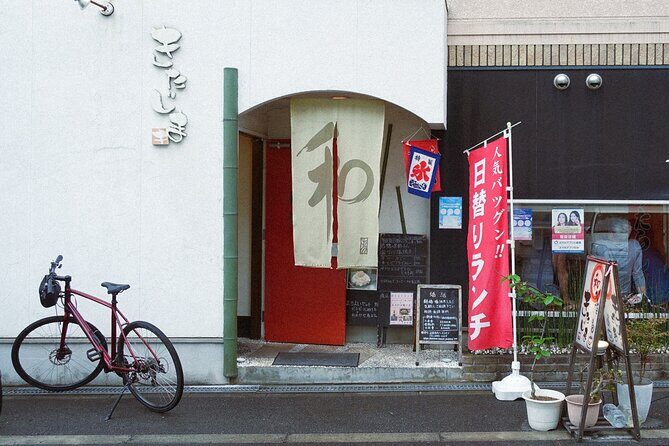
The meeting point is at 3-chōme-8-2 Nakamichi, Higashinari Ward, Osaka. It’s not in some far-flung industrial zone either. You’re close to the Osaka Castle area: one station by JR from Osaka Castle Station, then a short walk (about 7 minutes) from Morinomiya Station. If you’re coming from Shinsaibashi or Namba, that’s a big plus because you can tack this onto a sightseeing day without planning your whole route around it.
One practical win: this is a cafe space. That means you’re not wandering around hungry while you wait. You can grab coffee before class begins, get settled, and let your stomach stop arguing with your schedule.
You can also read our reviews of more cooking classes in Osaka

Lunch or Dinner, Then Choose One Dish Style
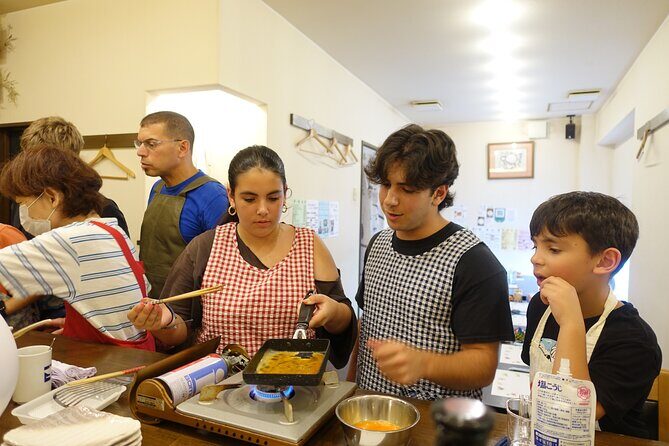
The class runs for about 2 hours, and you can choose a lunch or dinner option when you book. The start time shown is 5:30 pm, so if you’re booking for an evening session, plan on arriving a little early so you’re not rushing through the walk.
Here’s the key decision: you choose one dish from three categories:
- Home-cooked dishes
- Okonomiyaki
- Bento
This structure is actually a good sign for value. Instead of trying to cover five things at once, you focus on one dish experience and get better at that specific style. Still, it does mean you won’t leave with five different recipes to repeat from memory. If you want maximum variety in one sitting, you might prefer a longer class. If you want to come home able to cook one Osaka-leaning meal well, this format fits nicely.
What you cook will be presented as something commonly enjoyed in Japan and Osaka. And because the lesson includes matcha, you’re getting both savory and the classic green tea pairing culture.
Matcha Isn’t Just a Drink Here
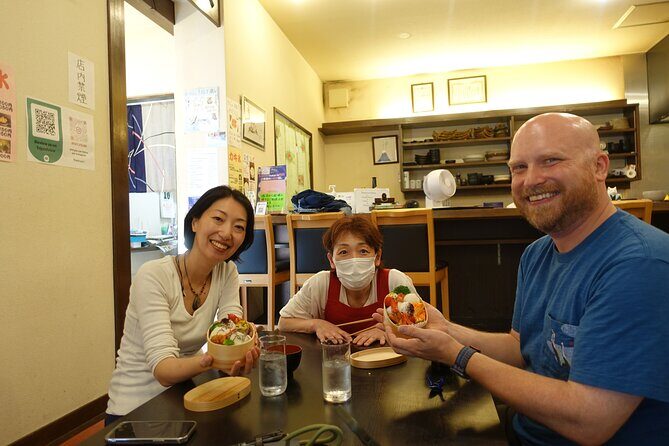
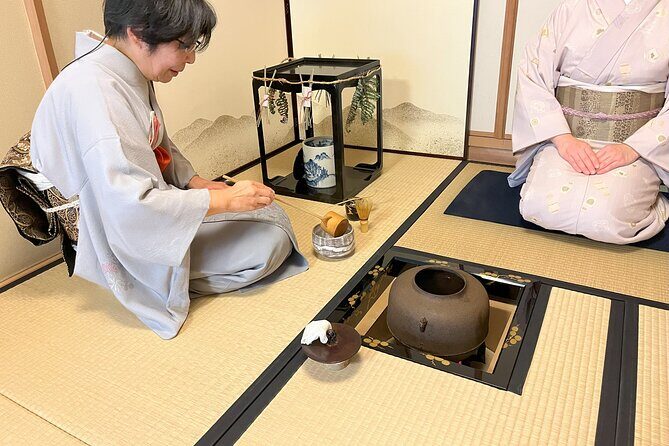
If you’re into Japanese food, matcha is one of those topics that sounds simple until you try making it. This class treats it like a real skill you can practice at home, not like a quick sampling.
You’ll learn how to make authentic matcha at home. That matters because matcha quality is only half the story; the routine is the other half. Even if you already own a matcha whisk, your method can still be off—things like how you combine, how you control foam and texture, and how you approach serving.
This is a useful takeaway for your future Osaka meal planning too. Once you understand what good matcha feels like in your cup, you can order it in cafes and restaurants with more confidence. You’re not just following the menu. You’re tasting with context.
And since the class is focused and small, you can ask questions if your results at home don’t match what you hoped for.
What You’ll Cook in Osaka: Home-Cooked, Okonomiyaki, or Bento
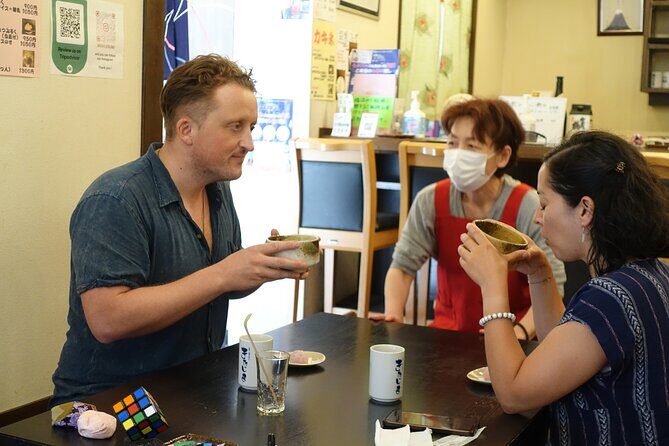
This is where Osaka food identity shows up. The class aims for dishes people actually eat, not just demo-food for tourists. Depending on what you choose, you’ll work toward one dish that represents the category you picked.
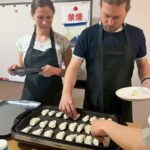
You might encounter examples like rolled omelette preparations (one guest mentioned salmon and daishiki rolled omelette) or takoyaki-style cooking in a similar cooking-session context. The important part for you is the learning approach: technique first, then taste.
If you choose okonomiyaki
Okonomiyaki is a natural Osaka choice because it’s comforting, interactive, and very technique-driven. You’ll likely focus on getting the right mix and cook so the texture holds up. This is the kind of dish where small changes show immediately—so you learn fast.
You can also read our reviews of more tours and experiences in Osaka


If you choose bento-style cooking
Bento is less about one big dish and more about the logic of a meal. Even when the class doesn’t go heavy on plating as an art show, the lesson tends to build practical habits: portioning, arranging, and making food that stays satisfying. If you’re thinking about packing lunches when you get home, that mindset is useful.
If you choose home-cooked dishes
This option is for people who want to go beyond street-food vibes and learn how Japanese home cooking feels in real life. It’s usually the easiest category to translate into everyday cooking later because home dishes match your kitchen routine more closely.
Either way, the class aims to make you more confident cooking Japanese food at home, not just taking photos.
Pairing It Right: Optional Sake Tasting
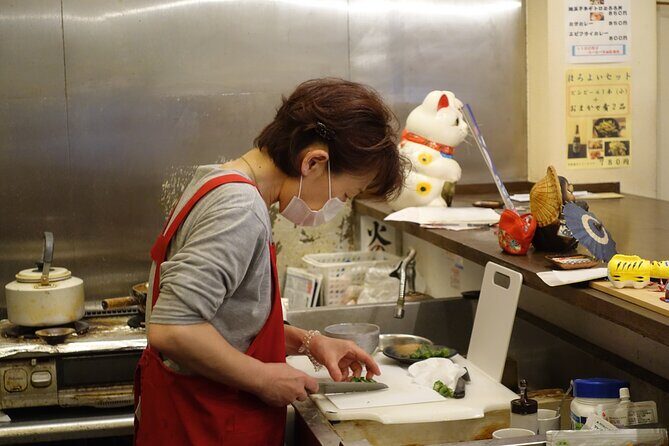
There’s an option to upgrade your class to include sake tasting with your meal. That’s a smart add-on if you enjoy food pairing and want to understand how Japanese alcohol fits into the meal rhythm, not just the drinking part.
A couple ways to think about this upgrade:
- If you’re the type who likes learning through taste (instead of only cooking), it adds another layer.
- If you’re driving the experience purely for technique, you might keep it simple and choose the standard option.
Either way, the class is designed around enjoying what you cook. The sake upgrade just adds one more cultural cue to pay attention to while you eat.
Ikuko and Takumi Run It Like a Friendly Family Workshop
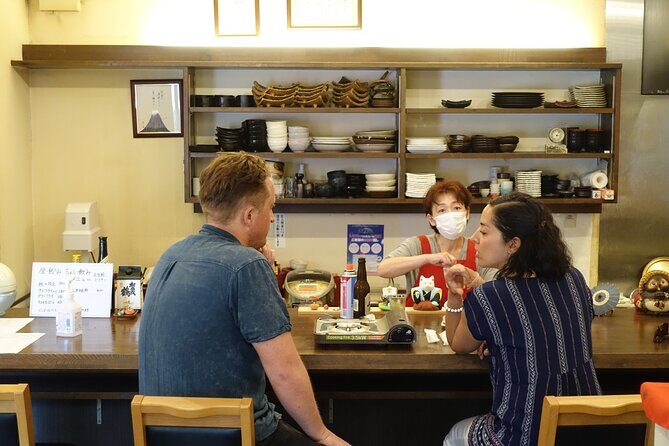
The most consistently praised part is how welcoming the class feels. Ikuko is the host, and she has a warm, engaging teaching style. Takumi helps with translation, which makes a difference more than you’d think. Cooking classes can get frustrating when you can’t quickly confirm what you’re doing wrong. With translation support, you can correct your technique in the moment.
This matters if your Japanese is limited. Even if you only know a handful of phrases, you can still participate fully because the focus stays on cooking tasks. You’ll likely be guided step by step, and you can ask follow-up questions without feeling like you’re interrupting.
The vibe is also practical. Instead of turning the kitchen into a lecture hall, it feels like a classroom where you learn by doing, tasting, and adjusting.
Price and Value: About $65 for Two Hours of Skills
At $65.69 per person for roughly 2 hours, you’re paying for three things at once:
1) a private-ish setting (small group up to 10)
2) live cooking coaching
3) matcha skills tied to making it at home
Is it cheap? No. Is it fair value? For many people, yes—because cooking classes are time-intensive to run and matcha requires real instruction. Also, you’re not just watching someone else cook. You’re learning a repeatable technique.
The booking pace is also telling: it’s commonly booked about 14 days in advance on average. That means if you’re traveling during a busy stretch, you’ll want to reserve earlier rather than hope for a last-minute slot.
And remember: the price can increase if you pick the sake tasting upgrade. If that’s part of your idea of a perfect Osaka meal, factor it in early.
How to Time This With Your Osaka Food Day
Because the class is near Osaka Castle and reachable from the big nightlife hubs like Shinsaibashi and Namba, it’s easy to place in your itinerary.
For an evening session (the start time shown is 5:30 pm), think about keeping your lunch lighter. Osaka can tempt you into heavy street-food meals. Then you sit down for cooking and matcha and realize your stomach is already full. You want enough room to taste your own work and the optional sake pairing if you upgrade.
If you’re doing sightseeing around the Osaka Castle area, this is a clean plan:
- Morning or early afternoon: castle-area walk and photos
- Early evening: head toward Morinomiya Station area
- Class: cook, learn matcha, eat what you make
You can also use this as a reset after shopping. If your feet are tired from Shinsaibashi and Namba, a cooking class is a good change of pace. You’ll still be moving, but it feels purposeful.
Who This Class Fits Best (and When It Might Not)
This class is a great fit if you want:
- hands-on cooking instead of watching
- matcha instruction you can repeat at home
- a small group where you can ask questions
- Osaka food that feels practical, not just performative
It’s especially nice for couples, solo foodies, and families who want an activity that produces a real meal. The friendly family-host approach also helps if you’re a bit shy about language barriers.
It might feel less ideal if you’re mainly chasing variety. Since you choose one dish category, you won’t leave having cooked a full lineup of Osaka favorites in one go. But that’s also the reason the instruction tends to be more focused and useful later.
Should You Book This Osaka Cooking and Matcha Class?
If your goal is to bring Osaka home with you—not just as photos—this is a strong pick. The small-group size, the Ikuko-and-Takumi teaching style, and the combination of one focused dish plus matcha you can recreate all add up to real value for your time in the city.
I’d book it if you’re excited about cooking and you want a friendly, structured way to learn. If you hate hands-on activities or you want a huge spread of different dishes in one session, you may want a different kind of food tour.
FAQ
Is lunch or dinner available for this cooking and matcha class?
You can choose either a lunch or dinner option to fit your schedule.
What dishes can I choose to cook?
You can choose one dish from three options: home-cooked dishes, okonomiyaki, or bento.
How long does the class last?
The class runs for about 2 hours.
Is there an option to include sake tasting?
Yes. You can upgrade to include sake tasting with your meal.
How big is the group?
The class has a maximum group size of 10 travelers.
What is the refund policy if I need to cancel?
Free cancellation is available, and you can cancel up to 24 hours in advance for a full refund.