REVIEW · OSAKA
Ancient Capital Tour: Kyoto and Nara Highlights from Kyoto/Osaka
Book on Viator →Operated by LIMON Tours · Bookable on Viator
Kyoto and Nara in one day sounds busy, but it works because the key stops are tightly linked by a tour bus route. I love how this itinerary pairs Arashiyama atmosphere with Kinkaku-ji’s Golden Pavilion, so you get both a scene and a landmark day.
You also get real practical help built into the format: an English-speaking guide, an air-conditioned vehicle, and free Wi-Fi so you can stay sane between sights. Guides like Yuki and Haru are praised for keeping the day on track, and Maria is noted for sharing pictures and maps to help you understand what you’re seeing.
The main thing to plan for is lots of walking and a brisk pace. If you’re hoping for deep, unhurried explanations at every step, you may feel a little rushed, especially around transitions and photo breaks.
In This Review
- Quick highlights before you plan your day
- Kyoto-to-Nara combo: what the day feels like
- Choosing the right meeting point in Osaka or Kyoto
- Arashiyama bamboo, Togetsukyo, and the Kyoto atmosphere
- Lunch option: traditional Kyoto specialties vs. eating on your own
- Kinkaku-ji Golden Pavilion: gardens, pond reflections, and photo time
- Todai-ji Great Buddha: why scale hits in person
- Nara Park deer time: senbei strategy and etiquette
- Guide quality: how names like Yuki, Haru, and Maria matter
- Price and value: is $90.75 a fair deal for this route
- Timing, walking, and how to stay comfortable
- Who should book this Kyoto and Nara highlights tour
- Should you book this Ancient Capital Tour?
- FAQ
- How long is the Ancient Capital Tour?
- Where do I meet the group in Osaka?
- Where do I meet the group in Kyoto?
- Does the tour include lunch?
- Are Kinkaku-ji and Todai-ji tickets included?
- Is there an English-speaking guide?
- Do I need to handle public transportation during the day?
- What about dietary restrictions like vegan or halal?
- Is the ticket digital?
- What is the cancellation window?
Quick highlights before you plan your day
- Arashiyama + Tenryuji edge + bamboo walk: a nature pause built into a temple-focused route
- Golden Pavilion timing: you get a set stop with time for gardens and photos of the pond reflection
- Todai-ji scale check: the Great Buddha statue is the kind of stop you understand only when you’re there
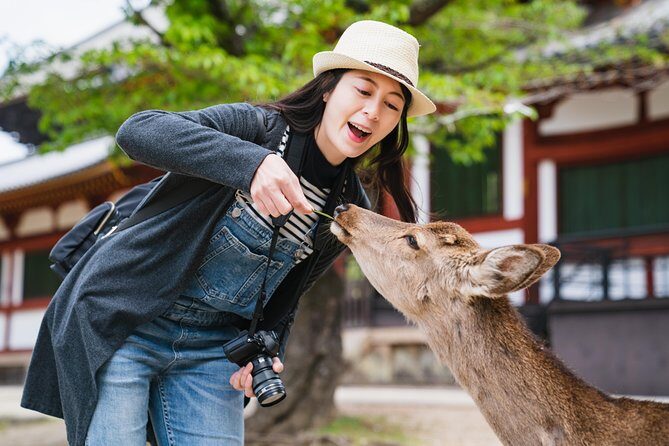
- Nara deer moments with senbei: feed the deer and watch them bow, without having to organize it yourself
- Mostly included entry tickets: Kinkaku-ji and Todai-ji are included on most options
- Small-ish groups (up to 42): enough structure to move well, without feeling like a stampede
Kyoto-to-Nara combo: what the day feels like
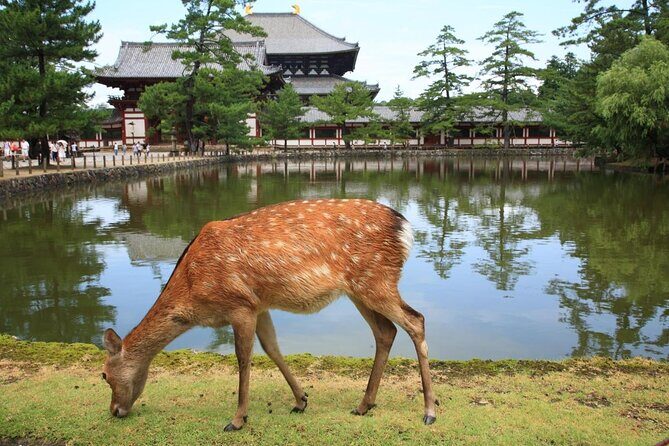
This is a 9-hour highlights loop that strings together three major experiences across Kyoto and Nara: Arashiyama, Kinkaku-ji, and Todaiji Temple / Nara Park. The idea is simple: see the famous things without wasting time figuring out train lines or bus transfers.
It does mean your time at each stop is measured. You’ll get an orientation around what matters, then you move on, which is great if you have limited time and want the biggest hits. If you want to linger for hours in just one neighborhood, you’ll probably want a longer, split-day plan later.
You can also read our reviews of more tours and experiences in Osaka.


Choosing the right meeting point in Osaka or Kyoto
This tour starts at either Namba (OCAT 1F, near Daiso) at 8:50 AM or Kyoto Station (Hachijo Exit, tourist bus parking area) at 9:05 AM. Double-check which city/date you booked, because the buses for Kyoto and Osaka departures run on different dates.
Check in about 10 minutes early, and be ready for the bus to leave on schedule. A few reviews flagged confusion around meeting signage and where exactly to line up, so if you’re the cautious type, arrive a touch earlier and look for the group cues. One helpful pattern: guides are in yellow, which makes it easier once you spot them.
Arashiyama bamboo, Togetsukyo, and the Kyoto atmosphere
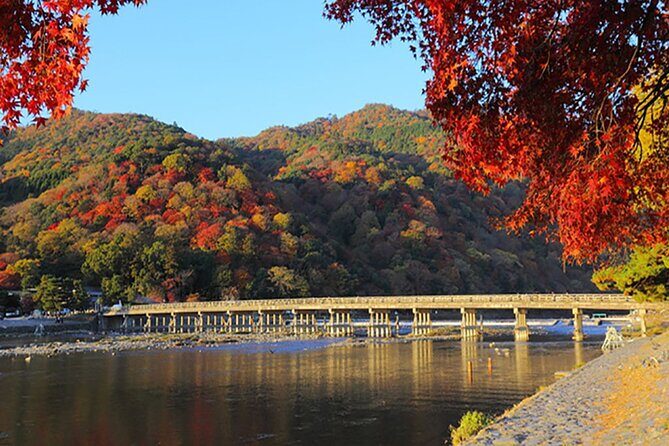
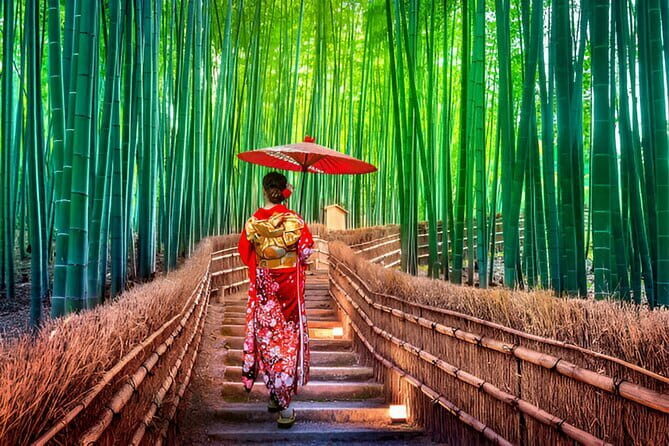
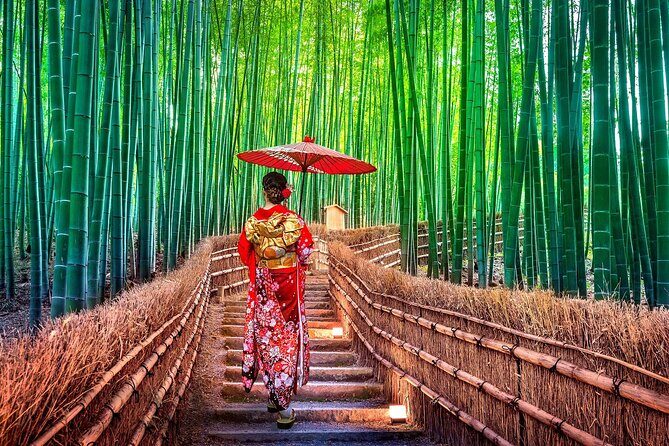
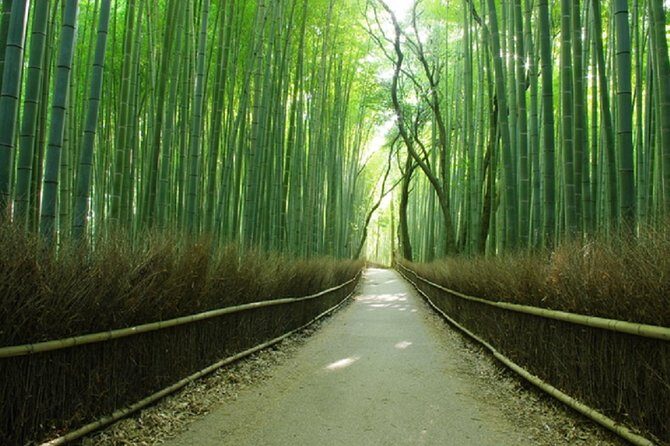
Arashiyama is the mood-setting stop, and it’s where the day starts to feel special. You’ll spend about 2 hours exploring the area, including the chance to walk the Sagano Bamboo Forest along the edge of Tenryuji Temple.
The bamboo path is the kind of walk where sound matters. Even if you’re not thinking about history yet, you can feel why people come here for centuries-old garden design: the leaves rustle, the light changes, and the walkway creates a gentle rhythm.
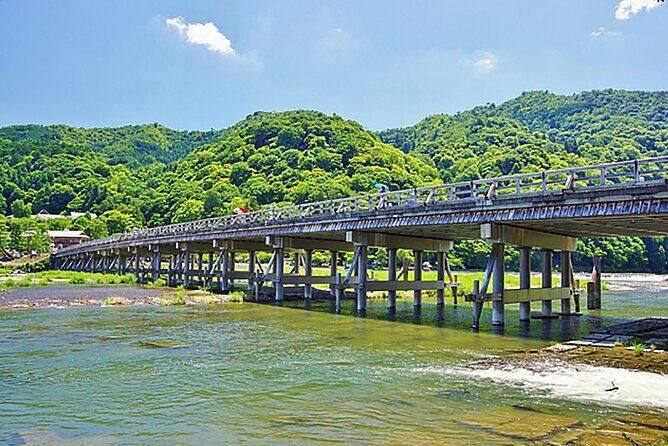
You may also pass by Togetsukyo, the moon-crossing bridge, with views toward the Katsura River. It’s a small detail, but it helps you connect what you see on the ground to what you’ll photograph later.
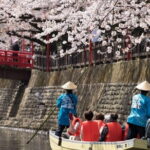
Season matters here. In April, you might catch cherry blossoms; in November, fall color is likely. In summer, cormorant fishing is mentioned as a local scene you could observe.
Lunch option: traditional Kyoto specialties vs. eating on your own
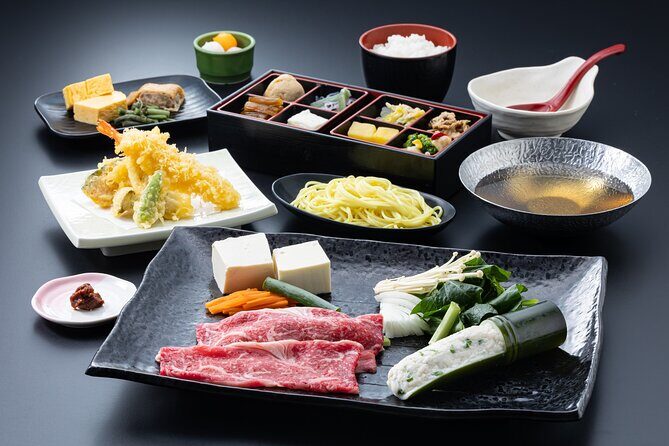
There’s an optional lunch upgrade during the Arashiyama portion. If you select it, you’ll have a traditional meal of seasonal Kyoto specialties (and it’s handled as part of the schedule, not something you arrange yourself).
One practical caution: the operator says they cannot provide vegan or halal meals. If you have vegetarian needs, they ask you to contact them at least 3 days before. If you’re unsure, skipping the lunch option can be a smarter move since there are plenty of places near main streets to eat on your own.
Kinkaku-ji Golden Pavilion: gardens, pond reflections, and photo time
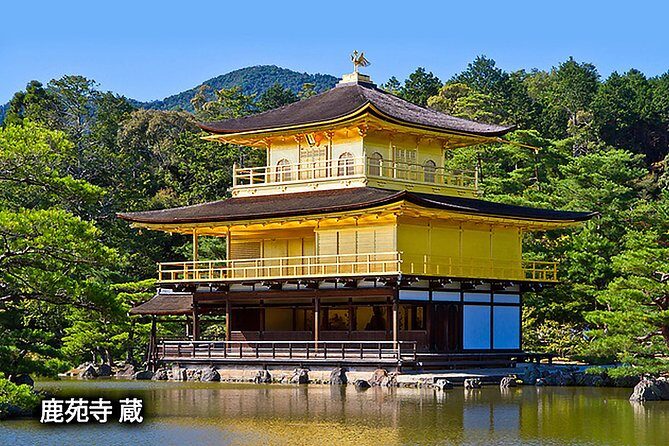
Next comes Kinkaku-ji Temple, the Golden Pavilion. This stop is around 45 minutes, with entry tickets included on most options (but not included if you choose the last-minute option).
The standout feature is the gold-leaf covered temple and how it pops in sunlight. The pond reflection is a big part of the experience, so if the light is right, your photos will look like what you’ve seen in posters. If the weather is less cooperative, it’s still worth seeing in person because the details don’t flatten the way pictures can.
After the main viewing area, you’ll have time to wander the serene gardens and manicured grounds, which are designed to keep the setting feeling composed instead of chaotic. The tour wording also points out that the garden design retains elements from the 14th century, so even with limited time, you’re not just checking a building off a list.
One thing to remember: time for photos can sometimes feel tight if you’re traveling with a camera obsession. The best approach is to pick your must-have angles early, then use the rest of the time to simply look around and enjoy.




Todai-ji Great Buddha: why scale hits in person
The day’s Kyoto highlight transitions into Nara with a famous stop at Todaiji Temple. The Great Buddha statue is described as one of the largest Buddha statues in the world, and this is one of those places where scale becomes the story.
This stop is part of the Nara portion, and you’ll typically have a chunk of time that includes both the deer area and the temple walk. Since tickets are sometimes included and sometimes not depending on your selected option, it’s smart to confirm what’s in your package before you go.
What I like about including Todaiji in this combo: it balances the visual sweetness of Kinkaku-ji. Kinkaku-ji is about polished beauty and reflection; Todaiji is about sheer mass and presence. If you only have one day for the region, this pairing makes the day feel complete.
Nara Park deer time: senbei strategy and etiquette
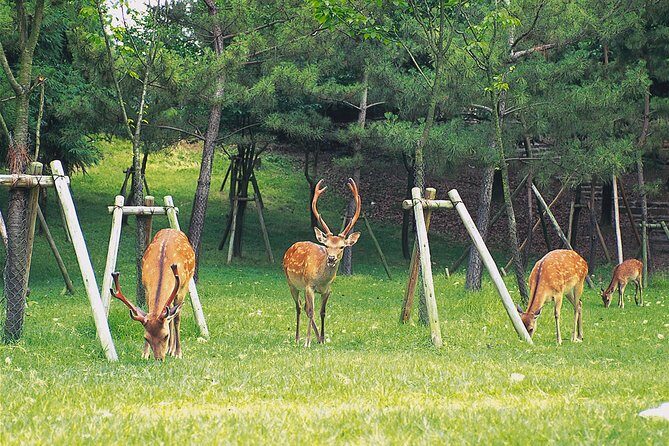
Nara Park is the playful, slightly chaotic payoff. You’ll get about 1 hour 30 minutes here, including the chance to see around 1,200 wild deer roaming freely.
You can buy senbei snacks to feed them, and there’s a known behavior: the deer are famous for bowing. This is where good timing helps. If you want calmer photos, it’s often better to feed in small bursts rather than standing for ages with your snack held up like a flag.
A few reviews also hint at what you should mentally prepare for: the deer can feel too confident if you don’t have food in hand. If that kind of interaction isn’t your style, you can still enjoy the park by focusing on the background views and letting the feeding moments happen nearby.
Nara Park also includes the UNESCO World Heritage site area around Todaiji Temple, so you’re not just watching animals. The deer scene and the major temple complex belong to the same cultural zone, which makes the walk feel tied together instead of like two separate activities.
Guide quality: how names like Yuki, Haru, and Maria matter
This tour lives or dies by the guide, and the good news is the guides often bring more than translations. Yuki is praised for staying on schedule and sharing tips for after the tour. Haru shows up in feedback as kind and helpful, and people describe her as a big reason the day felt smooth.
Maria is singled out for a smart approach: showing pictures before arriving and providing maps of each stop. That kind of prep helps you understand why you’re seeing what you’re seeing, especially when the day moves quickly.
Other names you may encounter in guide rotation include Riku, Josh, Hama, and Michiko. The pattern across feedback is consistent: when the guide is organized and proactive, the tight timing feels less stressful, and you get practical suggestions for what to do next.
Also, group size is capped at 42, so you’re not lost in a crowd. That matters when you’re trying to hear instructions, find the next meeting point, or keep track of where you’re supposed to stand.
Price and value: is $90.75 a fair deal for this route
At $90.75 per person for a full day, you’re paying for four things at once: transport, an English-speaking guide, priority access through included tickets (on most options), and a planned route across two cities.
If you try to copy this day on your own, you’d spend time sorting out transfers, ticket timing, and meeting points. The tour removes most of that friction, and that can be worth real money even if you’re comfortable navigating public transport.
The biggest price variable is your ticket option. The standard-style options mention entry tickets included for Kinkaku-ji and Todai-ji, but the last-minute option may exclude those admissions. Before booking, confirm exactly what your chosen option includes so you don’t get surprised once you’re at the gates.
If you add the lunch upgrade, you’re also buying convenience and schedule stability. Some people suggest skipping lunch because there are good eating spots nearby, so if you’re a confident independent eater, you might get more satisfaction by keeping it optional.
Timing, walking, and how to stay comfortable
This is a day trip, so plan like it’s a walking day. Even if each stop isn’t huge, you’ll cover ground between meeting points, temple areas, garden paths, and the park.
Comfortable shoes are a must. If you’re sensitive to long stretches, this tour might feel like too much in one go, especially if you also want to move slowly through gardens or take lots of photos.
Schedule changes are possible due to traffic or weather for safety. That’s normal in this part of Japan, and it’s a reason to keep your expectations flexible. If the bus is running behind, your best tool is patience and a quick decision about what you’ll prioritize at each stop.
Who should book this Kyoto and Nara highlights tour
I’d point you toward this tour if you want:
- A big-hit day with Arashiyama, Kinkaku-ji, Todaiji, and Nara deer
- An easier plan than figuring out transit across Kyoto and Nara
- An English guide and vehicle support so you can focus on the sights
You might want to choose something else if:
- You want long, slow time at one place (especially Arashiyama or Nara)
- You’re very picky about meal type, since vegan and halal are not offered
- You dislike tight schedules and prefer fewer stops with more breathing room
Should you book this Ancient Capital Tour?
Book it if you want a well-structured, guided day that gets you from Kyoto’s famous visuals into Nara’s deer-and-temples scene without the headache of planning transit. The value is strongest when your ticket option includes Kinkaku-ji and Todai-ji, and when you’re okay with a pace that’s efficient rather than leisurely.
Skip or upgrade your expectations if you’re hoping for deep explanations at each stop or if you’re easily worn out by walking. This tour is built for highlights, not for unhurried exploration.
If you’re trying to see Kyoto and Nara on a tight schedule, this is one of those choices that makes your day feel like it has a shape.
FAQ
How long is the Ancient Capital Tour?
It runs about 9 hours.
Where do I meet the group in Osaka?
The Osaka departure meeting point is Namba, OCAT 1F (near Daiso) at 8:50 AM.
Where do I meet the group in Kyoto?
The Kyoto departure meeting point is Kyoto Station Hachijo Exit in the tourist bus parking area at 9:05 AM.
Does the tour include lunch?
Lunch is included only if you choose the lunch option. If you choose not to add lunch, meals are not included.
Are Kinkaku-ji and Todai-ji tickets included?
Entry tickets for Kinkaku-ji and Todai-ji are included on most package options. They are not included if you choose the last-minute option.
Is there an English-speaking guide?
Yes. The tour includes an English-speaking guide.
Do I need to handle public transportation during the day?
No. You travel by air-conditioned vehicle with free Wi-Fi, so you don’t need to navigate public transport between stops.
What about dietary restrictions like vegan or halal?
The operator states they cannot provide vegan or halal meals. For vegetarian requests, you need to contact them at least 3 days before the tour.
Is the ticket digital?
Yes, the tour uses a mobile ticket.
What is the cancellation window?
Free cancellation is allowed up to 24 hours in advance for a full refund.