REVIEW · OSAKA
Ramen-Making Experience in the Osaka Castle Area with Souvenir
Book on Viator →Operated by Ramen Making Studio · Bookable on Viator
Ramen starts with your hands today. This small-group class lets you learn ramen from scratch in Osaka’s Osaka Castle area, with hands-on noodle work and broth choices. I like that you can pick your soup base (tonkotsu, shoyu, or miso), and I also like the English support and personal attention from the instructor. One possible drawback: it’s focused on cooking, not a sightseeing add-on.
Getting there is easy if you’re already exploring central Osaka. The studio is within a 20-minute walk of Osaka Castle, and multiple train stations are under 10 minutes away. Classes also run in morning or late afternoon, so you can slot this in without wrecking your day.
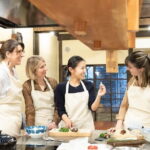
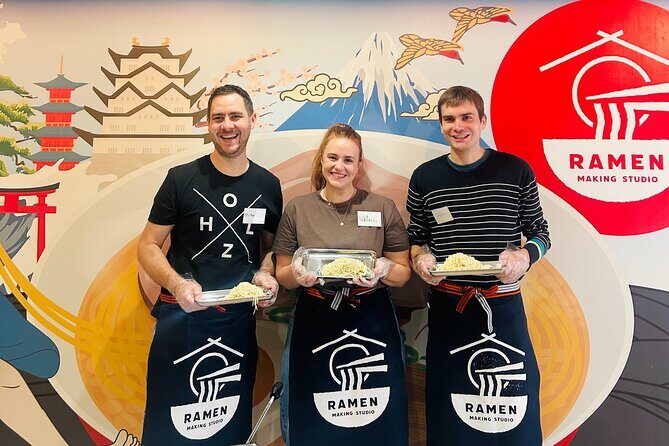
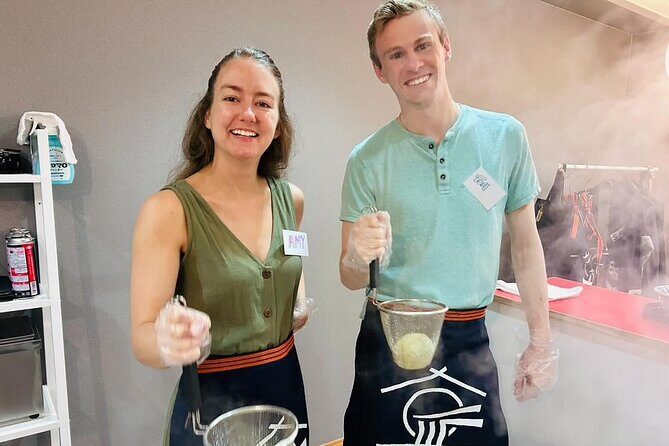
Inside, the venue feels like part classroom, part photo set. You’ll work in a studio decorated with Japanese ramen motifs, and there’s even a special entrance glass door made over 100 years ago. At the end, you get a souvenir to take home, which makes the whole experience feel complete.
In This Review
- Key highlights that matter before you book
- Entering the ramen studio near Osaka Castle (and why the location is smart)
- Getting there: the three station exits that keep your trip easy
- The 2-hour class flow: noodles, chashu, then soup base
- Noodle making: from flour to chewy ramen noodles
- Chashu making: tender chicken simmered in the original broth
- Soup making: your choice of tonkotsu, shoyu, or miso
- The ramen bowl you eat: what the class is really about
- Instructor style and small-group attention (why it feels friendly)
- Venue details: ramen motifs, culture extras, and a memorable entrance
- Soup base choice: tonkotsu, shoyu, or miso for different cravings
- Price and value: is $85.39 worth it?
- Practical considerations before you go
- Should you book this ramen-making class?
- FAQ
- Where is the meeting point for the ramen-making class?
- How long does the experience take?
- Is this a small-group experience?
- What soup bases can I choose from?
- Is the class beginner-friendly?
- Does the class include a souvenir?
- Do classes run at different times of day?
- What is the cancellation policy?
Key highlights that matter before you book
- Choose your broth base: tonkotsu, shoyu, or miso.
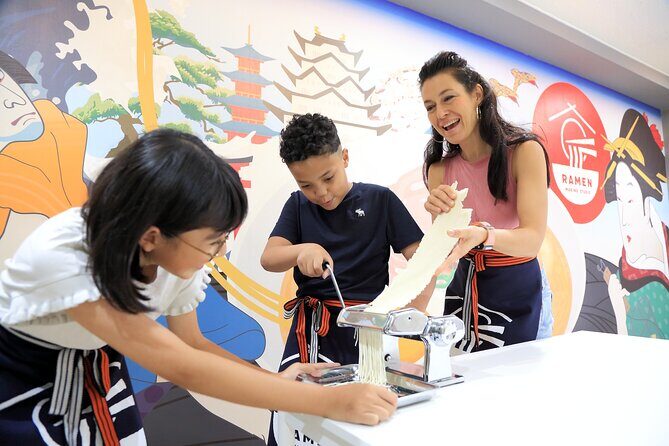
- Pull fresh ramen noodles using Japanese ramen flour made for this job.
- Make your own chashu with chicken simmered in the studio’s original broth.
- Small group size (max 8) means you’re not stuck watching from the sidelines.
- English-speaking instruction in real time with a friendly, Q&A style.
- Ramen-themed studio + cultural items for context, not just food-making.
Entering the ramen studio near Osaka Castle (and why the location is smart)
This experience is designed for people who want something practical and memorable, not just another meal. You meet at a studio in Higashitenma, and the location is handy for anyone already spending time around Osaka Castle. If you like walking and keeping your day efficient, the studio being within about a 20-minute walk of Osaka Castle is a big plus.
You also get options for public transit. Three stations are listed as less than 10 minutes away, with different exit numbers depending on which station you use. The fact that Tenmabashi, Minamimorimachi, and Tenmangu all work makes this class easy to plan even if your hotel is in a different part of the city.
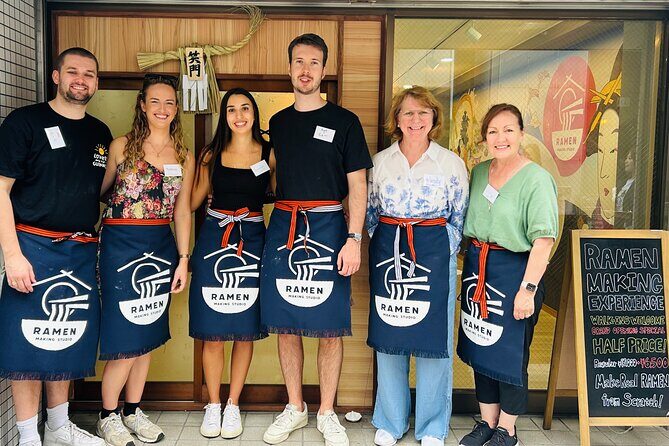
The vibe inside is part cooking room, part cultural stop. The studio walls are decorated with ramen and Japanese motifs, and there’s a notable glass entrance door created more than 100 years ago using a technique that no longer exists. That means you can take a few photos without it feeling like a random tourist trap.
You can also read our reviews of more tours and experiences in Osaka.


Getting there: the three station exits that keep your trip easy
Here’s the practical part you’ll actually use. The meeting point is:
Japan, 530-0044 Osaka, Kita Ward, Higashitenma, 1-chōme4 東天満ハイツ
If you want transit options, the studio is described as reachable from:
- Tenmabashi Station exit 13 (about 10 minutes)
- Minamimorimachi Station exit 6 (about 10 minutes)
- Tenmangu Station exit 7 (about 5 minutes)
If you’re coming from major areas, the class location is also workable. Umeda Sky Building and Namba are reachable by train in about 20–30 minutes. That’s useful because it means you can often do this class without rearranging your whole Osaka plan.
One small note: the experience uses a mobile ticket, so make sure your phone is charged and your confirmation is easy to find.
The 2-hour class flow: noodles, chashu, then soup base
This is a true hands-on cooking class, and the time is structured around the core parts of ramen: noodles, toppings (chashu), and soup base. The duration is listed at around 2 hours, so it’s short enough to fit on an active travel day, but long enough to learn real techniques instead of doing a quick demo.
Noodle making: from flour to chewy ramen noodles
You’ll start with noodle making using Japanese wheat flour specifically made for ramen. The idea here is not just to follow steps, but to feel the dough and learn what ramen noodles should be like. Fresh noodles are described as chewy and extremely good, which matches what you want to taste right after you finish them.
In practice, noodle work is the skill most people remember. Once you’ve done the pulling and shaping steps, you’ll understand why ramen noodles get praised so much in Japan. It also gives you something concrete to bring home: the texture goal and the method, not just the final bowl.
Chashu making: tender chicken simmered in the original broth
Next comes chashu. The studio prepares chashu using chicken simmered in their original broth, and you’ll make your own chashu pieces as part of the class.
Why this matters: chashu isn’t just a topping. It’s a flavor sponge, and its texture changes the whole experience. Learning how it’s made helps you see why good ramen feels balanced instead of just hot soup with noodles.
You also get a chance to understand what tender and juicy chashu should feel like, which is hard to learn from recipes alone.




Soup making: your choice of tonkotsu, shoyu, or miso
The soup step is where you control the personality of your bowl. You choose from tonkotsu, shoyu, or miso, each based on secret recipes from well-known ramen shops. That gives you a menu decision that actually affects taste.
Also, because you choose at the soup stage, you’re not locked into whatever the kitchen prepared. If you like rich pork broth, you can lean tonkotsu. If you prefer something lighter and soy-forward, shoyu is the move. If you want a deeper, warmer flavor profile, miso is there.
The big takeaway: you’re not just learning a single recipe. You’re learning a system of how ramen gets built.
The ramen bowl you eat: what the class is really about
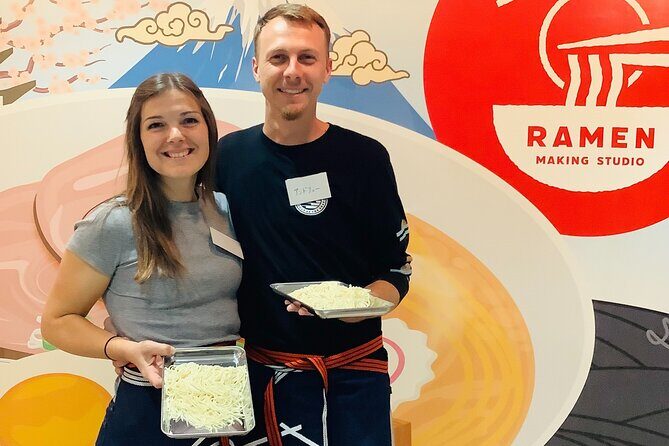
This isn’t a class where you mostly watch. You’re guided through making ramen from scratch, and you get to enjoy what you prepared.
That matters for two reasons:
- You can taste the result of each decision you made. Noodles, chashu, and soup all come together.
- You learn the real finish. A ramen recipe on paper can’t show you how it should feel and taste at serving time.
If you’re food-motivated (and honest about wanting a good meal), this is a strong format. If you just want a quick snack, the class might feel like more effort than you planned. But if you like cooking and you want a hands-on souvenir, it fits well.
Instructor style and small-group attention (why it feels friendly)
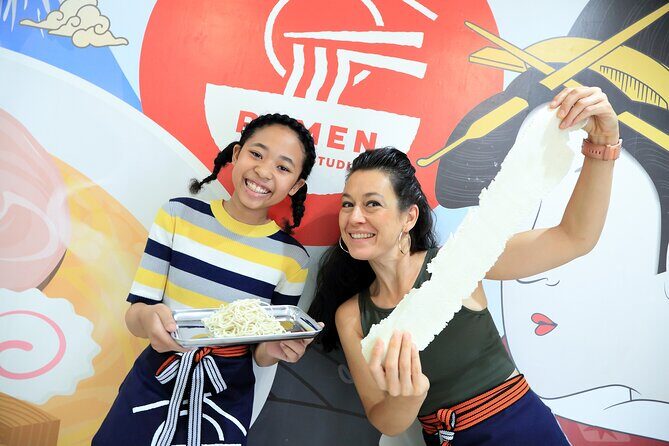
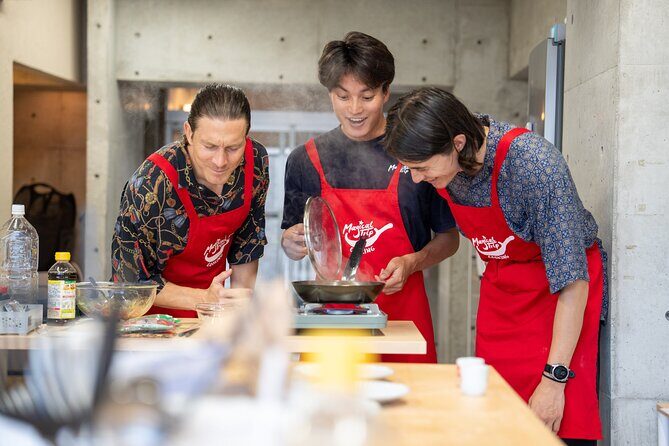
English-speaking instructors guide you through the process and can answer questions in real time. The class is also family-friendly and open to all skill levels, so you don’t need a cooking background to participate.
The group size limit of 8 travelers is part of what keeps instruction practical. In a group that small, you’re more likely to get help when you’re unsure, instead of waiting for someone to notice you.
From what people highlight after the fact, the staff attention is the main reason the class feels smooth. The kitchen is described as spotlessly clean, and the staff is described as professional and kind with excellent English. That combination is what turns a cooking class from stressful into actually fun.
Venue details: ramen motifs, culture extras, and a memorable entrance
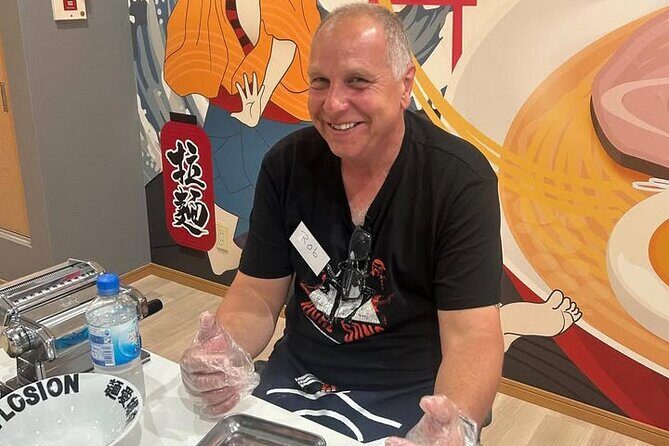
The studio itself supports the experience. Walls are decorated with ramen and Japanese motifs, which makes the place feel specific to ramen rather than generic cooking class space.
There’s also a cultural component. Along with the kitchen setup, there are items inside that reflect Japanese culture, and you’ll be introduced to them during the visit. It’s not presented as a lecture; it’s integrated with the cooking flow.
And then there’s the glass entrance door. It’s described as crafted more than 100 years ago using a technique no longer exists. Even if you only pause for a minute before class starts, it’s a neat detail that gives the studio personality.
Soup base choice: tonkotsu, shoyu, or miso for different cravings
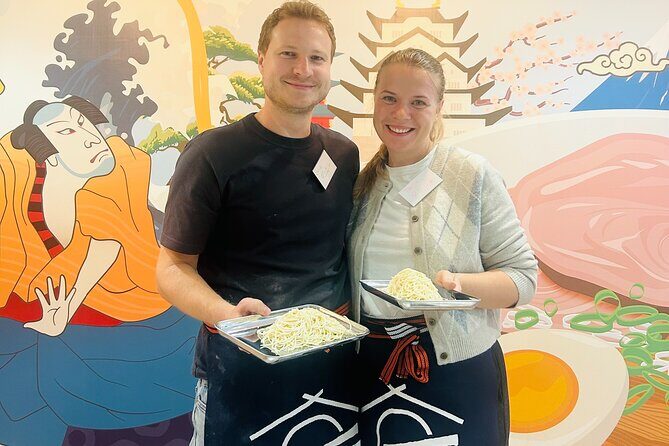
One of the best decisions here is that you’re choosing the soup base during the class, not just ordering from a list later. That makes the experience more personal and more educational.
- Tonkotsu is for people who want a richer, deeper, pork-forward bowl style.
- Shoyu is for people who prefer soy sauce flavor and a more straightforward savory tone.
- Miso is for people who want warmth and depth from fermented flavor.
Because each base is based on secret recipes from well-known ramen shops, you’re also tasting something closer to what the ramen culture in Japan is known for, not just a generic “homemade” flavor.
If you’re unsure what to pick, your best guide is your current ramen habit back home. If you often order one specific ramen type, choose that.
Price and value: is $85.39 worth it?
At $85.39 per person, this sits in the mid-to-upper range for short cooking classes, but it’s not overpriced for what you get here.
Here’s the value equation that makes sense:
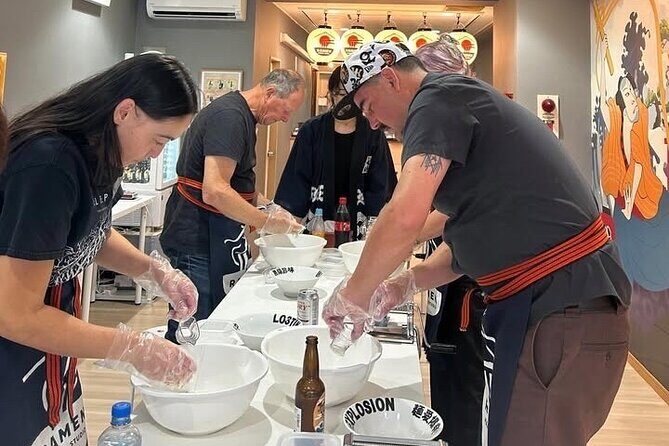
- You’re learning ramen components from scratch in a structured 2-hour format.
- You work in a small group (max 8), with English guidance and real-time Q&A.
- The class includes making noodles, making chashu, and choosing a soup base.
- You end with a souvenir, and you also get a bowl you helped make.
Cooking classes often feel like you pay for instruction and ingredients. This one adds something extra: you’re also learning a ramen flavor framework (through the broth choice) plus the texture target (through the noodles). That means it’s more likely you’ll recreate something at home that actually matches your bowl.
If your travel style is all about street food hopping and sightseeing, this class may feel like a detour from that plan. If your travel style includes one or two memorable “learn something” experiences, it’s a strong use of time.
Practical considerations before you go
This is hands-on cooking. That’s great, but plan for comfort. Wear something you’re okay getting a little flour on, and expect working with warm ingredients.
Also, the class focuses on cooking. If you’re hoping for a long walking tour around Osaka Castle sights, you’ll need to pair this with sightseeing before or after.
Finally, photo policies can matter. Staff photos and videos may be used on social media or advertisements. If you prefer not to have your image used, tell staff before the experience begins.
Should you book this ramen-making class?
Book it if you want:
- A hands-on food experience in the Osaka Castle area
- The chance to make noodles, chashu, and soup base yourself
- An English-led class that works for different skill levels
- A strong payoff at the end: your own bowl plus a souvenir
Skip it (or think twice) if you only want a quick bite with zero cooking effort, or if you’re looking for a sightseeing-heavy outing. This one is mainly about ramen craft.
If you’re scheduling, morning or late afternoon classes give you flexibility. And with multiple nearby stations plus a walkable connection to Osaka Castle, you won’t be fighting transit stress to make it happen.
FAQ
Where is the meeting point for the ramen-making class?
The meeting point is listed as Japan, 530-0044 Osaka, Kita Ward, Higashitenma, 1-chōme4 東天満ハイツ.
How long does the experience take?
The class duration is approximately 2 hours.
Is this a small-group experience?
Yes. The class has a maximum of 8 travelers.
What soup bases can I choose from?
You can choose tonkotsu, shoyu, or miso.
Is the class beginner-friendly?
It is family-friendly and open to all skill levels.
Does the class include a souvenir?
Yes. At the end of the class, you receive a souvenir to take home.
Do classes run at different times of day?
Yes. Morning and late afternoon classes are available to fit your schedule.
What is the cancellation policy?
You can cancel for free up to 24 hours in advance for a full refund. Canceling less than 24 hours before the start time does not receive a refund.