Osaka’s nightlife has a surprising side. Hidden Osaka’s Yukaku Red Light Tour pairs a guided walk through Tobita Yukaku with the story of why this corner is often described as the last of its kind in Japan, and it does it with a respect-first approach.
I also love the food part: an izakaya hopping stop at two local restaurants, with dishes matched to drinks so you’re not left guessing what to order. Plus, the group is small, capped at 7, so you can actually ask questions while you walk and eat.
One thing to think about before you book: this isn’t a vegan outing, and the subject matter can include adult themes tied to the district’s purpose. If that would make you uncomfortable, skip it.
In This Review
- Key things I’d circle before booking
- Hidden Osaka at night: what this tour is really for
- Tobita Yukaku: history, street reality, and the etiquette lesson
- Shinsekai and Luna Park: retro fun meets local hangout energy
- Izakaya hopping at two stops: what you’ll eat and how the bill works
- Spending reality (the part you should plan for)
- Guides, pace, and what the 210 minutes feel like
- Meeting point and how to start smoothly
- Price and value: $45 that buys guidance, not dinner
- Who should book Hidden Osaka, and who should skip it
- Should you book this tour?
- FAQ
- Where is the meeting point?
- What does the $45 price include?
- Are food and drinks included in the price?
- Is this tour suitable for vegans?
- Will I need to speak Japanese?
- Can I cancel for a refund?
Key things I’d circle before booking
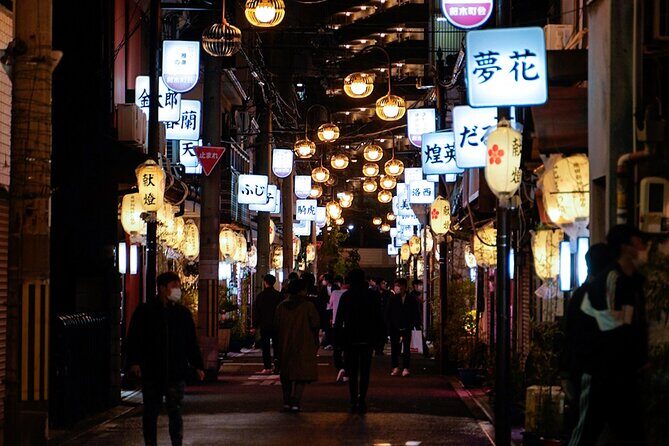
- Tobita Yukaku context, including why it’s said to be Japan’s last of its kind
- Shinsekai’s retro atmosphere around Luna Park, plus the local hangout vibe
- Two izakaya stops for food and drink, with a shared bill
- English-language guidance from a native Japanese team (no language hassles)
- A real walking-and-standing night—plan for about 3.5 hours
- Respect rules are part of the experience, not an afterthought
Hidden Osaka at night: what this tour is really for
This is a 210-minute “see and taste” night built for people who like their Osaka a little less postcard and a lot more lived-in. You’ll start in the Tobita Yukaku red light district area, then shift gears to Shinsekai, and finish the experience with dinner-style stops at two izakaya restaurants.
What makes it work is the balance: you don’t just get dropped into a place and left to interpret it on your own. The guide frames what you’re seeing, where the area fits in Osaka’s culture, and how to behave there. That matters in a neighborhood with real residents and a long, complicated role in the city.
If you’re hoping for a light, family-friendly stroll, this one may feel too frank. The upside is that you’ll get a clearer picture of Japan beyond the main-tour circuits.
You can also read our reviews of more tours and experiences in Osaka.


Tobita Yukaku: history, street reality, and the etiquette lesson
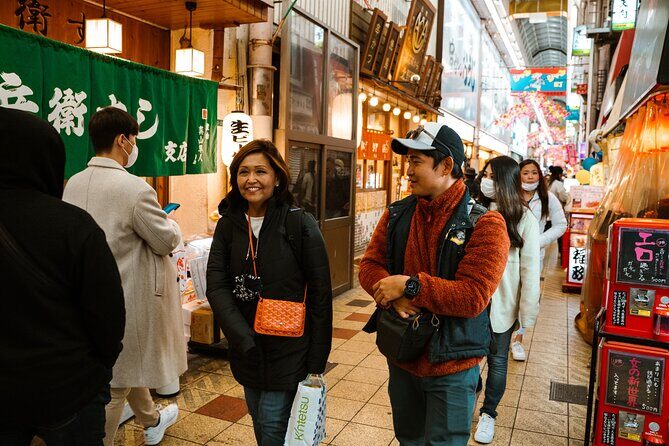
The tour’s anchor is Tobita Yukaku, and the tone is set right away. You’ll learn why Yukaku is described as the last of its type across Japan, and you’ll hear the district’s background in plain terms—what it became, how it’s used today, and why it’s still part of Osaka’s night scene.
But the big value isn’t only the facts. It’s the way the guide teaches you to move through the streets with care. The notes for the tour are clear that you’ll follow the guide’s instructions, and that non-compliant behavior can lead to being removed from the group. That’s a strong signal: this isn’t a curiosity hunt where rules don’t matter.
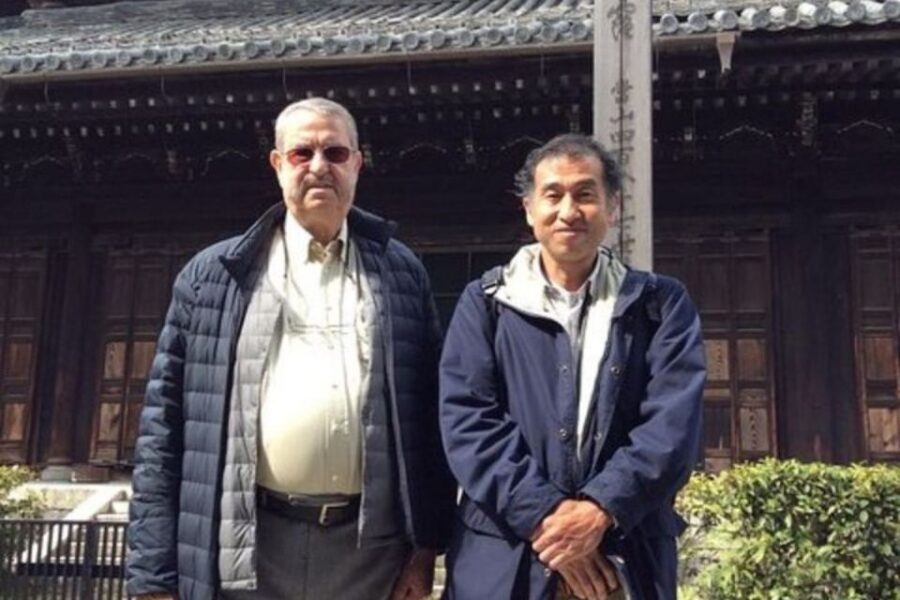
You’ll also want the right mindset: open-minded, not shocked. Several guide names show up in people’s experiences—Haruki, Leo, Rui, and Riumi—and the common thread is storytelling paired with humor and clear boundaries. Expect the guide to set expectations early so the walk stays respectful and not weird.
Practical tip: wear shoes you can stand in. You’ll be on your feet a lot, and in narrow streets, “just a quick stop” turns into slow walking, turning, and lingering for explanations.
Shinsekai and Luna Park: retro fun meets local hangout energy
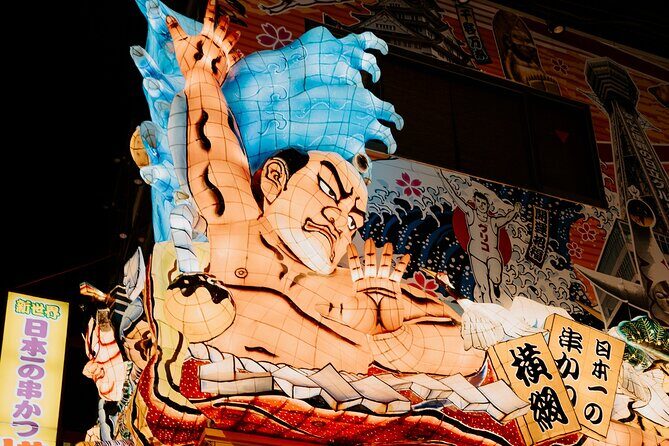
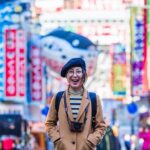
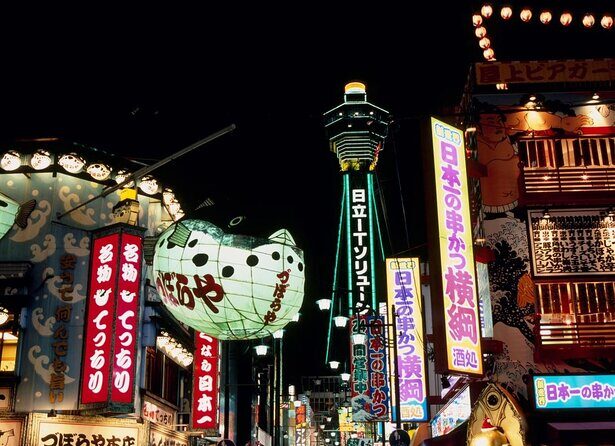
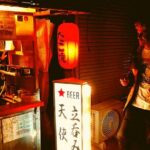
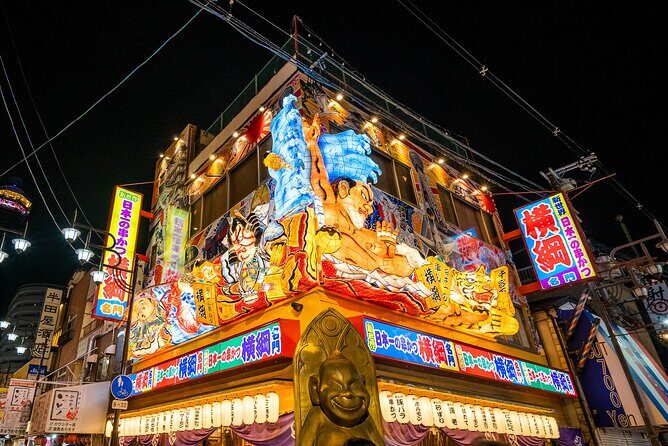
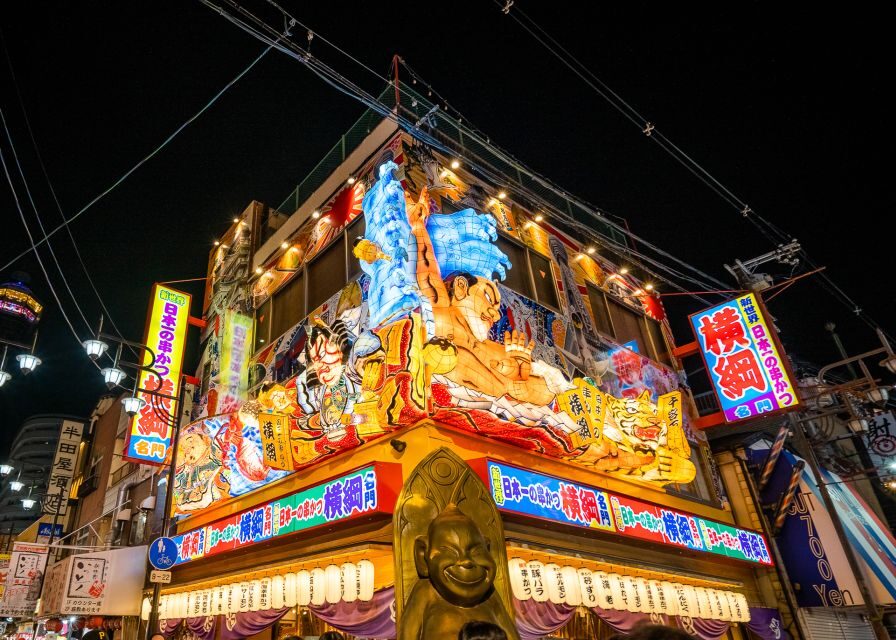
After the Yukaku segment, the tour moves you into Shinsekai, which the tour describes as a kind of old theme park turned local hangout area. In other words, you’re not just chasing neon; you’re stepping into a neighborhood where entertainment and everyday nightlife overlap.
The Luna Park element is the most obvious cue in this section: you’ll get a guided walk that helps you understand why the area still feels memorable and why locals return to it. This stop also gives your brain a break. After the more serious history of the red light district, Shinsekai shifts the mood to playful street atmosphere and casual evening routines.
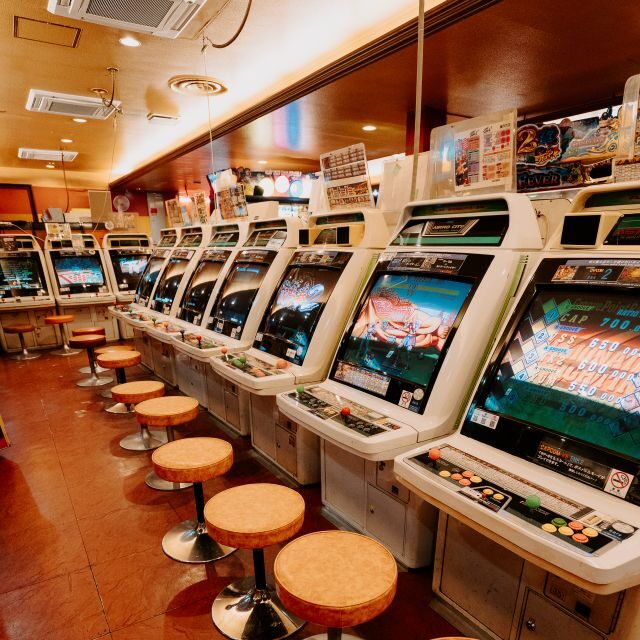
One extra detail that shows up in real-life experiences: some groups mention a brief stop for fun, like an arcade detour. That’s not guaranteed in the info you have here, but it matches the tour’s overall style—keep it moving, keep it human, and add small surprises rather than big tourist-ticket moments.
Practical tip: in this phase, you’ll likely spot more photo opportunities, but still keep the respect tone. Shinsekai is lively; the guide’s job is to help you enjoy it without turning it into a spectacle.
Izakaya hopping at two stops: what you’ll eat and how the bill works
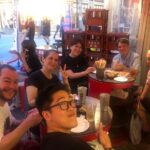
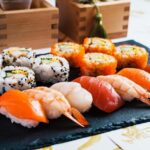
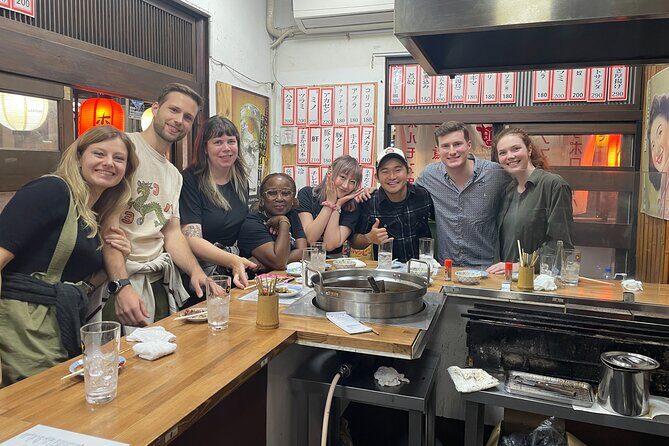
The culinary part is a major part of why people rate this so highly. You’ll eat at 2 izakaya restaurants, and you’ll get a hand-picked selection of dishes paired with drinks. The tour explicitly calls out that it’s 50% food, and it also says not to eat before coming—so you don’t arrive already full and miss half the point.
Here’s what I like about the setup: you’re not standing in front of a menu trying to translate five choices while everyone else is ordering. The guide handles the ordering rhythm, and the result is that you get to try things you might not pick on your own.
The tour also warns that the food offerings are for the bold and adventurous. That doesn’t mean it’s random. In people’s accounts, the kinds of items mentioned include Osaka-style skewers and fried bites like kushikatsu, along with other local favorites. If you like eating first, asking questions second, you’ll probably have a great time.
Spending reality (the part you should plan for)
The tour price ($45) covers the guided explorations. Food and drinks are not included. Instead, the bill is split among the guests, and the tour notes an average Izakaya spend of about ¥4000.
So the value question becomes: you’re paying for a guide who guides, explains, and feeds you into two very local meals—with extra money expected for what you eat and drink. If you usually spend more than ¥4000 on a night out anyway, this feels like a smart way to convert your dinner money into a guided experience.
Dietary note: the tour says it’s not suitable for vegans. For other dietary restrictions, you’re asked to let the team know in advance, so they can manage the choices as best they can.
Practical tip: go with a “yes” mindset for unfamiliar foods. You don’t have to love everything, but the tour is designed so the surprises are the point.

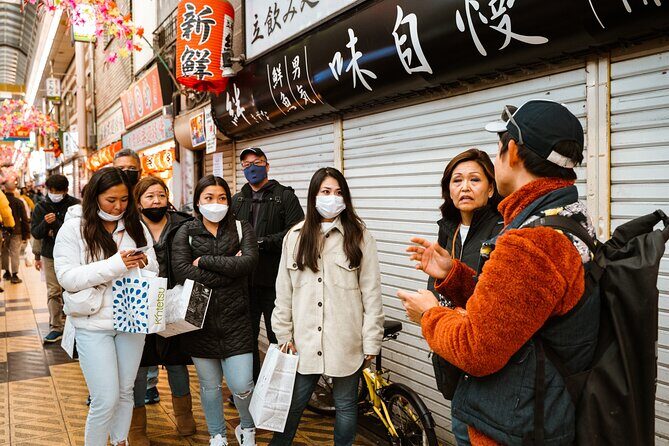
Guides, pace, and what the 210 minutes feel like
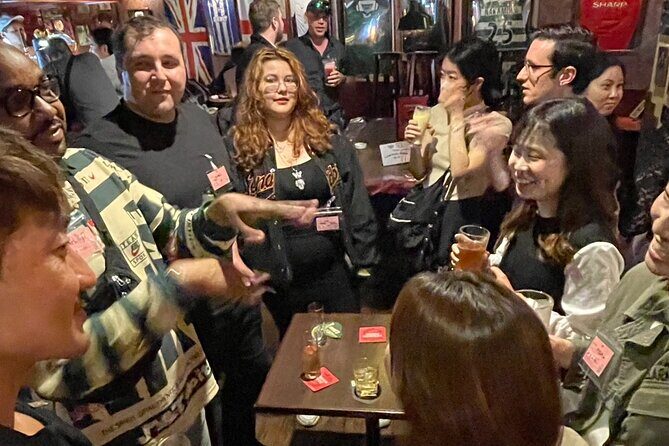
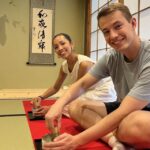
This is a 210-minute evening with a small group size limited to 7 participants. That matters because it affects everything: you move faster than big group tours, but you still get time to ask questions. Also, small groups make the social part easier—you’ll likely talk to other people while walking, then continue that conversation at the izakayas.
Pace is real. People mention needing to walk and stand for around 3 hours, which is about what the time suggests. If you’re tired from daytime sightseeing, plan your schedule so this isn’t stacked with too much heavy walking.
English guidance is part of the deal. The tour is listed as English, and the team is described as Japanese and fluent in multiple languages—so even if something gets complicated, you’re not expected to rely on your own Japanese ability.
Also, you’ll feel the guide’s personality. Names like Haruki and Leo come up with comments about energy, humor, and the way they keep everyone included. In at least one story, the guide waited patiently when someone was a couple minutes late—so don’t panic if you’re human, but still aim to be on time.
Practical tip: bring a little buffer. Meeting at night is easier when you don’t sprint at the last second.
Meeting point and how to start smoothly
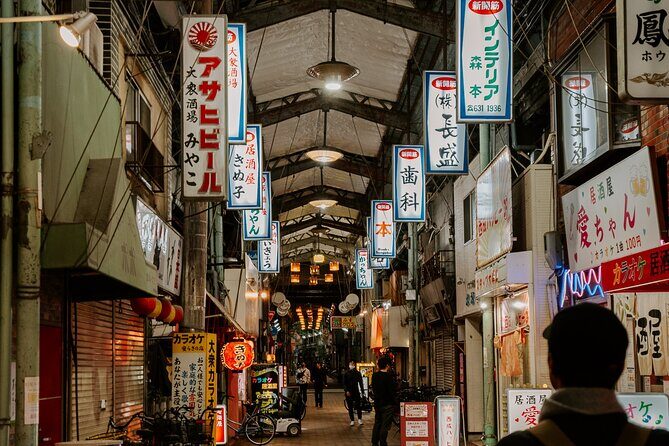
You meet at Doubutsuen-mae Station Exit 2 (Osaka Metro Line) or at Cafe Causerie. That gives you two easy anchors, but you should still plan to arrive a few minutes early so you can confirm you’re in the right place before the group departs.
From a travel-writer perspective, I like having the station exit option. Metro stations can be confusing in the dark, but Exit 2 is a simple target. If you’d rather avoid the street-level guessing game, the cafe name is a good fallback.
One more pacing tip: the tour includes walking between neighborhoods, so don’t plan a hard connection immediately after. You’ll likely want time to recover your bearings and maybe grab a final drink.
Price and value: $45 that buys guidance, not dinner
At $45 per person, this doesn’t look like a typical “pay once and eat everything” food tour. The key detail is that food and drinks are extra and split at the izakaya.
Here’s how I’d judge the value:
- You’re paying for two guided neighborhood explorations (Yukaku + Shinsekai).
- You’re paying for a guide-led izakaya experience where ordering and etiquette are handled, and you get drink pairings.
- You’ll still pay your share of the meal bill, which the tour estimates around ¥4000 on average.
For me, the value lands when you compare it to doing all of this alone. If you try to self-guide through Tobita Yukaku without context, you lose the story and you may miss etiquette details. If you try to build a two-izakaya night yourself, you lose the efficiency of having someone choose the places and match foods to drinks.
In short: the $45 is the “permission to understand and enjoy” part—then dinner costs come on top like any good Osaka night out.
Who should book Hidden Osaka, and who should skip it
This tour is a strong fit if you:
- want an Osaka night that mixes street culture and food rather than only sightseeing stops
- like eating “outside your usual order” and are okay with bold choices
- enjoy learning how neighborhoods work socially, not just where to take photos
- prefer a small group with an English-speaking guide and the ability to ask questions
You should skip or be cautious if:
- you’re a vegan (the tour says it’s not suitable)
- you’d be uncomfortable with adult themes tied to why the Yukaku district exists
- you don’t want a walking-and-standing evening (plan for about 3.5 hours on your feet)
Should you book this tour?
If you’re open-minded and you want Osaka at night with context—not just a quick walk—this is a great choice. The best reason to book is the combination: Tobita Yukaku is explained in a respectful way, then you get that explanation to land through food at two izakaya stops.
If you’re vegan or you’d rather avoid adult-topic conversations, you’ll be happier picking a different Osaka food tour. But if you’re the type who enjoys real neighborhoods and eating with confidence, Hidden Osaka is one of the more practical ways to do it in a single evening.
FAQ
Where is the meeting point?
You meet at Doubutsuen-mae Station Exit 2 (Osaka Metro Line) or at Cafe Causerie.
What does the $45 price include?
The price includes the Yukaku Red Light District exploration, the Shinsekai entertainment district exploration, and the local food tour in 2 izakaya restaurants.
Are food and drinks included in the price?
No. Food and drinks are not included, and the bill is split among the guests.
Is this tour suitable for vegans?
No. The tour is not suitable for vegans.
Will I need to speak Japanese?
No. The tour is listed as English, and the team is described as Japanese and able to handle the night with no language hassles.
Can I cancel for a refund?
Yes. The tour offers free cancellation up to 24 hours in advance for a full refund.