REVIEW · OSAKA
Osaka: Sumiyoshi, Osaka’s Most Iconic Shrine – Private Tour
Book on GetYourGuide →Operated by DeepExperience, Inc. · Bookable on GetYourGuide
Osaka has shrines everywhere, but this one has a sea-soul. Sumiyoshi Taisha is one of the city’s most iconic Shinto sites, and the private format makes it easy to understand what you’re seeing instead of just photographing it. I like that you get a guided walk through the Sumiyoshi Taisha Shrine grounds, not a quick look-and-go. I also love the hands-on feel of the shrine’s special attractions, including the fortune-telling stones.
The biggest thing I value here is interpretation. Your guide explains the shrine’s spirituality—Shinto’s foundation—and connects it to Osaka Bay trade history and the god of the sea enshrined on-site. You’ll also get a focused photo stop at the steeply arched Taiko Bridge, so you leave with images that actually match the story.
One consideration: this tour is only 90 minutes, so if you’re the type who likes long self-guided wandering, you may want extra time before or after to linger. Also, it’s a private tour, so the $72 per person price makes sense best if you’re traveling as a small group or you’re determined to get real context from the guide.
In This Review
- Key things to know before you go
- Why Sumiyoshi Taisha Feels Different From Other Osaka Shrines
- Meeting at the West Grand Torii Gate and Building the Right Route
- The 60-Minute Guided Shrine Walk: Sea-God Spirituality and Old-Style Architecture
- Fortune-Telling Stones and the One-Inch Boy Moment
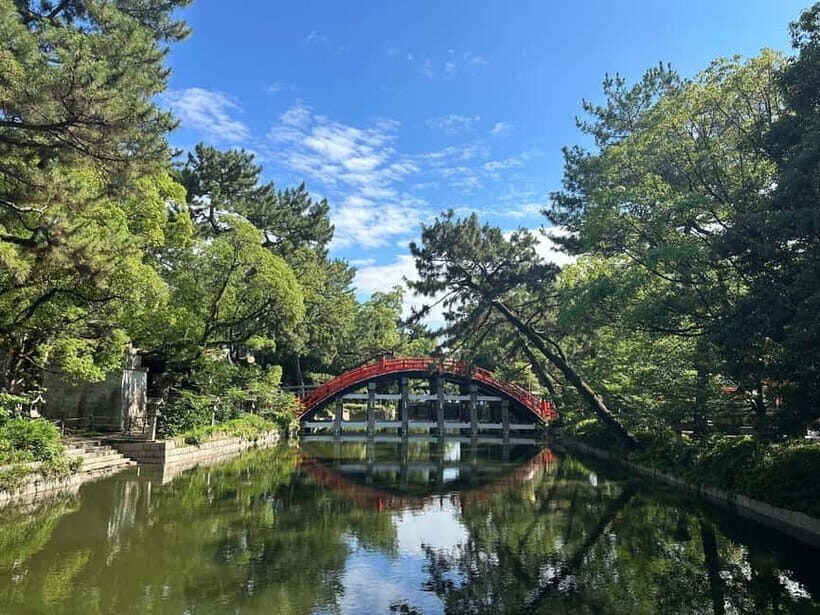
- Photo Stop at the Steeply Arched Taiko Bridge
- The Osaka Bay Trading Context You Can Actually Use
- Price and What Your Private 90 Minutes Buys
- Who This Tour Is Best For
- Should You Book This Sumiyoshi Taisha Private Tour?
- FAQ
- Where do I meet the guide?
- What is the tour duration?
- Is this tour private?
- What languages are available?
- What are the main parts of the visit?
- Where does the tour end?
- What special shrine features does the guide cover?
- Will I get a photo opportunity?
- How flexible is the booking and cancellation?
Key things to know before you go
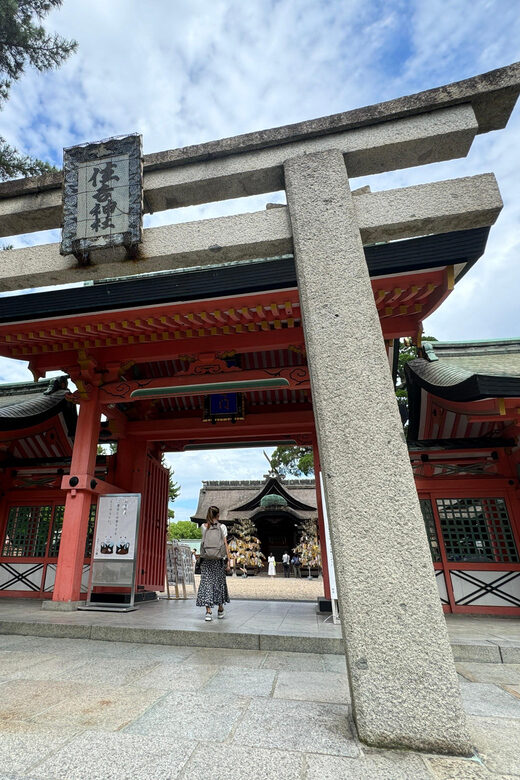
- Start at the West Grand Torii Gate with a guide holding a yellow DeepExperience sign, so you don’t waste time finding the group
- 1 hour inside Sumiyoshi Taisha with your guide, covering history, architecture, and Shinto meaning
- Fortune-telling stones like the One-Inch Boy, plus other shrine points people come for
- Taiko Bridge photo stop with its steep arch for a memorable, scene-matching shot
- You finish at the stone torii of Ōumi-jinsha (大海神社), keeping the walk feeling like a complete mini-route
Why Sumiyoshi Taisha Feels Different From Other Osaka Shrines
Sumiyoshi Taisha isn’t just famous because it’s old. It’s famous because it’s specific. You’re not visiting a generic shrine stop—you’re stepping into a place tied to sea power, maritime protection, and local faith.
This shrine draws more than 2 million visitors during the first three days of a year, when people come to make New Year wishes. That matters even outside the holiday season: you’re visiting a site that locals treat as meaningful, not just scenic. The setting near Osaka Bay also explains why the area grew up as a trading hub connected to Nara and Kyoto. When you know that, the shrine feels like it belongs to the coastline, not like it was dropped into the city by accident.
I also like that the tour doesn’t treat Shinto as a set of decorations. It frames Shinto spirituality as the foundation of Japanese culture, so you understand why people follow rituals, why certain features matter, and why the shrine layout is worth your attention.
You can also read our reviews of more private tours in Osaka


Meeting at the West Grand Torii Gate and Building the Right Route
Your tour kicks off at the West Grand Torii Gate of Sumiyoshi Taishae. The meeting point detail is practical: you’ll meet your guide in front of that gate, and the guide holds a yellow sign with the DeepExperience logo. For Osaka shrine tours, that kind of clarity is gold. It helps you start calm instead of stressed.
From there, you move into the main shrine experience with about 1 hour of guided touring at Sumiyoshi Taisha. After that, you get two short add-ons: a viewpoint/sightseeing stop and then a photo stop in the Osaka area tied to the Taiko Bridge. The tour wraps at 大海神社 石鳥居 (the stone torii of Ōumi-jinsha).
This route design is the value here. Instead of throwing you into the biggest gate and hoping you figure it out, you follow a compact sequence that ties together story, landmark views, and the best photo angles.
The 60-Minute Guided Shrine Walk: Sea-God Spirituality and Old-Style Architecture
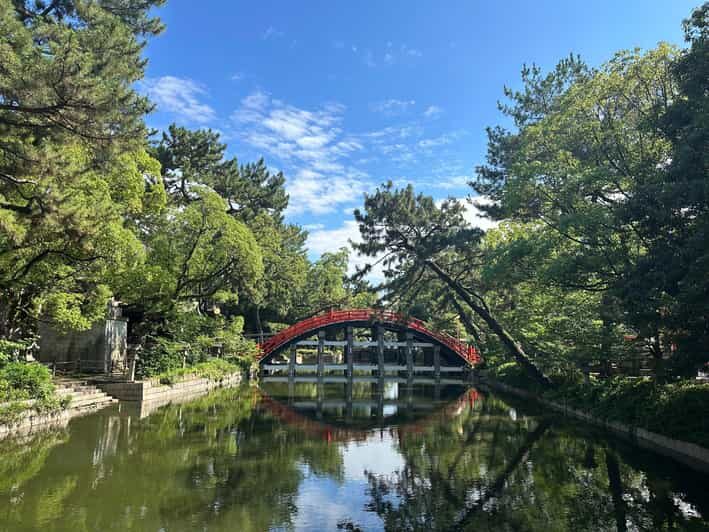
The center of the tour is a guided walk through Sumiyoshi Taisha for 1 hour. This is where you’ll learn the parts people usually miss when they move too quickly.
You’ll focus on spirituality in Shinto, including how belief shows up in what people do and what they notice. You’ll also get context for why this shrine matters to Osaka’s coastal identity: the god of the sea is enshrined here, and because the shrine sits near Osaka Bay, local worship has long been connected to maritime life.
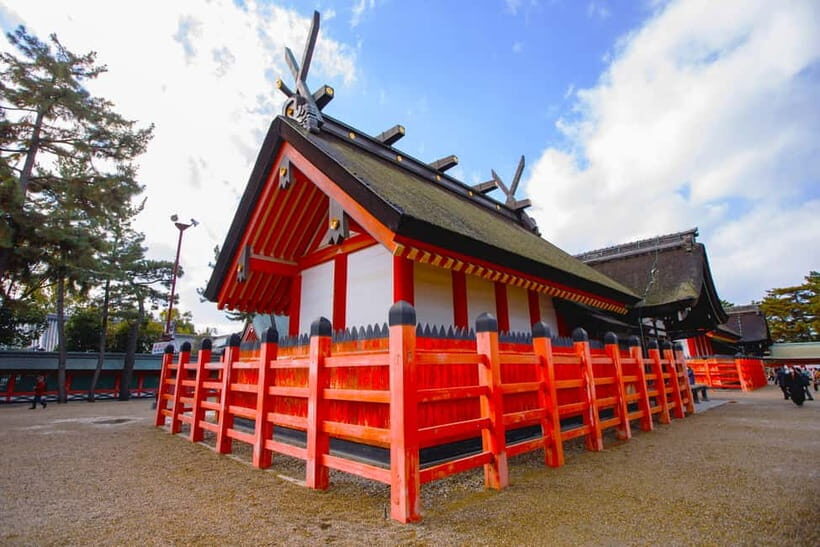
Another highlight is the architecture. The grounds include buildings in what’s described as the oldest architectural style among the structures there. You don’t just see it; your guide helps you understand why it’s significant in a Shinto context. Even if you’re not an architecture nerd, this kind of explanation changes how you look at roofs, layout, and the overall feel of the shrine grounds.
And yes, you’ll likely spot small storytelling details too. The tour includes mention of a cute divine rabbit messenger. That sort of character detail is more than decoration—it’s a quick way into understanding how Japanese shrine culture communicates meaning in ways that feel friendly rather than intimidating.
Fortune-Telling Stones and the One-Inch Boy Moment
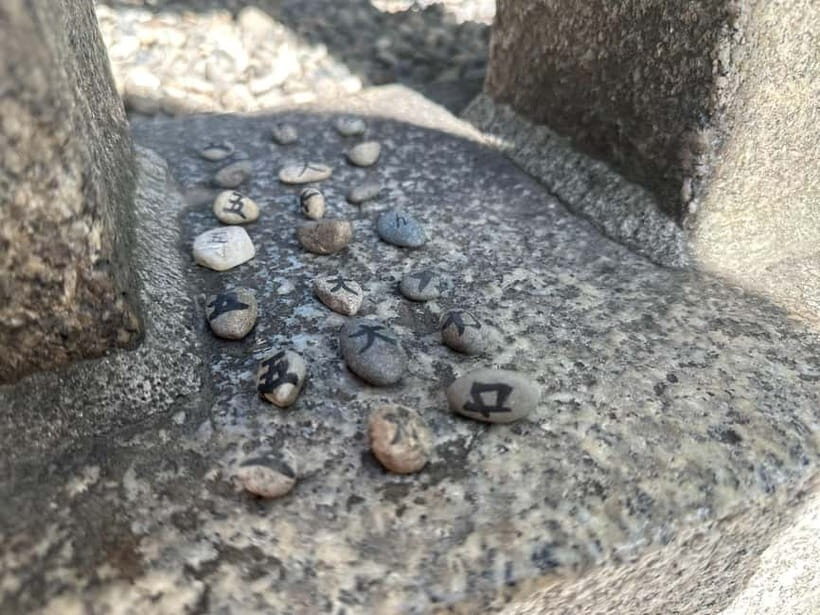
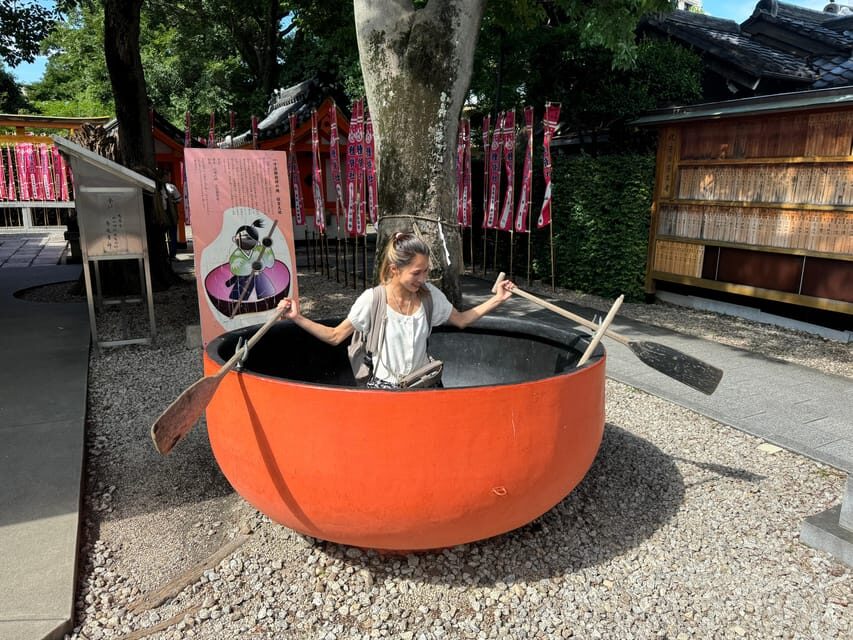
If you’re the kind of visitor who wants more than photos, this is the section to pay attention to. The shrine tour includes the fortune-telling stones, including the One-Inch Boy.
The One-Inch Boy is one of those iconic shrine features that people love because it sounds playful but ties into real practice. In a limited 90 minutes, your guide’s explanations help you connect the folklore-like elements to the purpose people bring them to: reflection, hope, and luck in the way Shinto visitors often experience ritual.
This is also one of the rare times on a shrine tour when you get a clear, specific target to look for. Instead of wandering and asking what to do, you’re directed toward key points and you learn how they fit into the bigger shrine story.
Practical tip for this part: treat it as your focus moment. Slow down, listen, and then look closely. It’s easy to rush through stone features when you’re thinking about the next landmark.
Photo Stop at the Steeply Arched Taiko Bridge
After the main shrine experience, you’ll move into a viewpoint and sightseeing segment for about 15 minutes. Then you’ll get a photo stop tied to Osaka, including a guided component for about 15 minutes.
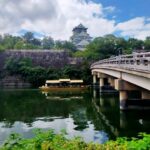
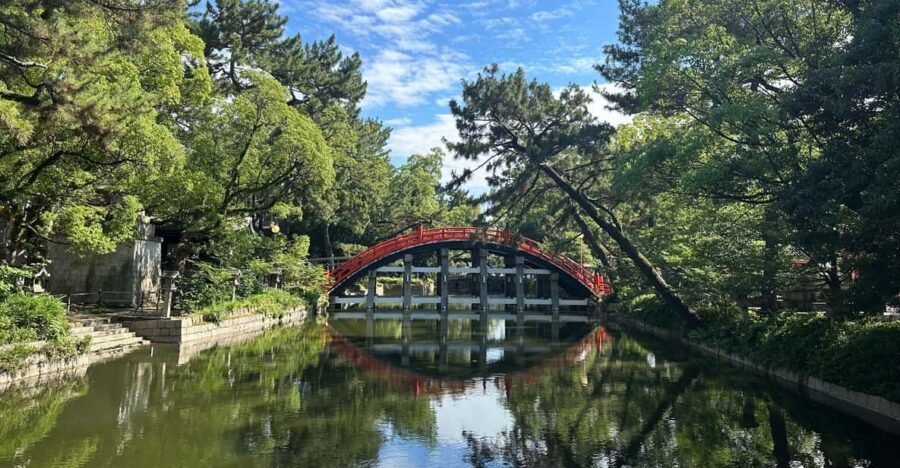
The standout here is the Taiko Bridge, described as steeply arched. That arch shape is what makes the photos work. It also helps explain why the tour includes a photo stop rather than just a viewpoint: you get a landmark you can frame, and you also get the story lens to make that frame feel intentional.
If you care about getting a strong shot, plan to take a few tries from different angles. The arch geometry tends to look better when you show more of the bridge curve rather than only the end post.
Also, since it’s a steeply arched landmark, you’ll be moving carefully around the area for your photos. Comfortable shoes help with any uneven surfaces you might encounter at shrine-adjacent spots.




The Osaka Bay Trading Context You Can Actually Use
It’s easy to visit a shrine and know nothing about the world around it. This tour gives you a reason the shrine is located where it is, using the geography you’re standing in.
Because Sumiyoshi Taisha is near Osaka Bay, the area developed as a trading center connected to Nara and Kyoto. That means the shrine’s sea focus isn’t abstract. It fits a region where goods, people, and travel relied on maritime routes.
Your guide explains how locals have worshipped the sea god enshrined here, which helps you read the shrine as part of daily life rather than as a distant museum piece. This is one reason the tour feels more complete: you get a cultural map that makes the grounds easier to interpret.
If you’re worried you’ll be stuck with only religious explanation, don’t be. The cultural and historical context gives you something concrete to hold onto—why the architecture style matters, why certain features exist, and why the sea god theme shows up so clearly.
Price and What Your Private 90 Minutes Buys
The price is $72 per person for 90 minutes with a live guide, in a private group. That price is fair in the context of a private, English/Japanese guided experience that focuses on one specific shrine and its standout details.
Here’s how to think about value:
- If you’re coming from overseas and you want correct context fast, the guide can save you time you’d otherwise spend figuring things out on your own.
- If you hate generic “walk and photo” tours, the time is structured around key shrine learning points, including the fortune-telling stones and the One-Inch Boy.
- If you’re traveling with someone who also wants interpretation (not just pictures), a private setup can make the whole outing feel coordinated.
The drawback is that private tours can feel expensive if you’re solo or if you planned to spend hours self-guiding. If you’re fine wandering without explanation, you might prefer a cheaper self-guided approach. But if you want the meaning behind what you see, the price starts to make sense quickly.
Who This Tour Is Best For
This tour is ideal if you want to understand Sumiyoshi Taisha instead of just passing through it. It’s especially good for:
- Visitors who care about Shinto spirituality and want it explained as a living cultural foundation
- People who love specific details, like fortune-telling elements, not only large monuments
- Travelers who want a compact plan in Osaka that still feels thoughtful
- Anyone visiting during a time when crowds are likely—this guide-led format helps you get the key parts efficiently
If you’re the type who prefers a long, slow shrine day with no schedule, you may feel the 90-minute format is too short. But if you want a strong “read the site with a guide” experience, this fits well.
Should You Book This Sumiyoshi Taisha Private Tour?
I’d book it if you want the shrine’s meaning in plain language and you value a focused route with clear highlights: the West Grand Torii Gate start, a full hour at Sumiyoshi Taisha, the fortune-telling stones and One-Inch Boy, and the Taiko Bridge photo stop. The Sea-god spirituality plus the Osaka Bay trading context makes the tour feel connected to real place, not just tradition on display.
Skip it only if you’re happy going solo with minimal guidance, or if you want a longer unstructured stroll where you can linger for an hour at just one spot. For most people who want a smart, memorable shrine experience without wasting time guessing, this private guided tour is a strong choice.
FAQ
Where do I meet the guide?
Meet your guide in front of the West Grand Torii Gate of Sumiyoshi Taishae. The guide will be holding a yellow sign with the DeepExperience logo.
What is the tour duration?
The tour lasts 90 minutes.
Is this tour private?
Yes, it’s listed as a private group tour.
What languages are available?
The live guide is available in English and Japanese.
What are the main parts of the visit?
You’ll spend 1 hour on a guided tour at Sumiyoshi Taisha, then have a viewpoint/sightseeing stop for about 15 minutes, and finish with an Osaka photo stop and guided segment for about 15 minutes.
Where does the tour end?
The tour finishes at 大海神社 石鳥居.
What special shrine features does the guide cover?
The tour highlights the fortune-telling stones, including the One-Inch Boy, and other charms you can encounter at the shrine.
Will I get a photo opportunity?
Yes. The highlights mention a photo stop on the steeply arched Taiko Bridge.
How flexible is the booking and cancellation?
The activity includes free cancellation up to 24 hours in advance for a full refund, and it offers a reserve now & pay later option.