REVIEW · OSAKA
A Tour to Explore the Symbol of Osaka: Osaka Castle
Book on Viator →Operated by OTOMO Travel Guide · Bookable on Viator
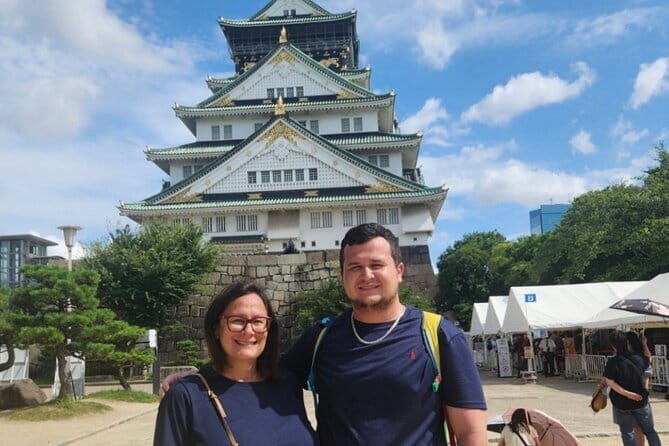
Osaka Castle hits different with a guide. This private 4-hour outing pairs the main grounds with smart context, so you’re not just snapping photos—you’re reading the city’s power story in real time. You’ll start at the Osaka Museum of History, then work your way to the castle tower area with stops that connect architecture, worship, and the military era.
I especially like two things: the undivided attention of a private guide, and the built-in wayfinding help for where to look, what to skip, and when to see the key spots. On a hot day, having someone coordinate ticket timing and routes is a real quality-of-life upgrade.
One consideration: the extra cost is mainly the Osaka Museum of History admission (¥1,000 per person), and the tour involves a lot of walking. Also, meeting points can be tricky when you’re moving fast—so arrive early and keep an eye on clear instructions from your guide.
In This Review
- Key highlights you’ll care about
- Why Osaka Castle is more than a photo stop
- Start at Osaka Museum of History: get your bearings fast
- Ōte-mon Gate: the main gate that sets the tone
- Hokoku Shrine and Toyotomi Hideyoshi’s connection
- Miraiza Osaka-Jo: where to breathe without losing the plot
- Osaka Castle interiors: exhibition rooms and a reproduced tea space
- Ticketing, cash, and why they matter in Japan
- Price and value: what $83.56 gets you
- How the private guide experience can vary (and how to handle it)
- Who should book this Osaka Castle private tour?
- Should you book? My straight answer
- FAQ
- How long is the Osaka Castle private tour?
- Where do I meet for the tour, and where does it end?
- Is the Osaka Museum of History admission included?
- What’s free during the visit?
- Do I need cash?
- Does the tour use a mobile ticket?
- What happens if the weather is bad?
- Can the end location be changed?
Key highlights you’ll care about
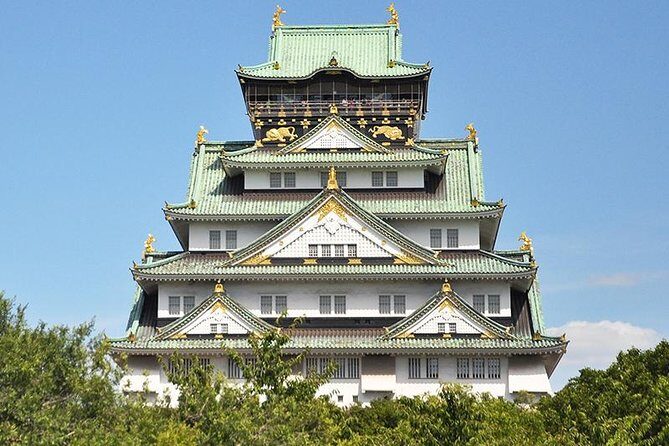
- Private guide commentary that turns the castle grounds into a story, not a checklist
- Ōte-mon Gate and the massive stonework that’s easy to miss without direction
- Hokoku Shrine tied directly to Toyotomi Hideyoshi, one of Osaka’s defining figures
- Miraiza Osaka-Jo near the tower for food and shopping when you want a pause
- Reconstructed castle interiors (including exhibition rooms and a reproduced tea ceremony space)
- Cash-friendly tip: some stops may not take credit cards
Why Osaka Castle is more than a photo stop
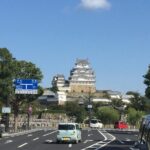
Osaka Castle looks iconic from a distance, but it becomes much more meaningful when someone helps you connect what you’re seeing to why it was built. The castle grounds mix military architecture, political messaging, and religious symbolism in one tight area.
What I like about this tour is that it’s designed to make the castle readable. You’re not wandering alone guessing what matters most; you get historical commentary and practical pointers on views and what to hit inside the rebuilt sections. That’s the difference between seeing a landmark and understanding a landmark.
If you’re visiting Osaka for the first time, Osaka Castle is a solid anchor. It’s also a great choice if you want history without spending all day in museums—this runs about 4 hours, with a pace that works even when you’re coming from other sightseeing.
You can also read our reviews of more tours and experiences in Osaka.


Start at Osaka Museum of History: get your bearings fast
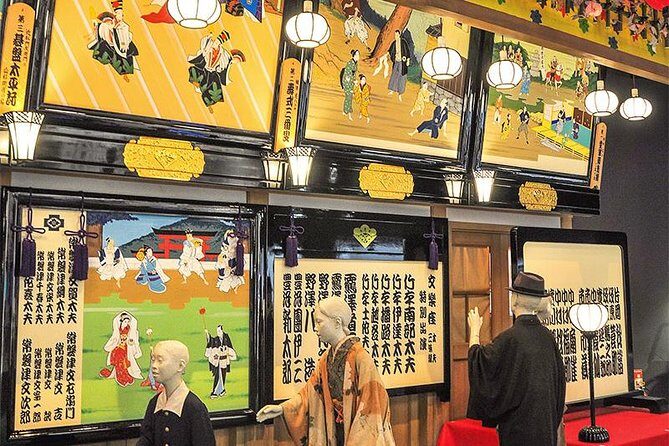
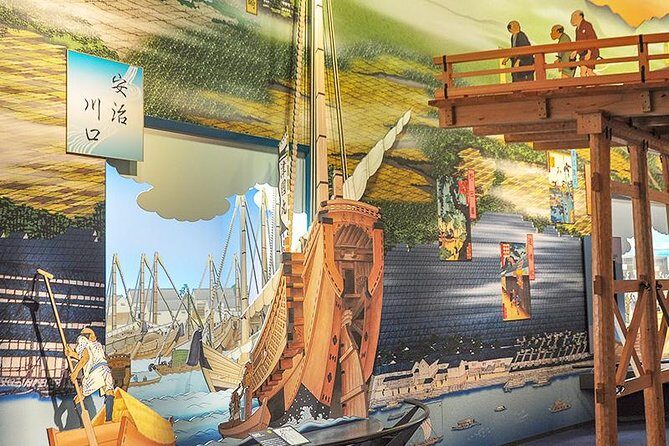
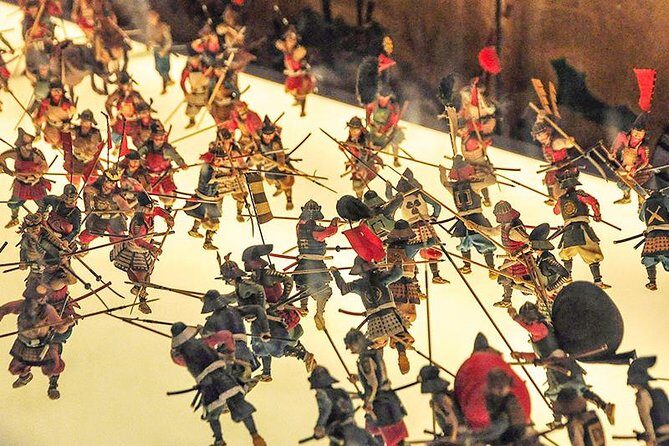
You begin at the Osaka Museum of History, and that first hour does a lot of work. The museum is built to feel like you’re stepping into the past rather than reading dry labels. One detail that stands out is a floor reproduction of the great council hall of Naniwanomiya palace, which gives you a concrete sense of how power and planning were organized.
Why this matters: when you go from museum context to castle grounds, the castle stops being just a pretty exterior. Instead, you can connect the dots—how leadership, conflict, and city identity shaped what later generations built (and what was reconstructed).
There’s one catch: admission to the museum is not included. The tour estimates about ¥1,000 per person for entry, so budget for it up front. If you’re trying to keep costs tight, I’d still consider it part of the value—this is the part that helps you understand what you’ll see next.
Ōte-mon Gate: the main gate that sets the tone
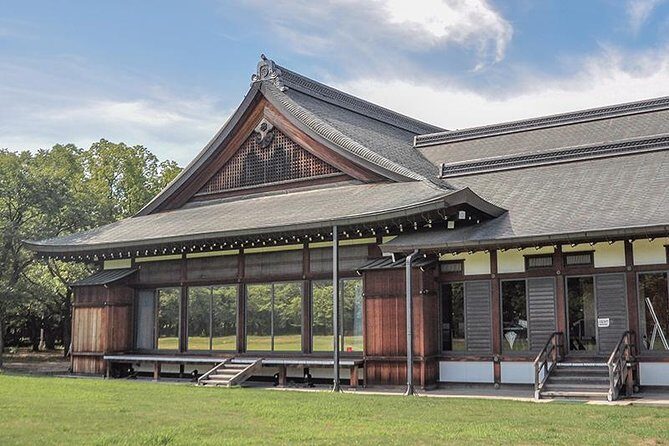
Next is Ōte-mon Gate, the main gate of Osaka Castle and an important cultural property. This short stop is only about 10 minutes, but it’s the kind of moment where a guide helps you look in the right direction.
The biggest visual lesson here is the stonework. You’ll notice the stone wall made from enormous stones—way bigger than what your brain expects when you’re just passing by. Without commentary, you might think you’re seeing a “nice gate.” With commentary, you start to see it as a statement of strength and structure.
This is also a helpful checkpoint stop. It’s close enough in the route that you don’t feel like you’re rushing. And since the gate is free to enter, it’s a low-cost way to get high impact from the morning’s momentum.
Hokoku Shrine and Toyotomi Hideyoshi’s connection
After the gate, you’ll head to Hokoku Shrine (another 10-minute stop). This shrine is enshrined to Toyotomi Hideyoshi, one of Japan’s best-known military commanders and a key figure in the unification era.
What you’ll likely notice is how the shrine fits into the castle story. Hideyoshi used Osaka Castle as his headquarters, and Hokoku Shrine is tied to that legacy. A good guide makes the connection clear, so you’re not standing at a religious site wondering why it’s here on a castle walk.
This stop is free and quick, but it’s meaningful. If you want your history to feel grounded—less like distant textbook names, more like physical places—you’ll appreciate this pause. It also adds variety to the route so you’re not just moving from building to building.
Miraiza Osaka-Jo: where to breathe without losing the plot
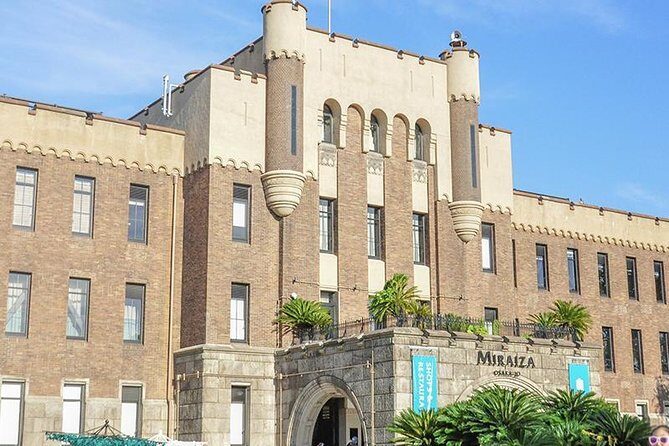
Next up is Miraiza Osaka-Jo, about 15 minutes. This is a facility reopened in 2017 as a place with shops and restaurants, and it sits in the area in front of the castle tower.
This stop is useful for two reasons. First, it gives you an easy place to reset—water, snack, quick photos, or just a short break in an air-conditioned spot if the weather is rough. Second, it creates a natural rhythm: museum context, gate and shrine stops, then the commercial zone right where most people want to return for practical needs.
Even if you don’t shop, it’s a smart waypoint. You get to regroup before the main attraction, and your guide can steer you on what to do next based on time and crowds. If you’re sensitive to heat or prefer not to walk nonstop, this kind of planned pause is a quiet win.

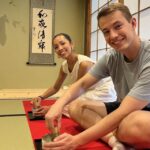


Osaka Castle interiors: exhibition rooms and a reproduced tea space
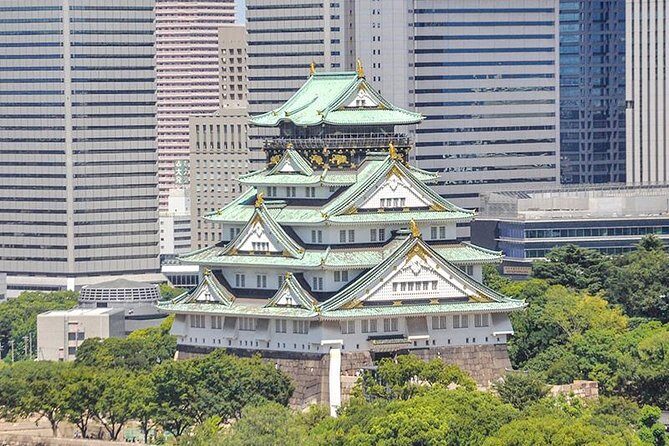
Now you’re at Osaka Castle, the main attraction (about 1 hour 10 minutes). Here you’ll find a reconstructed castle experience, including an exhibition and a reproduced golden traditional tea ceremony room.
A guide helps in a big way with this kind of interior visit. Reconstructed spaces can feel a bit like stage sets if you don’t have a frame for what you’re looking at. With commentary, you understand what parts are meant to explain daily culture, power symbolism, and the kind of atmosphere elites expected.
If your goal is photos, this is also where a guide’s advice pays off. They can point you toward viewpoints and timing that make the tower area look its best. And if you’re planning your shots, you’ll waste less time waiting in the wrong spots.
One practical note: the tour includes walking, and the day can shift if weather turns bad or if any sections are temporarily closed. Build in a little flexibility in your schedule so you don’t feel rushed.
Ticketing, cash, and why they matter in Japan
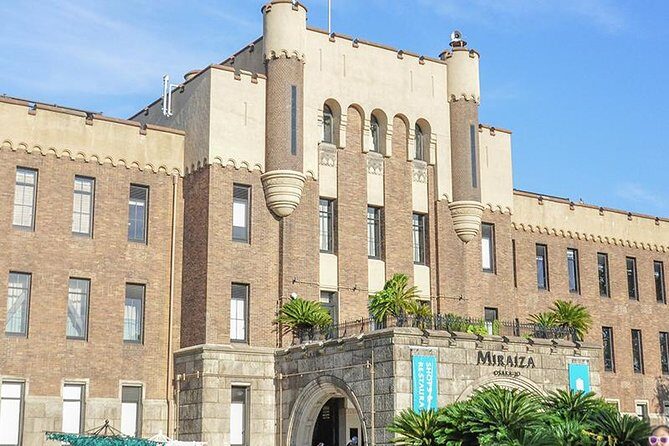
This tour uses a mobile ticket, which is convenient when you’re juggling trains and time slots. Still, don’t assume every place will be smooth with cards. Some stops may not accept credit cards, so bring cash.
Why that matters: Osaka Castle visitors often end up with last-minute needs—tickets, small snacks, or transit adjustments—and cash keeps you from getting stuck. If you’re already paying the museum admission (¥1,000 per person), having extra yen on hand makes the whole day easier.
Also remember: this tour starts at the Osaka Museum of History and ends at Temmabashi Station. That’s helpful if you’re continuing sightseeing around central Osaka, but it’s worth thinking about how you’ll return to your hotel. If you want to end somewhere else, you can consult with your guide.
And please do yourself a favor: arrive early. The tour warns that if you can’t reach the meeting point by the start time, the experience may feel incomplete. In practice, that means you could lose the flow that makes the castle narrative work.
Price and value: what $83.56 gets you
At $83.56 per person, this is priced as a private guided experience with multiple key stops. For some people, private tours feel expensive until they hit a moment where the guide saves time. This one has several of those “time-savers.”
You’re basically paying for three things:
- Guided interpretation at places that can be harder to understand on your own (gate architecture, shrine connections, reconstructed rooms).
- Route coordination through a packed area, starting with a museum that sets the context.
- A guide’s attention, meaning you can ask quick questions and get direction when crowds, lines, or heat show up.
The main extra cost you should expect is the Osaka Museum of History admission (¥1,000 per person). That means your overall spend isn’t just the tour price, but the total is still reasonable for a private, time-based outing.
If you’re traveling with a group and your group discount applies, the value can climb even faster. Private tours are often most worthwhile when you can’t afford to “figure it out later,” especially on a day with limited energy.
How the private guide experience can vary (and how to handle it)
Private tour doesn’t automatically mean perfect communication. Some guides in this kind of setting can explain clearly and connect history to what you’re looking at. Other times, language can be a bigger hurdle than you’d expect, even on an otherwise friendly guide.
Here’s how you keep the experience comfortable:
- If language is critical for your group, ask what language the guide will use before you go.
- Bring your curiosity. Even when explanations move quickly, you can ask for clarification at each stop, especially at Ōte-mon Gate and inside the reconstructed castle rooms.
- Confirm the meeting point details. There have been issues reported when guides weren’t easy to find or when meeting instructions weren’t clear. Early arrival and careful attention to landmarks fixes most of that.
Also, if you’ve booked the wrong date before, double-check your month and time. Changing that kind of booking can be frustrating when systems are rigid, and it can waste your planning energy.
Who should book this Osaka Castle private tour?
This tour makes the most sense if you want Osaka Castle to feel personal and understandable. I’d especially recommend it for:
- First-timers who want a focused route without doing a ton of research
- History-curious travelers who like real explanations tied to physical places
- People who prefer a guided pace over self-directed wandering, especially in summer heat
It can also work well if you’re traveling as a couple or small group and you want a guide who can answer quick questions. The private format helps when you want flexibility in where you linger for photos or how long you spend at the tower area.
If you’re the type who loves museums but you hate “wasted” time, starting at the Osaka Museum of History is a smart trade. It gives you context so you don’t just walk through the castle grounds on autopilot.
Should you book? My straight answer
Yes—if you want Osaka Castle with context and a guide who can point out what matters, this is a strong booking. The added value isn’t the tower view alone; it’s the way the tour builds a story from museum context to gate and shrine meaning to reconstructed interiors.
I’d hesitate only if you’re trying to do the absolute cheapest version of Osaka Castle. The tour price plus the museum admission (¥1,000 per person) means you’re paying for convenience and interpretation. And because it involves walking and a meeting point, you’ll get the most out of it if you plan your arrival timing carefully and bring cash.
If you’re ready to trade a little free wandering for better understanding and smoother navigation, this private Osaka Castle experience is the kind that pays off fast.
FAQ
How long is the Osaka Castle private tour?
It runs about 4 hours (approx.).
Where do I meet for the tour, and where does it end?
You start at Osaka Museum of History (4-chōme-1-32 Ōtemae, Chuo Ward, Osaka) and end at Temmabashi Station (1 Chome-2 Tanimachi, Chuo Ward, Osaka). The tour ends in a different location than it starts.
Is the Osaka Museum of History admission included?
No. The tour lists the Osaka Museum of History admission fee as ¥1,000 per person, and it’s not included in the tour price.
What’s free during the visit?
The itinerary notes that stops like Ōte-mon Gate, Hokoku Shrine, Miraiza Osaka-Jo, and Osaka Castle itself are admission free within the tour stops (other than the museum admission).
Do I need cash?
Yes, it’s a good idea. The tour notes that some spots do not accept credit cards, so bring enough cash for any entry fees and small purchases.
Does the tour use a mobile ticket?
Yes, the experience features a mobile ticket.
What happens if the weather is bad?
If the weather is bad, the tour says there’s a possibility routes, destinations, and means of transportation may change.
Can the end location be changed?
The tour notes that if you’d like to change where the tour ends, you should consult with your tour guide.