REVIEW · OSAKA
Osaka 2-Hour Genuine Kendo / Samurai Experience In Japan
Book on Viator →Operated by SAMURAI TRIP · Bookable on Viator
Kendo in Osaka feels instantly real. This small-group class turns the ancient art into something you can follow, with an English-speaking instructor guiding you step by step. I especially like how the training mixes etiquette, history, and mindset with practical techniques you can actually use.
What makes it click is the pace. You’re not just watching from the sidelines—you learn, you practice, and you end with sparring while you’re still learning the basics. One thing to plan for: you will sweat. Expect a workout, and bring a moderate fitness level mindset.
In This Review
- Key Highlights Worth Your Attention
- Kendo in Osaka That Fits Real Beginner Schedules
- Small-Group Coaching: Why 2 Hours Feels Longer
- What You Actually Do During the Class
- Etiquette First, So the Rest Makes Sense
- Core Moves and Footwork That Transfer to Sparring
- The Mindset: More Than Hitting
- Gear, Water, and the Comfort Reality Check
- What to Wear (Without Overguessing)
- Hydration Help
- Timing and Meeting Point: Shigino Hall at 10:00 am
- A Simple Strategy for Arrival
- Price and Value: What You’re Really Paying For
- Who This Kendo Experience Is Best For
- The Main Considerations Before You Book
- Should You Book This Osaka Kendo Class?
- FAQ
- How long is the Osaka kendo experience?
- What group size should I expect?
- Is the instruction available in English?
- What’s included in the price?
- What isn’t included?
- Where do I meet, and when does it start?
- Do I need to print a ticket?
- Do I need special physical ability?
Key Highlights Worth Your Attention
- Max 7 travelers for closer coaching and fewer distractions
- English-speaking instruction that helps beginners keep up
- All kendo equipment included, plus bottled water and a towel
- Etiquette and spirit lessons along with strikes and footwork
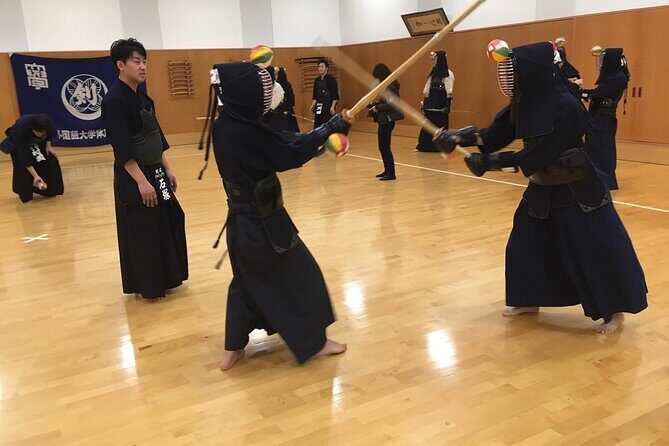
- Sparring by the end in full gear once you’ve got the fundamentals
- Near public transportation at Shigino Hall in Joto Ward
Kendo in Osaka That Fits Real Beginner Schedules
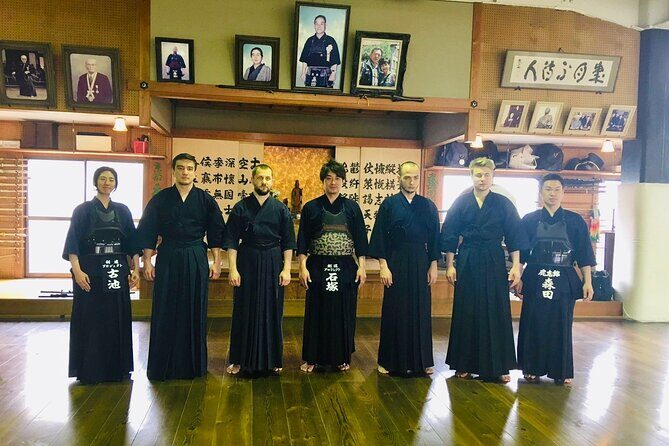
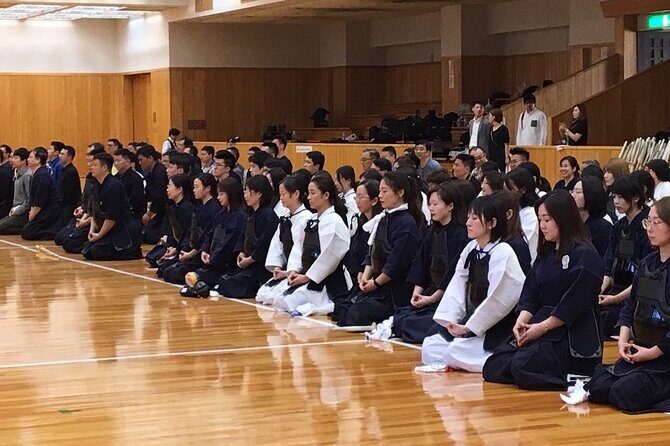
Two hours is a short window, so the best classes don’t waste time. This one focuses on getting you moving fast while still teaching the real foundations of kendo: how you should act, how you should hold yourself, and how you should control your distance. You’ll practice the idea behind kendo in three connected ways: unify your spirits, manners, and lifelong kendo—then you’ll see how those concepts show up in your footwork, strikes, and how you move with partners.
I like that it’s framed as both sport and culture. You’re learning more than how to swing. You’ll also get etiquette and cultural context, so the gear, bows, and routines make sense instead of feeling like random steps.
If you’re the type who wants a hands-on “Japan moment” that doesn’t rely on museum time, this is strong. The whole experience is designed around doing, not just listening.
You can also read our reviews of more tours and experiences in Osaka



Small-Group Coaching: Why 2 Hours Feels Longer
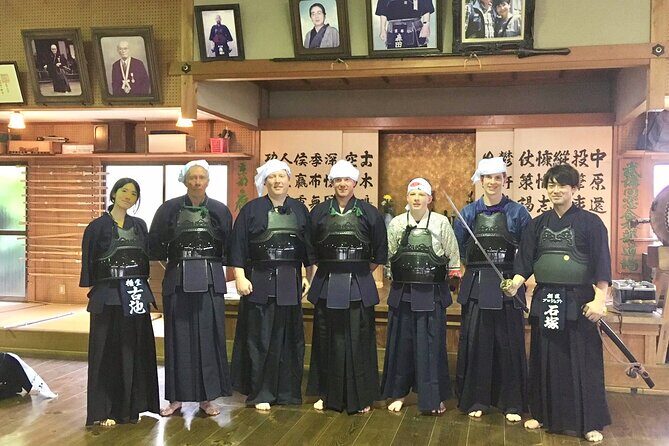
A maximum group size of 7 changes the feel of the lesson. In a bigger setting, beginners can get stuck trying to copy what they see. Here, the instructor can correct details and keep the group moving at a pace that actually works for first-timers.
That matters because kendo has a specific body language. Footwork is not just motion—it’s the foundation for distance control and timing. If you’re off by a little, you’ll feel it right away when you spar. A small group helps you adjust without getting lost.
The teaching style stands out too. Several instructors—like Hiroki and Yama—are described as attentive, enthusiastic, and patient, with a step-by-step approach. Even when people were solo, the class still felt personal. That’s exactly what you want if you’re nervous about trying something new.
What You Actually Do During the Class
The flow is simple: learn basics, practice repeatedly, then apply them with partner work and light sparring in full gear. You’ll start with basics that cover how to move and strike safely and with intent. The goal isn’t to make you an expert. It’s to get you comfortable enough to participate confidently.
Etiquette First, So the Rest Makes Sense
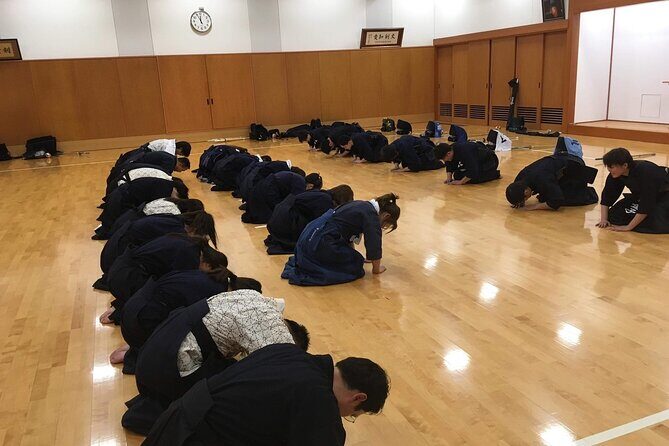
Kendo is full of manners. Not the polite-for-tourists version—real training etiquette. You’ll work on how you should conduct yourself during class: when to bow, how to show respect, and how to behave around equipment and partners. That’s part of the “unify your spirits” idea too. Kendo is as much about focus and discipline as it is about competition.
This is also why the class feels authentic. Instructors don’t treat etiquette as a lecture topic. They weave it into how you move.
Core Moves and Footwork That Transfer to Sparring
You’ll learn core moves and basic strikes, then practice them enough that you can try them with feedback. Footwork is emphasized, because in kendo your timing lives in your legs. You’ll get the idea of distance, rhythm, and how to take your turn without rushing.
By the end, you should be ready for sparring. That’s one of the most highly praised parts of the experience—short battles in full gear after you’ve built up the basics. It turns the class from a demonstration into real training energy.



The Mindset: More Than Hitting
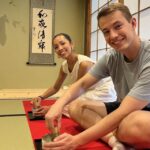
Even though you’ll definitely get exercise, the class isn’t built around brute force. You’ll touch the spiritual and cultural aspects of kendo—how it’s taught as a path, not just a game. You’ll also practice the idea that kendo is for lifelong growth, not one session.
This matters if you’re worried that martial arts classes are only for tough people. The emphasis on manners and mindset gives beginners a calmer entry point. You’re learning how to be a safe partner while building confidence.
Gear, Water, and the Comfort Reality Check
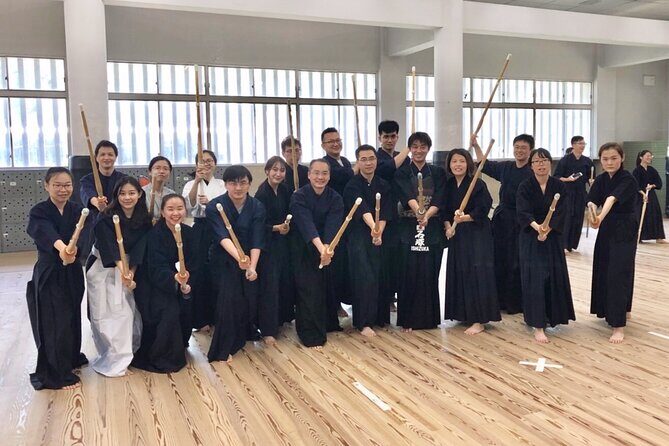
Good news: all kendo equipment is included. That removes a common headache for visitors. You won’t need to figure out what to buy or what sizing looks like. Bottled water and a souvenir towel are also part of the package.
Now the practical part: expect sweat. The equipment is designed for training, and even if you’re only doing basic sequences, you’ll work. In warm months, it can feel extra intense, so plan for that reality.
What to Wear (Without Overguessing)
The tour data doesn’t list specific clothing rules, so I can’t promise a perfect dress code. But you should show up ready to move. If you have a way to change after class, it can make the rest of your day easier. If you don’t, at least plan on bringing a small towel or staying mindful about comfort after you remove the gear.
Hydration Help
Because bottled water is included, you don’t need to track down supplies right before the start. Still, if you’re sensitive to heat or you don’t handle intense workouts well, consider sipping earlier as well.
Timing and Meeting Point: Shigino Hall at 10:00 am
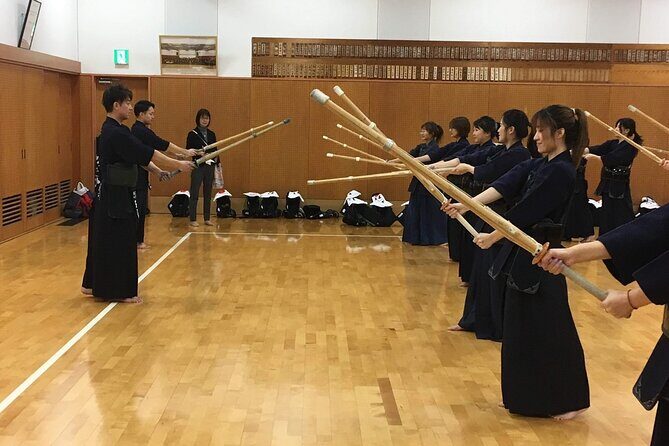
The class starts at 10:00 am and runs about 2 hours, finishing back at the meeting point. That makes planning the rest of your Osaka day easier: you’re not committing to a full-day schedule, and you’re not guessing how far you’ll travel after the session.
You’ll meet at Shigino Hall in Joto Ward:
Shigino Hall, 1-chōme-1811町立鴫野会館, Osaka 536-0014 (Joto Ward, Shiginonishi, Shigino-nishi area)
The location is near public transportation, so it’s a good fit if you’re using trains and walking instead of arranging taxis.
A Simple Strategy for Arrival
Give yourself a bit of cushion. Martial arts timing can feel strict once you’re inside the training space. If you arrive early, you can get settled without rushing.
Price and Value: What You’re Really Paying For
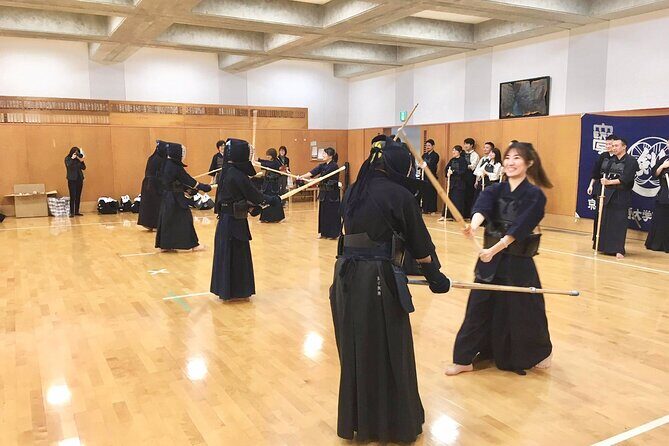
At $118.89 per person for roughly two hours, this isn’t the cheapest activity in Osaka. But it’s also not a casual “watch and try” setup. You’re paying for:
- A capped group size (max 7)
- English-speaking instruction
- All equipment for kendo practice
- Water and a towel
- A class that ends with partner sparring after fundamentals
In other words, it’s closer to guided training time than a basic attraction. If you’re the kind of traveler who values instruction quality—clear pacing, friendly coaching, and real participation—this price can make sense.
If you’re traveling on a tight budget, you can weigh it against other paid experiences in Osaka. But if you want one “do the thing” moment that mixes culture and exercise, this is one of the more practical choices.
Who This Kendo Experience Is Best For
This works especially well for:
- First-timers who want a safe introduction with an instructor who corrects details
- Active travelers who want a workout that feels meaningful
- People traveling solo who still want a guided, not awkward, experience
- Families with older kids who can handle gear and follow instructions (a 13-year-old was included in one of the experiences, and sparring was part of the arc)
- History and culture fans who don’t want culture as a slideshow
It’s also worth noting the physical requirement: you should have a moderate physical fitness level. That doesn’t mean you need to be an athlete. It does mean you should be comfortable with movement, sweating, and staying engaged for two hours.
The Main Considerations Before You Book
There are two practical realities to keep in mind.
1) You will sweat. Even with a beginner pace, the gear and repeated drills are active. If you’re visiting in summer heat, plan accordingly.
2) No hotel pickup or food is included. You’ll need to get yourself to Shigino Hall and handle your meal plans separately.
Neither is a dealbreaker. They just help you set the right expectations so the class feels smooth.
Should You Book This Osaka Kendo Class?
Yes, if you want a beginner-friendly, English-supported introduction to kendo that actually gets you practicing. The best reason to book is the combination of small-group attention and a class that leads to sparring in full gear—not just waving a sword around for five minutes.
You might skip it if you’re looking for something low-effort, purely scenic, or you can’t handle workout-style activities. Also, if you strongly dislike any physical component, the moderate fitness requirement is a clue.
If you’re ready to try something physical and culturally grounded in Osaka, this one is a strong match.
FAQ
How long is the Osaka kendo experience?
It lasts about 2 hours.
What group size should I expect?
The class has a maximum of 7 travelers.
Is the instruction available in English?
Yes. The experience includes an English-speaking instructor.
What’s included in the price?
All kendo equipment is included, along with bottled water and a free kendo towel.
What isn’t included?
Hotel pickup and drop-off are not included, and food is not included.
Where do I meet, and when does it start?
You meet at Shigino Hall in Joto Ward, Osaka. The start time is 10:00 am, and the activity ends back at the meeting point.
Do I need to print a ticket?
No. A mobile ticket is provided.
Do I need special physical ability?
You should have a moderate physical fitness level to participate.