REVIEW · OSAKA
Osaka: 2-Hour Nightlife District Walking & Local Food Culture
Book on Viator →Operated by Local Guide Stars · Bookable on Viator
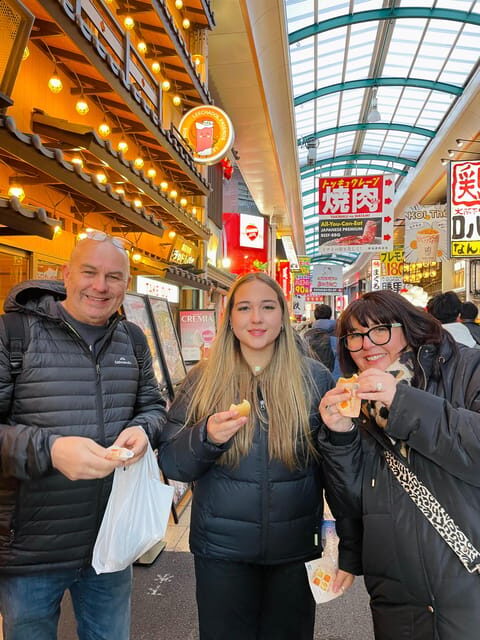
Night food in Namba moves fast. This 2-hour, English-guided walk is a great way to see Osaka’s neon streets while you taste street food and get help navigating markets and local side streets. I like how it stays small-group and practical, and how your guide helps you find places you’d probably miss on your own. One heads-up: the tour price covers the guide, not the food and drinks, so you’ll still be paying for snacks at the stalls.
I also like the mix of sights and food stops: the walk starts near Don Quijote Dotonbori and takes you through classic photo spots, a quiet temple lane, and a kitchen-tools street before ending in a major seafood market area. You get a mobile ticket and a straightforward plan with a few flexible options for what you want to try. The only real drawback is time: 2 hours is perfect for a first night, but it won’t replace wandering longer on your own afterward.
If you’re coming to Osaka for the food, this is a smart, low-pressure way to get your bearings fast and learn what to order.
In This Review
- Key highlights worth your attention
- Namba After Dark: What This 2-Hour Walk Actually Helps You Do
- Street Food and Market Eating: How Your Guide Helps You Order
- Dotombori Glico Sign: Neon Energy and Your First Snack Opportunity
- Hozenji Yokocho: A Calm Temple Lane Inside the City Noise
- Sennichimae Doguyasuji: The Kitchen Tools Street That Makes Food Feel Real
- Kuromon Market: Osaka’s Kitchen and a Guided Way Through the Seafood Scene
- Small-Group Format (Up to 15): Why This Feels Personal
- Price and Value: Getting a Guide for $31.84
- How to Get the Most Out of Your Walk (Without Overplanning)
- Who This Tour Fits Best in Your Osaka Trip
- Should You Book It? My Practical Go/No-Go
- FAQ
- What is the duration of the Osaka nightlife district walking tour?
- How much does the tour cost?
- Does the tour include meals or food purchases?
- What street food can I expect to try?
- Is there an English-speaking guide?
- What stops are included during the walk?
- Where do I meet and where does it end?
- How big is the group?
- What is the cancellation policy?
Key highlights worth your attention
- Short, focused 2-hour loop through Namba: good for jet lag days and busy evenings
- Street food guidance for trying Osaka staples like takoyaki and gyoza
- Kuromon Market time with help moving through the seafood crowd
- Kitchen tools street that pros actually use (Sennichimae Doguyasuji)
- Fudo Myo-o at Hozenji Temple area, plus a peaceful pocket in the middle of town
- Small group up to 15, so you’re not shouting questions over a megaphone
Namba After Dark: What This 2-Hour Walk Actually Helps You Do
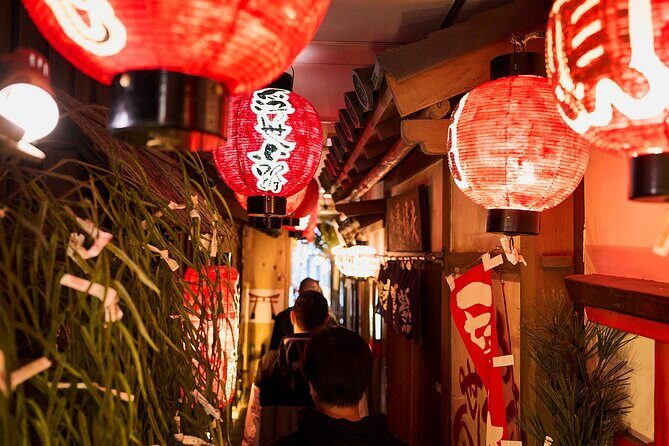
Osaka’s Namba area is the kind of place where you can lose 45 minutes just crossing streets and trying to figure out where the crowd is strongest. This tour works because it keeps you moving but still gives you enough time to stop, look, and taste. You get a guided flow that makes the city feel simple: see a landmark, grab a snack, move on, repeat.
I like that it’s not only about photos. Yes, you’ll pass the big Dotonbori icon area, but the core value is learning how the food scene works in real life. Where you stand matters. When you ask questions matters. And the guide’s job is to help you spend your time on the stuff you actually want to eat, not just what you can find from a map app.
Another big plus is schedule flexibility. Tours run throughout the day, so you can pick a time that fits your energy level. If you’re tired, go earlier. If you want the nightlife feel, pick a later slot and enjoy the neon glow while you walk.
You can also read our reviews of more walking tours in Osaka

Street Food and Market Eating: How Your Guide Helps You Order
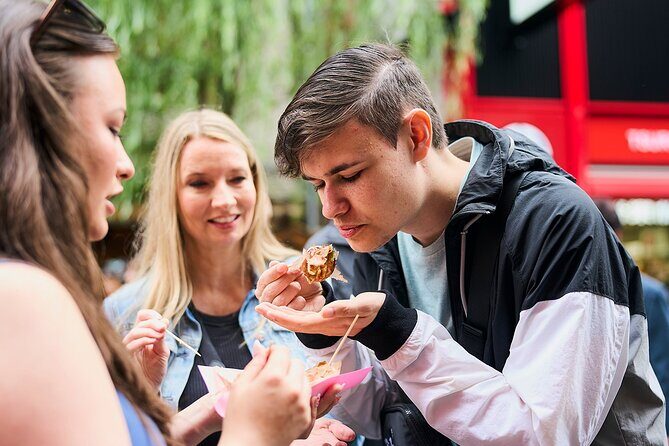
The tour’s street food angle is built around Osaka favorites like takoyaki and gyoza. Since meals and drinks aren’t included in the tour price, you’ll buy snacks directly from vendors. That’s not a dealbreaker. In fact, it’s often better because you can choose what you’re in the mood for—within reason—while still getting direction on what’s worth trying.
The practical part is the guide’s job as your translator for food culture. You’ll get a smoother experience walking through busy areas because someone is steering the route. That matters at markets, where it’s easy to feel like you’re staring at seafood cases without knowing what to do next. Having an English-speaking guide helps you ask questions, spot what people are actually eating, and avoid the awkward moment of standing there while everyone else moves.
Also, this is a walking tour with multiple stops, so you’re not stuck eating a heavy meal. It’s more like a smart tasting circuit. You leave with ideas for what to look for again during the rest of your trip.
Dotombori Glico Sign: Neon Energy and Your First Snack Opportunity
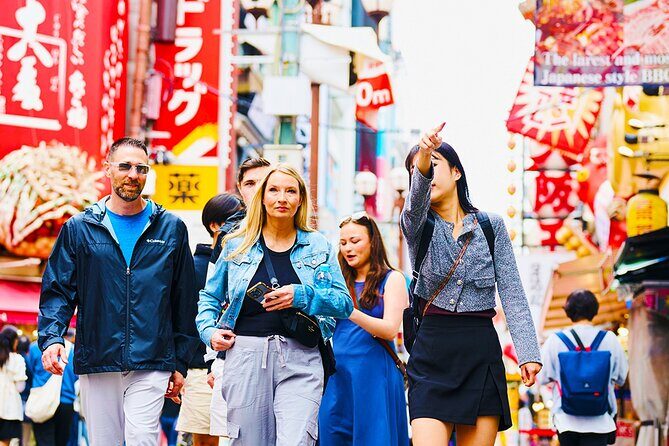
Your first stop is the Dotombori Glico Sign area, which is one of Osaka’s most recognizable sights. Expect that classic neon intensity: crowds, lights, and a lot of street-level action. This is a strong start because it tells you immediately where you are and what Osaka night energy feels like.
What I like about using this as the first stop is the way it sets the tone. You’re not wandering in the dark trying to figure out what street you’re on. You step into the right zone first, then the tour turns that visual chaos into a food-focused walk.
The downside? It’s popular. So it can feel tight and crowded even with a guide. If you’re the kind of person who hates shoulder-to-shoulder walking, keep your expectations realistic and plan on moving with the group for that first stretch.
Hozenji Yokocho: A Calm Temple Lane Inside the City Noise
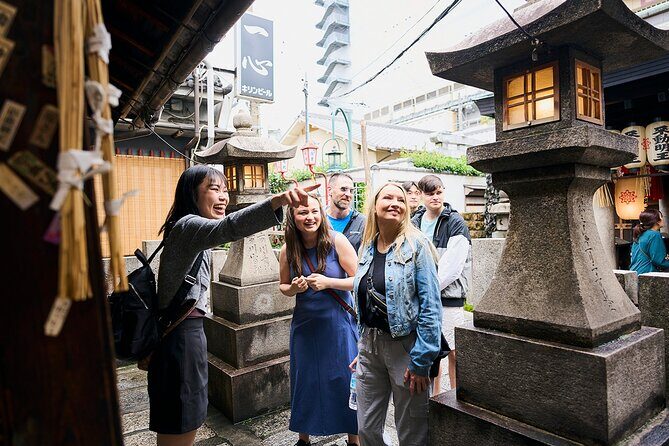
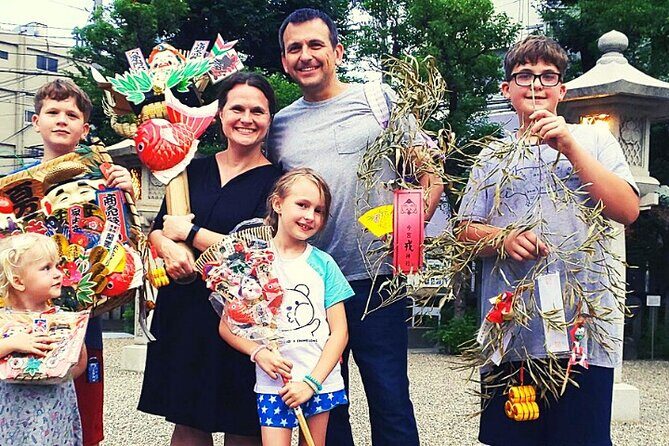
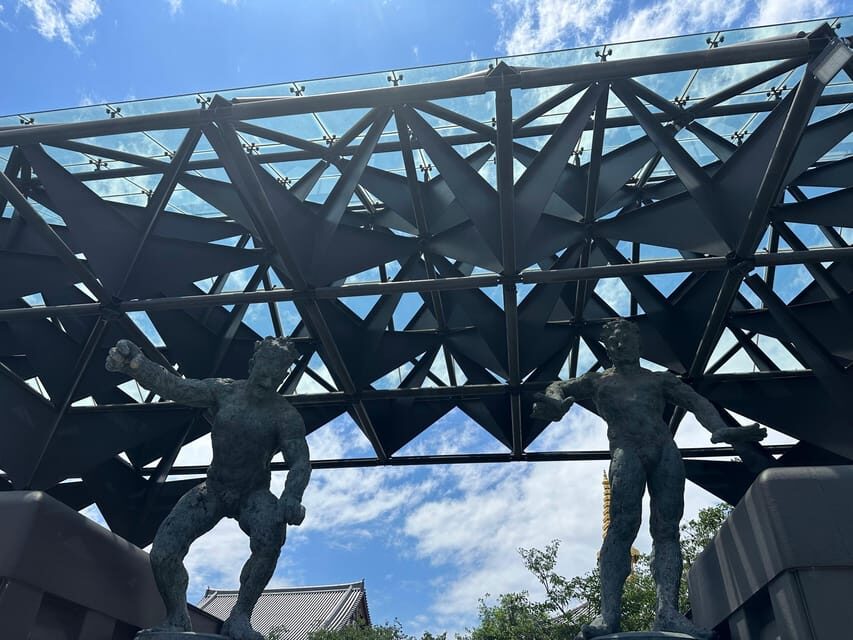
After the neon, the walk shifts gears to Hozenji Yokocho and the Hozenji Temple area. This is where Osaka gets more interesting in a quieter way. You’ll find a small, atmospheric temple setting in the middle of city life, with a moss-covered statue of Fudo Myo-o that people often splash with water as part of a wish ritual.
This stop works well for two reasons. First, it gives your eyes and brain a break from the bright billboards and snack lines. Second, it helps you understand that Osaka isn’t only about eating and entertainment—there are pockets of tradition right alongside the nightlife.
Time here is short—about 20 minutes—so you’re not going to have a long temple sit. But you’ll get enough to notice the details and feel the contrast between street life and this more reflective corner.
Sennichimae Doguyasuji: The Kitchen Tools Street That Makes Food Feel Real
Next comes Sennichimae Doguyasuji, a shopping street known for kitchen tools used by professionals. This is one of those places that sounds niche until you see it in person. Suddenly the food scene stops being abstract. You start to realize that Osaka has a crafts-and-tools side that supports all that street-level cooking.
The best part of this stop is perspective. When you’re later eating takoyaki or gyoza, it makes more sense. You can connect the dots between the tools, the techniques, and why some shops seem to turn out food with that consistent bite and texture.
In about 20 minutes, you get a taste of what’s special here without getting stuck browsing for hours. The only consideration: if you’re not into shopping or don’t care about equipment, you might want to treat this as a quick look-and-learn stop rather than expecting a long souvenir spree.
You can also read our reviews of more food & drink experiences in Osaka

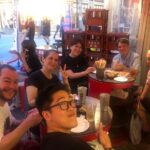
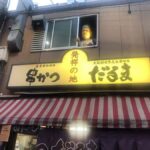
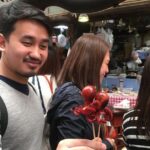

Kuromon Market: Osaka’s Kitchen and a Guided Way Through the Seafood Scene

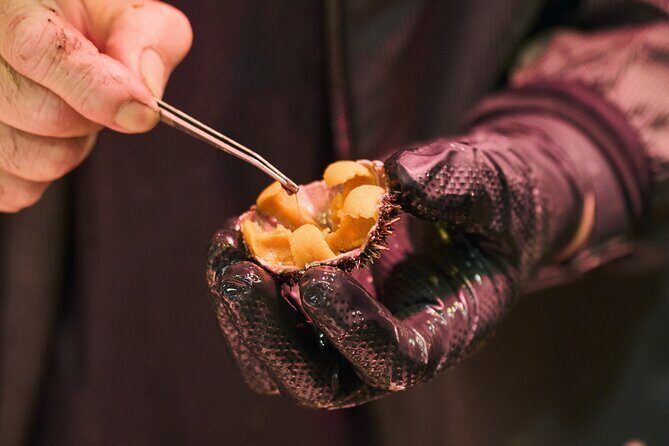
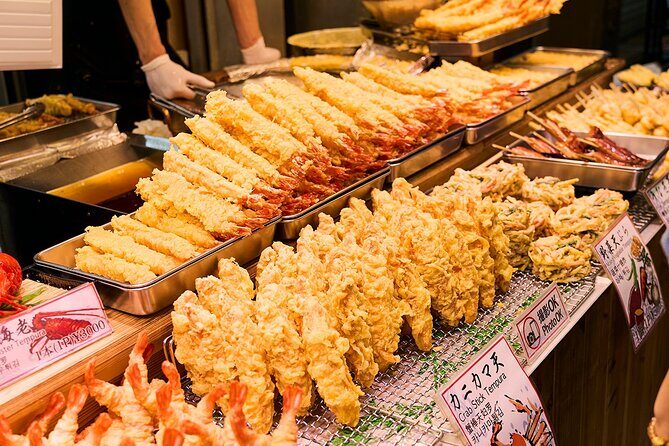
Kuromon Market is described as Osaka’s Kitchen, and once you’re there, you’ll understand why. You’ll see fresh seafood, wagyu beef, fruits, sushi, and more in a very compact space. This is the point where a guide becomes extra useful.
Without help, it’s easy to get overwhelmed. There’s a lot to look at, and the food options can blur together fast. With a guide, you move with a plan. You can get pointed toward things to try on the spot and understand what you’re seeing, which helps you make quicker decisions about what you’ll actually buy.
You also get a nice balance here: you’re in a market setting, but the tour is still designed for walking and tasting rather than a full-length market shopping trip. About 30 minutes in this area is enough to feel the market energy and try a few things without turning your day into a food coma.
Small-Group Format (Up to 15): Why This Feels Personal
This tour caps at 15 travelers, which is a big deal for a walking experience. It means you’re not just joining a blob of people moving in the same direction. You have more room to ask questions, and your guide can adjust the flow based on what you’re interested in.
I also like that the tour is designed to be more personalized than a strict checklist. The vibe is: follow the route, but ask your guide for restaurant ideas for the rest of your stay. That’s useful because once you leave, you don’t want to rely on luck.
The human factor matters too. In the past, guides such as Kaz, Nako, and Sayaka have led this experience. The common thread from those stories is friendly pacing and a focus on matching food interests, not just rushing through stops. If you’re someone who likes to talk while you walk, this format is a good fit.
Price and Value: Getting a Guide for $31.84
At $31.84 per person, you’re paying for an English-speaking guided walk, not a set meal. That might sound like a downside at first, but it’s usually how you get better value on food tours in Japan: you pay the guide to handle the routing and ordering help, and you choose what to buy.
For a short, two-hour window, the value is clear:
- You get structured stops in the Namba area and market zone
- You get help navigating busy food streets and a seafood market
- You get a small group, which makes questions easier
- You leave with a better sense of what to seek again on your own later
Also, with a 4.9 average rating and 97% recommending it, this isn’t just a theoretical good deal. People consistently feel it’s worth their time.
One practical note: since meals and drinks aren’t included, your total spending will depend on what you choose to snack on. But that also gives you control. You can keep it light or go more snack-heavy.
How to Get the Most Out of Your Walk (Without Overplanning)
Because it’s a walking tour, the main thing you should plan is comfort. Wear shoes you can stand in for the duration and plan to move with the group during the busiest streets.
You’ll also want to go in with a flexible mindset about food. The tour focuses on street food and market finds, so you’re not trying to sit down for a full restaurant meal. Instead, you’ll be tasting and sampling. It’s a fun way to learn the city’s food rhythm, and it usually leaves you hungry in a good way for whatever comes next.
If you want to build a smart day around it, think of this tour as your entry point to Namba. After you finish, you’ll have a better map in your head and a clearer idea of what you want to try again. That makes your remaining time feel less random.
Who This Tour Fits Best in Your Osaka Trip
This experience is ideal if you:
- want a first-time introduction to Namba and the Osaka food scene
- like markets, street snacks, and short walks with clear stops
- prefer a small group and an English-speaking guide
- have only about two hours and want meaningful sightseeing plus food help
It’s also a good fit for solo travelers because you’re not stuck finding your way through crowded areas alone. And if you’re traveling in a group, the size limit helps everyone stay together without turning into a hurry-up-and-wait mess.
If you already know Osaka well and you’re only hunting for a very specific dish, you might find you can do parts of this on your own. But if you want an efficient, guided first night, the structure here is exactly what you need.
Should You Book It? My Practical Go/No-Go
Book this tour if you want a low-stress way to taste Osaka while getting help navigating the market and street-food chaos. For most first-time visitors, it hits a sweet spot: you get major areas like the Dotombori icon zone and Kuromon Market, but you also get the kitchen-tools street and the quieter Hozenji area that makes Osaka feel more three-dimensional.
Skip it if you hate crowds, don’t like walking, or you’re the type who wants a fully included meal package with no extra buying. Since food and drinks aren’t included, your wallet outcome depends on your snack choices.
If you’re on the fence, here’s the simplest call: this is a strong first-night tour, especially if you book in advance. The average booking window is about 21 days, so planning ahead can help you lock your preferred time.
FAQ
What is the duration of the Osaka nightlife district walking tour?
It runs for about 2 hours.
How much does the tour cost?
The price is $31.84 per person.
Does the tour include meals or food purchases?
No. Meals and food and drinks from street vendors are not included in the tour cost, and the tour does not stop for dining-in.
What street food can I expect to try?
The tour includes street food such as takoyaki and gyoza in Osaka.
Is there an English-speaking guide?
Yes, the tour includes an English-speaking guided tour.
What stops are included during the walk?
The tour includes stops such as Dotombori Glico Sign, Hozenji Yokocho/Hozenji Temple, Sennichimae Doguyasuji shopping street, and Kuromon Market.
Where do I meet and where does it end?
The meeting point is Don Quijote Dotonbori Midosuji, and the tour ends back at the meeting point.
How big is the group?
The maximum group size is 15 travelers.
What is the cancellation policy?
You can cancel for a full refund up to 24 hours in advance of the experience start time. If you cancel within 24 hours, the amount paid is not refunded.